



Professional Snow Melting Plans for Airports, Highways, and Urban Roads
Important facilities must stay up and running during winter storms. Professional snow melting plans for airports, highways, and city streets use cutting-edge deicing products like snow melting solid potassium acetate to keep people safe and reduce the damage to the environment. When temperatures drop to -30°C, this acetate-based solution quickly melts ice, working better than chloride salts and protecting valuable infrastructure from corrosion damage. Customised snow management plans need to take into account the specific needs of each area and choose materials that balance performance, environmental responsibility, and long-term cost effectiveness.

Understanding Potassium Acetate and Its Role in Snow Melting
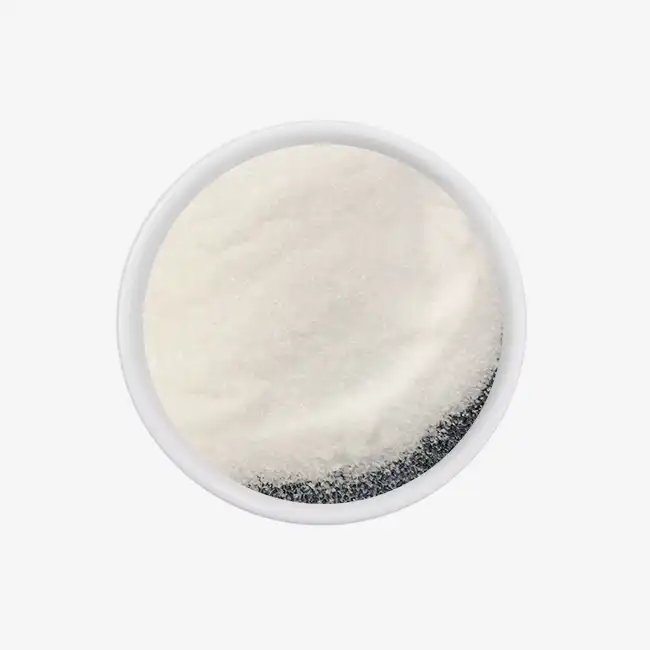
Potassium acetate (CH₃COOK) is perfect for tough winter maintenance tasks because of the way its chemicals are made. This white crystalline compound dissolves quickly in water. When it comes in contact with ice or snow, it creates an exothermic reaction that makes heat.
Superior Thermal Performance Characteristics
It is amazing how well potassium acetate can lower the freezing point. Around -7°C, rock salt stops working, but acetate-based formulas can still be used at much lower temperatures. With a molecular weight of 98.14 g/mol and a high solubility, this substance can quickly break through layers of ice, separating the pavement from the frozen precipitation. Transportation departments across North America have confirmed that acetate deicers cut the time it takes for ice to form by 40% compared to other types of deicers used in the same conditions.
Comparing Acetate Salt Performance
Real-World Infrastructure Applications
After switching to acetate-based programs, airport managers in cold climates have seen big improvements in how well their facilities work. One major international hub said that the time that runways had to be closed during storms had been cut by 35%. Highway departments that are in charge of mountain passes saw fewer car accidents on sections that had been treated. Protecting ancient bridges in cities extends their useful lives by stopping salt from breaking down the concrete. These documented results show that choosing the right deicing chemicals has a direct effect on safety metrics and protecting assets.
Designing Effective Snow Melting Plans for Airports, Highways, and Urban Roads
For winter maintenance programs to work, application strategies need to be matched with the needs of the infrastructure and operational priorities. Each environment has its own problems that need specific solutions.
Airport Runway and Apron Requirements
There are strict safety rules that airports have to follow, and surface friction coefficients must meet certain levels. Runway deicing plans need to be able to be put into action quickly without hurting aeroplane parts or navigational gear. Due to its non-corrosive qualities and instant effectiveness, snow melting solid potassium acetate satisfies these strict requirements.
Application protocols usually say that pre-treatment with snow melting solid potassium acetate should be done before the rain starts, and then maintenance applications should be made at set times. Granular products are spread by mechanical spreaders that are set up to precisely cover 50 to 150 pounds per lane mile. These rates are changed based on the temperature of the pavement and the severity of the storm. Airport managers work with weather tracking systems to start treatment processes before the ice bonds. This keeps the friction levels high enough so that takeoffs and landings are safe all winter long.
Highway Snow Management Strategies
For interstate and regional highways to work well, they need solutions that can be expanded and cover long distances quickly. Coordinated response plans include the choice of materials, the capabilities of equipment, and the deployment of people in successful programs.
Formulations with potassium acetate work great in these situations because the pellets don't stick together when they're stored and spread out evenly with normal spreading tools. Highway crews like products that stay useful even when temperatures change, which can happen during storm systems that last more than one day. Putting materials in key places lets people act quickly when things go wrong. Trucks with GPS track application rates in real time, making sure that coverage is consistent and that the least amount of material is used. Because acetate compounds break down naturally, they are safer for the environment in sensitive rivers and protected areas next to roads.
Urban Road Environmental Considerations
City streets have their own problems, like pedestrians, landscaping that is close by, and infrastructure that is getting old. Managers of municipal operations have to weigh the need for instant safety against the need to protect assets and take care of the environment in the long run.
Acetate-based deicing programs using snow melting solid potassium acetate do a good job of balancing these different needs. The non-chloride chemistry stops the concrete from breaking down and the rebar from rusting, which happens when traditional salt is used on urban structures. The plants along the treated corridors are under a lot less stress because the acetate breaks down naturally in the soil into carbon dioxide and water. Lower paw irritation and toxicity risks are good for both pet owners and wildlife. Different types of application equipment, from sidewalk spreaders to truck-mounted systems, can be used for different sizes of urban snow removal jobs.
Core Plan Components for Optimal Performance
No matter what kind of infrastructure is used, programs that work have some things in common. Accurate weather forecasting leads to proactive actions instead of reactive ones. Keeping track of your material stockpile stops gaps during long weather events. Protocols for maintaining equipment make sure that spreading systems work reliably when they need to. Staff teaching the right way to use materials makes them more useful while reducing waste. Monitoring performance through friction testing and visual inspections proves that the program works and finds ways to make it better.
With these built-in parts, winter maintenance goes from being a crisis management task to a controlled operation that protects public safety and infrastructure investments. Recording the number of applications, the weather, and how well they worked builds institutional knowledge that helps improve tactics over the course of several winters.
Comparing Potassium Acetate with Alternative Melting Solutions
Understanding how different deicing materials work and how much they cost helps you make smart purchasing choices that meet business needs and stay within your budget.
Temperature Range and Speed of Activation
The materials you choose must be compatible with the weather you expect. When temperatures get high, other chemicals stop working, but snow melting solid potassium acetate stays useful. Sodium acetate works well in mild temperatures but not so well below -15°C. Calcium chloride makes heat, but it also corrodes steel reinforcements and car parts very badly. Even though magnesium chloride is better for the environment than sodium chloride, it still causes corrosion and leaves behind residues that are hard to deal with.
Because potassium formulations dissolve quickly and release heat, they melt ice faster, which narrows the window of vulnerability during storms. Maintenance managers say that the activation times are 20 to 30 minutes, while the times for regular goods are 45 to 60 minutes in the same situations.
Infrastructure Compatibility Analysis
Long-term costs for infrastructure are much higher than short-term costs for materials. Deicers that contain chlorine do a lot of damage over time, which costs a lot to fix. In places that use standard salt programs, replacing bridge decks, fixing up parking structures, and fixing up concrete roads all cost a lot of money.
These secret costs are taken care of by acetate chemistry. When exposed to potassium acetate solutions, testing protocols created by materials engineering firms show that structural steel, aluminium parts, and reinforced concrete don't corrode very quickly. Airports that want to protect their multimillion-dollar runway investments and cities that need to replace old bridge networks are choosing non-corrosive options more and more, even though they cost more up front, because lifespan analysis shows that they save a lot of money in the long run.
Environmental Safety Profiles
Because of the damage they do to the environment, regulatory bodies are looking more closely at how winter care is done. Groundwater has been contaminated with chloride for decades, which hurts drinking water sources and marine ecosystems. Runoff salt destroys plants along roads and builds up in wetlands, driving the demand for more environmentally friendly alternatives, such as snow melting solid potassium acetate for safer ice control applications.
Acetate compounds break down naturally and don't have any long-term effects on the environment. The organic molecules break down in soil and water thanks to microbes, so they don't cause the long-lasting pollution problems that come with artificial salts. This benefit to the environment helps businesses keep their promises to be environmentally friendly, stay out of trouble with the law, and keep their operations running smoothly.
Economic Considerations for Procurement Managers
Instead of just comparing prices, budget analysis needs to look at the total cost of ownership. Even though acetate goods cost more than regular rock salt, looking at the big picture of the business shows that they offer great value.
Higher ingredient costs of snow melting solid potassium acetate are balanced out by lower application rates. Because potassium acetate is more effective, less product is needed to achieve the same melting effects. Reduced corrosion damage helps prevent costly infrastructure repairs. Lower environmental risks also mean fewer expenses associated with regulatory compliance. Accident-related costs decrease when safety metrics improve. When combined, these factors demonstrate a strong return on investment over most planning horizons.
Companies that are switching from chloride programs report payback times of two to four years, with savings continuing for as long as the infrastructure is in use. Long-term supply contracts and bulk buying deals with well-known manufacturers keep prices stable, which helps with budget planning for more than one year.
Procurement and Supply Chain Considerations for Potassium Acetate Snow Melting
Material availability that can be counted on makes sure that winter maintenance programs work well when the weather calls for quick action. Strategic purchasing practices keep operations from having to stop getting supplies.
Sourcing Certified High-Quality Products
In deicing applications, product specifications are very important. Purity levels have a direct effect on how well a formulation melts. Formulations with less than 98% assay contain inactive fillers that make them less effective. To keep it from caking too soon, the water content must stay below 1%. There is a risk of corrosion when trace metals are present, which takes away from the main benefit of acetate chemistry.
Zhaoyi Chemical produces snow melting solid potassium acetate with a purity of 99.0%, while its chloride content (0.2%) and iron levels (0.05%) are strictly controlled. Our ISO 9001-certified production facility in Shanxi Province follows rigorous testing procedures throughout the entire manufacturing process. Before approval for shipment, each production batch undergoes laboratory testing to ensure that its chemical composition, physical properties, and performance characteristics meet the required standards.
Bulk Purchasing and Supply Reliability
For large-scale winter maintenance projects, a lot of materials are needed. The airport may keep hundreds of tonnes of goods in stock, and state highway departments are in charge of stocking many facilities. When there are active storms, problems in the supply chain cause major business failures.
Infrastructure managers need reliable manufacturers who have been around for a while and have a lot of production capacity. Our yearly production capacity of 150,000 tonnes supports major accounts with guaranteed inventory allocation. Standard packing in 25 kg woven bags works for human handling, while 1000 kg ton-bags are used for large automation systems. Custom packing designs take into account the needs of particular tools.
Supply agreements that are based on seasonal patterns of demand make sure that materials are available before winter starts. Safety stock features protect against sudden use during periods of bad weather. Through partnerships with international logistics companies, transportation companies can offer competitive freight solutions on FOB, CIF, and DAP terms, depending on what the buyer wants.
Technical Support and Product Certifications
In addition to providing materials, successful relationships also include providing technical support to improve application methods. For snow melting solid potassium acetate, this means offering help with troubleshooting during operational problems, advice on how to calibrate equipment, and suggestions on application rates based on specific conditions, all of which are very useful.
Full records, like Material Safety Data Sheets (MSDS), Certificates of Analysis (COA), and safety certificates, make it easier to meet government rules and get approvals from within the company. Our KOSHER and HALAL certifications show that our quality system is strict. Our ISO 14001 and 45001 safety certifications confirm that we use responsible manufacturing methods that meet customer standards for sustainability.
Long-Term Partnership Benefits
Building relationships with dependable suppliers has benefits for your business that go beyond just transactions. Performance differences between packages are eliminated when the quality of the product is always the same. Technical knowledge built up over many years (Zhaoyi Chemical has been in business since 1988) gives application insights that make programs work better. Problems are quickly fixed by responsive customer service, and our technical teams are available 24 hours a day, seven days a week during the winter.
When looking for reliable suppliers of snow melting solid potassium acetate, buyers should look at more than just price. They should also look at manufacturing capabilities, quality systems, supply chain infrastructure, and service commitment. Total value assessment finds partners who will help with operational success over the course of a long-term relationship.
Safety and Environmental Best Practices When Using Potassium Acetate
Responsible handling of materials, following the right storage rules, and strategic application techniques all lead to safer results while leaving smaller environmental impacts.
Workplace Safety and Handling Protocols
Even though they have low toxicity ratings, the right way to handle them keeps workers safe and the quality of the output high. Wearing safety gear like gloves and eye protection keeps you from getting hurt while handling things. Because potassium acetate is hygroscopic, it clumps and dissolves too quickly when it comes in contact with water. This is why storage facilities need to keep the air dry and allow enough air flow.
Material staging areas should keep deicing chemicals separate from things that don't mix with them. To keep things from getting contaminated, the loading equipment needs to be cleaned often. Accidental releases can be cleaned up quickly with spill response plans and containment materials placed at handling areas.
Storage Requirements and Inventory Management
Keeping snow melting solid potassium acetate products in the right way for storage increases their shelf life and maintains their spreading properties. Granule integrity is preserved by climate-controlled warehouses that protect materials from extreme temperature fluctuations and humidity. Moisture cannot enter sealed packages, so any broken bags should be repackaged immediately or used first to prevent quality degradation.
Following the first-in, first-out rule for inventory movement makes sure that older stock is used up before its quality starts to decline. Quantity tracking systems keep supplies from running out during times of high demand and keep costs down by avoiding having too much inventory. An inventory check before the season makes sure there is enough supply and shows what needs to be restocked before the wait times for purchasing become too long.
Application Best Practices for Environmental Protection
When applied strategically and at the right dose rates, it is possible to control ice without putting too much stress on the environment. Using pre-wetting methods that mix grainy materials with liquid brines makes the ground stick better and reduces the amount of material that is lost when vehicles move. Anti-icing applications made before it rains or snows stop ice from sticking together and use less material overall than deicing operations done after the snow or ice has accumulated.
Spreading equipment that has been calibrated gives consistent application rates for snow melting solid potassium acetate based on the temperature of the pavement and the severity of the storm. When you apply too much, you lose material and raise the concentrations of runoff without achieving better performance. Coverage is best on complicated road networks when GPS-guided systems with automatic rate controls are used.
Runoff Management and Ecological Considerations
Even though acetate chemistry breaks down naturally, good management practices keep the immediate effects on the environment to a minimum. In treatment areas close to sensitive bodies of water, application rates may be lowered, or runoff capture systems may be put in place during big storms. Along the sides of roads, vegetation protects clean runoff before it gets into natural rivers.
Because potassium acetate is biodegradable, it doesn't stay in the environment for long periods of time as chloride contamination does. Microorganisms in the soil break down acetate molecules into carbon dioxide and water. The material is then naturally assimilated without having any long-term effects on the ecosystem. Because of this biological breakdown route, acetate deicers work especially well in rivers that provide drinking water or protect sensitive aquatic areas.
Regulatory Compliance and Corporate Responsibility
Documenting the rates of application, the severity of the storms, and the amount of material used shows regulatory agencies that you did your research and supports environmental management system approvals. A lot of companies include environmental metrics for winter maintenance in their corporate sustainability reports. These metrics show how responsible deicing methods have helped reduce the damage to the environment.
These practices that combine safety and the environment make winter maintenance seem like a professional job that supports both public safety and environmental stewardship goals, instead of having to choose between two different priorities.
Conclusion
To make professional snow melting plans for airports, highways, and city streets, you need to choose the right materials, come up with application strategies that match the needs of the infrastructure, and follow operational best practices. Acetate-based deicing agents, such as snow melting solid potassium acetate, work better in a number of important ways, such as protecting infrastructure, melting ice at low temperatures, and being environmentally friendly. Buying in bulk from reputable companies makes sure that materials are always available and of high quality, which is important for running operations smoothly during the winter. Acetate programs lower total ownership costs while meeting stricter environmental standards, making them useful for organisations that care about both short-term safety needs and long-term asset protection.
FAQ
What makes potassium acetate more effective than traditional road salt?
Rock salt stops working around -7°C, but potassium acetate can be used in temperatures as low as -30°C. When ice dissolves, an exothermic reaction happens that makes heat, which speeds up the melting process. The molecular structure lets it quickly go through layers of ice and break the bond with sidewalk surfaces more quickly than chloride-based options. This better performance in low temperatures cuts the time it takes for ice to form by a large amount during severe winter storms.
Does potassium acetate damage concrete and metal infrastructure?
Corrosion rates of potassium acetate on structural steel, reinforced concrete, and aluminium parts are very low. While chloride salts break down metals, cause concrete to crack, and rebar to rust, acetate chemistry protects infrastructure investments. According to the testing procedures, acetate exposure does not start the electrochemical processes that cause corrosion damage. This makes it perfect for places like airports, parking garages, and bridges where protecting assets is very important.
How should you store things that contain potassium acetate?
Keep things in buildings that are dry, well-ventilated, and away from sources of heat and wetness. Because it is hygroscopic, it clumps together when it comes in contact with moisture and spreads less when it does. Keep items in sealed containers until they are needed, and keep them away from chemicals that don't work with them. Keeping things in the right way during the winter keeps their quality and makes sure they work reliably.
Is it okay for the environment to use potassium acetate?
Microbes in soil and water break down potassium acetate naturally, turning it into carbon dioxide and water without polluting the environment in the long term. Chloride salts build up in groundwater and hurt plants, but acetate chemistry has less of an effect on the environment while still controlling ice well. This environmental safety profile helps people keep their promises to be sustainable and makes it easier to follow the rules.
Partner with Zhaoyi Chemical for Reliable Snow Melting Solutions
Since Zhaoyi Chemical has been making snow melting solid potassium acetate for over 35 years, you can count on them to give you the quality and dependability you need for your winter maintenance work. Our cutting-edge factory makes 150,000 tonnes of high-quality acetate products every year that meet the strictest international standards and are certified by the ISO 9001, ISO 14001, and ISO 45001 systems. We offer full technical support, a variety of bulk ordering options, and reliable logistics solutions that will keep your business running easily during the busy winter months. Get in touch with our staff at sxzy@sxzhaoyi.com to talk about your unique needs and find out how our snow melting solid potassium acetate for sale can help you reach your sustainability goals, improve safety, and protect infrastructure.
References
1. Transportation Research Board. "Alternative Chemicals for Airport Pavement Snow and Ice Control." National Academies Press, 2020.
2. Environmental Protection Agency. "Environmental Impacts of Deicing Chemical Use: A Comparative Assessment of Road Salts and Alternative Compounds." EPA Environmental Engineering Series, 2019.
3. American Concrete Institute. "Guide to Deicer Scaling Resistance and Protection of Concrete Surfaces." ACI Committee Report 201.2R, 2018.
4. National Association of City Transportation Officials. "Winter Maintenance Best Practices for Urban Streets and Infrastructure." Urban Street Design Guide Series, 2021.
5. Airport Cooperative Research Program. "Performance-Based Specifications for Airport Winter Operations and Deicing Materials." ACRP Research Report 148, 2019.
6. Journal of Cold Regions Engineering. "Comparative Analysis of Acetate-Based and Chloride-Based Deicing Agents: Performance, Infrastructure Impact, and Environmental Considerations." Vol. 34, No. 3, 2020.

USER EVALUATE
Here is the customer's evaluation of us