



Eco-Friendly Snow Melting Solutions for Sustainable Winter Road Maintenance
Deicing agents that are safe for both infrastructure and the environment are becoming more and more important for winter road maintenance that is sustainable. As a superior substitute for conventional chloride-based salts, snow melting solid potassium acetate stands out among these options. This biodegradable compound (CH₃COOK) works very well at temperatures as low as -35°C and doesn't cause corrosion like regular road salts do. Local governments, airport owners, and highway builders all agree that potassium acetate is the best way to protect sensitive infrastructure while still following strict environmental rules.
Understanding Potassium Acetate: Properties and Environmental Benefits
For winter maintenance to work, the chemicals used need to be able to withstand harsh conditions and cause as little damage to the environment as possible. Potassium acetate works well in both ways because of the way its molecules are structured and how they work.

Chemical Composition and Thermal Performance
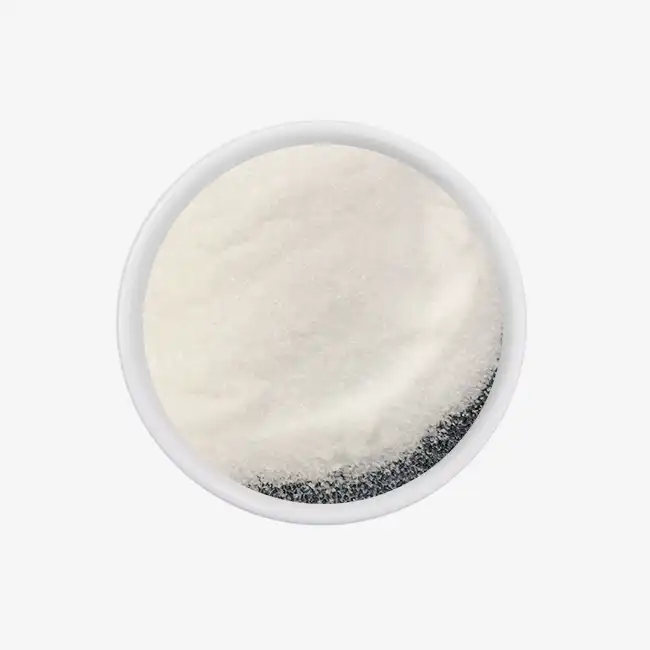
Potassium acetate is a white crystalline powder that dissolves easily in water, acids, and alcohols. This compound, with the CAS number 127-08-2 and a molecular weight of 98.14, is widely used as a snow melting solid potassium acetate because it immediately releases heat when it comes into contact with ice. The material works well in very cold conditions, where other deicers don't work because it activates quickly. In contrast to rock salt, which stops working around -7°C, acetate-based products keep working at much lower temperatures.
Because potassium acetate is chemically stable, the results can be predicted even when the weather changes. When the material is put on frozen surfaces, it quickly breaks through the ice layers, separating the sidewalk from the snow that has built up. Compared to other options, this effective heat transfer device lowers the rate at which it is applied.
Environmental Superiority Over Traditional Deicers
Acetate-based deicing products are used in sensitive environments because people care about the environment. Chloride salts used in the past add harmful ions to the soil and groundwater, which build up over the winter and hurt plants. The natural breakdown of potassium acetate by microbes turns it into carbon dioxide and water without leaving any harmful residues.
Environmental engineering companies have done studies that show acetate runoff has a much lower biological oxygen demand than chloride solutions. This feature keeps marine communities safe near paved roads. Acetate is useful for municipal wastewater treatment plants because it can be used to melt ice and as a biodegradable carbon source for denitrification processes.
Applying acetate is also helpful in the farming industry. Snow melting solid potassium acetate provides potassium, an important plant nutrient, which improves soil quality instead of increasing soil salinity like sodium chloride does. Plants along the sides of roads that are exposed to acetate-treated surfaces are healthier than those in areas that receive regular salt applications.
Infrastructure Protection and Cost Efficiency
One of the most expensive effects of winter road maintenance is corrosion. Chloride-based deicers speed up the breakdown of reinforced concrete, exposing rebar and causing it to spall, which needs expensive repairs. Over many winters, damage builds up on bridge decks, parking structures, and highway overpasses.
Formulations with potassium acetate get rid of all of these corrosion worries. The non-chloride chemistry keeps solid steel, aluminium parts, and electrical systems that are easily damaged safe. This quality is very important to airport operators because acetate-based products protect aircraft landing gear, avionics, and composite materials without lowering safety standards.
When buying, managers figure out the total cost of ownership over a product's whole life; acetate solutions often come out cheaper than chloride options. Protected infrastructure has a longer useful life, which makes up for the original material expense. Facilities don't do emergency repairs, projects to strengthen structures, or early replacements of broken parts.
Application of Potassium Acetate in Sustainable Snow Melting
The performance in the real world separates theoretical benefits from useful solutions. Potassium acetate has worked perfectly in a variety of winter management situations, earning the trust of picky manufacturers and city governments.
Aerospace and Critical Infrastructure Applications
For airport runway activities, deicing systems must meet strict standards for safety and the environment. While maintaining the friction coefficients required for safe aircraft operations, snow melting solid potassium acetate protects delicate aerospace materials. Major international airports use acetate-based programs to make sure they stay within biological oxygen demand discharge limits and keep running even when bad weather hits.
The material dissolves quickly, so it can respond quickly to changes in the environment. Ground crews put solid acetate mixtures directly on taxiways and aprons to keep them from freezing. This keeps the surfaces clear of ice without the buildup of residue that happens with glycol-based fluids. This economy cuts down on labour costs and keeps planes from having to wait too long to land during winter storms.
Taking care of historic bridges and other building features can be tricky. These things need deicing methods that are gentle but effective and don't damage the original materials or construction. Freeze-thaw damage to concrete can be avoided with potassium acetate, which also protects historic masonry and decorative elements. Preservation groups and city experts recommend acetate treatments for historic buildings where harsh chloride deicers would speed up the decline process.
Industrial and Commercial Winter Management
During the winter, vital entry needs are still met at manufacturing sites, delivery centers, and healthcare campuses. Snow melting solid potassium acetate provides long-lasting freezing action that keeps surfaces clear during repeated freeze-thaw cycles, making it suitable for loading dock areas. The material doesn't freeze again as easily as urea-based alternatives, which lowers the risk of slipping and potential liability issues.
Deicing solutions for railroad switch points and signal installations need to be compatible with electronic parts that are easily damaged. Acetate formulations keep these systems from rusting and make sure they work properly mechanically. Transportation officials say that using potassium acetate instead of traditional methods leads to more system uptime and fewer maintenance calls.
Deicing problems can't happen on emergency entry routes at hospitals, fire stations, and police stations. High-purity acetate products that ensure success are used first to treat these important pathways. Safety officers also like that there are fewer concerns about tracking, since acetate residues don't pose much of a risk of slipping when worn inside.
Storage and Handling Best Practices
Product success and safety are maintained by good material handling. It is easy for potassium acetate to absorb water from the air because it has hygroscopic properties. Facilities must store the goods in dry, well-ventilated warehouses that are away from sources of heat and things that don't go with the goods. When used correctly, the standard packaging—25 kg plastic woven bags or 1000 kg ton-bags—is enough to keep things safe.
To keep products fresh, distribution centers should set up rules for rotating their stock. Even though snow melting solid potassium acetate formulations can stay stable for a long time if they are stored properly, they work best when they don't have to spend too much time in the warehouse. When unloading, care must be taken to keep bags from getting damaged and water from getting inside.
The fact that acetate is free-flowing is good for application equipment. The granular material doesn't clump or cake, so motorised spreaders can keep spreading it at the same rate. Calibration methods created for chloride materials usually work well for acetate products as well, though operators should check the discharge rates when they are first put into use.
Comparing Potassium Acetate With Other Deicing Solutions
When making purchasing choices, it's important to look at a lot of factors, such as performance, environmental impact, and supply chain issues. Knowing how potassium acetate stacks up against other deicing agents helps you choose the right material.
Performance Metrics and Operational Efficiency
Premium deicing agents are different from cheap alternatives because they are more thermally efficient. More temperatures can be used with potassium acetate than with sodium acetate, calcium chloride, or magnesium chloride. Testing in the lab shows that it can reliably melt ice at temperatures where other goods stop working.
Levels of purity have a direct effect on how well the field works. When compared to technical-grade options, snow melting solid potassium acetate with a purity percentage of at least 99.0% (CH₃COOK) gives better results. A water-insoluble content of less than 0.05% guarantees full dissolution and keeps drainage systems from getting clogged. Limiting chloride contamination to ≤0.2% helps maintain the non-corrosive properties that are important for protecting infrastructure.
Application rate optimisation cuts down on the amount of material used while still meeting safety standards. Because they can get through ice better, acetate-based programs usually need lower spreading densities than chloride solutions. Because of this efficiency, handling costs go down, and environmental load goes down.
Quality Assurance and Supplier Evaluation
B2B procurement teams put a high value on product consistency and supplier dependability. Companies that have ISO 9001 certification show that they are dedicated to quality control methods that make sure that each batch is the same. Environmental certifications like ISO 14001 give people faith in environmentally friendly production methods.
Protocols for quality control of snow melting solid potassium acetate should check more than just basic purity. Iron levels below 0.05% keep treated surfaces from turning discoloured. Moisture control, which is usually kept below 1%, maintains flowability and prevents the product from clumping too soon. Trace metal research proves that environmental release standards have been met.
Full technical data sheets, safety information, and certificates of analysis are some of the documents that are needed for industry buying. Suppliers who offer materials in more than one language make international business and following the rules easier. Zhaoyi Chemical keeps detailed records that allow full product traceability from the time it is made to the time it is delivered.
Supply Chain Logistics and Procurement Strategies
Buying in bulk takes advantage of economies of scale and makes sure that supplies don't run out. Annual contracts with well-known makers help you plan your budget and decide what to do first during the busy winter months. With production lead times averaging 5 to 7 working days, orders can be filled quickly without having to pay a lot for inventory.
International shipping affects both the total cost of delivery and the availability of materials. Suppliers with a lot of experience keep in touch with goods carriers to get the best prices and guaranteed space. Knowing the Incoterms, like FOB, CIF, or DAP, makes it clear who is responsible for shipping, insurance, and clearing customs.
Minimum order quantities for snow melting solid potassium acetate depend on the brand and grade of the product. Suppliers who offer flexible ordering options, such as safety stock arrangements that let facilities quickly restock smaller amounts, are appreciated by facilities that don't have a lot of storage space. This method strikes a balance between the limitations of managing inventory and the needs of operations.
How to Choose and Procure Potassium Acetate for Snow Melting
For deicing programs to work, the right materials must be chosen based on the specific needs of the operation. Buying decisions for business and government use are based on a number of factors.
Grade Selection and Application Requirements
For different uses, different levels of purity and physical properties are needed. To meet strict standards for flight material compatibility, airport operations usually ask for the purest grades. Technical grades that offer great performance at more affordable prices can be used for bridge and highway uses.
The physical form affects how it is used and what equipment it can work with. Solid crystalline goods work well for motorised spreading, but some facilities like to dissolve solid materials to make their own brine solutions. This standard is important for working efficiency because it affects how well the spreader works and how fast the particles dissolve.
Supplier Evaluation and Partnership Development
Experience as a manufacturer shows that they can provide steady quality and dependable service. Shanxi Zhaoyi Chemical Co., Ltd. has been in business since 1988 and has more than 30 years of experience making acetate. This level of understanding helps with expert advice and making applications work better.
A supplier's production capacity shows how well they can handle large orders and keep their products available during times of high demand. Zhaoyi Chemical can produce 150,000 tonnes of chemicals every year, which is enough for large infrastructure projects and operations that take place on more than one site. This level of production gives buyers security that smaller makers can't match.
International licenses, such as KOSHER and HALAL approvals, make it easier to use in more situations, especially in food-grade and medicinal settings that need to follow strict rules. These credentials show thorough quality management that is applicable across product lines, even though snow melting still dominates the conversation.
Procurement Process and Logistics Coordination
Clear communication of requirements is the first step to effective procurement. It is recommended that technical teams specify the required purity levels, preferred packaging, and delivery times for snow melting solid potassium acetate. Clear instructions help prevent misunderstandings and ensure that the materials delivered meet the operational needs.
Testing samples of a product before buying a lot of it confirms that it can be used for certain tasks. Progressive sellers help customers succeed by giving them free testing tools and advice on how to use them. This way of working together boosts confidence and improves the performance of the program.
When planning delivery, it's important to keep regular demand trends in mind. Material commitments should be made for winter maintenance programs a long time before they are used. Strategically placed inventory at suppliers can meet urgent needs, but planning ahead usually gets you better prices and guarantees availability.
Future Outlook: Potassium Acetate and Sustainable Winter Road Maintenance
As environmental laws get stricter, the winter maintenance industry keeps moving toward solutions that are good for the environment and protect investments in infrastructure. It is potassium acetate that is leading the way in this change.
Regulatory Trends and Environmental Compliance
Environmental groups around the world are making it harder for chlorine to get into rivers and underground systems. Recently, rules have changed to favour acetate-based alternatives that meet biochemical oxygen demand limits and work well for melting ice. Cities and towns that have problems with chloride levels in drinking water are requiring non-chloride deicing options more and more.
The environmental cleanup costs that come with traditional deicing methods are becoming a bigger part of total cost of ownership calculations. When buying teams look at the costs of treating groundwater, replacing plants, and fixing infrastructure, the acetate options show strong economic benefits that go beyond the price of the materials themselves.
Technological Integration and Smart Application Systems
New developments in application technology have made acetate-based winter programs work better. Based on sensors that measure the temperature of the pavement and weather information, GPS-guided spreaders with variable rate controllers make the best use of material distribution. These systems cut down on waste while keeping safety standards high across all treated networks.
Internet-of-Things monitoring platforms let you keep an eye on performance in real time and make decisions based on data. Connected infrastructure gives information about the state of the surface, how well materials work, and how they affect the environment. When using snow melting solid potassium acetate, these platforms can monitor application efficiency, material performance, and environmental impacts, helping optimize snow and ice management strategies. This information helps the program keep getting better and shows stakeholders that someone is responsible for what they do.
Automated weather response systems start pre-treatment protocols before the storm hits, which makes things safer while using less material overall. These preventative methods work especially well with acetate formulas because they leave behind anti-icing effects that stop ice bonds from forming.
Market Development and Industry Adoption
Chemical manufacturers and industry groups are working together to teach procurement professionals more about alternatives to deicing. There is proof to support making informed decisions in the form of technical seminars, case study papers, and demonstration projects. This sharing of knowledge speeds up the growth of markets and makes application practices better.
When a supply chain matures, it makes goods more available and makes markets more competitive. As production grows and delivery networks get stronger, smaller cities and businesses in the private sector will be able to get acetate-based solutions instead of just chloride goods.
Conclusion
Winter road maintenance is an important time when environmental responsibility and efficient performance need to work together. Snow melting solid potassium acetate has been shown to be an effective option for organizations that want to protect structures while maintaining environmental standards. The main challenges associated with traditional chloride deicers are addressed by their reliable performance at different temperatures, non-corrosive chemistry, and complete biodegradability. Acetate-based programs help maintain winter safety across applications ranging from airport runways to historic bridges while protecting sensitive ecosystems and preserving valuable assets. The material's versatility, supported by decades of field testing and continuous technological advancements, makes it a practical long-term choice for forward-thinking winter management professionals.
FAQ
What makes potassium acetate environmentally safer than traditional road salt?
Microbes in the soil break down potassium acetate naturally, turning it into carbon dioxide and water without leaving behind any harmful chemicals. Acetate doesn't stay in the earth or groundwater like chloride salts do; it breaks down totally. The potassium part actually helps plants grow by adding nutrients, not hurting them with too much salt.
Does potassium acetate work in extremely cold temperatures?
In real situations, potassium acetate works just as well at temperatures as low as -35°C, much better than rock salt, which stops working around -7°C. The theoretical eutectic point of the material goes all the way down to -60°C, so it works reliably in even the harshest winter temperatures that are found in operating settings.
How does purity affect deicing performance?
Higher amounts of purity are directly linked to better ice melting and less damage to the environment. Products with at least 99.0% content have consistent thermal performance and dissolve completely. Lower purity grades might have impurities that make them less effective, cause waste to build up, or bring harmful substances into ecosystems nearby.
What storage considerations apply to potassium acetate?
The substance is hygroscopic, which means it can take water from the air if it is not kept properly. Acetate products should be kept in dry, well-ventilated warehouses with sealed containers. Proper storage keeps the flowability and stops premature dissolution, so when it's used, it works best in the field.
Partner With a Trusted Snow Melting Solid Potassium Acetate Manufacturer
Zhaoyi Chemical offers tried-and-true winter maintenance solutions based on 35 years of experience making acetate. Our snow melting solid potassium acetate is ≥99.0% pure thanks to strict quality control that makes sure it always works well in tough situations. We are an ISO-certified provider that can make up to 150,000 tonnes of goods every year. This gives your business the dependability and size it needs. Our technical team provides free application advice and full documentation support for a wide range of projects, such as safeguarding airport infrastructure, keeping important bridge decks in good shape, and managing city road networks. Get in touch with our experts at sxzy@sxzhaoyi.com to talk about your unique winter maintenance issues and find out how our eco-friendly deicing solutions help both infrastructure and ecosystems.
References
1. Transportation Research Board. (2007). Guidelines for the Selection of Snow and Ice Control Materials to Mitigate Environmental Impacts. National Cooperative Highway Research Program Report 577.
2. American Society for Testing and Materials. (2019). Standard Practice for Deicer and Anti-Icer Chemicals in Winter Maintenance. ASTM D7647-10.
3. Environmental Protection Agency. (2018). Best Management Practices for Environmental Stewardship in Snow and Ice Control. EPA Publication 832-R-18-001.
4. Airport Cooperative Research Program. (2013). Aircraft and Airfield Deicing and Anti-Icing: An Analysis of Current Technologies. ACRP Report 89.
5. National Research Council Canada. (2012). Environmental Impact of Winter Road Management: Salt Contamination and Alternative Deicing Agents. NRC Technical Report CTI-141.
6. International Journal of Pavement Engineering. (2021). Comparative Performance Analysis of Acetate-Based Deicers in Infrastructure Protection and Environmental Sustainability. Volume 22, Issue 4, pp. 498-512.

USER EVALUATE
Here is the customer's evaluation of us