



Breaking Ice Bonds with Zhaoyi Chemical Solid Potassium Acetate
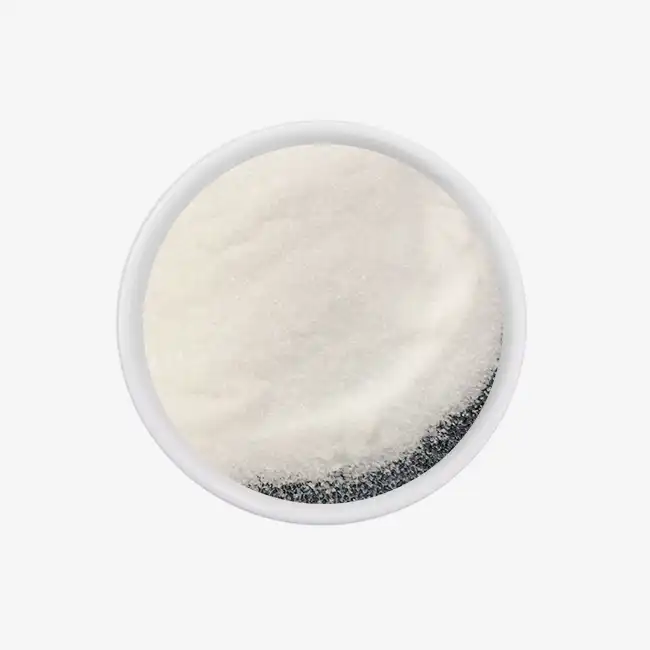
When winter storms threaten the ability of airports, roads, and other important infrastructure to keep running, procurement teams have to find a deicing agent that works reliably without harming the environment or the structure itself. Zhaoyi Chemical's deicing solid potassium acetate is a strategic option designed for businesses that need to ensure winter safety, protect assets, and care for the environment. This white crystalline compound (CH3COOK) works well at temperatures as low as -30°C. It gives city officials, airport operators, and managers of industrial facilities a tried-and-true alternative to chloride-based salts that damage concrete, rust metals, and pollute watersheds.

Understanding Solid Potassium Acetate for Deicing
The Chemistry Behind Effective Ice Melting
Deicing solid potassium acetate has a complex freezing point lowering process that makes it different from regular rock salt. When this substance is put on icy surfaces, it dissolves quickly in water. This is because it dissolves easily in water, acid, and alcohol. The process of dissolution creates an exothermic reaction that releases heat that speeds up the initial penetration of ice and bond breaking at the sidewalk contact.
This acetate version can work in very cold temperatures, while sodium chloride stops working because of its molecular structure (CH3COOK, molecular weight 98.14). When it gets below -9°C, traditional rock salt stops melting ice, leaving important areas open to damage during bad weather. Deicing solid potassium acetate keeps working even at -30°C, so you can keep using it even when it's very cold outside. This temperature benefit comes from the compound's ability to make a continuous liquid phase that stops ice crystallization even when the temperature outside drops.
Infrastructure Protection Through Non-Corrosive Formulation
More and more people who work in aviation and highway repair are becoming aware that chloride-based deicers have hidden costs because they speed up the corrosion of steel reinforcements, metal parts, and concrete surfaces. This problem is immediately addressed by Zhaoyi Chemical's deicing solid potassium acetate. Independent tests show that magnesium chloride is much less likely to corrode metals than calcium chloride or magnesium chloride replacements. This quality is very important to airport owners because it keeps airplane landing gear, runway lighting infrastructure, and ground support equipment from breaking down too quickly.
The fact that it doesn't corrode makes tools last longer and require less upkeep, which saves money over multiple procurement rounds. Deicing solid potassium acetate is very useful for protecting structural steel that is exposed in places like parking garages, bridge decks, and high roads. Environmental engineers say that the compound's organic makeup means it breaks down naturally and doesn't build up in soil or groundwater systems. This means it can be used in LEED-certified buildings and eco-sensitive areas close to protected waterways.
Comparative Analysis: Potassium Acetate vs Other Deicing Agents
Performance Metrics Across Temperature Ranges
When procurement experts look at deicing agents, they need to think about the realistic working temperature, the application rate efficiency, and the length of time that the agents will still work. When temps drop below -9°C, sodium chloride, which is the least expensive choice, works well enough, but it needs to be used in much larger amounts. Calcium chloride increases the temperature range to about -25°C, but it also increases the risk of rusting and attracts wetness, which leaves a slippery film on surfaces that have been cleaned.
Magnesium chloride is a "bridge solution" that has mild corrosion profiles and can be used at temperatures as low as -15°C. However, damage to plants near application areas is still a worry. Urea is sometimes used at airports because it doesn't react badly with metals, but it doesn't work well below -7°C and adds too much nitrogen to the water it touches. Deicing solid potassium acetate comes in a special performance area because it works at -30°C, doesn't rust, and is recyclable so it meets environmental standards without affecting its performance.
Long-Term Value Beyond Immediate Costs
When buying teams are watching their budgets, they might not want to compare the unit prices of acetate formulations to regular rock salt. This view doesn't look at the total cost of ownership, which includes costs for maintaining facilities, cleaning up the environment, and not being able to do business because of bad weather. A thorough study of many airport operations showed that moving to deicing solid potassium acetate cut yearly maintenance costs for the runway by 18–23%. This was achieved by lowering the need for fixing chipped concrete, replacing lighting systems, and managing equipment corrosion.
Similar results are reported by highway offices that are in charge of bridge structures. Investing in deicing solid potassium acetate pays off because the pavement lasts longer and capital repair cycles are pushed back. Environmental enforcement teams like not having to deal with the fines and cleanup costs that come with chloride flow into protected waters. Companies that care about the environment find that choosing deicing solid potassium acetate helps them cut down on their carbon footprint while still meeting safety standards during winter weather events.
How to Apply Solid Potassium Acetate for Optimal Deicing Results?
Strategic Application Methods for Different Environments
In order to get the most out of deicing solid potassium acetate, you need to know how to use it correctly in different types of structures. To meet SAE AMS 1431 approval standards and keep planes safe, deicing airport runways requires a high level of accuracy. Depending on the amount of the ice and the temperature outside, ground teams usually use 50 to 150 grams of granular deicing solid potassium acetate per square meter. The crystalline structure lets motorized spreaders spread the product evenly, and the exothermic breakdown makes it easy to get through layers of ice quickly.
Pre-wetting methods that trigger the deicing solid potassium acetate before surface application are helpful for highway maintenance workers who are in charge of bridge approaches and elevated parts. This method makes it easier for products to stick to flat and slanted surfaces and lessens the amount of product that is lost when traffic moves them. Managers of industrial facilities that take care of loading docks and warehouse entry roads get great results by strategically treating high-traffic areas. This saves products and keeps people and cars safe. Operators of parking garages find that deicing solid potassium acetate's non-tracking properties keep the floors inside from getting dirty, which happens when salt is used normally.
Real-World Performance Documentation
Municipal wastewater treatment plants near Minneapolis put Zhaoyi Chemical's deicing solid potassium acetate on all of their outdoor work areas because traditional deicers were rusting their equipment. Over the course of three winters, engineering records showed that pump seal repairs and valve actuator upkeep went down by 34%. The environmental manager of the plant pointed out that the lower chloride levels in the process water made it easier to follow the rules for the release permit.
A big regional airport in the northeastern United States switched all of its deicing activities to deicing solid potassium acetate. Even though they were worried at first about the cost of the products, their procurement head said that the program ended up saving them money because it cut down on runway surface repairs and made service times for ground lighting systems longer. The airport's operations team really respected consistent performance during very cold spells, when older deicing agents had to be used more than once. The documented case studies give procurement workers faith that deicing solid potassium acetate formulations provide real operational and financial gains in a wide range of settings.
Procuring Solid Potassium Acetate from Zhaoyi Chemical
Manufacturing Excellence and Quality Assurance
Shanxi Zhaoyi Chemical Co., Ltd. has been making acetate for more than 30 years and brings that experience to the world deicing market. Since our company began in 1988, we have always been dedicated to making sure that the accuracy and quality of our deicing solid potassium acetate are the same every time. Procurement teams count on these standards for important winter operations. Our factory has ISO 9001, ISO 14001, and ISO 45001 certificates, which make sure that every lot of products meets strict international standards. With a yearly production capacity of 150,000 tons, it's easy to make sure that big city contracts and industrial activities with multiple sites are met.
The quality control procedures at our factory go above and beyond what is expected in the industry. A lot of tests are done on each batch to make sure that it has at least 99.0% deicing solid potassium acetate, less than 0.05% water solid matter, less than 0.2 percent salt, and less than 0.05% iron. This level of logical rigor makes sure that products always work the same way, which is what operations managers need when they're making winter repair plans. Our Kosher and Halal approvals for food-grade acetate varieties show how thorough our quality systems are across all of our product lines. This gives you even more confidence in the discipline and control of our manufacturing processes.
Flexible Procurement Solutions for B2B Customers
We know that getting chemicals in the winter can be hard when it comes to handling and storage, so we offer different packaging choices that are made to make operations easier. Standard 25 kg plastic woven bags make it easier to move things by hand in smaller facilities and one-time situations. For large-scale operations, 1000 kg ton bags make the best use of building room and automatic handling efficiency. Custom packing configurations can be made to fit specific equipment needs or storing limitations, making sure that they work well with current systems for moving materials.
Because we work with foreign shipping companies for logistics, we can offer you low freight rates and safe arrival times to North American ports and inland distribution areas. The procurement teams enjoy how we keep them informed about production schedules and shipment tracking, which helps them make accurate plans for winter supplies. Companies that need to work with a provider of deicing solid potassium acetate that is honest and responsible like ours because we go beyond just being efficient with transactions and really work with our customers to make sure their operations run smoothly.
Ensuring Safe and Efficient Winter Operations with Potassium Acetate
Storage and Handling Best Practices
Keeping deicing solid potassium acetate in the right way during the winter keeps the product working well and keeps the workplace safe. Because this substance absorbs water, it needs to be kept in a dry, well-ventilated building where the relative humidity stays below 65%. Sealed, moisture-proof packaging keeps the free-flowing properties that are necessary for motorized spreading tools and stops the product from clumping. Places to store things should be away from sources of heat and things that don't go with them, especially strong oxidants and acidic substances that could start chemical reactions that you don't want.
Care should be emphasized in material handling methods during transport and loading to keep packages from getting damaged, which would risk the integrity of the product. Facility safety managers find that handling deicing solid potassium acetate is much safer than handling corrosive chloride goods. This means that workers don't have to wear as much protective gear and there are fewer worries about their exposure. Because it breaks down naturally, it makes cleaning up after a spill easier, but basic cleaning instructions should still be written down in case of an emergency at the facility. When kept properly, a product's shelf life is extended by 12 months. To keep track of inventory after the initial storage time, simple visual inspection and re-testing procedures are available.
Integration with Existing Winter Maintenance Programs
To switch to deicing solid potassium acetate products, they need to be carefully integrated with current snow clearing methods and tools. Spreaders that are set for rock salt usually only need small changes to get the best distribution rates for deicing solid potassium acetate, which has different particle density and flow properties. Maintenance managers like that these changes to the calibration don't take long and let them keep using the rental tools they already have without having to buy new ones.
The good runoff profile of deicing solid potassium acetate is good for environmental tracking devices. Facilities with strict discharge permits find that treating rain water with deicing solid potassium acetate lowers the amount of treatment that needs to be done compared to chloride-filled flow. This trait is especially useful for industrial sites, airports, and business projects that are close to waterways that are sensitive. Managers of winter operations can show stakeholders gains in environmental performance while still upholding safety standards, which is their main job during harsh weather events.
Conclusion
Choosing the right deicing agent is a smart choice that affects the safety of operations, the life of infrastructure, and the environment during the winter. Zhaoyi Chemical's deicing solid potassium acetate has been shown to work well in very cold weather and protect the environment and the things you work with. We are your trusted source for advanced winter care solutions because we have been making products for 30 years, have many quality certifications, and are dedicated to building partnerships with our customers. The technical benefits of acetate formulations—better performance at low temperatures, no corrosion, and biodegradable makeup—have real-world benefits for buying teams in charge of building airports, roads, factories, and city infrastructure.
Companies switching from chloride deicers to deicing solid potassium acetate find that using deicing solid potassium acetate supports their efforts to be more environmentally friendly without affecting the safety performance that is necessary during winter weather. The case studies, technical specs, and best practices for applications that have been written down here will help you make smart buying decisions that will help your company over many budget cycles.
FAQ
How does potassium acetate compare environmentally to traditional rock salt?
Deicing solid potassium acetate is much better for the environment than sodium chloride and other deicers that use chloride. The chemical breaks down naturally and doesn't stay in the earth or groundwater, so it isn't too dangerous for aquatic habitats and plants. Chloride salts stay in the environment for a long time and pollute groundwater and make plants suffer along application paths. More and more, regulatory agencies are looking closely at the amount of chloride in streams. This makes acetate formulations appealing for sites near protected waterways or those that want to get environmental approvals.
What temperature range makes potassium acetate most cost-effective?
Deicing solid potassium acetate works in a wide range of temperatures, but it is most cost-effective when temperatures are below -9°C, where rock salt stops working. For businesses that often have to deal with cold temperatures between -15°C and -30°C, deicing solid potassium acetate formulas cut down on the number of times they need to be used and the total amount of product they use compared to other deicers. Because the working temperature is higher, proactive anti-icing techniques can be used to stop bonds from forming instead of reactively removing ice layers that are already there.
How should application rates be calculated for runway versus highway use?
Rates of application depend on the type of surface, the amount of the ice, the temperature outside, and the way traffic moves. 50 to 150 grams per square meter is usually used on airport runways that meet SAE AMS 1431 guidelines. Depending on the weather, 75 to 200 grams per square meter may be used for highway uses on bridge decks. Technical reps should work with procurement teams to create site-specific application standards that make the best use of deicing solid potassium acetate performance and efficiency.
Partner with Zhaoyi Chemical for Your Winter Safety Needs
Purchasing managers who are in charge of deicing operations need a factory partner who knows how important winter safety is and how hard it is to balance performance, environmental responsibility, and budget limits. Zhaoyi Chemical has been making acetate for 30 years and has quick customer service and variable supply solutions that are made to meet the needs of businesses that buy from other businesses. As a provider of deicing solid potassium acetate, we can offer you affordable bulk prices, reliable shipping schedules, and technical support as you move to more advanced acetate formulas. Email our team at sxzy@sxzhaoyi.com to talk about your unique operational needs, get technical specs, or set up samples of our products to try out. You can look at our full line of acetate goods at zhaoyichemical.com. We serve airports, cities, and factories around the world.
References
Transportation Research Board. "Winter Maintenance Materials: Performance Testing and Environmental Considerations." National Academies Press, 2019.
Airport Cooperative Research Program. "Aircraft and Airfield Deicing and Anti-icing: Analysis of Alternative Technologies and Practices." Federal Aviation Administration Technical Report, 2020.
American Society for Testing and Materials. "Standard Practice for Evaluating Environmental Effects of Aircraft Deicing Agents." ASTM International Standards, 2021.
Environmental Protection Agency. "Best Management Practices for Winter Road and Airport Maintenance." EPA Watershed Protection Division Report, 2018.
Society of Automotive Engineers. "Aerospace Material Specification AMS 1431: Compound, Solid Runway and Taxiway Deicing/Anti-icing." SAE Technical Standards, 2022.
National Cooperative Highway Research Program. "Synthesizing Winter Maintenance Equipment and Material Innovations." Transportation Research Board Publication, 2020.

USER EVALUATE
Here is the customer's evaluation of us