



Protecting Concrete with Zhaoyi Chemical Deicing Liquid Potassium Acetate
Winter weather is very bad for concrete infrastructure because it cracks, chips, and breaks down structures, which costs billions of dollars every year to fix. To keep these important things safe, you need to use the right deicing solution—one that melts ice well without damaging the surfaces you want to keep safe. The deicing liquid potassium acetate from Zhaoyi Chemical is a revolutionary idea. It is a non-corrosive, eco-friendly solution that was specially designed to protect pavement and keep operations safe during harsh winter conditions. This advanced acetate-based answer meets the needs of city governments, airport owners, and infrastructure care contractors who need reliable winter management strategies to protect their assets. It has a 50–60% concentration and has been tested to work at -60°C.

Understanding Potassium Acetate Deicing Liquid and Its Benefits
Traditional rock salt or chloride-based goods don't work at all like potassium acetate liquids. Instead of using strong chemical processes that break down concrete and steel reinforcements, acetate products work by lowering the freezing point, which is a gentle but effective way to stop ice from forming without affecting the structure's strength.
How Acetate-Based Deicers Protect Infrastructure?
The structure of potassium acetate molecules (CH₃COOK) makes a strong cryogenic effect that significantly lowers the freezing point of water. When the solution is put on concrete surfaces before or during winter rain, it gets into the tiny pores and stops ice crystals from sticking to the sidewalk. This method keeps the surface's grip while preventing the damaging freeze-thaw cycles that salts speed up by breaking down concrete and rebar that is buried in it.
Through careful planning, Zhaoyi Chemical's mixture gets amazing results. The clear, slightly acidic liquid stays stable at very high and very low temperatures, so it always works when you need it to. Chloride salts make the holes in concrete expand and crack because they create osmotic pressure. Deicing liquid potassium acetate solutions, on the other hand, break down naturally and don't leave behind harmful leftovers that build up over several winters.
Environmental and Economic Advantages
Using acetate technology has real benefits that go beyond protecting infrastructure. The recipe has a much lower Biological Oxygen Demand than options based on urea. This means that less damage is done to aquatic ecosystems when runoff enters rivers. Heavy metal content stays very low (less than 0.01% lead and less than 0.002% iron), which meets strict environmental rules in North America.
If you look at the total costs over the whole lifetime, acetate options are more cost-effective. Less expensive repairs for concrete, longer sidewalk life, and less corrosion from vehicles all add up to big saves that more than cover the cost of the materials themselves. After switching from chloride-based systems to acetate systems, municipal programs say their yearly maintenance funds have gone down by 30 to 40 percent.
Comparing Potassium Acetate with Alternative Deicing Solutions
Knowing how different deicing technologies work differently helps procurement workers make choices that are based on facts and fit their budgets and business needs.
Traditional Salt vs. Acetate Formulations
Rock salt, also known as sodium chloride, is still widely used because it is cheap, but it has a lot of hidden costs that add up quickly. Chloride ions get into concrete and break down the ties between calcium hydroxide and steel that holds it together. Standard chlorides have corrosion rates of 0.15 to 0.20 g/m²·h, which is five to six times higher than deicing solid potassium acetate solutions, which have rates of less than 0.03 g/m²·h. Damage from chloride often requires bridge deck repairs that cost more than $500 per square foot, which is a lot more than the extra cost of protective acetate options.
Calcium chloride and magnesium chloride are better at melting at lower temperatures, but they make rust problems worse. These hygroscopic chemicals pull water from the air, making it stay wet for a long time, which speeds up the breakdown of concrete. Because they don't absorb water, acetate versions don't have this problem at all.
Liquid Deicers: Acetates vs. Glycols
When it comes to liquid de-icing goods, potassium acetate stands out because it is safer than other brands. Products made from ethylene glycol can be harmful to wildlife and pollute freshwater sources. Propylene glycol versions lower worries about toxicity, but they don't work well in cold weather and need to be applied at higher rates.
Zhaoyi Chemical's potassium acetate keeps its fluid qualities even at temperatures as low as -60°C. This makes sure that spray equipment works reliably when bad weather hits. The pH-balanced formula (7.5–9.2) keeps acid from damaging sidewalk markings and nearby plants while still working with automatic spray systems, such as Fixed automatic Spray Technology (FAST) setups that are popular on bridge infrastructure.
Sodium acetate represents another acetate option, yet potassium variants deliver advantages for specific applications. However, potassium is a useful nutrient in farming settings where runoff affects fields, giving small fertilization benefits instead of the soil degradation that comes with salt buildup.
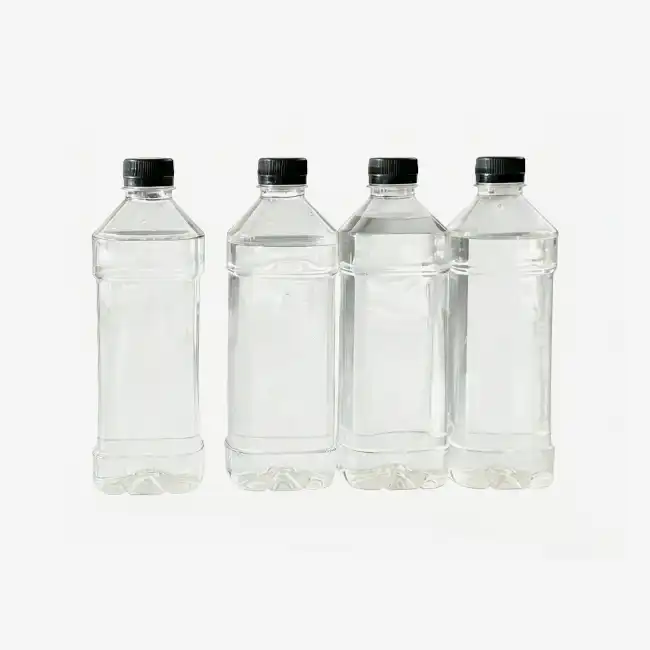
Application Methods and Usage Guidelines for Zhaoyi Chemical Potassium Acetate Deicing Liquid
To implement something effectively, you need to know the right way to use it, whether it will work with other tools, and how the environment can affect performance.
Pre-Storm Anti-Icing Strategies
The best effects come from proactive anti-icing, which stops ice from forming before it starts to rain. Maintenance crews are warned by weather tracking systems 24 to 48 hours before a storm, so they can plan their work for when the pavement is still above freezing. Spray tankers with boom systems spread acetate solutions widely on runways, bridge decks, or highway segments at rates of 40 to 60 gallons per lane mile, based on how heavy and how long the rain is expected to last.
Zhaoyi Chemical's mixture has a specific gravity of 1.25 to 1.30 at 20°C, which makes sure that the area is properly covered without too much runoff. The answer makes a thin barrier that protects and stays in place through the first snowfall. This means that less snow needs to be removed by machines, and plow blades don't have to damage the ground as much.
Direct Application During Active Weather
If there is ice buildup before treatment, straight application methods need to be changed. Higher application rates (60 to 100 gallons per lane mile) make up for layers of ice that are already there. The acetate solution gets under the ice to break up the sticking on the top. After the chemicals are applied, the ice sheets that have become loose can be easily lifted without damaging the ground or leaving behind bonded spots.
Temperature affects when a treatment should be done. The chemistry of acetate works at temperatures where chloride products stop working, so it can melt ice below -20°C. This wider working range is very important for airport runway safety, since planes can't fly when the friction factors are low in the winter.
Storage and Handling Protocols
The right way to store deicing solid potassium acetate keeps them in good shape and keeps the workplace safe. Zhaoyi Chemical ships deicing liquid potassium acetate in 1000L IBC tanks and flexitanks that are made for easy handling of large amounts of material and shipping containers. Storage areas should be dry, well-ventilated, and away from sources of heat and materials that don't go together.
The product can be kept for an infinite amount of time in cases that are compatible with it, such as stainless steel and high-density polyethylene containers. Standard chemical safety gear, like protective glasses, chemical-resistant gloves, and the right shoes, are needed when working with people, but the low-toxicity formulation doesn't pose as many risks as strong deicing chemicals.
Procurement Insights: Buying Zhaoyi Chemical Potassium Acetate Deicing Liquid for Commercial Use
Choosing the right acetate provider affects how well operations run, how well budgets are managed, and how well long-term infrastructure security works. There are a number of differences between quality producers and commodity chemical dealers.
Quality Assurance and Certifications
Shanxi Zhaoyi Chemical Co., Ltd. has been making acetate for more than 30 years and has a 27,000 m² production plant that can make 150,000 tons of acetate every year. The business has quality management systems that are approved to ISO 9001, ISO 14001, and ISO 45001 standards. This shows that they care about making sure their products are always the same, being good to the environment, and keeping their workers safe.
Specialized licenses, like KOSHER and HALAL approvals, make sure that production methods are safe for use in the food-grade and medicinal businesses. For example, the chloride content must be less than 0.01%, the sulfate content must be less than 0.05%, the arsenic content must be less than 0.0004%, and heavy metals must be within tight tolerance levels. Shipments come with full traceability paperwork that helps with regulatory compliance checks and quality verification needs.
Flexible Supply Chain Solutions
For global buying to work, logistics partners must be trusted. When demand is high in the winter, Zhaoyi Chemical works with foreign shipping networks to get the best freight rates and make sure that containers have space during those times. The company provides different trade terms, such as FOB, CIF, and DAP agreements, so it can meet the needs of all of its customers when it comes to managing shipping risk.
When planning inventory, yearly changes in demand are taken into account. Security stock keeps things ready to go so that orders can be filled quickly. Standard production wait times are 5–7 working days, and in-stock items can be delivered 24 hours a day. Custom packing layouts meet specific handling equipment needs, like huge IBC tanks for big city operations or flexitanks that make intermodal container shipping more efficient for buyers from other countries.
Technical Support and Partnership Approach
Zhaoyi Chemical does more than just sell products; they also offer full technical consulting services. Application engineering support helps customers find the best dilution rates, equipment configurations, and implementation methods for their environment and type of infrastructure. Sample testing programs let you check the success of a product before you buy a lot of it.
The company's technical team for deicing solid potassium acetate is ready 24 hours a day, seven days a week to answer questions about operations, fix problems with equipment, and suggest changes based on changing weather trends. This focus on partnerships sets makers who care about customer success apart from transactional commodity providers.
Case Studies: Successful Concrete Protection with Zhaoyi Chemical Potassium Acetate Deicing Liquid
Acetate technology has real-world applications that show how useful it is in a variety of working settings and infrastructure types.
Regional Airport Runway Management
After fifteen years of using salt-based deicing methods, a medium-sized regional airport that handles business passenger flow had to deal with concrete flaking on the main runways. Repairs that cost more than $200,000 a year put a strain on maintenance funds, and flight delays grew during winter weather events when broken pavement needed to be patched right away.
When Zhaoyi Chemical's potassium acetate method was switched to, things got better right away. Anti-icing treatments done before a storm kept safe friction coefficients throughout the winter, so most reactive snow removal wasn't needed. The rate of concrete degradation went down significantly, and during the first three years of review, there were 60% fewer new spalling cases, according to engineering reports. Within 18 months, the airport estimated a net positive ROI, even though the prices of the materials went up. This was mostly due to delayed pavement rehabilitation costs and fewer calls for emergency maintenance.
Interstate Bridge Infrastructure Protection
State transportation offices that are in charge of large bridge networks have to deal with rust problems that put the safety of the structures at risk and require expensive replacements of steel parts. One agency in the Midwest tested acetate-based FAST systems on twelve high-traffic highway bridge decks that had already been treated with rock salt.
Automatic spray tubes that were set off by sensors that sensed the temperature of the ground applied the right amount of acetate for the weather, so there was no waste from over-applying by hand. After three years of tracking, the preservation efforts were very successful: rust rates on bridge deck rebar dropped by 85%, pH levels in the concrete stayed in healthy ranges, and there was little scaling or cracking on the deck surface. Because of these strong results, the government decided to extend the scheme to forty more bridges.
Industrial Facility Pavement Durability
A factory that used big pieces of machinery on huge concrete yards needed winter solutions that would work with strict environmental rules in areas close to sensitive wetland areas. When calcium chloride was used in the past, it caused worries about how concentrated waste during spring melt could affect ecosystems.
Changing to biodegradable potassium acetate was better for the earth and made the sidewalk last longer. Over five winters, the building recorded 40% fewer fixes to concrete than usual compared to the past. Maintenance teams for equipment said that deicing products greatly reduced corrosion on the undercarriages of vehicles and mobile equipment, which saved money in addition to protecting the sidewalk.
Conclusion
To keep infrastructure safe during the winter, operations must find solutions that balance the need for immediate success with the need to protect assets in the long run. Potassium acetate deicing technology meets both needs with its non-corrosive chemistry that stops ice from forming without hurting the concrete, steel support, or the environment. Zhaoyi Chemical's recipe has been tested and shown to work in airport, bridge, and industry settings. It is backed by strict quality standards and a lot of technical knowledge gained from making acetate for 30 years. Deicing liquid potassium acetate based programs offer measurable operational gains and lifecycle cost benefits that make them a good choice for protecting vital infrastructure. This is what procurement professionals looking for reliable, long-lasting winter maintenance strategies will find.
FAQ
Is potassium acetate safe for all concrete types?
The compound potassium acetate works well with almost all types of concrete, such as regular Portland cement, air-entrained mixes, and unique high-strength types. The pH-balanced chemistry (7.5–9.2) keeps cementitious materials from being damaged by acids, and the non-chloride formulation stops alkali-aggregate reactions that weaken structures. Corrosion rates to concrete surfaces are confirmed to be less than 0.01 mm/year, which is very small compared to chloride-based goods.
What storage conditions maintain product stability?
Deicing liquid potassium acetate should be kept in warehouses that are dry, well-ventilated, and out of the way of heat and wetness. Stainless steel and high-density polyethylene are two types of containers that can be used. Carbon steel and metal containers should not be used. The product has an infinite shelf life as long as it is stored properly. It doesn't separate, precipitate, or break down. Extreme temperatures don't change the safety of chemicals, but temperatures between 10°C and 30°C are best for handling viscosity.
How does performance compare at extremely low temperatures?
Zhaoyi Chemical's recipe works at temperatures as low as -60°C, which is much lower than the normal working temperature range of chloride salts, which is usually between -10°C and -15°C. Deicing rates are higher than 80% in just one hour at -20°C. Extreme temperatures don't change the solution's ability to stay flowing and sprayable. This makes sure that equipment works reliably when the weather is worst and working needs are greatest.
Partner with a Trusted Deicing Liquid Potassium Acetate Manufacturer
To protect your concrete infrastructure, you need to do more than just buy deicing chemicals. You need to work with a company that cares about the success of your business. The people at Zhaoyi Chemical have been making acetate for 30 years and have ISO-certified quality systems and quick, helpful technical support that is suited to your needs. As a deicing liquid potassium acetate provider, we can offer a range of flexible bulk purchasing options, custom package layouts, and dependable foreign services that guarantee on-time delivery when winter weather calls for it. You can email our team at sxzy@sxzhaoyi.com to talk about how to protect your infrastructure, get samples of our products to make sure they work, or get personalized prices for your upcoming winter maintenance programs. Find out why major airports, transportation agencies, and business owners trust Zhaoyi Chemical's deicing options that are safe for concrete.
References
Transportation Research Board. "Guidelines for the Selection of Snow and Ice Control Materials to Mitigate Environmental Impacts." National Cooperative Highway Research Program Report 577, Washington, DC, 2007.
American Concrete Institute. "Guide to Deicer Scaling Resistance of Concrete." ACI 201.2R-16, Farmington Hills, Michigan, 2016.
Airport Cooperative Research Program. "Aircraft and Airfield Deicing Fluid Management." ACRP Report 14, Transportation Research Board, Washington, DC, 2008.
Federal Highway Administration. "Corrosion Costs and Prevention Strategies in the United States: Appendix D - Highway Bridges." Publication FHWA-RD-01-156, U.S. Department of Transportation, McLean, Virginia, 2002.
Environmental Protection Agency. "Technical Development Document for the Final Effluent Limitations Guidelines and New Source Performance Standards for the Airport Deicing Category." EPA-821-R-12-005, Washington, DC, 2012.
Shi, Xianming, et al. "Sustainable Winter Road Operations: Project Review and Recommendations." Montana Department of Transportation Research Report FHWA/MT-12-002/8208, Helena, Montana, 2012.

USER EVALUATE
Here is the customer's evaluation of us