



Deicing Solid Potassium Acetate: Ideal for Bridges and Overpasses
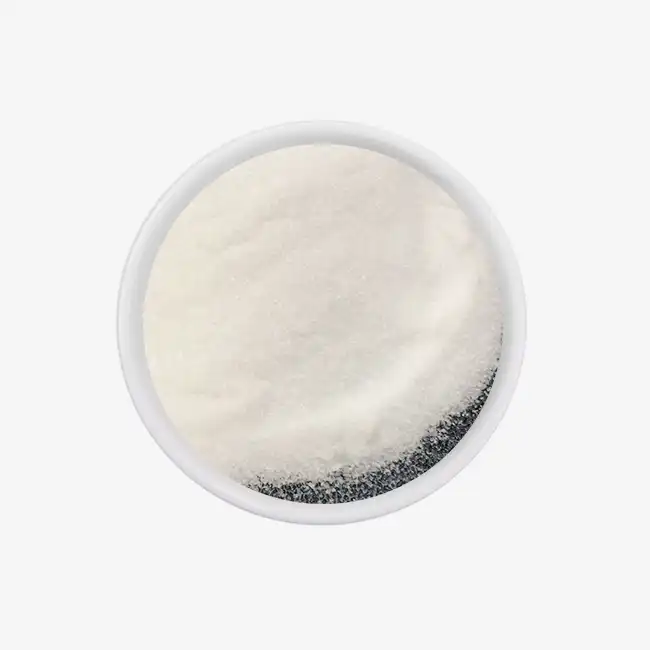
When winter storms put important assets at risk, picking the right deicing option is a matter of safety, caring for the environment, and managing long-term costs. For bridges and overpasses, where standard salt-based products can damage the structure, deicing solid potassium acetate offers a revolutionary method of winter road maintenance. This white, crystalline substance (CH3COOK) melts very well at temperatures as low as -30°C and protects steel supports, concrete surfaces, and ecosystems nearby from the harmful effects of acidic chloride deicers. Potassium acetate is becoming more and more popular among city officials, highway builders, and infrastructure managers as the smart choice for protecting public safety and extending the life of assets.

Understanding Solid Potassium Acetate Deicing
The Chemistry Behind Effective Ice Management
The way that potassium acetate (CAS No. 127-08-2) works is very different from the way that rock salt works. When the substance is put on frozen surfaces, it quickly dissolves in water, making an alkaline brine that breaks the molecular ties between the sidewalk and ice. This exothermic dissolution process makes heat when it comes into touch with ice, which speeds up the melting of layers of ice even when it's very cold outside. Since the molecular weight is 98.14 g/mol, it can easily get through packed snow and to the ground, where ice bonds are strongest.
When compared to sodium chloride, which only lowers the freezing point through ionic interference, potassium acetate stays useful at much lower temperatures. This is because both the top and bottom of bridge decks and overpasses lose heat, which makes them freeze faster than roads that are at ground level. In these important places, traditional deicing products often fail, but potassium acetate's better temperature performance makes sure that ice is removed reliably when it counts most.
Storage and Handling Advantages
The dense crystalline form is useful at every step of the supply chain. Our goods are packed in 25 kg knitted plastic bags that are easy to move by hand or 1000 kg ton bags that can be moved by machine. The material stays loose as long as it is stored properly in dry, well-ventilated buildings that are kept away from heat and water. To keep this hygroscopic compound from caking, the humidity must be kept below 65%. This can be easily done in normal industrial storage settings. The shelf life is twelve months if the package isn't opened, which gives you options for buying during different times of the year.
Comparison of Solid Potassium Acetate With Other Deicing Chemicals
Performance Metrics That Matter for Infrastructure
Calcium chloride and sodium chloride have been used by highway repair teams for a long time because they are cheap to buy. However, the total costs over their whole life tell a different story. Sodium chloride doesn't work below -9°C and eats away at steel reinforcing bars in concrete buildings very quickly. Calcium chloride works at lower temperatures, but it speeds up the scaling of concrete and leaves behind oily leftovers that make it dangerous to walk on.
Deicing solid potassium acetate does better than these older choices in a number of important ways. The rate of rust on structural steel is still very low compared to chloride products, which can shorten the useful life of a bridge by decades. Environmental effect studies show that biodegradation happens quickly in soil and water systems. This is different from persistent chlorides, which build up in groundwater and hurt plants next to roads. The alkaline pH range of 9–11 helps to neutralize acidic conditions on concrete surfaces so they don't break down faster.
Solid Versus Liquid Formulations
Potassium acetate, both solid and liquid, is used for different things. Anti-icing pre-treatment can be done with liquid products, which create a chemical shield before precipitation starts. When snow and ice need to be removed right away, our solid powdered product works great for active deicing. The solid form sticks to treated surfaces better and puts concentrated product right where it's needed, without drifting or overspraying. With similar granule size, it's easier to calibrate distribution equipment, and the coverage is the same on all bridge decks and approach ramps.
When buying something, you should think about how often you'll be using it, what tools is available, and how much space you need. Agencies that are in charge of large bridge networks often keep both types of materials on hand and use each one based on real-time conditions and weather forecasts. The solid product stays stable for longer on shelves and is easier to store, which makes it perfect for decentralized repair yards that serve country highway routes.
Procurement Considerations for Solid Potassium Acetate Deicers
Evaluating Supplier Credentials
To find a trustworthy acetate manufacturer, you need to look at their production ability, quality certifications, and expert help. Zhaoyi Chemical has ISO 9001, ISO 14001, and ISO 45001 approvals, which show that they are dedicated to quality control, protecting the environment, and meeting health and safety standards at work. Our 35 years of producing experience since 1988 have given us a deep understanding of acetate chemistry, which is shown by the fact that our products are always more than 99% pure.
With an annual production capacity of 150,000 tons, we can easily meet large requests during the busiest winter months. This advantage of size means that they can provide security for big building projects that need hundreds of tons over the course of several years. Traceability systems keep track of every batch of production, from the raw materials to the finished packaging. This gives strict public procurement audit standards with proof that everything was done correctly.
Customizing Orders to Project Requirements
When deicing a bridge, different situations call for different packaging and transport plans. For airport runway uses, food-grade materials that are certified as Kosher and Halal may be needed to make sure they work with the strict environmental rules that are in place near the passenger stations. Highway departments like ton bags because they can be quickly loaded into spreading trucks. On the other hand, smaller bags are better for hand-delivering in tight places and are used in city parking structures.
Strategic buyers plan when to receive deicing solid potassium acetate based on seasonal storage limits. We have agreements with foreign logistics companies that let us make schedules that fit the coming of goods with the supply of warehouse space and expected weather trends. During deicing season, spot supply is still available, but large orders are better planned fifteen days in advance, which makes it easier to schedule production and combine freight.
Safe and Effective Application Methods for Bridges and Overpasses
Best Practices for Distribution
To get the best results, spreading equipment needs to be properly calibrated, and time needs to be carefully planned based on how the storm is moving. Rates of application are usually between 50 and 100 grams per square meter, but they depend on how thick the ice is, how hot the sidewalk is, and how much traffic there is. Before being spread out, dry granules are mixed with small amounts of liquid brine. This speeds up the initial dissolving process and makes it easier for the grains to stick to vertical surfaces.
Spreader trucks should always be going between 25 and 40 km/h to make sure that the spread is even and there are no breaks or too much overlap. The spread width is controlled by the settings on a spinner disc. Narrower patterns work best for structures that are higher up, where gusts of wind could blow material off the ends of the bridge. Multiple light doses work better than a single heavy treatment because they let each layer break through the ice ties before adding the next layer.
Environmental and Personnel Safety
Water ecosystems near bridge abutments and drainage culverts are kept safe by runoff control. Potassium acetate breaks down quickly, but concentrated brine that enters streams during the first melt-off can temporarily raise BOD levels. Some of the best ways to handle first flush runoff are to store it in retention ponds or treat it with activated carbon filters before letting it flow into sensitive waterways. Because acetate is not poisonous, it does not pose the risk of killing fish like chloride does. This makes it a good choice for bridges over protected rivers and salmon breeding grounds.
Maintenance workers who handle deicing solid potassium acetate should wear basic safety gear like gloves and eye protection. However, the alkaline substance doesn't pose as much of a risk of irritation as caustic chloride mixes. The dust-free granular form makes filling activities safer for the lungs. Controlling wetness during storage is an important part of proper training because it keeps the material from clumping, which can clog spreader devices and make the distribution patterns uneven.
Why Solid Potassium Acetate Is the Preferred Deicer for Critical Infrastructure?
Lifecycle Cost Advantages
Total cost of ownership research is being used more and more by infrastructure asset managers instead of just looking at the purchase prices of materials. The initial cost of potassium acetate is higher than that of rock salt, but the overall cost changes a lot when you consider rust damage, concrete fixes, and a shorter structure's life span. Bridge repairs that cost millions of dollars are mostly needed because chloride breaks down materials, but potassium acetate stops this.
Studies by transportation departments show that moving from sodium chloride-based deicers to acetate-based ones on bridges cuts upkeep costs by 30–40% over ten years. Replacement of steel support bars, concrete deck overlays, and joint seal fixes all cost a lot less. Over the usual 75-year design life of modern bridges, these saves add up to a net positive return that makes the initial investment in high-quality deicing materials worth it.
Regulatory Compliance and Sustainability Goals
Environmental laws are making it harder for chloride to enter watersheds, and some states have put in place Total Maximum Daily Load rules that make it harder to use standard deicing methods. Potassium acetate helps organizations follow these rules while keeping safety standards high. According to OECD standards, the compound breaks down easily. This means that it meets the requirements of green buying policies used by cities that want to get LEED certification for infrastructure projects.
Carbon footprint tracking will likely be used throughout the whole deicing supply chain in the future. Our production methods use less energy and recycle leftover heat, which lowers the amount of greenhouse gases released per ton of product. Transportation logistics optimization through regional delivery centers reduces the damage that winter repair operations do to the environment even more. More and more, organizations that put out sustainability reports point to the use of acetate as proof of environmental leadership and planning for climate resilience.
Conclusion
Deicing bridges and overpasses is a specific problem that needs unique answers with deicing solid potassium acetate that balance the need for instant safety with long-term infrastructure protection. This balance is achieved by potassium acetate technology, which works well at low temperatures, doesn't cause rust, and is safe for the environment. When municipal governments and highway contractors switch from older chloride products to new ones, they get measured benefits like lower upkeep costs, longer structure service life, and compliance with regulations. The compound has been shown to work well in a wide range of weather conditions and building types, making it a solid base for planning winter activities. Strategic buying from experienced makers protects supplies and maintains quality standards that operations teams count on during the busy winter months.
FAQ
How does potassium acetate melting speed compare to calcium chloride?
When potassium acetate dissolves, it releases exothermic heat quickly, which is similar to calcium chloride in the first 15 to 20 minutes after application. The main difference is that potassium acetate stays able to break through ice at temperatures below -20°C, while calcium chloride starts to lose its usefulness at those temperatures. Because of this, acetate is especially useful during very cold spells when bridge boards need solid protection overnight.
Will potassium acetate damage concrete bridge decks or steel reinforcement?
A lot of tests using ASTM C672 guidelines show that potassium acetate doesn't scale concrete as much as sodium chloride does, which breaks down the surface very badly. The alkaline pH actually helps balance out the acidity that carbonation makes in old concrete. Testing for corrosion on steel support bars shows very low attack rates, which protects the structure's stability that chloride-based deicers weaken over time. Because it doesn't corrode, acetate is the best material for making bridges last longer.
What environmental certifications should procurement teams verify?
Look for providers that have ISO 14001 environmental management approval, proof that their products are biodegradable according to OECD standards, and test results for aquatic toxicity. Products that meet the aerospace standards set by SAE AMS 1431 go through a thorough review of their environmental effect. Even though Kosher and Halal certifications are mostly about food safety, they show that strict quality controls were used during production to make sure chemicals are pure and consistent, which is important for environmental performance.
Partner With a Trusted Deicing Solid Potassium Acetate Manufacturer
Zhaoyi Chemical can help with your winter infrastructure repair projects because they have been making acetate for more than 30 years. Our deicing solid potassium acetate meets the requirements of SAE AMS 1431 and provides the environmental performance and rust protection that important infrastructure needs. With the ability to produce 150,000 tons per year and certifications such as ISO 9001, Kosher, and Halal, we are a trusted source of potassium acetate for North American city governments, highway builders, and building managers. Get in touch with our expert team at sxzy@sxzhaoyi.com to talk about your unique deicing needs for the bridge. Our custom packaging options, low bulk prices, and flexible shipping plans that work with your yearly needs make us the best choice for you.
References
Transportation Research Board, "Sustainable Winter Road Operations and Maintenance: Environmental and Corrosion Mitigation Strategies," National Academies Press, 2023.
American Society for Testing and Materials, "ASTM C672 Standard Test Method for Scaling Resistance of Concrete Surfaces Exposed to Deicing Chemicals," Annual Book of ASTM Standards, 2022.
Society of Automotive Engineers, "SAE AMS 1431: Deicing/Anti-Icing Fluid, Potassium Acetate, Solid," Aerospace Material Specification, 2021.
Federal Highway Administration, "Corrosion Costs and Preventive Strategies in the United States: Bridge Infrastructure," Department of Transportation Report FHWA-RD-20-078, 2020.
Environmental Protection Agency, "Sodium and Chloride in Streams and Groundwater: Impacts of Winter Road Deicing Salt Application," EPA Technical Report Series 845-R-19-003, 2019.
Shi X., Akin M., Pan T., Fay L., Liu Y., Yang Z., "Deicer Impacts on Pavement Materials: Introduction and Recent Developments," The Open Civil Engineering Journal, Volume 3, 2009.

USER EVALUATE
Here is the customer's evaluation of us