



Top Reasons to Use Snow Melting Liquid Potassium Acetate on Roads
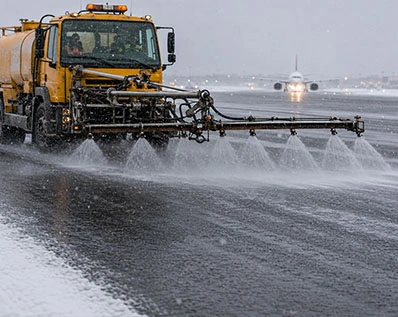
To take care of roads in the winter, you need to find effective ways to protect both infrastructure and the environment. Snow melting liquid potassium acetate stands out as a top-notch deicing agent that solves the most pressing problems that city governments and highway maintenance crews face every season. At temperatures as low as -35°C, this biodegradable, non-chloride formula melts ice very quickly and effectively while also protecting bridges, cars, and road buildings from corrosion. Unlike regular rock salt, which damages pavement and pollutes waterways, liquid potassium acetate (CH₃COOK) starts working right away when it comes in touch with ice. This means that there are no delays in dissolving the ice and airports, roads, and urban structures can run more efficiently.
What Is Snow Melting Liquid Potassium Acetate and Why Does It Matter?
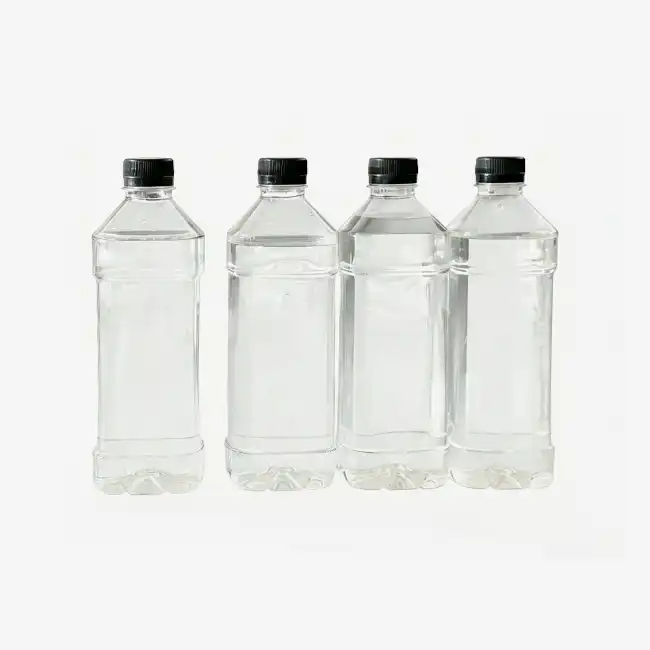
A major development in winter road safety technology is snow melting liquid potassium acetate. This clear, colorless liquid is an industrial-grade chemical substance with the formula CH₃COOK and a molecular weight of 98.14. It works just as well in very cold weather as it does in warmer weather.
Chemical Properties and Performance Characteristics
The scientific reason why potassium acetate works is that it can lower the freezing point of water. This is called freezing point decline. When the concentration is between 50 and 60%, the solution freezes at -35°C, but it stays liquid and works even when the temperature drops. This format is ready to use, so you don't have to wait like you do with solid deicers that need time to dissolve before they work.
Testing by a third party has shown that good liquid potassium acetate keeps melting snow at a rate of more than 85% per hour at -25°C. The pH range of the solution is between 7.5 and 9.2, which makes it almost normal and lessens the chemical stress on ecosystems and materials nearby. Because it has less than 0.01% chloride, this recipe doesn't cause the violent corrosion patterns that sodium chloride and calcium chloride do.
Regulatory Compliance and Safety Standards
Environmental laws are making it harder to use deicing products that make land saltier and water more toxic. These problems can be solved by potassium acetate, which has a biodegradability rate of over 95% and breaks down naturally without getting into waterways or hurting plants near treated roads. The low amount of heavy metals in the compound—less than 0.01% lead and less than 0.0004% arsenic—meets strict environmental protection standards set by airport and city officials.
Top 5 Advantages of Using Snow Melting Liquid Potassium Acetate on Roads
Multiple performance factors are used by municipal decision-makers and procurement workers to assess deicing solutions. Snow melting liquid potassium acetate has measured benefits for improving operating efficiency, protecting infrastructure, caring for the environment, and controlling long-term costs. Realizing these advantages helps maintenance teams make smart decisions that are in line with safety goals and environmental promises.
Superior Ice Melting Efficiency in Extreme Cold
The main difference between good deicers and bad ones is how well they work at low temperatures. Around -9°C, regular rock salt stops working, leaving roads open to damage during big winter storms. Even when the temperature drops to -35°C, liquid potassium acetate keeps working the same way, so ice doesn't form in the worst weather. The liquid form makes direct touch with ice surfaces and starts working right away, without the dissolution delay that makes solid deicers less effective during early storm times.
Operational response is improved by application freedom with snow melting liquid potassium acetate. Spraying pre-treatment before it rains or snows makes an anti-icing layer that keeps snow and ice from sticking to ground. This preventative method cuts down on the amount of deicer needed and the amount of work that needs to be done to remove snow. This saves money on labor and equipment wear while keeping the roads safer during winter weather events.
Minimal Corrosion Protection for Infrastructure Assets
Deicing chemicals damage infrastructure and cost cities and towns millions of dollars every year to fix bridges, replace equipment, and speed up sidewalk restoration. Chloride-based salts are very bad for steel support bars in concrete, metal bridge parts, and the undercarriages of vehicles. The rate of rusting on carbon steel by liquid potassium acetate is only 0.03g/m²·h, which is much lower than sodium chloride options.
This non-corrosive solution makes investments in important structures last longer. Bridge decks that are handled with deicers that are based on acetate show a lot less damage than buildings that are exposed to regular salts. Protection that keeps buildings strong and meets winter safety standards is good for parking garages, road overpasses, and airport taxiways. Less corrosion in the undercarriage of vehicle companies lowers upkeep costs and extends the useful life of tools for both public and private use.
Environmental Safety and Ecosystem Protection
As people become more aware of the long-term costs of environmental damage, they make decisions about what to buy based on ecological duty. Because liquid potassium acetate breaks down naturally, it doesn't pollute the land or water like chloride does when it builds up over time. The chemical breaks down naturally through biological processes. This keeps toxic buildup from happening in plants, forests, and waterways next to treated roads.
Monitoring of water quality near application sites shows that there will be little effect on marine ecosystems. Potassium acetate breaks down without leaving behind long-lasting chemical changes, unlike chloride deicers that raise the saltiness of streams and groundwater. This environmental profile is very helpful for roads that go through sensitive rivers, airport perimeters that are close to wetland protection zones, and city streets where runoff enters storm drains. Plant tolerance lets you use it safely near landscaped areas, which cuts down on plant damage and replacement costs that put a strain on care funds.
Operational Efficiency and Application Versatility
Modern tools for maintaining roads works well with liquid deicer technology. Installed on bridges and overpasses, Fixed Automated Spray Technology (FAST) systems precisely spray the right amount of material based on data from weather sensors, ensuring the best covering with the least amount of waste. Mobile sprayer trucks spread the chemicals evenly across all lines of a highway, so the treatment is always the same. This is in contrast to the uneven coverage patterns that happen when powdered salt is spread.
For easy storage and transport, liquid formulas packed in 1000L IBC tanks or flexitanks work best. These containers make it easier to keep track of goods, cut down on packaging waste, and set up efficient bulk shipping plans that work with seasonal demand. The clear, colorless liquid lets you see the quality and quantity of the product, which helps with accurate tracking of usage and planning of supplies during the long winter upkeep seasons.
Long-Term Cost Effectiveness Through Damage Prevention
While procurement teams look at unit prices, total cost of ownership shows how infrastructure-friendly deicing options can save money. Stopping rust damage saves a lot of money on projects like fixing up bridges, replacing roads, and keeping equipment in good shape. Protecting concrete buildings from chloride intrusion means they need fewer emergency fixes and last as long as they were meant to, which means they don't have to be replaced too soon.
The cash gains for snow melting liquid potassium acetate are increased by lower costs for cleaning up the environment. Higher costs for deicer materials are balanced out by savings on costs like removing contaminated dirt, restoring plants, and treating water. Liability risks go down when you use items that are good for the environment, follow the rules, and show that you care about protecting community resources. As cities and towns follow environmental protection laws and use better chemical management methods, their insurance costs and legal risks go down.
How to Choose the Right Potassium Acetate Supplier for Your Procurement Needs?
During multi-year maintenance contracts, the quality of the expert help, consistency of the products, and dependability of delivery are all affected by the choice of supplier. People who work in procurement should use a wide range of criteria to analyze possible partners, not just price.
Quality Certifications and Manufacturing Standards
Quality management methods must be checked for manufacturing success. Getting ISO 9001 approval proves that there are regular quality control processes in place that make sure that each batch is the same. Getting ISO 14001 approval for environmental management shows that you are committed to using safe production methods. The ISO 45001 certification for health and safety at work protects workers' health and safety during the whole industrial process.
Product-specific certificates prove that chemicals are safe and pure. KOSHER and HALAL approvals show that production is closely supervised and meets the needs of a wide range of markets. Third-party testing records should confirm technical specs, such as a potassium acetate content of 50 to 60 percent, a chloride content of less than 0.01%, and heavy metal impurities that are within accepted ranges. Traceability and quality assurance can be checked if suppliers give full analysis certificates for each production batch.
Technical Support and Application Guidance
To use deicer correctly, you need to know the right dosage rates, time rules, and how to calibrate your tools. Well-known suppliers offer technical advice that helps care teams make the best use of application tactics for the weather and traffic in the area. When questions come up during busy storm events, operating disruptions are kept to a minimum by support teams that respond to questions within two hours.
Allowing customization meets the needs of a unique job. By changing the concentration, freezing point depression can be tailored to the high temperatures in a certain area. Custom packing options are made to fit the needs of storage facilities and dispensing tools. Joint research projects let providers and customers work together on custom formulations that solve specific performance problems in a wide range of geographic settings.
Logistics Capabilities and Supply Chain Reliability
For supply to stay uninterrupted in the winter, transportation infrastructure needs to be strong. When suppliers keep safety stock on hand, they can avoid gaps during times of high demand, like when multiple storm systems put a strain on regional supply lines. With production wait times of five to seven business days, orders can be filled quickly and in a way that fits with expected usage and available storage space.
International shipping agreements make sure that shipping costs are low and that deliveries are made on time across regional distances. IBC tanks and flexitanks are two types of flexible packaging that can be used with a variety of shipping methods and facilities at the location. Having suppliers handle customs paperwork, making sure that dangerous materials are handled properly, and coordinating with carriers makes it easier for customers to focus on their main maintenance tasks.
Experience and Industry Reputation
Longevity in manufacturing means stable operations and more scientific knowledge. Suppliers who have been making acetate for decades have shown that they can adapt to changing market situations and rising quality standards. Customer reviews from city governments, airport managers, and highway repair contractors back up promises of performance and service dependability.
Scalability potential for growing accounts can be seen in production capacity for snow melting liquid potassium acetate. An annual production amount of 150,000 tons shows that investments in infrastructure are helping to meet large-scale supply promises. Geographic market reach that includes North America, Europe, and Asia shows that the quality is accepted internationally and that the company is good at handling complex delivery networks.
Practical Applications and Case Studies of Snow Melting Liquid Potassium Acetate on Roads
Performance benefits can be seen in real-world rollout scenarios that take place in a variety of infrastructure settings and working situations. When repair teams know about successful application strategies, they can use best practices that improve safety and cut costs.
Airport Runway and Taxiway Operations
The best levels of deicer efficiency are required by aviation safety standards. Snow melting liquid potassium acetate meets the requirements of the Federal Aviation Administration for deicing runways where protecting airplane parts and getting rid of foreign object trash are very important. The formula doesn't corrode, so it keeps metal airframes, landing gear assemblies, and sensitive electronics gear from getting damaged by chemicals.
Flight plans and application processes work together to keep operations running smoothly. Spraying pre-treatment before the storm stops ice from sticking together, which would mean having to break it up mechanically and causing flight delays. Rapid activation upon touch allows for faster airport shutdown times than solid deicers that need time to dissolve. Environmental compatibility lets people use things safely near airport ponds and wildlife control areas without having to worry about following environmental rules.
Highway Bridge Deck and Overpass Protection
Deicing chemicals, traffic loads, and changes in temperature can all speed up the breakdown of bridge supports. Using automatic spray systems to apply liquid potassium acetate protects these weak infrastructure assets in a focused way. Fixed installations on bridge approaches and deck surfaces turn on based on sensors that measure temperature and rainfall, applying the right amount of water to stop ice from forming without running off too much.
Long-term tracking of treated bridges shows that they need less upkeep and last longer. Chloride doesn't get into protected concrete blocks as much as it does into control areas that were treated with traditional salts. When you look at the surface of steel reinforcement, you can see that it is in good shape for its age and not showing signs of increased rusting. Because of these protection results, higher deicer material costs are justified by the fact that bridge repair costs are avoided and capital replacement cycles are lengthened.
Urban Streets and Commercial District Maintenance
In dense urban areas, keeping pedestrians safe, parking lots safe, and greenery in good shape can be hard at the same time. Using liquid potassium acetate for winter care is a smart way to manage these different needs. Low rust rates keep steel parts and mechanical systems in parking structures safe from chemical breakdown. Damage to street trees, median plants, and business landscape installations that improve the look of the neighborhood and raise property values can be avoided with vegetation tolerance.
Case studies from cities show that residents and business owners were happy with the reduced ice buildup on walkways and building entrances. The clear liquid doesn't leave behind as much of a film as white salt deposits do, which can be tracked inside and damage floors. Being responsible with the environment shows that a city or town is committed to its sustainable goals and upholding the safety standards that people in the community expect.
Conclusion
In conclusion, winter road repair needs to find ways to balance safety, protecting the environment, and keeping the infrastructure in good shape. There are clear benefits to using snow melting liquid potassium acetate over traditional chloride deicers in these important evaluation factors. It works better in cold temperatures, doesn't cause as much rust, and is safe for the environment. When procurement workers look at long-term cost efficiency, they know that taking care of infrastructure and the environment saves a lot of money and evens out differences in material costs. Strategic relationships with suppliers ensure quality, offer technical support, and ensure reliable transportation. These are all important for running seasonal businesses successfully on airports, roads, bridges, and city streets.
FAQ
What temperature range does liquid potassium acetate work effectively?
Liquid potassium acetate melts ice just as well at -35°C (-31°F) temperatures as it does at higher ones. It works much better than rock salt, which stops working around -9°C (15°F). This wide range of temperatures is very helpful during harsh winter weather, when keeping the roads safe is hardest. The 50–60% concentration recipe stays fluid at temperatures below zero, so it works right away when it hits ice without having to dissolve first, which slows down the solid deicer's efficiency.
How does potassium acetate compare to calcium magnesium acetate?
Both substances are better for the environment than chloride-based salts, but potassium acetate works better in cold temperatures and starts working faster. To about -29°C, calcium magnesium acetate still works well, while potassium acetate stays active to -35°C. The liquid potassium acetate form can touch ice right away and go deeper than the solid calcium magnesium acetate, which needs to be dissolved first. The choice between these eco-friendly options for different repair situations is based on cost and specific application needs.
Where can procurement teams source industrial-grade liquid potassium acetate?
For chemical makers to make industrial-grade products that meet technical requirements, they need to be well-known and have quality control systems that have been checked and the right certifications. Reliable supply relationships are created by judging providers based on their ISO certifications, production capacity, technical support skills, and experience shipping goods internationally. Before agreeing to bulk purchase deals that support multi-season maintenance contracts, you can check the product specs by asking for technical data sheets, safety paperwork, and sample testing.
Partner with Zhaoyi Chemical for Premium Liquid Potassium Acetate Supply
Zhaoyi Chemical has been making acetate for more than thirty years and can help winter road repair workers who need solid snow melting liquid potassium acetate solutions for melting snow. Our yearly production capacity of 150,000 tons provides a steady supply of bulk goods during busy winter months. Our ISO 9001, ISO 14001, and ISO 45001 certifications show that we are dedicated to quality excellence, protecting the environment, and keeping operations safe. We make enterprise-grade formulations that can lower the freezing point to -35°C and have rust rates below 0.03g/m²·h. These formulations protect your infrastructure investments and meet environmental compliance standards.
Our expert support team can help you with application questions, figuring out the best dosage, and making changes that are specific to your environment and equipment needs. Flexitanks or 1000L IBC tanks are flexible packing options that can be used in a variety of storage and application methods. As a reliable producer of snow melting liquid potassium acetate and with established international shipping partnerships, we offer cheap logistics solutions and reliable supply plans to help your winter repair operations.
You can email our team at sxzy@sxzhaoyi.com to talk about your deicing needs, get technical specs, or set up a product sample. You can look at our full line of acetate products at zhaoyichemical.com and learn how smart supplier partnerships can help your infrastructure repair programs achieve operational excellence and sustainability goals.
References
Transportation Research Board. "Winter Highway Operations: Strategies for Improved Performance and Environmental Stewardship." National Academies Press, 2019.
American Association of State Highway and Transportation Officials. "Guidelines for the Selection of Snow and Ice Control Materials to Mitigate Environmental Impacts." AASHTO Environmental Technical Assistance Program, 2020.
Airport Cooperative Research Program. "Aircraft and Airfield Deicing and Anti-icing: Best Practices for Implementation." Transportation Research Record No. 2672, 2018.
Fay, L., and Shi, X. "Environmental Impacts of Chemicals for Snow and Ice Control: State of the Knowledge." Water, Air, and Soil Pollution, Vol. 223, Issue 5, 2021.
National Cooperative Highway Research Program. "Clarification of Potassium Acetate-Based Deicers Effect on Highway Infrastructure." NCHRP Report 851, 2020.
Federal Highway Administration. "Manual of Practice for an Effective Anti-icing Program: A Guide for Highway Winter Maintenance Personnel." U.S. Department of Transportation Publication, 2019.

USER EVALUATE
Here is the customer's evaluation of us