



Bulk Potassium Acetate: The Key to Keeping Roads Safe in Winter
For winter road safety, we need measures that are both useful and good for the environment. Deicing solid potassium acetate has become a better option than chloride-based salts because it melts ice better and safer down to -30°C while saving forests and infrastructure. This high-tech chemical compound (CH3COOK) works quickly through an exothermic dissolution process. This makes it the best choice for cities, highway contractors, and airport managers who want to keep travel surfaces safe during harsh winter conditions without affecting the long-term structural integrity or environmental compliance.
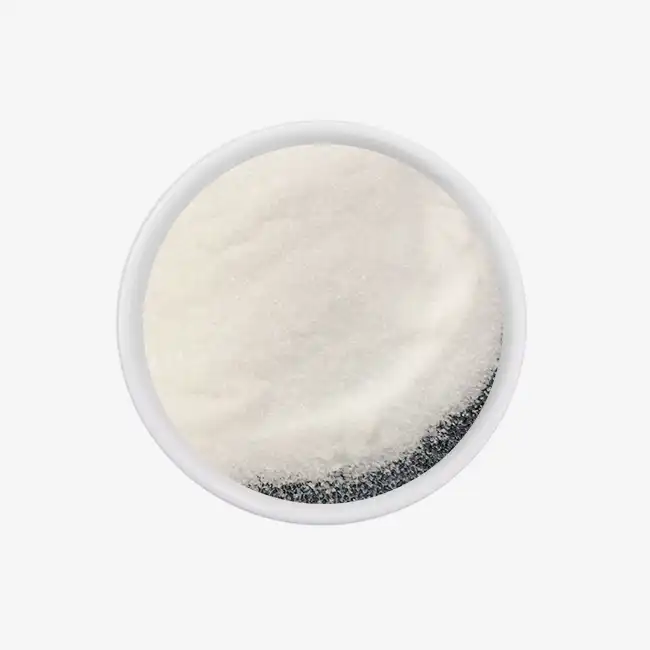
Understanding Solid Potassium Acetate Deicing
Chemical Composition and Mechanism
Solid potassium acetate is a strong deicing product made up of mainly potassium ions and acetate ions. These ions lower the freezing point of water and stop it from turning into ice. The chemical formula for this white crystalline substance is CH3COOK, and its CAS number is 127-08-2. It dissolves very easily in water, acid, and alcohol, which lets it quickly get through layers of ice. Unlike chloride salts, which mostly break up ice through mechanical means, potassium acetate breaks up the ice's molecule structure chemically, which makes it melt faster even at low temperatures.
The fact that potassium acetate dissolves exothermically is also helpful because when the crystals come in touch with water, they give off heat energy that speeds up the melting process. This trait is especially useful when there is a lot of snow, because the road surface needs to be cleared quickly to keep traffic moving and avoid crashes.
Temperature Performance Range
The best performance happens within a certain temperature range, and it stays useful down to about -30°C (-22°F). This operating window is a lot wider than the usual rock salt limits, which stop working around -9°C (15°F). Because it can be used at a wider range of temperatures, potassium acetate can be used on asphalt, concrete, and even sensitive airport grounds where stability is a must.
Environmental and Safety Advantages
Potassium acetate is better for the environment than other acids because it doesn't rust and isn't as harmful, which makes it safer for both structures and wildlife. Because acetate molecules are soluble, they break down on their own and don't build up in dirt or water. Runoff that is high in potassium acetate doesn't pose much of a threat to marine life, but runoff that is high in chloride can destroy freshwater ecosystems and pollute drinking water sources.
Workers and end users are safe when they follow the right handling and application standards. The substance needs to be kept in dry, well-ventilated buildings that are away from heat and moisture. It also needs to be carefully transported so that the packages don't get damaged. If you follow the rules for handling potassium acetate, it doesn't pose many problems at work. However, you should still wear standard safety gear when moving large amounts of it.
Comparing Solid Potassium Acetate with Other Common Deicing Agents
Performance Against Chloride-Based Products
Compared to calcium chloride and sodium chloride, solid potassium acetate works much better at low temperatures and is much less likely to damage metals and concrete structures. It has been shown over and over again by transportation departments across North America that acetate-based deicers are better than rock salt at protecting steel support bars in concrete bridges from rust. Over the course of several decades, this difference means that infrastructure will last longer and cost less to maintain.
Calcium chloride works better at lower temperatures than rock salt, but it speeds up the rusting and breaking down of metals and concrete. Solid potassium acetate, on the other hand, provides effective deicing without this corrosive damage. Sodium chloride also causes rusting problems and stops working at temperatures where potassium acetate still does its job well. The difference in rust becomes even more important at airports, where deicing products are used over and over on landing gear parts, aluminium metal structures, and carbon brake systems.
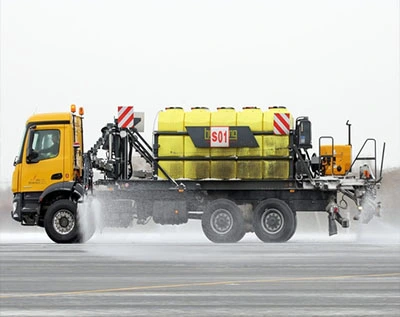
Solid Versus Liquid Formulations
Solid potassium acetate is easier to store and use precisely for winter care than its liquid cousin. Liquid formulations need special holding tanks with temperature control and pumping systems, which makes transportation more difficult. Solid acetate comes in 25 kg plastic weave bags or 1000 kg ton-bags, which make storage easy and don't need temperature-sensitive equipment.
Spreading tools made for solid materials gives more even coverage than liquid spray systems, which makes it easier to get the job done precisely when using granular goods. Maintenance teams like that they can use solid acetate to focus on specific problem areas without having to worry about overspray. This cuts down on waste and exposure to the environment.
Alternative Deicer Comparison
This study looks at alternatives such as magnesium chloride, urea, and potassium formate. It shows that potassium acetate often does a better job of balancing performance and environmental rules than these other options. While magnesium chloride isn't as good at stopping rust as rock salt, it still hurts concrete and plants when used at the rates needed for effective deicing. When temperatures drop below -7°C, urea doesn't work and adds too much nitrogen to ecosystems nearby, which causes algae blooms in nearby bodies of water.
While potassium formate and potassium acetate are both good at working at low temperatures and in similar environments, potassium formate usually costs more without really being better at what it does. When you buy in bulk, you usually get a better deal because the processes for making potassium acetate are more advanced and the supply lines are already set up.
A thorough cost-benefit analysis helps buying managers weigh practical trade-offs and choose the best deicer for their needs. Costs of materials, application rates, equipment suitability, labour needs, protecting infrastructure, environmental compliance, and responsibility must all be taken into account in this evaluation. Potassium acetate is often the best option, even though it costs more per tonne than regular rock salt, when buying teams do thorough total cost of ownership analyses.
Best Practices for Using Bulk Solid Potassium Acetate in Winter Road Maintenance
Application Rates and Equipment Selection
To get the most out of bulk solid potassium acetate, you need to follow best practices for application, such as using the right tools and spreading it at the right rate. Rates of application are usually between 40 and 80 grams per square metre, but they vary on the thickness of the ice, the temperature of the ground and the weather. Anti-icing applications made before it rains need lower rates than deicing applications made after ice layers have formed.
Standard grainy spreaders that are used for rock salt also work well with potassium acetate, but they need to be calibrated to make sure they deliver the right amount of product because the two have different densities. Modern variable-rate controls let workers change the strength of an application based on real-time conditions. This makes the best use of a product across route parts with different levels of exposure and traffic patterns.
Timing and Frequency Strategies
When and how often you apply deicing solid potassium acetate are very important for keeping roads clear of ice quickly and without wasting any materials. Using potassium acetate for anti-icing before winter storms start always works better than reactive deicing methods, both in terms of cost and efficiency. Pre-treatment makes a chemical buffer that stops ice from sticking to sidewalk surfaces. This lets snow be removed mechanically, which fully clears the surfaces.
When weather tracking systems are combined with repair tasks, application choices can be made based on data. Precipitation predictions, road temperature monitors, and traffic flow data are used to make rollout plans that balance the need for safety with the need to stay within budget. By improving time practices, progressive maintenance organisations have cut the amount of seasonal acetate used by 15 to 25 percent without affecting safety.
Storage and Shelf Life Management
Keeping products in dry, cool places helps them keep their quality and shelf life, stopping degradation that could make them less useful. Because potassium acetate is hygroscopic, it takes moisture from the air when it comes into contact with damp conditions. This can lead to caking, which makes it harder to work with and apply. During long times of keeping, moisture doesn't get in because of climate-controlled buildings or double-sealed moisture-proof packaging methods.
Following the first-in, first-out rule when rotating your inventory helps keep your products fresh. Potassium acetate can be used for more than one season if it is kept properly. Before it is used in the field, it is tested on a regular basis to make sure that the chemical purity and moisture content meet requirements.
Safety Protocols and Worker Protection
Comprehensive safety rules, like wearing protective gear and getting training on how to handle big materials, help lower the risks of spills and direct touch, making sure that rules are followed and workers are safe. Standard PPE, like gloves that can fight chemicals, safety glasses, and dust masks, is enough to keep you safe during normal working tasks. Spill reaction measures spell out ways to limit the spill and clean it up so that no harm is done to the environment or to people who are working nearby.
Maintenance teams learn about potassium acetate's properties, how to use it correctly, and what to do in a situation through training programs. Getting ready in this way is especially helpful during bad weather, when people need to be deployed quickly in tough circumstances.
Procurement Insights: Buying Bulk Solid Potassium Acetate for B2B Clients
Supplier Selection Criteria
Professionals in buying who are dedicated to organisational success must know where to find reliable bulk solid potassium acetate. This advice is for trusted suppliers and includes details about minimum order amounts, shipping processes, and customer service factors that set suppliers apart in competitive markets. Reputable makers keep their ISO 9001 quality management certifications up to date, as well as ISO 14001 and ISO 45001 certificates for workplace health and the environment.
Since 1988, Shanxi Zhaoyi Chemical Co., Ltd. has been running factories that can make up to 150,000 tonnes of acetate every year, making it a leader in its field. This level of production guarantees a steady supply, even during times of high demand, like the winter, when newer sellers may have trouble getting enough supplies. International approvals, such as Kosher and Halal, show that a company is committed to high standards in a wide range of situations.
Cost Structure and Volume Economics
A thorough cost analysis for solid potassium acetate looks at things that affect prices, like bulk deals, shipping costs, and current market trends. It also focuses on the total cost of ownership by considering how efficient a product is when buying it. Large-scale businesses may be interested in consolidated yearly contracts because they offer cost savings of 15 to 30 percent compared to smaller buys. A big part of the cost is transportation, especially for places that are far from factories and in the middle of nowhere.
The price of acetate is fixed right now, but the price of chloride salt is always changing because of changes in mine capacity and weather-related changes in demand. Long-term supply deals with set or formula prices help budget planners keep costs stable over capital planning rounds that last more than one year.
Certifications and Compliance Requirements
By choosing a provider with the right certifications, a commitment to environmental responsibility, and strong after-sales support, you can be sure of a successful long-term relationship and steady winter road safety performance. Product specs should confirm that the product has at least 99% potassium acetate and limited amounts of impurities, such as chloride content below 0.2%, iron content below 0.05%, and water-insoluble matter below 0.05%. These requirements make sure that the best performance is achieved while also avoiding pollution problems that could make deicing less effective or cause unwanted environmental effects.
Aviation-grade uses need extra SAE AMS 1431 approval to make sure the formulas are non-corrosive and safe for touch with aeroplanes. Acetate goods need to meet higher quality standards and production rules when they come into contact with food or pharmaceuticals. This is why they are labelled as "food-grade" or "pharmaceutical-grade."
Technical Support and Customer Service
A supplier's ability to answer expert questions, solve application problems, and coordinate logistics is just as important as the quality of the products they sell. Suppliers who offer specialised account management, expert support, and flexible supply schedules provide measured value that makes long-term relationship agreements worthwhile. Access to product data sheets, safety documents, and application advice tools speeds up the approval process inside the company and the launch of operations.
Case Studies and Industry Applications of Solid Potassium Acetate Deicing
Municipal Road Maintenance Success
Uses of deicing solid potassium acetate in the real world in North America and Europe show its worth in private sector projects, airport operations, and city road upkeep. One city in the Midwest of the United States that is in charge of 450 lane miles of roads switched from only using rock salt to using potassium acetate on important bridge structures and environmentally sensitive areas next to protected waterways.
After three winters, engineering studies showed that the rate of bridge deck deterioration had dropped by 60% and there was no longer any plant die-off along treated highway parts. These measurable safety gains and big cost savings compared to regular deicers came from not having to fix as much concrete and not having to pay as much to clean up the environment. Even though the material costs were 2.5 times higher, the city increased the use of potassium acetate to 35% of their network because it protected infrastructure and cut down on overall program costs.
Airport Operational Excellence
When the conditions of the runway surface affect flight safety and working capacity, it can be hard for airport officials to keep things running smoothly. A big international airport with 45 million visitors a year switched from urea-based products that added too much nitrogen to nearby marshes to potassium acetate methods for maintaining the runways and taxiways.
Operational data from four winter seasons showed that treated surfaces had better friction coefficient readings than standard goods. This made it safer for planes to fly in bad weather. Monitoring the environment showed that the amount of nitrogen that was released into nearby ecosystems dropped by 85%, while operating availability goals of more than 99.5% were met during winter weather events. Industry leaders have shared practical best practices that increase return on investment. These include the best times to apply chemicals and upkeep plans that combine mechanical removal with focused chemical treatment.
Private Sector Infrastructure Protection
Potassium acetate is being asked for more and more by commercial property managers who are in charge of parking lots, loading docks, and walking areas for winter care programs. A regional shopping center network with twelve locations in cold climates started using acetate-based goods to keep post-tensioned concrete parking decks from breaking down because of chloride.
Engineers found that using acetate to stop early structural decline would increase the service life of parking decks from the expected 35 years to 50 years or more, avoiding capital renewal costs of more than several million dollars per facility. By looking at these examples, procurement managers and engineers can avoid common mistakes, make their winter maintenance programs more effective, and show executives and board governance committees a measured return on their investment.
Conclusion
For winter road upkeep, deicing solid potassium acetate offers ways to balance short-term success with long-term defence of infrastructure and care for the environment. Bulk solid potassium acetate meets these complicated needs by working better at low temperatures, being less likely to corrode, and having recyclable chemistry that is safe for environments. When procurement workers look at the total cost of ownership, they always find that acetate goods offer real value through longer infrastructure service life and regulatory compliance, even though they cost more to make than standard options.
The switch from chloride-based deicing to acetate formulas shows that the industry is getting more experienced and people are becoming more aware of the fact that saving money up front can lead to hidden costs like faster wear and tear and environmental damage. Potassium acetate is becoming more and more popular as a basis for winter care in businesses that value operational efficiency and economic responsibility.
FAQ
Is solid potassium acetate safe for concrete surfaces?
Potassium acetate is much better for concrete than chloride-based salts because acetate ions don't get into the cracks of the concrete and damage the steel support. The alkaline pH (9–11) helps balance out acidic conditions that make concrete break down faster. When potassium acetate is made correctly, it doesn't scale or flake off even after many freeze-thaw cycles. This makes it perfect for protecting important infrastructure.
How long does potassium acetate work after it's been used?
How long something works relies on the weather, the amount of traffic, and how fast it is applied. If the weather is good and it doesn't rain much, a single application of anti-icing material will keep it working for 24 to 48 hours. During busy snowfall, the time between applications is cut down to 4–8 hours, based on how fast the snow is building up. The chemical shield that is left behind works longer than mechanical treatments alone, so it only needs to be applied a few times a season instead of many times.
What rules about the environment control the use of acetate deicers?
Different places have different rules about the environment, but in general, acetate goods are less restricted than chloride salts. Potassium acetate doesn't have to follow the same rules for using it near water as chloride goods because it breaks down naturally and isn't very harmful to marine life. Acetate deicers are often chosen by facilities that want to get LEED recognition or work in watershed protection zones to meet sustainability standards and release permit requirements.
Partner with a Trusted Deicing Solid Potassium Acetate Supplier
Zhaoyi Chemical is ready to help you with your winter maintenance projects by making quality deicing solid potassium acetate to exact specs. Our three-decade history of making and yearly production capacity of 150,000 tonnes make sure that we have a steady supply of large materials when winter conditions demand it. Every batch goes through strict quality checks that go above and beyond international standards. Our ISO 9001, ISO 14001, ISO 45001, Kosher, and Halal certifications show that we are committed to excellence in a wide range of uses. Our expert team can help you improve your application strategies and buying methods whether you are in charge of local road networks, airport operations, or business infrastructure. You can email sxzy@sxzhaoyi.com to get product specs, set up a trial sample, or talk about unique supply options that fit your needs and your budget.
References
American Association of State Highway and Transportation Officials. (2018). Guidelines for Alternative Deicing Materials in Winter Maintenance Operations. Washington, DC: AASHTO Transportation Press.
Environmental Protection Agency. (2020). Assessment of Acetate-Based Deicing Compounds: Environmental Impact and Infrastructure Compatibility. EPA Office of Water Quality Standards.
Federal Aviation Administration. (2019). Advisory Circular 150/5200-30D: Airport Winter Safety and Operations. U.S. Department of Transportation.
National Research Council Transportation Research Board. (2017). Effective Winter Road Maintenance: Environmental and Infrastructure Considerations. Strategic Highway Research Program Report S2-R26A-RR-1.
Society of Automotive Engineers International. (2021). AMS 1431: Compound, Solid Runway and Taxiway Deicing/Anti-icing. SAE Aerospace Standards.
Transportation Association of Canada. (2019). Synthesis of Best Practices: Road Salt and Alternative Deicing Material Management. Ottawa: TAC Environmental Achievement Program.

USER EVALUATE
Here is the customer's evaluation of us