



What Is Pharmaceutical Grade Potassium Acetate?
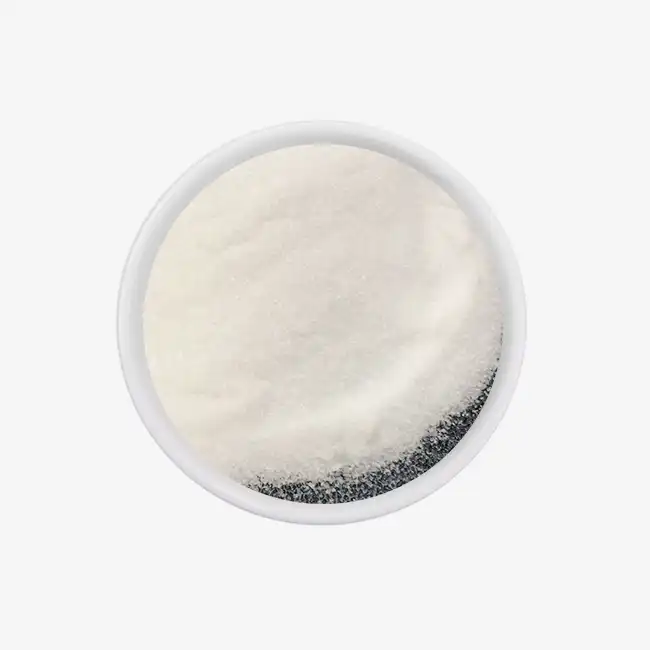
Pharmaceutical solid potassium acetate (CAS NO. 127-08-2) is the potassium salt of acetic acid. It is made according to strict Good Manufacturing Practice guidelines to meet world pharmacopeial standards like USP, EP, BP, and JP requirements. This very pure white crystalline substance has the molecular formula CH3COOK and a molecular weight of 98.14. Its main job in clinical and medicinal settings is to alkalise the body and replace lost electrolytes. Pharmaceutical-grade potassium acetate is much more pure than technical-grade potassium acetate. It goes through strict cleaning processes to get its purity levels above 99.0%. The amount of heavy metals is kept below 0.0005% and the amount of chloride is kept below 0.01%. The substance solves a very important therapeutic problem: it raises potassium levels in hypokalaemia patients who need potassium sources that aren't chloride. This keeps them from getting hyperchloremic acidosis, which can happen when potassium chloride is given.
Understanding Pharmaceutical Grade Potassium Acetate
Molecular Characteristics and Chemical Stability
Under normal storing settings, pharmaceutical solid potassium acetate is very chemically stable. The chemical dissolves well in water, acid, and alcohol, which makes it very useful for a wide range of medicinal formulas. Because it is solid, its physical features stay the same from one production batch to the next. This is very important for keeping dosage accuracy in drug making. The first sign of quality is the look of the white crystals, but a full scientific study proves the pure requirements.
According to research published in pharmaceutical journals, potassium acetate keeps its shape even when it's heated and mixed with other substances that are usually used in pharmaceutical processes. The compound's molecular stability keeps it from breaking down during sterilisation processes, which is very important for injectable formulas. This chemical toughness comes from the steady ionic bond between acetate and potassium. This bond doesn't break down easily in neutral pH conditions, but it does break apart in predictable ways in water.
Pharmacological Profile and Buffering Capacity
The chemical works well as a balancing agent, keeping the pH levels fixed in medicine products. When given throughout the body, potassium acetate is changed metabolically into bicarbonate. This has an alkalising effect that fixes metabolic acidity. This chemical action makes it different from potassium sources based on chloride, which can make acidic conditions worse. Clinical studies show that formulas based on acetate lower the chance of electrolyte problems during long-term IV treatment.
Potassium acetate is used in pharmaceuticals to do two things: refill electrolytes and keep the pH stable. Drug formulas having sensitive active pharmaceutical ingredients benefit from its buffering ability, which stops pH-related breakdown. Beta-lactam antibiotics, especially benzylpenicillin potassium versions, use potassium acetate to keep their medicinal effectiveness and make them last longer. Because the substance can keep the pH stable without adding too many chloride ions, it can help with the preparation of intravenous feeding and haemodialysis solutions.
Safety Protocols and Storage Requirements
Handling and storing rules that are followed correctly protect the purity of the product throughout the supply chain. Potassium acetate solid for pharmaceutical use needs to be kept in dry, well-ventilated buildings that are kept away from heat and moisture. Because the substance melts easily, it needs to be kept in sealed containers, ideally ones that keep out moisture, like LDPE-lined drums or layered plastic weave bags. Transportation rules stress careful treatment to avoid damage to packages, which could lower the quality of the goods.
The safety data sheets for solid potassium acetate say that the product should be stored away from things that aren't suitable, especially strong acids and oxidisers. Temperature control is still very important, and the best settings for keeping are below 25°C and below 40% relative humidity. When you open the package and use it right away, you stop the moisture from absorbing it, which can lead to caking and slower breakdown rates. Environmental tracking systems should be put in place by quality assurance teams in storage sites to keep conditions at their best and keep pharmaceutical-grade standards throughout the shelf life.
Comparing Pharmaceutical Solid Potassium Acetate Forms and Alternatives
Solid Versus Liquid Formulations
When it comes to making medicines, solid potassium acetate is clearly better than liquid versions. Solid forms are more stable over time, so you don't have to worry about the solution breaking down or microbes getting into it. Transportation costs go down a lot for solid things because they need less space and weight. Manufacturing plants like solid forms because they are flexible and can be precisely weighed and added to different types of formulations without having to change the quantity first.
In some production situations, liquid formulations are easier to use right away. This is especially true for ongoing mixing processes or automatic pouring systems. Solid medicinal potassium acetate, on the other hand, makes batches more consistent and gets rid of the problems that come with solution concentration shift. When purchasing managers choose a form, they should think about the framework for making it, the amount that will be made, and the preparation needs. Solid forms are usually more cost-effective for businesses that need to handle their goods in a fluid way and use different application rates.
Comparison with Sodium Acetate and Alternative Potassium Salts
Pharmaceutical potassium acetate and sodium acetate both work as buffers, but they add very different amounts of electrolytes. Potassium acetate gives you potassium ions, which are important for heart and muscle performance, and sodium acetate gives you extra sodium. Clinical situations decide the right choice: people who are low on potassium need potassium acetate, while situations where they are low on sodium need sodium-based options. Both substances have alkalising effects that aren't caused by chloride, which makes them different from chloride salts.
When you compare potassium acetate and potassium chloride, you can see that they are used for different medical purposes. Potassium chloride can make metabolic acidosis worse in some patients, but potassium acetate can help balance out the acidity of the body while also replacing potassium. Potassium bicarbonate is another option, but it is less stable and releases carbon dioxide when it dissolves, which limits its use in medicine. Because it is more chemically stable under sterilisation conditions and can be mixed with a wide range of active ingredients, potassium acetate is often used in injectable products.
Purity Grade Specifications and Quality Benchmarks
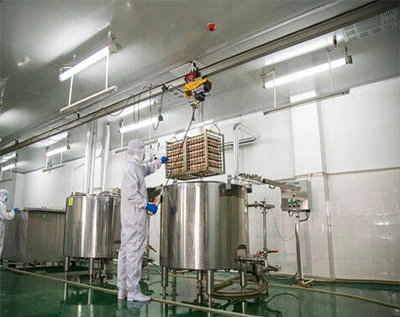
Potassium acetate that is used in medicine has to meet very high purity standards that are much higher than those for technical and industrial grades. Pharmacopeial standards require a minimum level of purity of 99.0% and strict controls on heavy metals like arsenic, lead, and mercury. Limits on chloride content keep it from messing up formulas that need very little chlorine present. Specifications for aluminium are especially important for haemodialysis, where even a small amount of pollution can be very bad for your health.
Quality standards include more than just chemistry makeup; they also include physical traits. The way particles are distributed affects how quickly they dissolve and how uniform the mixture is. Residual moisture content affects how stable something is in storage and stops it from breaking down too quickly. Certified drug sellers use strict quality control methods, such as Inductively Coupled Plasma Mass Spectrometry to check for heavy metals and high-performance liquid chromatography to make sure the safety of the drugs they sell. These strict standards make sure that all pharmaceutical applications follow the rules and work as prescribed.
Procurement Insights for Pharmaceutical Grade Potassium Acetate
Evaluating Supplier Certifications and Quality Credentials
To choose reliable providers of pharmaceutical solid potassium acetate, you need to carefully look at their manufacturing records and quality control systems. GMP approval is the minimum standard for materials used in pharmaceuticals; it shows that the production environment is managed and processes have been tested and proven to work. Systematic quality management is shown by ISO 9001 certification. Environmental responsibility and worker safety are shown by ISO 14001 and ISO 45001 certifications. Independent accounting groups should be used by procurement teams to make sure that sources keep their certifications up to date.
Religious approvals like KOSHER and HALAL make it easier for medicinal goods that are meant for certain groups of people to reach more customers. Suppliers with full licensing profiles show that they can make a variety of products and know the market well. Transparency in the documentation is a key factor in the evaluation process. Reputable makers provide thorough Certificates of Analysis, Material Safety Data Sheets, and quality records for each batch. This all-around method is shown by Shanxi Zhaoyi Chemical Co., Ltd., which has many foreign approvals and provides full tracking documents for making pharmaceutical-grade potassium acetate.
Understanding Pricing Dynamics and MOQ Considerations
Pharmaceutical-grade potassium acetate is priced based on the cost of the raw materials, the difficulty of making it, and the money spent on quality control. The market changes depending on how much acetic acid is available, how much potassium carbonate costs, and how much energy is needed for cleaning steps. When procurement managers buy in bulk, they often get discounts, but they have to weigh the cost saves against the costs of keeping goods and the space needed for storage. Different sellers have different minimum order amounts. However, well-known companies often accept smaller initial orders to make testing the product easier.
Long-term supply deals keep prices stable and give priority to certain items when supplies are low. People who work in procurement should discuss terms that cover quality standards, delivery times, and payment terms. When doing business with other countries, prices that are based on solid currencies are better for budgeting because they don't affect currency changes. To figure out the total cost of ownership, you have to look at different packing choices. For high-volume operations, big bags are cheaper, but smaller packages are easier to handle and pose less of a risk of contamination for a range of production needs.
Supply Chain Reliability and International Trade Compliance
Global medicine supply chains need strong transportation skills and knowledge of how to follow regulations. Suppliers with well-established transportation networks make sure that products are always available and that shipping times are met. Production capacity is an important factor to think about. Companies that can make a lot of products each year, like Zhaoyi Chemical, with a capacity of 150,000 tonnes, show that their resources are stable and can be expanded to meet rising demand. Lead times for normal orders are usually between 5 and 7 working days, but production schedules may need to be stretched for orders with special requirements.
Compliance with regulations in international trade includes a lot of different areas. Harmonised System codes make sure that customs handling and tax calculations are done correctly. Commercial bills, packing lists, and certificates of origin for each country must be included in export paperwork. Shipments of pharmaceuticals need to be kept at a certain temperature and must be protected from contamination at all times during travel. Reliable providers offer complete paperwork packages that help with regulatory checks and customs clearing. Knowing what the target country needs from pharmaceutical goods can help avoid expensive delays and make sure that they can be easily integrated into manufacturing processes.
Practical Applications and Benefits in Pharmaceutical Manufacturing
Hemodialysis Concentrate Production
Pharmaceutical solid potassium acetate offers significant performance benefits in the production of hemodialysate concentrates, which is a significant application. To safely clean blood while keeping normal pH levels, dialysis fluids need to have the right mix of electrolytes. Potassium acetate gives the body the potassium ions it needs without adding too much chloride. This keeps hyperchloremia from happening during long dialysis sessions. The compound's high solubility means that it dissolves completely in concentrates, which means that no particles form that could put patients at risk of embolism.
Controlling conductivity is an important part of making dialysis concentrate. Potassium acetate's expected ionisation behaviour lets you make precise changes to its conductivity, which makes sure that dialysate solutions meet strict requirements. Manufacturers gain from the compound's stability during storage, which keeps the quality of the concentrate high throughout the distribution chain and in healthcare facilities. Strict control of aluminium in pharmaceutical-grade potassium acetate is needed for dialysis uses because too much aluminium in the brains of kidney patients leads to major mental problems. The ultra-low aluminium standards needed for this sensitive application are met by suppliers who use specialised production equipment and thorough testing procedures.
Parenteral Nutrition and Intravenous Formulations
Pharmaceutical potassium acetate is a safe and useful source of potassium that is used in large-volume parenterals and admixtures for total injectable nutrition. TPN products provide complete nutritional support to patients who are unable to consume enough food orally and need electrolyte compositions that are carefully adjusted. Potassium acetate's non-chloride profile protects against metabolic acidosis problems and restores potassium levels that are often lost in people who are very sick. The substance dissolves easily in clean water for injection, which lets formulators be flexible without having to worry about precipitation.
Pharmaceutical products that are injected must be completely pure and sterile. Potassium acetate keeps its chemical stability during the autoclaving and filtering steps that are needed to make parenteral products. It can be mixed with amino acids, dextrose solutions, and fatty emulsions, which lets you make complicated TPN formulas with more than one ingredient. The ability to cushion pH levels keeps sensitive vitamins and trace elements stable in admixtures. This keeps the nutritional value of the product and extends its shelf life. When formulas reduce the amount of chloride while still giving enough alkalising equivalents, clinical results are better. This makes potassium acetate a chosen ingredient for metabolically stressed patient groups.
Antibiotic Stabilization and API Production
Pharmaceutical-grade potassium acetate is an important part of making antibiotics, especially beta-lactam formulas that break down easily when exposed to pH changes. Benzylpenicillin potassium products use potassium acetate as both a buffering agent and a potassium source. This keeps the pH stable, which keeps the antibiotic's effectiveness while it's being stored. The substance stops the beta-lactam structure's hydrolytic ring from opening, which is a process that breaks down drugs faster in acidic environments. Manufacturers of antibiotics with a longer shelf life depend on potassium acetate's ability to buffer to meet the stability standards set by regulatory authorities.
During reaction processes and filtering steps, making active medicinal ingredients often needs precise pH control. Potassium acetate is a useful buffer in the production of APIs because it can work with a variety of reaction chemicals and adds few unwanted substances. Because it gives potassium, it is useful for making potassium salts of different drug molecules. Heavy metals and organic impurities must stay below measurement limits in pharmaceutical-grade material in order to meet quality standards. This keeps high-value API goods from becoming contaminated. The chemical works the same way in all production batches, which supports proven manufacturing processes and repeatable quality outputs that are necessary for regulatory compliance.
Conclusion
Drug companies, healthcare providers, and pharmaceutical dealers who need stable, high-purity chemicals can't do without pharmaceutical solid potassium acetate. Its special mix of replacing electrolytes, balancing pH, and maintaining chemical stability solves important manufacturing problems in injectables, dialysis concentrates, and antibiotic preparations. By learning about quality standards, buying factors, and application-specific needs, you can make smart choices about where to get things that meet legal requirements and work well in therapy. When you choose qualified providers with strong production capacities, expert help, and full quality management systems, you protect the stability of the supply chain and get the best results from manufacturing. Because the substance can be used in many different ways and has been shown to work well in many different pharmaceutical uses, it is a valuable ingredient for companies that want to make sure their healthcare goods are safe and successful.
FAQ
Why does pharmaceutical solid potassium acetate need to be kept in a certain way?
It is deliquescent, which means that potassium acetate soaks up water from the air until it dissolves. Because of this trait, it needs to be kept in cases that are tightly sealed and have moisture barriers in places where the temperature stays below 25°C and the relative humidity stays below 40%. LDPE-lined drums or layered plastic weave bags are good ways to keep moisture out of things while they are being stored or moved.
What makes potassium acetate for medicinal use different from potassium acetate for scientific use?
Heavy metals like lead, mercury, and arsenic are removed from pharmaceutical-grade materials through strict processing during GMP manufacturing. Strict controls on the amount of aluminium and endotoxin make sure that the medicine is safe for people to use. Technical-grade versions have higher amounts of impurities that make them good for industry uses like de-icing or chemical synthesis but not good for medical or medicinal use because they might be harmful.
Can potassium acetate always be used instead of potassium chloride?
Substitution relies on the goals of therapy. When chloride adjustment is not needed or is not a good idea, potassium acetate can help. This is especially true for people with hyperchloremia or metabolic acidosis. The acetate ion changes into bicarbonate, which has alkalising effects that chloride salts don't have. Clinical rules tell doctors how to choose the right potassium salt for each patient based on their pH levels and acid-base balance needs.
Partner with Zhaoyi Chemical for Premium Pharmaceutical Solid Potassium Acetate Supply
Zhaoyi Chemical provides pharmaceutical solid potassium acetate that is made to strict international standards and is backed by more than 30 years of experience making acetate. Our yearly production capacity of 150,000 tonnes makes sure that we are always available for large-scale pharmaceutical manufacturing operations in North America and around the world. We keep our ISO 9001, ISO 14001, ISO 45001, KOSHER, and HALAL standards, which shows that we have strong quality management and can adapt to different markets. Each output batch goes through a lot of tests, such as an ICP-MS analysis for heavy metals, to make sure that the purity level is higher than 99.0%, the chloride level is below 0.01%, and the amount of heavy metals is kept to less than 0.0005%.
When you order our pharmaceutical-grade potassium acetate, it comes with all the paperwork you need to back up your quality control procedures. This includes Certificates of Analysis, Material Safety Data Sheets, and regulatory compliance certificates. Technical support teams are available 24 hours a day, seven days a week to answer questions about recipe, give advice on dealing, and optimise applications. Standard production lead times of 5 to 7 working days can meet pressing needs while still keeping quality standards. Zhaoyi Chemical builds strong supply chain partnerships based on quality, knowledge, and customer service. They can help you get pharmaceutical solid potassium acetate for intravenous feeding, the making of haemodialysis concentrate, or the stabilisation of antibiotics. You can email us at sxzy@sxzhaoyi.com right now to talk about your specific needs, ask for samples of our products, or get full quotes from a well-known pharmaceutical solid potassium acetate maker that cares about your business's success.
References
United States Pharmacopeia. "Potassium Acetate Monograph." USP-NF Official Standards, 2023 Edition.
Chen, W. and Patterson, R. "Electrolyte Management in Renal Replacement Therapy: Role of Non-Chloride Potassium Sources." Journal of Nephrology and Dialysis, Vol. 34, No. 2, 2022, pp. 156-171.
Morrison, L. et al. "pH Stabilization Strategies in Beta-Lactam Antibiotic Formulations." Pharmaceutical Technology and Manufacturing Review, Vol. 18, No. 4, 2021, pp. 89-103.
International Pharmaceutical Excipients Council. "Quality Standards for Pharmaceutical Grade Acetate Salts: Manufacturing and Testing Guidelines." IPEC Technical Bulletin, 2023.
Roberts, D.M. and Singh, K. "Parenteral Nutrition Formulation: Optimizing Electrolyte Balance and Metabolic Support." Clinical Nutrition and Metabolism, Vol. 45, No. 1, 2022, pp. 34-52.
European Medicines Agency. "Guideline on Quality Requirements for Pharmaceutical Grade Excipients: Acetate Derivatives." EMA Quality Guidelines, Committee for Medicinal Products for Human Use, 2023.

USER EVALUATE
Here is the customer's evaluation of us