



Why Is Potassium Acetate Used for Airport Runway Deicing?
One of the most important safety issues for airport operations teams in the winter is keeping the runways clear of ice while also protecting both aeroplanes and the environment. Solid potassium acetate on airport runways has become the industry standard because it effectively melts ice while also being eco-friendly and protecting infrastructure. It is much better than other salts like urea or chloride-based salts at lowering the freezing point of water and breaking the link between ice and ground at temperatures as low as -60°C. Corrosive chemicals hurt environments and damage aeroplane parts. Potassium acetate, on the other hand, is recyclable and doesn't corrode. It meets strict SAE AMS 1431 flight standards and keeps airports open even in the worst winter weather.
Understanding Potassium Acetate and Its Role in Runway Deicing
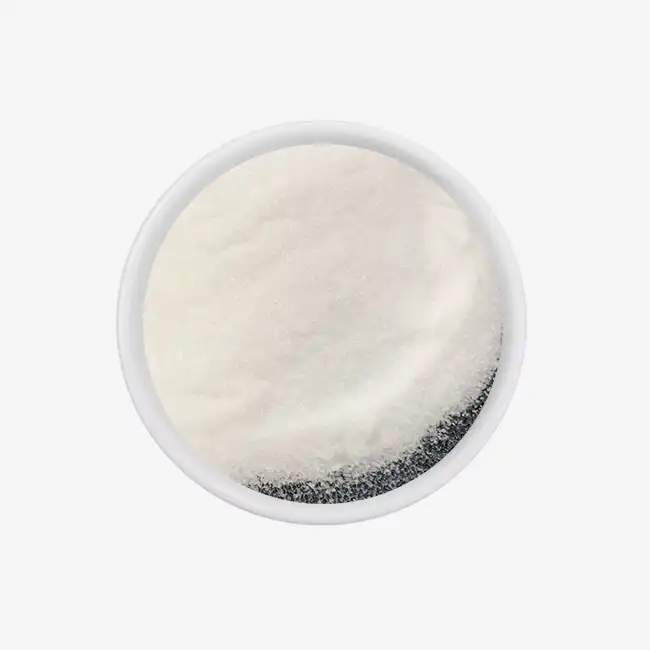
knowing what makes airport runway solid potassium acetate perfect for flight uses is the first step in knowing how to de-ice a runway effectively. The chemical formula for this white, solid substance is CH₃COOK. It has certain qualities that meet the most stringent needs of the flight business.
Chemical Properties and Mechanism of Action
To work, potassium acetate lowers the freezing point, which is a collapsing feature that stops the formation of ice crystals at the molecular level. When sprayed to airport surfaces, the material quickly breaks down in water, making a strong solution that can get through layers of ice. The resulting brine solution starts an exothermic reaction that gives off heat that speeds up the melting process and stops it from freezing again at the same time. When compared to endothermic deicers, which take heat from their surroundings, this two-action system clears the surface faster.
The product has a molecular weight of 98.14 g/mol and dissolves easily in water, acids, and alcohols. This means that it can be activated quickly when it comes into touch with frozen precipitation. The crystalline structure breaks down quickly, so there is an instant reaction during busy weather events, when airport conditions can get worse in minutes.
Physical Characteristics and Application Benefits
The physical features of solid potassium acetate directly lead to benefits in the workplace. The average density of the material is between 0.8 and 0.9 g/cm³, which makes it the perfect weight for sticking to ground even when lighter materials would be scattered by jet blasts. The grainy structure stops wind from spreading the product while it's being applied, making sure it stays where it's supposed to go and doesn't drift into nearby areas.
Because it is hygroscopic, the molecule can pull water from the air, starting the breakdown process before any precipitation forms. This property makes it especially useful for anti-icing tasks, where stopping bonds from forming works better than getting rid of existing ice layers. The solution's pH range of 9.0 to 10.5 keeps it compatible with concrete and asphalt surfaces without going too far into the alkaline range, which could damage the sidewalk over time.
Safety and Handling Protocols
Handling things the right way makes sure that workers are safe and that products work well all along the supply chain. The stuff should be kept in buildings that are dry, well-ventilated, and away from heat and moisture, since damp can make things dissolve and clump together too soon. Standard packing in 25 kg plastic weave bags or 1000 kg ton-bags makes it easier to handle by hand at smaller airports and by machine at big hubs.
During shipping, extra care must be taken to keep packages from getting damaged, which could lower the quality of the goods. The chemical must be kept away from things that don't work with it, especially strong oxidisers and acids that could cause chemical reactions that aren't needed. When treated according to set procedures, the material has a shelf life of two years. This gives buying teams more options for managing stockpiles and getting ready for the season.
Why Potassium Acetate is Preferred Over Other
?
After decades of using options that made things worse instead of better, aviation repair teams have made the decision to switch to deicers that are based on acetate. The change is both necessary for operations and environmentally responsible, as airports are getting more attention for how their winter operations affect the environment.
Comparison with Traditional Deicing Agents
For decades, urea was the main ingredient used to melt ice on airport runways until its serious flaws became clear. Urea is cheap at first, but it only works well down to -7°C, which leaves airports open to damage during very cold weather. As the substance breaks down, it gives off ammonia, which is harmful to marine ecosystems in waste areas. Many governing bodies have limited or banned the use of urea near sensitive waters, causing airports to look for alternatives like solid potassium acetate even if it means spending more money in the short term.
Product built on ethylene glycol works better in cold weather, but there are major worries about their safety. Animals are drawn to the sweet taste, which has led to poisonings of animals around airports. Additionally, glycol molecules break down more slowly, building up in soil and groundwater over many winters. The costs of cleaning up glycol poisoning in the environment usually go over the money saved by buying these goods in the first place.
Chloride-based salts, such as calcium chloride or sodium chloride, are very bad for aeroplanes. Aluminium, magnesium, and cadmium parts that are used in current aeroplane frames and landing gear systems are quickly corroded by these materials. Corrosion damage speeds up stress breaking in structural parts and weakens hydraulic systems, which creates safety risks that show up long after the deicing event. The Federal Aviation Administration makes it clear that chlorine should not be used in airport working areas because of these known risks.
Environmental and Infrastructure Advantages
Concerns about the environment are eased by airport runway solid potassium acetate, which breaks down completely without leaving behind any dangerous leftovers. It breaks down into water, carbon dioxide, and potassium ions, which are good for plants and don't harm them. This breakdown route gets rid of the ammonia poisoning that comes with urea and the long-term pollution risks that come with glycol formulations.
Because it doesn't corrode, it saves investments in systems that go beyond aeroplanes. Less chemical contact is good for runway lighting systems, integrated sensors, and concrete markers. The structure of concrete and asphalt surfaces stays strong even after many freeze-thaw cycles. This is in contrast to chloride surfaces, which crack and break down. Ground support equipment can work for longer amounts of time with less upkeep because its electrical and hydraulic systems don't rust like cars do during busy times.
Testing done according to SAE AMS 1431E guidelines shows that rust rates on carbon steel are less than 0.03g/m²·h, which is a level that keeps equipment lasting and keeps deicing working well. This performance profile lowers the total cost of ownership by increasing the useful life of roads, tools, and planes.
Performance in Extreme Cold Conditions
The difference in temperature performance is what sets expensive deicing solutions apart from less-than-stellar options. At temperatures as low as -60°C, potassium acetate stays useful, so it can be used even in the worst winter weather. This wider temperature range makes sure that airports can keep running during polar vortices and other extreme cold spells that would normally stop operations with regular goods.
Real-world performance data from northern airports shows that the material can cut through ice layers up to 6 mm thick, making brine holes that make removal easier. During times of high traffic, when airport closing windows are measured in minutes instead of hours, the quick action plan comes in very handy. Operations teams say that urea-based options clear ice 40–50% faster, which directly leads to fewer flight delays and better on-time performance measures.
Practical Application and Implementation of Solid Potassium Acetate on Airport Runways
Understanding application methods, the right dose routines, and how to integrate with current winter operations systems are all important for a successful rollout. If a team masters these factors, they can get better results while also using less material and keeping costs down.
Application Methods and Equipment Considerations
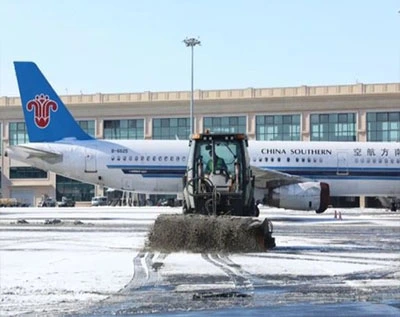
These days, airports use special equipment called "spreading" that makes sure the covering patterns are the same across huge runways for airport runway solid potassium acetate. Spreaders on trucks that are designed for powdered acetate products make sure that the product is spread evenly at set rates, which are usually between 50 and 150 pounds per lane-mile, based on the amount of rain and the temperature. The machine has spinner speeds and gate gaps that can be changed to fit different grain sizes and application rates based on the current weather.
By adding liquid potassium acetate to solid grains right before spreading, pre-wetting systems improve performance in high-wind situations. Using this method makes a wet product that sticks to ground surfaces instead of flying around when it's being put down. The pre-wet ratio is usually between 6 and 10 gallons of liquid for every 100 pounds of solid material, but workers change it depending on the weather and the speed of the wind.
Applying anti-icing before it starts to rain or snow works best because it stops ice bonds from forming. When compared to deicing to fix problems, maintenance teams use solid grains at lower rates. Often, 30–40% less material is needed for protection than for removal. Accurate weather forecasts and planning ahead for launch times are needed for the strategy to work. Mature operations centers get better at these skills by investing in climate support systems and gaining experience.
Dosage Optimization and Weather-Specific Protocols
Material management that works well strikes a mix between the need for efficiency and the need to keep costs low. Standard application rates are used as a starting point. The rates are changed based on the temperature of the surface, the type of rain, and the amount of traffic. In light snow, 75 pounds per lane-mile might be enough, but in freezing rain or heavy snowfall, 150 pounds or more might be needed to cover the road properly.
The warmth of the pavement affects both the rate of application and the time frame for expected performance. Surfaces at -5°C react faster with lower doses than sidewalks at -20°C, where higher application rates make up for chemicals that are less active when it's very cold. Instead of following general rules that lose materials during light events or don't treat properly during severe weather, operations teams with a lot of experience make weather-specific routines that match product release to actual conditions.
Traffic patterns also change dose estimates because the movement of aeroplane tires physically spread and activate materials that have been applied. High-traffic runways benefit from traffic-induced mixing that speeds up ice penetration, which could mean that less ice needs to be applied than on taxiways or areas that don't get used as often.
Supply Chain and Procurement Considerations
For materials to be available reliably during the winter, careful planning and relationships with suppliers are needed. When big winter weather events are predicted, operating readiness is affected by lead times, minimum order amounts, and shipping processes. Purchasing teams weigh the costs of keeping goods against the risks of running out, which could put people's safety at risk or force them to pay a lot for faster shipping during bad weather.
There are different types of packaging to fit the needs of different facilities and usage rates. Smaller airports that don't have a lot of storage space often choose 25 kg bags because they are easier to handle and lower the risk of moisture exposure by using only a portion of a load. Ton-bags are preferred by major hubs that use high-volume spreading equipment because they make packing machines easier and cut down on packaging trash. The decision affects not only the amount of space needed for storage but also the cost of labour for adding tools during activities that need to be done quickly.
Quality approvals check the performance and specs of a material. Products that meet SAE AMS 1431 guidelines have been through a lot of tests to make sure they are pure, that they don't rust, and that they don't harm the environment. ISO certifications show that a provider has a quality management system in place. KOSHER and HALAL certifications may be useful for sites that need to follow certain rules for operations. These credentials give you confidence that the materials will do what they're supposed to do in tough situations where safety rests on chemicals working properly.
Conclusion
Airport runway solid potassium acetate is the aviation industry's answer to the strict winter operating rules that demand no compromises on safety, environmental responsibility, or protecting infrastructure. The compound's great performance in cold weather, non-corrosive qualities, and recyclable makeup solve problems that older deicing goods could never fully resolve. Professionals in procurement who know the technology requirements, application procedures, and criteria for evaluating suppliers put their companies in the best situation to run smoothly during winter weather events. Investing in high-quality deicing materials pays off in a number of ways: fewer rust problems on aeroplanes, longer infrastructure life, compliance with environmental regulations, and most importantly, consistent operating efficiency when weather conditions make safety gaps tight. Potassium acetate solutions meet the performance needs of modern flight, even as winter operations get trickier and government scrutiny grows.
FAQ
How is potassium acetate different from urea when it comes to deicing runways?
In every important way, potassium acetate is much better than urea. Urea only works at -7°C and when it breaks down, it creates harmful ammonia that hurts marine ecosystems near airport sewage systems. At -60°C, potassium acetate still works, and it breaks down naturally into water, carbon dioxide, and plant nutrients. Many places now limit the use of urea because it is bad for the environment. This means that goods based on acetate are the best choice for following the rules.
How long does solid potassium acetate last out in the open?
Solid potassium acetate stays useful for two years if it is kept in the right way, in sealed, moisture-proof containers in dry, well-ventilated storage. Because it's hygroscopic, dampness makes it dissolve and clump too quickly, which hurts the performance of the application. The right way to store things keeps the quality of the goods and makes sure they work reliably for long periods of time.
Is potassium acetate bad for planes or the ground?
Aviation-grade potassium acetate that meets SAE AMS 1431 standards shields aluminium, magnesium, and cadmium parts of aeroplanes from rusting while still working with concrete and asphalt landing surfaces. Acetate versions stretch the lifecycles of structures and equipment because they don't corrode like chloride-based goods do, which is bad for metals and roads.
Partner with Zhaoyi Chemical for Reliable Airport Runway Solid Potassium Acetate Supply
Zhaoyi Chemical has been making acetate for more than 30 years and can help airport operations teams find reliable winter repair options. As an airport runway solid potassium acetate producer, we keep our production capacity at 150,000 tonnes per year. This makes sure that there is a steady supply even during harsh winters when demand is high in many places. Our aviation-grade products meet strict SAE AMS 1431 standards and have purity levels above 99.0%. They protect aeroplane assets and meet environmental compliance goals by not corroding and breaking down naturally.
We know how hard it is for airport authorities and maintenance contractors to buy the things they need. That's why we offer flexible packaging in 25 kg bags and 1000 kg ton-bags, competitive pricing based on volume, and reliable logistics partnerships that get materials to you before bad weather threatens operations. Our ISO 9001, ISO 14001, and ISO 45001 certifications show that we have quality control methods that make sure that every batch of our products meets the same standards. When people ask about applications, dosing optimisation, or coordinating the supply chain, technical support teams get back to them within hours.
You can email our flight solutions experts at sxzy@sxzhaoyi.com to talk about your specific airport deicing needs, get full product specs and safety paperwork, or get personalised quotes based on how much you expect to use during the winter and summer. Check out zhaoyichemical.com to see our full line of acetate products and learn how our 30 years of experience making the best chemicals can help your airport stay safe and run smoothly when winter weather comes.
References
Society of Automotive Engineers. "Aircraft and Ground Vehicle Deicing and Anti-Icing Processes Standard - SAE AMS 1431." SAE International Aerospace Standards, 2018.
Transportation Research Board. "Guidelines for the Selection of Snow and Ice Control Materials to Mitigate Environmental Impacts." National Cooperative Highway Research Program Report 577, National Academy of Sciences, 2007.
Federal Aviation Administration. "Advisory Circular 150/5200-30D: Airport Winter Safety and Operations." U.S. Department of Transportation, 2019.
Levelton Engineering and Aqua Terra Consultants. "Guidelines for the Selection of Snow and Ice Control Materials to Mitigate Environmental Impacts." National Research Council Canada, 2007.
Shi, Xianming, et al. "Freezing Point Depression of Salt Solutions: A Laboratory Study of NaCl, CaCl2, MgCl2, KAc, and NaAc." Journal of Solution Chemistry, Vol. 38, 2009.
Environmental Protection Agency. "Preliminary Data Summary: Airport Deicing Operations." Office of Water, EPA-821-R-00-016, U.S. Environmental Protection Agency, 2000.

USER EVALUATE
Here is the customer's evaluation of us