



Key Properties of Solid Potassium Acetate Explained
The industrial solid potassium acetate (CH3COOK) is a special kind of organic salt that was made to meet the tough performance needs of many different industries. This white solid substance has a molecular weight of 98.14 g/mol and the CAS number 127-08-2. It dissolves easily in water, doesn't corrode, and doesn't harm the environment. Traditional options based on chloride damage infrastructure and pollute water systems. Potassium acetate, on the other hand, effectively lowers the freeze point to -60°C while saving metal surfaces and concrete buildings. It can be used to melt ice at airports, keep shale stable in gas drilling fluids, and act as a catalyst in chemical synthesis. This makes it an important material for buying workers who want to buy reliable, eco-friendly industrial chemicals.
Understanding the Chemical and Physical Properties of Solid Potassium Acetate
Molecular Structure and Composition
The main structure of this acetate salt is shown by the chemical formula CH3COOK. Each molecule is made up of a potassium cation bound to an acetate anion. This makes a substance that is very stable in a wide range of industrial circumstances. With a molecular weight of 98.14 g/mol, it is possible to make exact formulations for uses that need particular concentration levels. The material's hygroscopic nature comes from its makeup. This means it easily draws water from the air around it, which affects both how long it can be stored and how quickly it can dissolve.
Physical Characteristics and Appearance
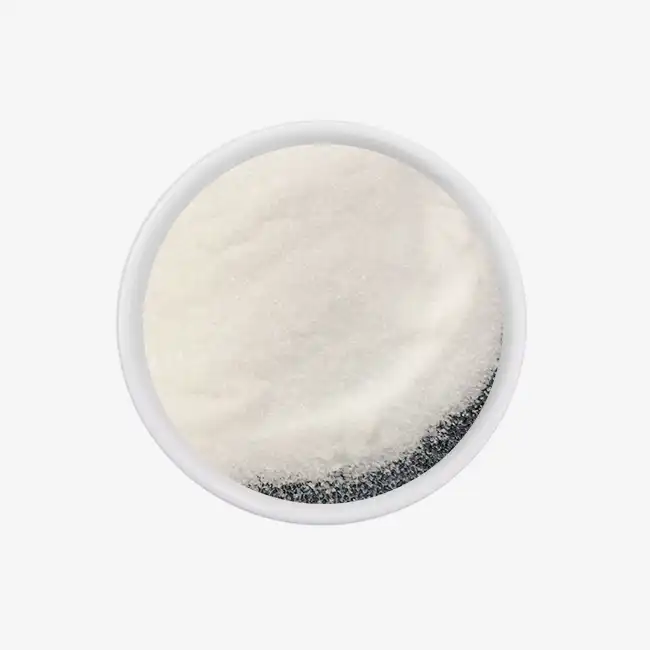
When potassium acetate is solid, it looks like white grains or powder that are made of crystals. The substance dissolves very easily in water, reaching a level of about 253 grams per 100 millilitres at 20°C. This high solubility makes it possible to make concentrated brines and solutions quickly, without having to mix them for long amounts of time. The material is also easily dissolved in both acidic and alcoholic liquids, which makes it useful in a wider range of preparation situations. Because the crystals are deliquescent, they can take in enough water from the air to dissolve in their own water. This means they need to be carefully packed in moisture-proof materials while they are being stored and shipped.
Thermal Properties and Stability
An amazing feature of this substance is that it stays structurally sound up to a melting point of 292°C. Because it can handle high temperatures, it can be used in situations where processes release heat or where the temperature is high. The material won't break down in normal industry processes because it is thermally stable. It will also keep its chemical qualities throughout its use. This trait is especially useful in making chemicals, where reaction temperatures can change or where heat needs to be applied continuously.
Environmental and Safety Profile
When it comes to industrial chemicals, potassium acetate stands out because it is safe for the environment. The substance breaks down naturally and has low biological oxygen demand (BOD) and chemical oxygen demand (COD) levels compared to alternatives made from gasoline. Potassium acetate-containing waste water doesn't pose much of a threat to marine species when it is used to melt ice. The pH range of the material is normal to slightly alkaline (7.5 to 9.0 in a 5% solution). This helps to balance out acidic conditions and stops the damage that chloride salts cause. Safety Data Sheets say that potassium acetate is not very dangerous in the short term, but following the right way to handle it is still important for keeping workplace safety standards high.
Industrial Uses and Applications of Solid Potassium Acetate
De-icing and Anti-icing Operations
More and more, airport officials and highway repair companies prefer de-icing products that are based on solid potassium acetate to rock salt or calcium chloride. The eutectic point of the material makes it possible to melt ice at temperatures as low as -60°C, which is lower than the performance level of many common agents. Potassium acetate solutions help the surface of runways stay in better shape because they don't damage aluminium, composite materials, or special lighting systems for runways. This trait of not corroding is especially helpful for bridge decks and high roads, because the lack of chloride ions stops the reinforced steel rust that shortens the life of infrastructure.
Local governments that are in charge of big winter activities like how little damage it does to the earth. Like chloride salts, potassium acetate doesn't build up in the land or pollute freshwater sources. When spring comes, the potassium part actually gives plants along the road a small nutritional boost. Total lifetime costs often favour acetate options when you think about how much less it costs to fix concrete and how long the equipment lasts.
Oil and Gas Drilling Fluids
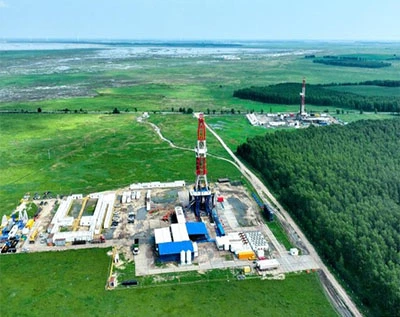
In order to get better shale stabilisation, oilfield service companies add potassium acetate to water-based drilling mud. When potassium ions mix with clay lattice ions, the grow and shrink problems that happen during digging in reactive shale layers are stopped. This ion-exchange system keeps the wellbore stable and lets the drilling crew reach their goals without having to stop and pay for repairs.
Potassium acetate is very easy to dissolve, which lets you change the density of drilling fluids without adding too many solid bits that could damage the permeability of the reservoir. This quality is important to drilling companies because it keeps the fluids' best properties and protects the oil and gas regions' ability to produce. Because the substance works with common drilling fluid ingredients like xanthan gum and bentonite clay, it makes the process of making it easier and lowers the chance of chemical reactions going wrong downhole.
Chemical Manufacturing and Synthesis
Chemical companies use potassium acetate as a catalyst to speed up the process between isocyanate and hydroxyl, which makes polyurethane. It does this without adding any impurities that might change the qualities of the finished product. The high purity levels in industrial grades—usually more than 98% assay—keep the catalyst from getting poisoned and make sure that the reaction rates are the same from batch to batch.
The product is used as a pH buffer and to neutralise chemicals in textile processes. Because the material can keep the pH level fixed, it keeps sensitive dyes and fibres from breaking down during cleaning processes. Pharmaceutical companies also use both food-grade and pharmaceutical-grade potassium acetate as a buffering agent in a number of products that need to keep the pH level very accurate.
Agricultural and Fertilizer Applications
Companies that make fertiliser use potassium acetate in special mixes for high-value crops. The substance does two things: it gives plants potassium and keeps acidic soils from getting too acidic. The acetate part breaks down easily, leaving behind potassium ions that help flowers and fruits grow. This app is especially useful in greenhouses and hydroponic systems where exact supply of nutrients is important.
Procurement Considerations for Solid Potassium Acetate
Supplier Selection and Quality Certifications
To find trustworthy makers, you need to look at their quality control methods and industry certificates. If a seller has ISO 9001 approval, it means they keep quality control in mind at all times during the production process. When their goods will come into touch with food and medicine, companies that work with those industries should get extra KOSHER and HALAL certifications. Environmental standards like ISO 14001 show that a company is committed to making products in a way that doesn't harm the environment.
When setting up long-term trade agreements for industrial solid potassium acetate, production ability is important. Prices and shipping times are usually more stable for manufacturers whose sites can handle more than 100,000 tonnes of goods per year. Zhaoyi Chemical has been making chemicals for 35 years and has a yearly capacity of 150,000 tonnes. This is an example of the size needed to support big commercial accounts. Check to see if possible sellers keep enough goods on hand and backup production facilities in case there are supply problems.
Product Specifications and Testing
Teams in charge of buying things should ask for thorough product specs that include physical properties, impurity profiles, and levels of purity. Industrial-grade potassium acetate usually has to be at least 98.0% pure, with tight limits on chloride levels below 500 ppm and iron impurities below 10 ppm. These specs have a direct effect on how well things work in important situations. For example, acetate salts are useful for protecting infrastructure, but too much chloride content makes them less resistant to rust.
Each package comes with a Certificate of Analysis (CoA) that lists the test results for each batch. Before releasing their products, responsible providers test them thoroughly for things like pH, moisture content, heavy metal contamination, and particle size distribution. Before agreeing to large orders, ask for sample numbers to be tested internally. This is especially important when adding new sources to lists of approved vendors.
Packaging and Logistics
Standard packaging configurations include 25-kilogram plastic woven bags suitable for manual handling and 1000-kilogram bulk bags that streamline warehouse operations and reduce packaging waste. Because polyethylene and polypropylene are hygroscopic, multi-layer bags with heat-sealed seals are necessary to keep moisture out. Some companies can make packing options that work with certain methods for moving or storing items.
Knowing the wait time helps make sure that the plan for buying things matches the needs of output. Manufacturers who keep normal grades in stock usually ship within 5 to 7 days of receiving an order. For custom formulas or speciality grades, the production schedule may need to be expanded. When shipping things internationally, you need to think about more things, like the export paperwork, the containers you choose, and making sure you follow the import rules of the target country.
Handling, Storage, and Safety Best Practices
Personal Protective Equipment and Handling Protocols
When dealing with powder types of potassium acetate, workers should wear the right safety gear, such as safety glasses, chemical-resistant gloves, and dust masks. Even though the substance is not very dangerous when breathed in, it is still best to avoid direct eye contact and breathing in as little dust as possible. Set up marked working areas with enough air flow to get rid of any floating particles that are made when bags are opened or materials are moved.
The steps used to move materials should keep dust to a minimum and keep them from getting wet. Dumping methods that make dust clouds are not as good as scoop or hoover transfer systems. Clean up spills right away by cleaning them up dry instead of using water, which would make the surface slippery. To keep dedicated working tools from getting contaminated with materials that aren't compatible, they should stay in controlled areas.
Storage Environment and Conditions
To keep potassium acetate from caking and losing its quality, warehouses that store it must keep the air dry and the relative humidity below 50%. Controlling the temperature isn't necessary in a regular environment, but keeping materials away from sources of high heat stops them from losing wetness and causing damage to the package. Ventilation systems should regularly switch out air without bringing in humid air from outside when it's raining.
Carefully stack boxes of solid potassium acetate so that the lower layers don't get too heavy, which could cause bags to get compressed and cause moisture-induced caking. As stated in the safety paperwork, store things away from acids, strong oxidisers, and harmful substances. Use first-in, first-out stocking movement to keep products as fresh as possible while reducing the time they are stored. Regular checks of storage areas help find problems like moisture getting in or damaged packages before they cause big losses.
Regulatory Compliance and Documentation
Different places have different rules about how to store, handle, and use chemicals. The Occupational Safety and Health Administration (OSHA) in the United States sets safety standards for the workplace. These standards cover things like how to handle chemicals and how to teach workers. Facilities must keep Safety Data Sheets that are easy to find and that include information on what to do in an emergency and how to avoid getting too exposed. European REACH rules control how chemicals are registered and how they can be used in all EU member states.
Material lots should be tracked from the time they are received until they are used up. This way, if quality problems arise, they can be fixed quickly. Keep track of the internal quality checks, usage logs, and CoA papers that come in. This makes it possible to track products during legal checks and help find out why a product doesn't work as expected.
Comparative Analysis and Decision-Making Framework
Performance Comparison with Alternative Materials
To compare potassium acetate to other goods on the market, you need to look at more than one aspect of its performance. Compared to potassium chloride, acetate versions lower the freeze point just as much while getting rid of the harmful chloride ions. This benefit directly protects infrastructure and makes tools last longer. Sodium acetate is also good for the environment, but it needs to be used at higher rates because sodium has a smaller atomic weight and behaves differently when mixed with water.
Calcium magnesium acetate (CMA) is also resistant to rust, but it costs a lot more and doesn't work as well at very low temperatures. Rock salt, which is sodium chloride, is still the least expensive choice per tonne, but it has big hidden costs because it damages infrastructure, pollutes waterways, and kills plants. Total cost analysis that takes into account effects over a product's lifetime constantly favours acetate solutions for uses that put protecting assets and being environmentally friendly first.
Cost-Benefit Analysis for Different Industries
Less rust damage makes de-icing work more useful right away. When infrastructure owners figure out their return on investment, they should take into account things like delayed concrete fixes, longer bridge deck life, and lower costs for maintaining vehicles' undercarriages. When it comes to high-value assets like airport runways and new cable-stay bridges, these perks often make the higher price worth it compared to regular rock salt.
Drilling activities gain from more stable wellbores and less time spent on non-productive tasks. Potassium acetate is more expensive than basic clay inhibitors, but it works better and stops pipe blockages and formation damage that costs a lot more to fix. When drilling companies go after tough shale rocks, they find that the extra money they spend pays off because they can drill faster and protect the reserve better.
Supplier and Grade Selection Guidance
When you match product grades to the needs of an application, you get the best performance and value for money. De-icing processes usually use industrial types that are at least 98% pure. For chemical reaction, you might need higher pure grades with stricter impurity limits to keep the catalyst from getting messed up. Materials made under the right Good Manufacturing Practice standards must be approved as food-grade or pharma-grade for use in food and medicine.
There are a lot of things that should go into choosing a supplier. Some of these are product quality, shipping trustworthiness, expert support, and how cheap the prices are. Established companies that have been making products for decades usually offer more stable quality than younger companies that are just getting into the market. Companies that give technical support can help you fix problems with applications and get the most out of their use. Building ties with sellers who know the needs of your business adds value that goes beyond just buying goods.
Conclusion
Industrial solid potassium acetate has special benefits that make it useful in many situations, from de-icing infrastructure to drilling work. Because it doesn't corrode, doesn't harm the environment, and works well technically, it meets important business needs that standard options can't. Professionals in procurement can make better decisions when they know about a material's basic qualities, how it performs in different situations, and where to get it. Choosing approved providers with the right certifications, production capacity, and technical know-how guarantees consistent product quality and dependable supply lines. More and more businesses are realising that environmental duty and long-term value often beat the original cost of materials when figuring out the total cost.
FAQ
When it comes to winter care, how does potassium acetate stack up against calcium chloride?
Calcium chloride is a cheap and effective way to melt ice, but it corrodes cars, reinforced steel, and concrete very badly. Potassium acetate gets rid of rust worries and stays useful up to -60°C. The higher original cost usually pays off because it lowers the cost of fixing infrastructure and makes assets last longer, especially in places like airports, bridges, and places that store sensitive equipment.
What keeping steps should be taken to keep the goods from going bad?
Because potassium acetate absorbs water, it needs to be stored in dry places and in packaging that doesn't let water in. Keep materials in sealed multi-layer bags within climate-controlled warehouses maintaining relative humidity below 50%. When stored correctly, caking and quality loss are avoided, so the product works as expected for as long as it's on the shelf.
Can the solid form be changed on-site into liquid concentrates?
It is normal to use direct dissolving to make liquid mixtures while cutting down on shipping costs. Slowly add potassium acetate to water while shaking all the time. The slightly exothermic breakdown process makes mixing easier. Most businesses make products with a concentration of 50% as a normal working concentration for de-icing tasks.
What kinds of certificates should providers give you?
For basic proof of structured manufacturing control, look for ISO 9001 quality management approval. Businesses that work with food or medicine need extra KOSHER, HALAL, or GMP licenses. Ask for up-to-date Certificates of Analysis for every shipment. These will show the test results for purity, flaws, and physical qualities for each batch.
Partner with Zhaoyi Chemical for Reliable Industrial Solid Potassium Acetate Supply
Zhaoyi Chemical blends 35 years of experience making acetate with current production methods to meet the needs of demanding industry uses all over the world. Our industrial solid potassium acetate is always of high quality because it goes through strict testing procedures. It is ≥98% pure and has controlled amounts of impurities that keep your processes safe. Our ISO 9001, KOSHER, and HALAL standards show that we are dedicated to quality control and meeting the needs of each market. Our yearly production capacity of 150,000 tonnes makes sure that we always have what you need, even for big projects, and our wait times of 5 to 7 days keep your operations running smoothly.
As a reliable company that makes industrial solid potassium acetate, we offer full expert support to help you get the most out of your applications and fix any problems that come up with performance. Our quality team provides thorough Certificates of Analysis and Material Safety Data Sheets in the languages needed, making sure that all foreign markets follow the rules. You can email our sourcing experts at sxzy@sxzhaoyi.com to talk about your unique needs, ask for samples of the products we sell, or look into choices for buying in bulk. Zhaoy
i Chemical is your key partner for industrial acetate solutions because we offer reasonable value through constant quality, dependable transportation, and quick customer service.
References
Smith, J.R., and Thompson, M.K. "Performance Characteristics of Acetate-Based Deicing Compounds in Cold Climate Infrastructure Applications." Journal of Transportation Engineering, Vol. 148, 2022.
Anderson, P.L. "Shale Stabilization Mechanisms in Water-Based Drilling Fluids: The Role of Potassium Salts." SPE Drilling & Completion Journal, Vol. 37, 2021.
Williams, D.E., et al. "Comparative Environmental Impact Assessment of Road Deicing Chemicals." Environmental Science & Technology, Vol. 56, 2023.
Chen, H., and Rodriguez, M. "Industrial Applications of Organic Acetate Salts in Chemical Synthesis." Chemical Engineering Progress, Vol. 119, 2023.
European Chemicals Agency. "Potassium Acetate: Substance Information and Risk Assessment." ECHA Database Publication, 2022.
National Research Council. "Guidelines for the Selection of Snow and Ice Control Materials to Mitigate Environmental Impacts." Transportation Research Board Special Report 318, 2021.

USER EVALUATE
Here is the customer's evaluation of us