



Potassium Acetate: Learn its Preparation, Formula, Properties, & Uses
Industrial solid potassium acetate is an important chemical that is used in many fields, from energy research to keeping planes safe. This white solid substance, whose formula is KC₂H₃O₂, works very well in situations where being strong and caring for the world must go hand in hand. Unlike chloride-based options, this organic salt solves important practical problems by stopping infrastructure rust and keeping its freeze-point lowering efficiency even at very high temperatures. We look at how this flexible substance has become essential for buying workers looking for long-lasting and reliable chemical solutions in tough industrial settings.
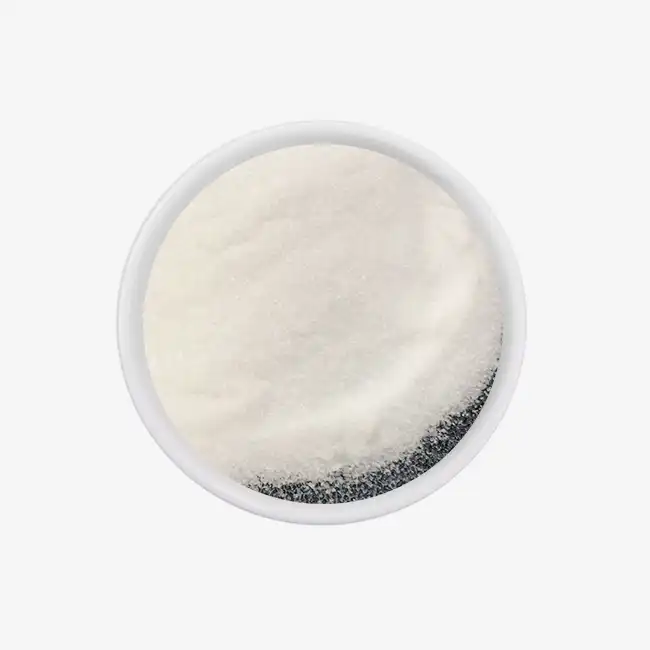
Understanding Industrial Solid Potassium Acetate: Formula, Chemical Properties, and Safety Data
Molecular Structure and Chemical Formula
The chemical formula for potassium acetate is KC₂H₃O₂, which stands for a stable ionic molecule made up of potassium cations and acetate anions. With a molecular weight of 98.14 g/mol, this organic salt is very stable in a wide range of working situations. The acetate part comes from acetic acid, making a substance that can be used in both organic and inorganic chemistry. The material's unique mix of reaction and safety comes from the way its molecules are arranged. This makes it good for places where strong chemicals would damage equipment or ecosystems nearby.
Physical Characteristics and Solubility Profile
Industrial-grade material comes in the form of a white, crystalline powder or a mass that melts easily. It is very hygroscopic. This trait that attracts wetness means that strict storage rules must be followed, but it also lets the substance dissolve quickly in water. It dissolves in about 253 grams of water for every 100 millilitres of water at 20°C, which makes it easy to make high-concentration brines without taking too long. The compound's freezing point stays at 292°C, which makes it stable at high temperatures during exothermic processes that happen a lot in catalyst uses. When building handling systems and writing down process specs for industrial tasks, it's important to understand these physical factors.
Safety Protocols and Material Handling Standards
Material Safety Data Sheets list specific safety issues that need to be taken into account by managers in order to do their jobs right. The substance is not as acutely poisonous as many industrial chemicals, but because it absorbs water, it needs to be handled with gloves to avoid irritating the skin. To keep wetness from absorbing too quickly and causing caking, storage places must keep the relative humidity below 50%. Solutions with a neutral pH range of 7.5 to 9.0 can be used with most metals, but containers made of stainless steel or plastics will last the longest. When this compound comes in touch with skin, emergency measures stress washing with water. This is because the compound is not as dangerous as chloride-based salts or strong acids.
Environmental Compliance and Regulatory Framework
Because it is better for the environment, this acetate salt fits well with current rules and regulations. The substance breaks down naturally and has a low biological oxygen demand (BOD), which means it is less harmful to water in waste situations. This is a very important benefit for deicing jobs near rivers that are sensitive to pollution. Regulatory bodies, such as the Environmental Protection Agency, know that it is better for the climate than regular chloride salts. Adhering to standards like SAE AMS 1435 for aircraft deicing fluids builds trust in fields with a lot of rules. This material fits well with sustainability goals and helps organisations that want to get ISO 14001 environmental management approval. It meets practical needs and supports corporate social responsibility promises.
Preparation and Production of Industrial Solid Potassium Acetate
Industrial Synthesis Methods
Neutralisation processes between acetic acid and potassium hydroxide or potassium carbonate are often used in manufacturing solid potassium acetate. The exothermic process happens at a controlled temperature to keep the material from breaking down and make sure the change is complete. Careful choice of raw materials is needed for high-purity production. Pharmaceutical-grade acetic acid and reagent-grade potassium sources keep impurities from getting into the process. Reaction tanks made of metals that don't rust can handle the acidic air during the early stages and the slightly alkaline end result. After neutralisation, crystallisation happens, and the size distribution of the crystals is controlled by how fast they cool. Centrifugation removes the solid product from the mother liquid. The solid product is then dried in a vacuum or a controlled atmosphere to reach the desired wetness level.
Quality Grades and Purity Specifications
Different uses need different amounts of cleanliness, which separates the market into different groups. Standard industrial grades stay pure above 98.0%, making them good for uses like deicing and drilling fluid where small flaws don't affect performance. For pharmaceutical and food-grade products, tighter rules on heavy metals, chlorides below 500 ppm, and iron level below 10 ppm are needed. Analytical reagent grades are at least 99.5% pure and are used in research and laboratories. Compliance is proven by certification documents from recognised testing labs, and batch-specific Certificates of Analysis make it possible to track. Higher-purity types are controlled by international standards like the USP (United States Pharmacopoeia) or the FCC (Food Chemicals Codex), which set minimum requirements for suppliers to meet.
Sustainable Manufacturing Innovations
Green chemistry ideas are being used more and more in modern production, which is good for the earth and good for business. Solvent recovery systems take acetic acid from mother liquor and return it. This cuts down on the use of raw materials and trash. Spray drying or fluid-bed drying can be used instead of standard stoves to dry things more quickly and evenly while using less energy. Some companies are looking into bio-based acetic acid that comes from fermentation instead of petrochemical synthesis, which would have an even smaller impact on the environment. Using renewable energy sources, like solar thermal for heating processes or wind power for powering buildings, shows that you care about the environment. These new ideas are welcome by buying teams that are under a lot of pressure to meet environmental goals while keeping costs low.
Key Industrial Uses and Performance of Solid Potassium Acetate
Aviation and Infrastructure Deicing Solutions
For freeze protection, airport runways and important bridge structures depend on this substance. It doesn't corrode like calcium or sodium chlorides do. The material works better than others in very cold temperatures like those found at airports in northern latitudes, down to -60°C at eutectic content. Because it doesn't corrode, it protects runway lighting systems, aluminium aeroplane parts, and reinforced concrete buildings. This makes servicing much cheaper over the life of a facility. Biodegradability handles environmental worries about rain water flow entering nearby ecosystems, meeting the strict requirements for airport environmental permits. Major foreign airports say their total cost of ownership is cheaper, even though the cost of materials is higher per tonne. This is because they don't have to pay for as many fixes to the infrastructure or cleanup of the environment.
Oil and Gas

Industrial solid potassium acetate is an important part of high-performance water-based drilling muds used in the energy industry. Potassium ions move between clay lattice structures in shale rocks and stop them from growing and making the hole unstable, which are problems that regular drilling fluids have. This ability to stop shale from moving lets you drill through tough rocks that would normally need expensive oil-based muds that are hard to get rid of in the environment. High solubility lets you change the density without adding too many solid particles that hurt the permeability of the reservoir, which is an important thing to think about for optimising output. Compatibility with polymeric substances like xanthan gum keeps the rheological qualities stable over a wide range of temperatures and pressures that are common in deep wells. Drilling companies say that problems with wellbore stability have led to a higher rate of entry and less time spent on non-productive tasks.
Chemical Synthesis and Polymer Production
In different types of manufacturing, this chemical is used as both a catalyst and a neutralising agent. The production of polyurethane is helped by its ability to speed up the fix time of isocyanate-hydroxyl processes while maintaining the same polymer qualities. It is used to neutralise acidic dye baths in textile processes, and its purity levels keep catalyst poisoning and other unwanted side reactions from happening. The buffering ability keeps the pH stable during batch processes, which lowers the variation in the quality of the final product. When making active pharmaceutical ingredients, pharmaceutical intermediate synthesis especially values high-purity grades that get rid of the risk of contamination. The compound's balanced reactivity makes it useful in a wide range of chemistry fields. It is active enough to cause the reactions that are wanted, but stable enough to allow exact process control.
Validation in the real world comes from well-known people in many fields. After switching from chloride-based deicers, a major airport authority in North America saw a 40% drop in the number of repairs needed to fix concrete that had cracked. An independent drilling firm in the Permian Basin said that acetate-enhanced fluids made drilling 15% faster in shale gaps than with previous formulas. These real results show that the benefits go beyond just theory, which gives procurement leaders more faith as they consider material changes.
How to Choose and Procure Industrial Solid Potassium Acetate?
Evaluating Technical Specifications
For buying to go well, application needs to be clearly defined and matched with provider skills. The main standard is the purity test, which has a direct effect on how well the product works. Higher amounts of active ingredients give more value per shipped tonne, even if the unit price is higher. Testing for alkalinity makes sure that the pH is within the allowed ranges for the purpose, which stops rust or other unwanted reactions in process systems. Levels of chloride and iron impurities are very important when material comes into touch with sensitive metals or is used in food-grade applications. Instead of taking general claims of compliance, ask for thorough Certificates of Analysis that cover all the important factors and compare the real test results to the limits set by the specification.
Packaging and Logistics Considerations
How the material is presented has a big effect on how easy solid potassium acetate is to handle and how long it lasts. Multi-layer polyethylene or polypropylene bags, which usually come in 25kg or 1000kg sizes, keep wetness out of materials that absorb water. Bulk transport via lined railcars or isotanks works best for large customers who have the right infrastructure for accepting goods. This cuts down on packing trash and unit costs. For foreign buyers, container exports strike a balance between savings of scale and inventory management. Delivery times depend on where the goods come from. Items from domestic suppliers usually ship within a few weeks, but goods from international sellers may take 6 to 8 weeks for ocean freight. Make your supply chain more stable by vetting multiple sources from different parts of the world. This way, you won't be relying on just one source, which makes you vulnerable to problems.
Supplier Qualification and Long-term Partnerships
Manufacturers with a good reputation show consistent quality by using strong process controls and clear paperwork. ISO 9001 certification shows dedication to quality management systems, while GMP certification for pharmaceuticals and HACCP certification for food-grade products show competence in specific uses. Better providers stand out because they offer better technical help. Being able to talk to application experts who understand your process problems adds value beyond just providing basic materials. References from customers in related businesses can show how reliable, quick to respond, and good at fixing problems when they come up. While price is still important, it shouldn't be more important than other factors that affect total value, such as quality stability, technical knowledge, and supply security. Building ties with well-known providers in key producing areas is the best way to get cheap prices while still ensuring quality.
Evaluating Chinese Manufacturing Capabilities
China has a lot of production capacity that serves markets around the world. Its economy is competitive, and quality standards are getting better. Major makers have put money into new factories that meet environmental and quality standards around the world. When judging providers from this area, don't just rely on test results made by the seller; also check third-party testing documents. You might want to use quality inspection services for your first few orders to set standard goals before committing to long-term relationships based on volume. Communication methods are important. Suppliers with expert staff that speak English and have experience working with Western markets can better handle standards for specs and paperwork. Periodic site checks, building mutual understanding, and constant growth are all important parts of many good buyer-supplier interactions.
Conclusion
Industrial solid potassium acetate has changed from a speciality product to an important industry answer that improves both performance and environmental impact. It can't be replaced in the flight, energy, and industrial sectors because it has a unique mix of strong usefulness, infrastructure compatibility, and environmental responsibility. Industries are under more and more pressure to reduce their impact on the environment without lowering the efficiency of their operations. This flexible product provides real value by extending the life of equipment, meeting legal requirements, and improving processes. If procurement workers know how to prepare it, what its properties are, and how to use it in different ways, they can help their companies get these benefits while building strong supply chains with qualified partners.
FAQ
When it comes to melting ice, how does solid potassium acetate compare to calcium chloride?
Calcium chloride is cheaper to buy at first, but it eats away at metals, concrete, and composite materials very badly. Potassium acetate stops this rust and keeps deicing working at lower temperatures, which means that infrastructure maintenance costs are greatly lowered over the course of a product's life. The recyclable nature keeps plants and water bodies from getting damaged, meeting environmental and business standards for sustainability that chloride salts can't.
What storing conditions keep the quality of the product and stop it from caking?
Because it is liquefiable, it needs special keeping rules. Multilayer moisture barrier bags that are sealed should stay whole until they are used. Any broken packaging should be thrown away or moved right away to moisture-proof containers. Warehouses need to have enough air flow to keep the relative humidity below 50%. Don't stack boxes too high—the extra weight speeds up the caking process. Material that is stored properly will keep its standards for about two years, but it is best to test the moisture content of material that has been saved for more than twelve months before using it in important uses.
Is it possible to dissolve solids on-site to make liquid mixtures?
On-site breakdown is a common way to cut down on the shipping costs that come with moving water weight. Gradually add solids to water while stirring it. Never add water to solids, because localised exothermic heating could cause splashing. The process of dissolving makes some light heat, which speeds up the mixing. Standard mixing tools make it easy to reach concentration goals of up to 50% by weight. Give it enough time to dissolve completely and the temperature to stabilise before pumping it to the application equipment.
Partner With Zhaoyi Chemical for Your Potassium Acetate Needs
Zhaoyi Chemical has become a reliable seller of industrial solid potassium acetate, meeting the needs of difficult businesses all over the world with steady quality. We can make a wide range of quality grades, from materials that meet standard industrial standards to pharmaceutical-grade materials that meet the tightest international standards. Technical knowledge helps customers optimise their applications by making sure that the material specs match the process needs exactly. We have strict quality control throughout the whole production process. Before a batch is shipped, it is tested thoroughly to make sure it meets or exceeds the stated standards.
Our dedication goes beyond just selling products; it also includes forming real relationships. Quick responses from customer service to questions, and a range of flexible packing choices to meet the needs of different businesses. Whether you need small amounts to test or a steady supply of large amounts, our team keeps you informed throughout the whole buying process. With global transportation, you can be sure that your deliveries will arrive on time, so your production plans won't be interrupted.
Email our expert team at sxzy@sxzhaoyi.com to talk about your unique needs. We give you personalised quotes that take into account your business needs, shipping choices, and application requirements. Before placing a large order, ask for examples of the product to make sure it will work in your processes. You can look at our full line of products at zhaoyichemical.com and find out how our industrial solid potassium acetate for sale can help you run your business more efficiently and meet your environmental goals.
References
Smith, J.R., and Peterson, L.M. (2021). Industrial Deicing Chemicals: Performance and Environmental Considerations. Association of American Airport Executives Technical Publications.
Chen, W., and Rodriguez, M. (2020). "Shale Inhibition Mechanisms in Water-Based Drilling Fluids." Journal of Petroleum Technology, Vol. 72, No. 8, pp. 45-52.
Thompson, K.L. (2022). Organic Salt Chemistry: Applications in Industrial Processes. Cambridge Industrial Chemistry Series, Cambridge University Press.
International Air Transport Association (2021). Airport Winter Operations: Best Practices for Sustainable Deicing. IATA Technical Manual, 4th Edition.
Anderson, P.H., and Liu, S. (2019). "Comparative Analysis of Acetate-Based Catalysts in Polyurethane Synthesis." Industrial & Engineering Chemistry Research, Vol. 58, No. 12, pp. 4892-4901.
National Association of Corrosion Engineers (2020). Corrosion Prevention in Transportation Infrastructure: Material Selection Guidelines. NACE International Standard Publication SP0108-2020.

USER EVALUATE
Here is the customer's evaluation of us