



Uses of Potassium Acetate in Medical and Healthcare Fields
Chemical name for pharmaceutical solid potassium acetate (CH₃COOK) is an important part of modern medicine. This white, solid substance is very important in medicine for many reasons, such as fixing electrolyte problems and keeping life-saving drug mixtures stable. Pharmaceutical-grade potassium acetate is different from technical-grade potassium acetate, which is used in factories. It goes through strict cleaning processes to get rid of heavy metals and other pollutants, which protects patients. It is essential for people with metabolic disorders and hyperchloremic acidosis that healthcare centers have this substance on hand because it can supply potassium ions without adding too much chloride.
Understanding Pharmaceutical Solid Potassium Acetate
Medical-grade potassium acetate stands out because it meets very high standards for clarity and follows all the rules very carefully. In this part, we'll look at the main features of this chemical that make it useful for important medical uses.
Chemical Properties and Physical Characteristics
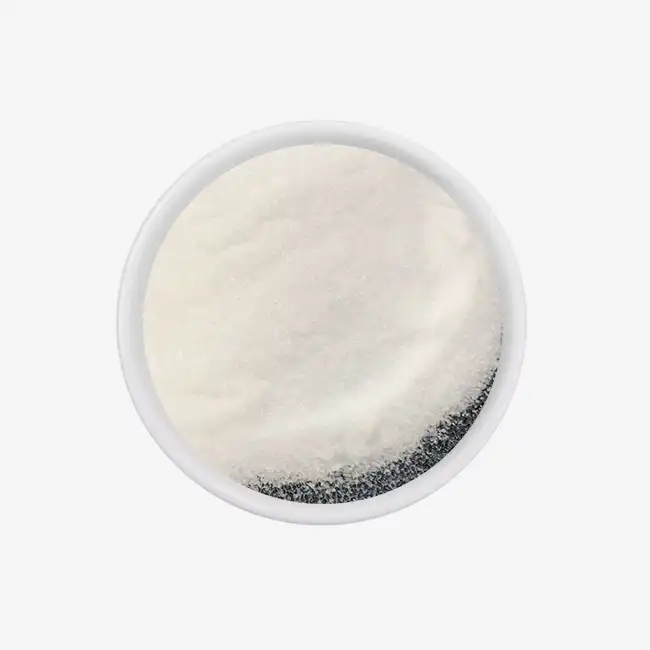
Potassium acetate is the potassium salt of acetic acid. It has a molecular weight of 98.14 and is defined by the formula CH₃COOK. This white, crystalline material dissolves very easily in water, alcohol, and acidic liquids. It also dissolves quickly when added to preparations for intravenous use. Because the material is hygroscopic, it needs to be handled carefully because it easily draws water from its surroundings.
Unlike regular potassium chloride, pharmaceutical-grade potassium acetate is made using special methods that make it more than 99.0% pure. The amount of heavy metals is still kept below 0.0005%, and the amount of chloride impurities is kept at or below 0.01%. These strict requirements are in line with international pharmacopoeial standards like those set by the USP, EP, BP, and JP.
Pharmacological Mechanisms in Human Biology
When given through an IV, potassium acetate is changed in the liver through biochemical processes. The acetate part changes into bicarbonate, which makes the body more alkaline and fights metabolic acidity. This process does two things at once: it restores potassium stores and fixes pH changes in the bloodstream.
Because of how it works, the chemical is especially useful in critical care settings. Ions of potassium control the heartbeat, the tightening of muscles, and the sending of nerve signals. For people who already have high chloride levels, the acetate part offers an option that does not contain chloride ions. This chemical route helps people get better after long-term diarrhoea, vomiting, or taking too many diuretics.
Storage Requirements and Stability Considerations
Controlled weather conditions are needed to keep pharmaceutical solid potassium acetate's purity. The thing should be kept in stores that are dry, well-ventilated, and keep the temperature and humidity reasonable. Exposure to moisture causes clumping and decay, which lowers the quality of the product.
Standard packaging includes 25 kg plastic weave bags or 1000 kg ton-bags that are made to keep wetness out. Handlers must keep packages safe from heat sources and damage while they are being moved. Warehouse rules say that things that don't go together must be kept separate, especially oxidising agents and poisonous materials. When kept properly, pharmaceutical-grade potassium acetate stays stable for a long time, making sure that it works well when added to medical formulas.
Key Medical and Healthcare Uses of Potassium Acetate
Solid potassium acetate can be used as a medicine in a lot of different medical fields. Medical workers like this substance because it works reliably to treat complex metabolic diseases and help with important steps in making medicines.
Electrolyte Replacement Therapy Applications
Hypokalaemia is a dangerous medical situation in which the amount of potassium in the blood drops below what is considered normal. This lack affects the heart's ability to beat, the strength of muscles, and the functioning of cells. Pharmaceutical solid potassium acetate works well as a cure, especially when limiting chloride is medically important.
Intravenous treatments with potassium acetate bring back the balance of electrolytes without making hyperchloremic situations worse. Because the substance dissolves quickly, injectable feeding recipes and large amounts of IV solutions can be made quickly. Clinical studies show that adding potassium supplements based on acetate lowers the risk of chloride overload, which can cause kidney problems in patients who are already weak.
Metabolic Acidosis Correction Mechanisms
Metabolic acidity happens when the body loses too much bicarbonate or makes too much acid. This disease risks the work of important organs and needs to be treated right away. Potassium acetate is turned into bicarbonate in the liver, which makes the whole body more alkaline.
The compound's ability to buffer helps keep blood pH levels stable while also preventing potassium loss. Because it has two benefits, it is better than simple potassium chloride when electrolyte issues are accompanied by acid-base problems. Patients in intensive care units who have diabetic ketoacidosis, kidney tube acidosis, or metabolic problems caused by shock are often treated with potassium acetate.
Hemodialysis Solution Manufacturing
Patients with renal failure who are on haemodialysis need dialysate solutions that are perfectly balanced to get rid of waste and keep electrolyte stability. A very important part of haemodialysis concentrate formulas is pharmaceutical solid potassium acetate.
The chemical gives the body the potassium ions it needs to keep dangerous rhythms from happening during dialysis sessions. Because it doesn't contain chloride, makers can precisely control the conductivity levels, which keeps patients safe during the filtering process. Dialysis centers count on regular quality and purity to avoid problems that can happen when concentrates are contaminated or not made correctly.
Pharmaceutical Formulation Buffering
Stability issues with antibiotics are always a problem in the pharmaceutical industry. When the pH changes, beta-lactam medicines, especially penicillin forms, break down quickly. Potassium acetate works well as a balancing agent to keep pH levels in the right ranges during production, storage, and treatment.
Because the substance doesn't react badly with sterilisation methods, it can be used to make injectable antibiotics. Pharmaceutical-grade potassium acetate does not break down in high-temperature autoclave settings like some other buffers do. This thermal stability keeps treatment effectiveness in medicines that are affected by temperature and extends the shelf life.
Parenteral Nutrition Formulation Support
Total parenteral nutrition (TPN) gives people who can't eat or drink anything else all the nutrients they need. There are amino acids, sugars, fats, salts, vitamins, and trace elements in these complicated mixes. Potassium acetate is the best potassium source for TPN recipes because it dissolves easily and works well with other ingredients.
When mixed with clean water for injection, pharmaceutical solid potassium acetate breaks fully, leaving behind no particles that could block IV tubes or cause embolic events. When chemists make TPN solutions, they like that pharmaceutical solid potassium acetate behaves in a reliable way. This makes combining formulas easier and cuts down on mistakes during preparation.
Best Practices for Procuring Pharmaceutical Solid Potassium Acetate
For strategic buying to work, quality oversight and business effectiveness must be balanced. Systematic methods to choosing suppliers and checking materials are helpful for healthcare organisations and drug companies.
Identifying Reputable Pharmaceutical Solid Potassium Acetate Suppliers
The background of manufacturing can help you figure out how reliable a company is. Companies that have been around for more than thirty years usually have stable output skills and a lot of technical know-how. Shanxi Zhaoyi Chemical Co., Ltd., which has been in business since 1988 and can make 150,000 tonnes of acetate series products every year, is a good example of this kind of long-lasting making.
A supplier's name goes beyond the amount of work they do. Referrals from other businesses in the same field, customer reviews, and return business all show that the service and products are consistent. When manufacturers back workplace checks, it shows that they are open and confident in their business. Being close to pharmacy hubs may cut down on shipping times, but quality standards should never be lowered to make logistics easier.
Evaluating Certifications and Compliance Documentation
Pharmaceutical-grade materials need a lot of paperwork to show that they follow the rules. Suppliers must show up-to-date certificates that show they follow pharmacopeial standards that apply to the target markets. Customers in North America are served by USP compliance, while European customers are served by EP approval.
Quality management certificates show that you can control production in a methodical way. Quality management systems are approved by ISO 9001 certification, environmental duty is approved by ISO 14001 certification, and health and safety at work is approved by ISO 45001 certification. Religious approvals like KOSHER and HALAL make markets more open to a wider range of customers.
Negotiating Purchase Terms and Order Quantities
Minimum order numbers (MOQ) make sure that both the seller and the user can make the product efficiently and store it. Buying in bulk lowers unit costs, but you need to have the right storage facilities. When figuring out the best order number, procurement teams should think about things like storing space, usage rates, and capital sharing.
Payment terms affect how you handle your cash flow and your relationships with suppliers. Letters of credit are common in this business for foreign deals, and net payment terms are common for long-term users. Large or regular orders may be eligible for volume savings, which makes long-term supply deals more cost-effective.
Conducting Pre-Purchase Quality Verification
Costly quality problems can be avoided by trying samples before committing to large orders. Suppliers with a good reputation give labs example samples to analyse. Third-party testing proves claims of purity, checks for heavy metals, and makes sure that pharmacopoeial requirements are met.
Ask for full COA reports to be sent with samples and compare the written specs with the test results. Concerns about factory uniformity are raised when claimed values don't match measured values. A microscopic look shows the crystal structure and finds any possible contaminants. Testing for dissolution in the right liquids shows that it can be used for what it was made for.
Managing Logistics and Transportation Safety
Protocols for transporting solid potassium acetate keep pharmaceutical-grade materials from breaking down while they're in travel. Moisture-proof packing keeps products from being exposed to wetness, which can cause them to clump and lose quality. Even when the weather is very bad, climate-controlled shipping barrels keep the right temperatures inside.
Shipments should come with handling directions that tell carriers how to store them correctly and how many items they can stack at once. Transportation costs and damage claims are covered by insurance. Tracking tools let you see shipments in real time, so you can take action before they get late or have problems with tracking. When wholesalers and transportation providers talk to each other clearly, it's easy for materials to move from factories to places where they are used.
Ensuring Safe Handling and Storage of Potassium Acetate
Safety at work and the quality of the product rely on following the right steps for dealing throughout the supply chain. Companies need to set up detailed rules for things like how to store things, how to train employees, and what to do in an emergency.
Optimal Storage Environment Controls
Pharmaceutical solid potassium acetate is temperature stable, so it won't degrade over time. Temperatures should stay mild in storage places that aren't near heaters, direct sunlight, or things that can catch fire. Too much heat speeds up the absorption of water and can cause chemicals to break down.
Controlling humidity is the most difficult part of keeping. Because the product is hygroscopic, it needs to be stored in places with relative humidity levels below 40%. Dehumidification systems keep things dry, and packing with moisture barriers adds another layer of protection. Using accurate hygrometers to check the surroundings on a regular basis makes sure that all of the factors stay within acceptable ranges.
Ventilation systems keep dust from building up in storage areas and remove particles from the air. Enough air flow lowers the risk of condensation and keeps the air quality high for people who are working with materials. Separated storage areas for chemicals that don't mix stop chemicals from getting contaminated by mistake and causing dangerous reactions.
Material Safety Data Sheet Compliance
Safety Data Sheets (SDS) have important information for dealing chemicals safely. These papers explain the chemical and physical qualities, how to spot hazards, and how to stay safe. Healthcare sites must keep up-to-date SDS documents that all staff who handle pharmaceutical solid potassium acetate can access.
To protect yourself when working with solid materials, you need to wear safety glasses, gloves, and a dust mask. When dust particles touch your skin, they can hurt it, and breathing them in can upset your lungs. Airborne contact is kept to a minimum during weighing and moving tasks by making sure there is enough ventilation.
Emergency Response Procedures
Spill control measures stop the spread of contamination and keep workers safe. Small messes can be moved into containers to be reused or thrown away, but big ones need special cleaning methods. Most of the time, neutralisation is not needed, but the impacted areas should be washed with water to get rid of any leftover material.
If someone eats or is exposed to a lot of radiation, they need medical help right away. First responders should be told about the exact chemical and how people could be exposed to it. Facilities that store large amounts of pharmaceutical-grade potassium acetate should get in touch with their local poison control centers and emergency services.
When you make eye contact, you need to wash your eyes with lots of water for at least fifteen minutes. Wearing contaminated clothes should be taken off, and skin that is affected should be washed well. These simple emergency steps lessen the seriousness of injuries until professional medical help comes.
Conclusion
Pharmaceutical solid potassium acetate is an important part of current medicine that can't be replaced. Because it restores electrolytes and makes the body more alkaline, it can solve difficult medical problems that other chemicals can't. This chemical has a lot of different uses in medicine. It is used to treat metabolic acidosis in critical care units and to keep drug formulations stable in pharmaceutical labs. Professionals in procurement who know about quality standards, how to evaluate suppliers, and the right way to handle materials make sure that their companies can get this important medicinal ingredient when they need it. The substance is still very important for improving healthcare results, as shown by its growing use in dialysis, intravenous feeding, and drug production.
FAQ
Understanding common concerns about pharmaceutical solid potassium acetate helps procurement teams make confident sourcing decisions. These frequently asked questions address practical challenges encountered in healthcare and pharmaceutical manufacturing environments.
How does pharmaceutical grade differ from technical grade potassium acetate?
Pharmaceutical-grade material undergoes rigorous purification eliminating heavy metals, reducing chloride content, and controlling endotoxin levels. Technical-grade variants contain higher impurity concentrations suitable for industrial applications like de-icing or drilling fluids but unsuitable for human administration. The manufacturing processes, quality testing protocols, and regulatory compliance requirements differ substantially between these grades.
Can pharmaceutical solid potassium acetate be autoclaved in solution?
This compound maintains chemical stability during standard autoclave sterilization cycles. Solutions withstand high-temperature, high-pressure conditions without significant decomposition. Monitoring pH values post-sterilization confirms no adverse interactions occurred with other formulation components. This thermal stability supports efficient pharmaceutical manufacturing workflows requiring sterile injectable preparations.
What causes caking in stored potassium acetate?
The compound's deliquescent properties cause moisture absorption from ambient air. Once opened, containers should be resealed immediately using moisture-barrier closures. Storage environments maintaining relative humidity below 40% and temperatures below 25°C minimize caking risks. Proper packaging in LDPE-lined drums provides additional moisture protection for long-term storage.
Why choose potassium acetate over potassium chloride for certain patients?
Potassium acetate delivers potassium supplementation without introducing additional chloride ions. Patients with hyperchloremia or hyperchloremic acidosis cannot tolerate extra chloride loads. The acetate component metabolizes to bicarbonate, providing alkalizing effects that chloride salts cannot offer. This pharmacological distinction makes potassium acetate the preferred choice in specific clinical scenarios.
Partner with Zhaoyi Chemical for Premium Pharmaceutical Solid Potassium Acetate
With more than 30 years of experience, Shanxi Zhaoyi Chemical Co., Ltd. has been making pharmaceutical-grade acetate chemicals. We are a reliable provider of pharmaceutical solid potassium acetate. Our qualifications include quality certifications that meet USP, EP, BP, and JP standards. We have high quality standards that say heavy metals can't be more than 0.0005% and chloride can't be more than 0.01%. This makes sure that your recipes meet the strictest legal requirements.
Our 27,000-square-meter production plant can handle 150,000 tonnes of product every year and has lead times of 5 to 7 business days. It works with both big pharmaceutical companies and specialised healthcare uses. Our ISO 9001, ISO 14001, ISO 45001, KOSHER, and HALAL certifications show that we care about quality control and making our products available to all markets. Full tracking systems and full COA documents come with every package, which makes it easier to follow the rules.
You can email us at sxzy@sxzhaoyi.com to get samples, talk about buying pharmaceutical solid potassium acetate in bulk, or set up an audit of your plant. You can get help from our expert support team 24 hours a day, seven days a week with recipe questions and application advice. You can look at our full line of acetate products at zhaoyichemical.com and learn how our high-quality production can help your healthcare goal.
References
American Society of Health-System Pharmacists. "Potassium Acetate Injectable Solution: Clinical Pharmacology and Therapeutic Applications." ASHP Drug Information Handbook, 2023 Edition, pp. 1847-1852.
Kraut, J.A. and Madias, N.E. "Treatment of Acute Metabolic Acidosis: A Pathophysiologic Approach." Nature Reviews Nephrology, vol. 8, no. 11, 2012, pp. 589-601.
United States Pharmacopeial Convention. "Potassium Acetate Monograph." United States Pharmacopeia and National Formulary (USP 43-NF 38), 2020, pp. 4234-4236.
Mirtallo, J.M. et al. "Safe Practices for Parenteral Nutrition: Electrolyte Considerations in Adult Patients." Journal of Parenteral and Enteral Nutrition, vol. 38, no. 2, 2014, pp. 151-162.
European Pharmacopoeia Commission. "Potassium Acetate: Quality Standards for Pharmaceutical Applications." European Pharmacopoeia, 10th Edition, Council of Europe, 2020, pp. 3567-3569.
Winchester, J.F. and Kriger, F.L. "Hemodialysis Concentrate Formulations: Acetate versus Bicarbonate-Based Solutions." Seminars in Dialysis, vol. 29, no. 5, 2016, pp. 372-379.

USER EVALUATE
Here is the customer's evaluation of us