



How Is Potassium Acetate Used in Oilfield Drilling Fluids?
Modern upstream oil and gas operations use oilfield solid potassium acetate as an addition to drilling fluid that can do many things. It helps keep the wellbore stable and protects the rock. This white crystalline substance (CH₀COOK, CAS 127-08-2) is mostly used to stop shale from forming, keep clay stable, and add weight to water-based muds and finishing brines. Oilfield service companies and drilling contractors use it to keep wellbore integrity in unstable formations, stop reactive shale from swelling through effective cation exchange, and make clear, high-density brines that reduce formation damage during completion and workover operations, especially when environmental rules don't allow chloride-based alternatives.
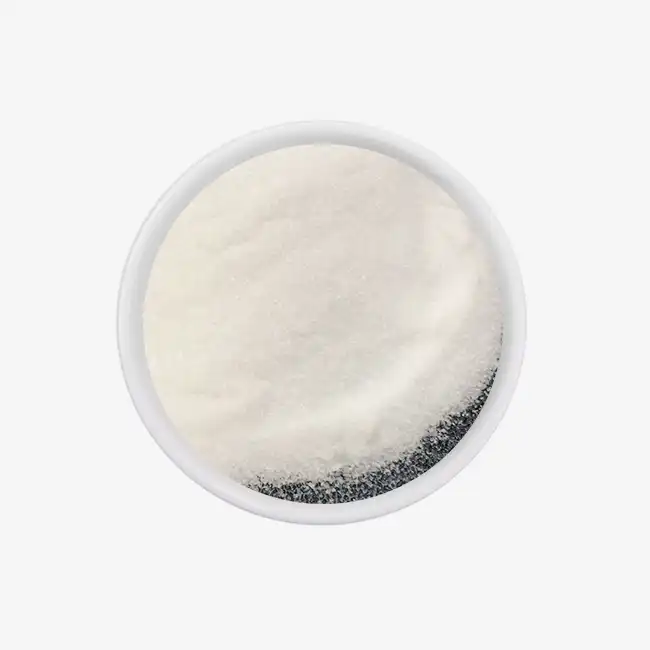
Understanding Potassium Acetate in Oilfield Drilling
The Chemical Foundation of Drilling Fluid Performance
Potassium acetate's chemical structure gives us two important parts for drilling fluid chemistry. The potassium cation (K⁺) stabilises clay by exchanging ions with sodium and calcium ions that are naturally found in shale. This exchange stops the clay grid from expanding when drilling fluids hit rocks that are sensitive to water. The acetate anion (CH₃COO⁻), on the other hand, makes the fluid denser and is better at breaking down naturally than other bromide salts. Our technical-grade version at Zhaoyi Chemical is purer than 99.0%, which means it has the most active ingredients for controlling osmotic pressure and the fewest impurities that could hurt the fluid's performance or cause chemical reactions that weren't meant to happen downhole.
Shale Stabilization Mechanisms in Practice
Drilling through shale layers that are high in smectite and illite clays makes the wellbore unstable because water gets in and swells the rock. The chemical does its job by adding a lot of potassium ions to the drilling fluid. These ions move into the clay layers and replace the smaller sodium ions. Potassium's larger ionic radius and lower hydration energy make the structure of clay more solid, so it doesn't let any more water soak in. In the field, it has been shown that amounts between 3 and 8 percent by weight in water-based muds can stop shale from growing in a wide range of natural conditions. This process is very different from mechanical wellbore support because it targets the chemical cause of instability instead of just holding free forms in place.
Advantages Over Traditional Salt Additives
The acetate version is better for both operations and the environment compared to potassium chloride, which has been the main shale inhibition chemical for decades. The lack of chloride ions gets rid of a main source of corrosion for downhole tubulars and surface equipment. According to industry corrosion studies, this could increase the life of tools by 30 to 40 percent. Additionally, the acetate version works better with polymer additions like xanthan gum and polyanionic cellulose, keeping its viscosity profiles over a wider temperature range. Acetate-based fluids prevent formation damage during hydraulic fracturing by not reacting with certain aquifer minerals in the way that chloride salts do, which leads to precipitation. These performance traits directly lead to less time spent on non-productive tasks and higher rates of petroleum recovery.
Comparing Potassium Acetate with Other Drilling Fluid Additives
Performance Metrics Against Common Alternatives
There are a number of different shale inhibitors on the market for drilling fluid additives, and each one works in a different way. Potassium chloride is still cheap and easy to get, but the chloride content makes it hard to get rid of properly and speeds up equipment rusting. Because of changes in ionic size, sodium acetate doesn't biodegrade as well as potassium ions do, and potassium ions are better at blocking clay. Formate salts have great environmental and high-temperature profiles, but they usually come at a higher price, which can make project economics difficult on contracts that are sensitive to price.
Three things should be thought about when comparing solid potassium acetate to these other options: shale reactivity indices measured through linear swell tests consistently show 15–25% better swelling prevention compared to equivalent potassium chloride concentrations; corrosion rates on carbon steel coupons drop by 60–70% in acetate-based fluids compared to chloride systems; and biological oxygen demand measurements show that acetate compounds break down faster in waste streams. These differences can be measured, which makes the selection process more fair for buying teams that need to balance efficiency, environmental responsibility, and the total cost of ownership.

Solid Versus Liquid Formulation Trade-offs
Downhole, both solid and liquid potassium acetate formulations work the same, but the choice that is made is usually based on logistics. The solid crystalline form, which comes in 25 kg braided bags or 1000 kg giant bags, is about 40% lighter than 50–60% water-based solutions, which means lower freight costs for drilling sites that are far away. This is a big plus for logistics managers when they have to serve remote bases or operations in the Arctic, where shipping room is expensive.
The solid form, on the other hand, needs mixing tanks, agitators, and quality control measures at the rig site to make sure it dissolves completely before fluid movement starts. The substance is hygroscopic, which means it needs to be kept dry during storage. Humidity makes it hard to work with because it causes caking. On the other hand, liquid versions are easier to use right away, but they cost more to move and need bigger holding tanks. Businesses that already have ways of handling liquids and don't have a lot of stock space tend to prefer liquid goods. On the other hand, new projects and sites that are far away do better with the solid versions that Zhaoyi Chemical provides, along with detailed dissolve methods and on-site expert support.
Application and Operational Guidelines for Solid Potassium Acetate
Primary Deployment Scenarios
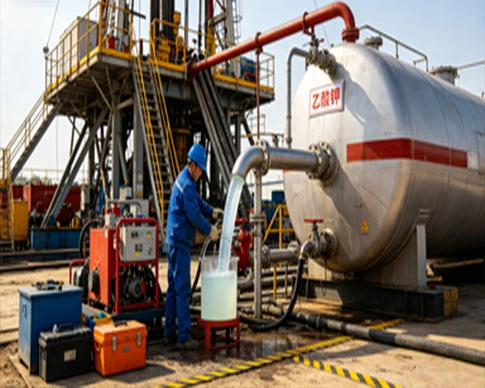
The most common use for this substance is in drilling mud that is based on water. Engineers who work with mud usually add it at levels between 30,000 and 80,000 mg/L, based on how reactive the rock is and how much offset well data they have. The chemical dissolves easily in either freshwater or ocean base fluids, and it stays stable in pH ranges of 8 to 10 that are typical in digging. Gradual addition while keeping motion stops localised oversaturation and makes sure that the fluid is spread out evenly throughout the system.
Higher amounts are used in completion and workover fluids to make clear brines with specific gravities of 1.28 to 1.30. These solids-free waters keep particles from getting into producing formations and keep the atmospheric pressure in check while well intervention is happening. The chemistry of acetate stays stable at temperatures above 150°C, which makes it good for high-pressure, high-temperature pools where other brines break down. Enhanced oil recovery projects are choosing acetate brines more and more because they work well with formations and keep the reservoir's ability to flow oil better than calcium chloride or zinc bromide systems.
Safety and Handling Protocols
People who work with the solid product need to wear normal safety gear like chemical-resistant gloves, safety glasses, and dust masks when they are handling bags and mixing. The substance isn't very dangerous—it's not listed as a DOT hazardous material for ground transportation—but it may irritate your skin slightly if you touch it directly because it dissolves in water and is alkaline. Storage places on rig sites must stay dry, with a relative humidity below 60%, so that water doesn't soak in and cause caking and handling problems.
The product's stable profile helps with transportation operations. Potassium acetate can be shipped at temperatures ranging from -20°C to 40°C without breaking down, unlike some chemicals used in the oil industry that need to be kept at a certain temperature. Strong acids and oxidising agents should be kept away from it in warehouses, but it won't catch fire or explode. The material safety data sheets we give out explain what to do in an emergency, but because the substance is chemically safe, accidents still don't happen very often. Compared to more dangerous drilling fluid additives, these good safety features lower insurance costs and the work needed to follow rules.
Environmental and Regulatory Considerations
Because oilfield solid potassium acetat products break down naturally, they can be used in places where the environment is being more closely watched. In oxygen conditions, microbial breakdown processes break down acetate ions into carbon dioxide and water within days. This is very different from chloride salts that stay in waste sites for a long time. Acetate-based systems that meet OSPAR and EPA pollution standards without needing expensive waste treatment facilities are being used more and more by offshore operations that have to follow strict release rules.
Chemical oxygen demand and biological oxygen demand values for acetate drilling solutions are 60–70% lower than those for chloride-based alternatives. This makes it easier to handle trash and lowers the cost of cleaning up the environment. Aquifer protection zones and marine reserves are some of the places where the amount of salt that can be in drilling fluids is now limited. Zhaoyi Chemical keeps a lot of paperwork to back up its environmental permit requests. This includes poison studies and biodegradation certifications that help the government approve permits faster. This cautious environmental image helps companies keep their good reputation while also keeping their promises to be environmentally friendly.
Procurement Insights: How to Source Quality Oilfield Solid Potassium Acetate?
Supplier Evaluation Criteria
When looking for a trusted chemical provider, you need to look at more than just the unit price. A supplier's manufacturing capacity shows whether they can meet the needs of big projects without delaying the allocation process. Zhaoyi Chemical's 150,000-ton annual production capacity across acetate product lines makes sure that their products are always available, even when market demand spikes. Quality management system standards like ISO 9001, ISO 14001, and ISO 45001 show that there are regular process controls that make sure that each batch is the same, which is very important for making drilling fluids.
Third-party certificates like KOSHER and HALAL are mostly used in the food industry, but they show strict quality standards and tracking systems that help corporate buyers by making paperwork and quality assurance better. For each batch of their products, well-known makers keep thorough records of analysis that list the levels of purity, the amount of wetness, any heavy metal traces, and the spread of particle sizes. With these technical specs, mud engineers can confidently guess how fluids will behave and make changes to formulas. Procurement teams should ask for example accounts from businesses with similar sizes and check to see how well they do at delivering on time in a variety of local markets.
Packaging and Logistics Optimization
When deciding to buy in bulk, you have to weigh the benefits of economies of scale against the limitations of your store space. The compound comes in 25 kg multi-wall paper bags with plastic covers, which are good for smaller operations and testing programs. For high-volume buyers, 1000 kg giant bags make the best use of storage space and lower the cost of packing per tonne. Some sellers offer middle-of-the-road packing sizes, like 50 kg bags or 500 kg boxes, that are easy to handle and store for mid-sized drilling companies.
Lead times depend on the size of the order and how customised it needs to be. Standard goods from well-known companies like Zhaoyi Chemical usually ship within 5–7 working days of order approval. However, it may take 3–4 weeks for custom recipes or higher purity grades to be scheduled for production and quality checks. Ocean freight from Asian production hubs to North American or European delivery centers takes an average of 30 to 45 days. This means that predicting demand and planning for safety stock are necessary. Strategic buyers make framework deals that spell out yearly amounts, delivery plans, and price methods that keep supplies stable while still letting buyers change their minds about what they need.
Building Supplier Partnerships
Having a long-term relationship with a seller of solid potassium acetate is more valuable than just saving money on transactions. Technical support is what sets strategic partners apart from product providers. Being able to access application experts who help with optimising fluid formulations, troubleshooting operational problems, and on-site training makes operational results significantly better. Zhaoyi Chemical gives each client a personal account manager who knows how the client's business works and makes sure that pressing supply needs or technical questions are answered quickly, usually within two hours during business hours.
Clear information about production plans, the supply of raw materials, and market conditions makes it possible to control risks before they happen. When people work together, they can make continuous improvement projects easier, and practical feedback can help with product growth and quality improvements. When a buyer needs to get more than one chemical product, seller combination strategies can help. These strategies make it easier to manage purchases, give buyers more buying power, and improve supply chain awareness. These aspects of the relationship give it competitive benefits that are greater than the small differences in costs between producers of goods.
Case Studies and Industry Applications
Shale Gas Development Success
A big shale gas company in North America had problems with wellbore instability in the Marcellus formation. They had multiple instances of pipes getting stuck, which added 72 hours of downtime per well. Formation research showed smectite clays that were very reactive and needed stronger chemicals to stop them from reacting than potassium chloride alone could do. The drilling firm changed their water-based mud system so that it now contains 5% potassium acetate. In lab tests, this decreased clay swelling values by 40%.
Implementing this strategy in six more wells got rid of all instances of stuck pipes and cut the average digging time by 18%, which saved the drilling program a lot of money. Post-drilling wellbore calliper logs showed that the gauge hole was better than in offset wells, which means that the rock was more stable. The environmental status of acetate-based fluids made it easier to get rid of trash because they met the standards for release set by the Pennsylvania Department of Environmental Protection without needing any extra cleaning. In difficult geographic settings, this case shows how the right choice of additives has a direct effect on working efficiency and project costs.
Offshore Completion Optimization
An offshore company in the North Sea needed clear finishing brines for a high-pressure gas reserve where damage to the rock could have a big effect on production. When traditional calcium chloride brines came in touch with formation fluids that were high in bicarbonate, calcium carbonate could form. The engineering teams chose a potassium acetate brine system that had the right specific gravity (1.32), and it was also chemically compatible with the rocks in the basin.
The acetate-based finishing fluid made opening and beginning output possible without the need for acid agitation that would have been needed with regular brines. Production logs showed that the punctured gap had a regular flow input, which confirmed that there was minimal damage to the formation. The well reached 115% of the expected starting production rates, which proved that the choice of finishing fluid was the right one. Also, the organic fluid chemistry met the requirements for offshore release, so there was no need to move the trash inland, which would have cost a lot more. This application shows how improved drilling fluid chemistry directly raises the value of an asset by making reservoirs work better.
Conclusion
The smart use of oilfield solid potassium acetate solves basic problems in the engineering of drilling fluids by being better at stopping rock formation, protecting equipment, and being eco-friendly. Its solid form makes it easier to move and has been shown to work well in water-based muds, finishing brines, and workover fluids. Instead of just looking at price, procurement teams should judge providers based on their production capacity, quality standards, expert support, and how reliable their deliveries are. Case studies from real life show that changes can be made to drilling efficiency, wellbore stability, and rock security, all of which have a direct effect on the costs of the project. As rules about the environment get stricter and companies look for harder and harder sources, acetate-based drilling fluid systems will continue to grow their role in responsible resource development.
FAQ
Why would you pick potassium acetate over potassium chloride?
Through K+ ion exchange, potassium chloride successfully stops shale from growing. However, the chloride anion causes rusting risks and environmental problems. Potassium acetate keeps shale from forming in the same way that chloride does, but it also stops rust caused by chloride, which makes equipment last longer and makes environmental compliance easier. The acetate anion breaks down quickly, which has less of an effect on the environment over time than chloride that builds up over time at dumping sites. Acetate chemistry is especially useful for operations that are done in areas that are sensitive to the climate or with old equipment.
How does the handling of solid potassium acetate compare to liquid potassium acetate?
Compared to 60% water solutions, solid crystalline potassium acetate is 40–50% lighter, which makes it much cheaper to ship to remote areas. The solid form needs infrastructure for breakdown at the rig site, but it's better for container storage and doesn't freeze during shipping in cold weather. Liquid versions are easier to use right away, but they cost more to ship and need bigger holding tanks. The best shape depends on things like the current facilities, freight costs, and practical choices at the site.
How much of a quantity works best in drilling fluids?
Water-based drilling muds usually have 3-8% by weight (30,000–80,000 mg/L) of solids, but this can change based on how reactive the rock is and how stable the wellbore needs to be. Higher concentrations are used in completion brines to hit goal levels. For clear brine systems, these concentrations often reach 25 to 30 percent. Engineers who work with mud change the ratios based on data from offset wells, analyses of formation minerals, and notes made during real-time digging. Starting with low amounts and raising them based on tests of how well the shale pieces spread out is the most cost-effective way to make sure there is enough blockage.
Partner with Zhaoyi Chemical for Your Drilling Fluid Needs
Zhaoyi Chemical is ready to help your drilling operations with high-purity oilfield solid potassium acetate. This product is made in our 150,000-ton plant under strict quality controls. We have been selling consistent-quality acetate goods to oilfield service companies, drilling firms, and chemical dealers in North America, Europe, and Asia since 1988. Our products are certified ISO 9001, KOSHER, and HALAL. Our expert team helps you with application advice, recipe optimisation, and quick answers to practical questions. This makes sure that your drilling fluid systems work reliably in tough downhole conditions. We offer flexible packages and reasonable prices that are suited to your project's needs, whether you need 25 kg bags for testing or shipments of several tonnes for large drilling efforts. Get in touch with our purchasing experts at sxzy@sxzhaoyi.com to talk about your needs with a reliable oilfield solid potassium acetate source that cares about your business's success.
References
Caenn, R., Darley, H.C.H., and Gray, G.R. (2017). Composition and Properties of Drilling and Completion Fluids, 7th Edition. Gulf Professional Publishing.
Anderson, R.L., Ratcliffe, I., Greenwell, H.C., Williams, P.A., Cliffe, S., and Coveney, P.V. (2010). "Clay swelling — A challenge in the oilfield." Earth-Science Reviews, 98(3-4), 201-216.
Patel, A.D., Stamatakis, E., Young, S., and Clapper, D.K. (2007). "Shale hydration inhibition agent and method of use." SPE International Symposium on Oilfield Chemistry, Houston, Texas, USA.
van Oort, E. (2003). "On the physical and chemical stability of shales." Journal of Petroleum Science and Engineering, 38(3-4), 213-235.
Growcock, F.B. and Patel, A.D. (2011). "The revolution in non-aqueous drilling fluids." AADE National Technical Conference and Exhibition, Houston, Texas, USA.
Welton, T.D., Bryant, J., and Funkhouser, G.P. (2007). "Anionic surfactant structures for use in shale drilling applications." SPE International Symposium on Oilfield Chemistry, Houston, Texas, USA.

USER EVALUATE
Here is the customer's evaluation of us