



Best Deicing Chemicals for Airports: Why Potassium Acetate Wins
When winter weather put aeroplane safety at risk, picking the right deicing product is very important. Airport runway solid potassium acetate has become the standard for deicing runways, outperforming traditional chemicals in terms of performance, safety, and care for the environment. This organic salt mixture works well at temperatures as low as -60°C, keeps aluminium and magnesium parts of aeroplanes from rusting, and breaks down naturally without releasing any dangerous chemicals. Potassium acetate consistently melts ice and meets SAE AMS 1431 flight standards, unlike old urea-based goods that don't work below -7°C or chloride salts that damage infrastructure. More and more, aviation officials and airport owners around the world are relying on this tried-and-true method to keep operations going during bad weather.
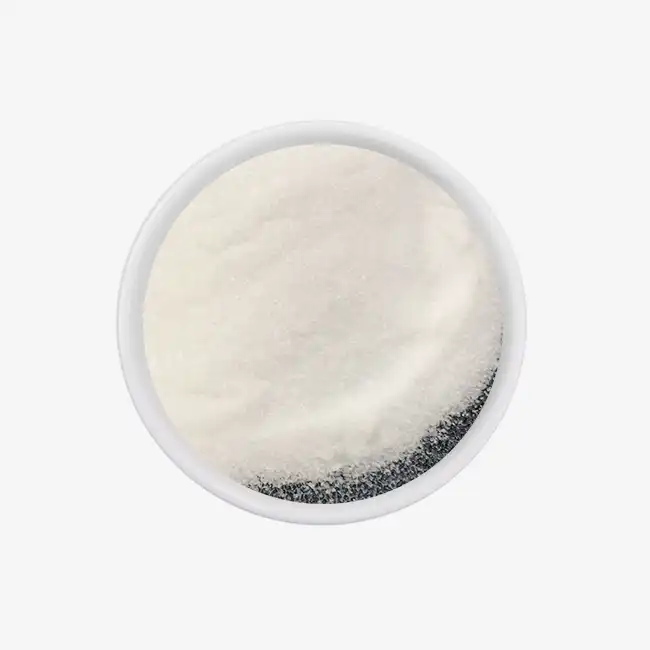
Understanding Potassium Acetate and Its Role in Airport Runway Deicing
To de-ice airport runways, you need special chemicals that match performance needs with safety needs. Potassium acetate (CH₃COOK), which has a molecular weight of 98.14 g/mol, is a solution that has been proven to work in this important case. Since its molecules are structured in a way that changes the way water freezes, it makes it hard for ice to form at temperatures well below normal levels.
Chemical Properties That Drive Performance
When potassium acetate comes in contact with frozen surfaces, its chemical makeup makes it very good at melting ice. When this white crystalline substance is put on fields, it quickly dissolves in water, acid, and alcohol, starting a chemical process that gives off heat. This heat energy speeds up the breaking down of ice-pavement links, which makes it easier for motorised sweepers to clean areas. The eutectic point of the combination goes as low as -60°C, making it reliable for use in the coldest weather that has been recorded at business airports.
Aviation-grade formulas keep their pure levels above 99.0% by strictly controlling the presence of contaminants. The amount of chlorine stays below 0.2%, the amount of iron stays below 0.05%, and the amount of matter that doesn't dissolve in water stays below 0.05%. These requirements mean that the landing gear, hydraulic systems, and sensitive electronics equipment that are visible to the ground during operations will be less likely to rust.、
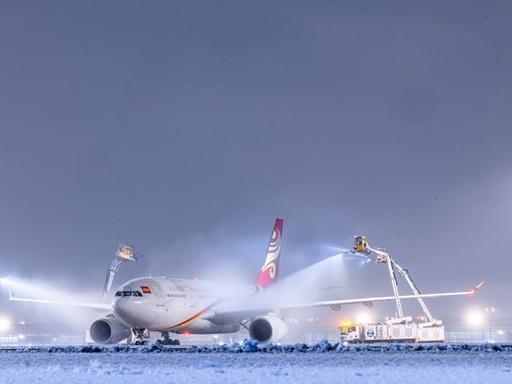
Physical Characteristics for Operational Flexibility
The physical features of runway deicing items have a big effect on how well they work when used. Solid potassium acetate has a bulk density of 0.8 to 0.9 g/cm³, which is just the right weight for sticking to ground even when it's being jet-blasted. The improved particle structure stops wind scattering during application, so the material stays where it's put down and doesn't spread out into the surroundings.
Because it is hygroscopic, the substance can take water from the air as soon as it is applied, which starts melting the ice faster than if it had to rain first. The pH range of 9.0 to 10.5 in a 15% solution shows that it is safe for use on concrete and asphalt runways, unlike some other chemicals that can damage these materials when they are too acidic. Because of these features, deicing processes can be used to remove existing layers of ice, and anti-icing treatments can be used before storms happen.
Environmental and Safety Advantages
Environmental responsibility and working speed are two things that modern aircraft operations put first. Through biological processes, potassium acetate breaks down naturally into carbon dioxide and water, never staying in the soil or groundwater. This trait deals with the fact that there are more and more rules about how airport rainwater flow affects nearby waterways.
Compared to older deicing agents, solid potassium acetate is not very harmful to marine life. It doesn't release ammonia when it breaks down like urea-based options do, which adds to eutrophication in the water that receives them. The people who work with these substances don't have to worry about their health much because they have low scores for both skin and air exposure hazards. Standard air and moisture protection are all that storage facilities need. They don't need the special isolation that more dangerous chemical agents need. These safety factors lower worries about responsibility and help airports reach their goals for survival and good relationships with the community.
Why Airports Prefer Potassium Acetate: Benefits and Application Best Practices?
Aviation officials and airport managers all over the world have switched to deicing chemicals that are based on acetate because they have been shown to improve operations. The performance qualities of the material are exactly what is needed for the tough tasks of runway winter repair.
Operational Advantages in Real-World Conditions
Runway deicing has to be done very quickly because weather windows are measured in minutes instead of hours. Solid potassium acetate can go through layers of ice that are up to 6 mm thick, making brine spots that weaken the bond between the ice and the sidewalk. This process lets mechanical removal tools quickly clean treated surfaces, lowering the friction coefficients to levels that are safe for use.
Despite the wide range of temperatures found in business airports, the combination still works well. When it gets below -30°C, a lot of different chemicals crystallise or stop working. Acetate versions keep working at temperatures as low as -60°C, so they can keep running no matter what the weather is like. Because of this dependability, there is no need to store multiple types of chemicals for different temperature ranges. This makes operations easier and reduces the need for storage space.
Solid pellets and liquid acetate solutions are mixed together in pre-wet anti-icing treatments to stop bouncing and scattering in high-wind situations. This method makes sure that the material sticks to the sidewalk before snow starts to accumulate, which lowers the total amount of chemicals that are used during a weather event. This plan works especially well for airports in places where it freezes and thaws a lot, because preventative treatments are cheaper than reactive deicing operations in those places.
Infrastructure Protection and Compatibility
Because acetate chemistry doesn't corrode, it saves large investments in airport infrastructure. Aggressive deicing chemicals can't be used on airport flooring that has already been fixed up, lighting systems, and ground equipment that costs millions of dollars. Standardised corrosion testing using SAE AMS 1431E guidelines shows that acetate corrosion rates on carbon steel are less than 0.03g/m²·h, which meets strict standards for aircraft material compatibility.
Ground support equipment that works in treated areas keeps its service life and doesn't experience faster wear and tear on the hydraulic seals or paint systems. Manufacturers of aeroplanes allow acetate-based deicers to come into touch with landing gear sections. This means that there is no need to wash the parts after treatment, which takes time and resources. This connection includes fuel spigot systems, passenger boarding bridges, and other equipment on the ground that comes into contact with deicing water.
Application Guidelines for Optimal Results
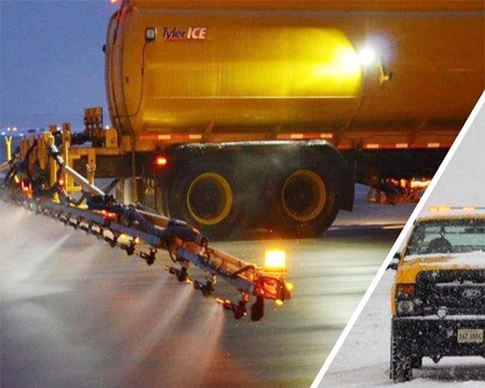
The right way to apply chemicals maximises their efficiency while keeping costs low. For anti-icing treatments, material spreaders should set their release rates between 50 and 100 grams per square metre. For therapeutic deicing operations, these rates should go up to 150 to 200 grams per square metre. Equipment should spread the material out evenly across the lengths of the runways, avoiding narrow strips that lose material and don't improve performance.
Timing issues have a big effect on how well airport runway solid potassium acetate works. Anti-icing treatments work best when they are started before it starts to rain, especially as the ground gets closer to freezing. This preventative method stops ice from forming instead of removing layers of ice that are already there, which uses a lot of energy. Weather tracking tools that let you know ahead of time when it will freeze allow you to schedule applications in the best way possible.
To keep things from absorbing water too quickly, storage spaces must keep things dry. The combination should stay in sealed containers in well-ventilated buildings, away from heat sources and other materials that won't work with it. If you store things the right way, they will last up to two years, which will keep them in good shape all winter. Transporting things needs to be done carefully so that packages don't get damaged, which could affect the quality of the goods.
Leading Suppliers and Trusted Brands of Potassium Acetate for Airports
Selecting a trusted chemical provider represents a strategy choice affecting business stability and budget certainty. There are both established companies with decades of experience and younger companies that are just getting into the acetate production business. Each offers something different to customers.
Evaluating Manufacturer Credentials and Certifications
Aviation-grade deicing products must be made with strict quality control methods in place at all stages of the production process. Keeping their ISO 9001 license shows that manufacturers are committed to consistently producing high-quality goods. According to ISO 14001 guidelines, environmental management means using responsible production methods that have the least possible effect on the environment. Occupational health and safety standards, like ISO 45001, keep workers safe and make sure that output plans are kept.
Certifications that are special to a product are just as important. The SAE AMS 1431E approval makes sure that the recipe meets the standards of the aircraft industry and verifies the safety and performance ratings. The KOSHER and HALAL approvals make it possible for people from many different areas to buy food, which helps foreign airport customers with special needs. The results of rust tests, breakdown rate checks done by separate labs, and a study of particle size distribution should all be included in the testing paperwork.
Zhaoyi Chemical: Three Decades of Manufacturing Excellence
Since 1988, Shanxi Zhaoyi Chemical Co., Ltd. has been making acetate chemicals and has become a master in making aircraft deicing mixtures. The company can reliably supply even during high demand times in the winter because it can produce 150,000 tonnes of goods each year. The 27,000-square-meter production centers use modern manufacturing methods and can change the size of batches to meet the needs of each customer.
As part of Zhaoyi Chemical's quality control procedures, every production batch is tested in detail. Before goods can be shipped, they are tested in a lab to make sure they meet the requirements for cleanliness, heavy metal content, and pH. The company keeps extra stock on hand to help with quick order fulfilment; regular orders are usually filled within 5 to 7 business days. This quickness comes in very handy when airports need to quickly restock on chemicals because of bad weather.
Technical help teams are available 24 hours a day, seven days a week, and answer questions within two hours, no matter what time zone the customer is in. Throughout the lifetime of a product, engineering staff offer application advice, advice on how to make sure equipment works with the product, and help with fixing problems. As part of emergency reaction plans, backup sources for raw materials and different handling arrangements are made to make sure that supplies don't run out when there are problems with shipping or production.
Supplier Selection Criteria for Procurement Teams
The people who buy things for airports should look at possible providers of solid potassium acetate in more ways than just price. If a company can increase supply during long times of bad weather, it depends on how much they can produce compared to how much the airports need. Shipping prices and dependability are affected by geography, especially for airports that are far from production sites.
References from current customers can tell you a lot about how well a seller does in real-world working situations. Case studies that show long-term relationships that worked well show how producers deal with problems with quality, service, and changing customer needs. Airports don't have to worry about source delays in the middle of a multi-year deal because of financial stable factors.
Customisation features let you make solutions that fit your unique business needs. Some airports need different formulas because of the harsh weather in their area, unique package designs to work with the storage facilities they already have, or private labelling to meet city branding requirements. When manufacturers offer these services, they give businesses more strategy options than just getting chemicals from one supplier.
Making the Right Choice: How to Select the Best Deicing Chemical for Your Airport?
Choosing the right deicing chemicals for runways means combining a lot of different practical factors while staying within a budget. Systematic review makes sure that choices are in line with both short-term needs for the winter and long-term goals for building management.
Assessing Airport-Specific Operational Requirements
The weather trends at certain airports have a big impact on the performance standards for chemicals. Facilities in places where it snows a lot and stays cold for a long time face different problems than airports in the arctic, where it stays very cold and dry all the time. By looking at historical weather data, we can find out about normal temperature ranges, types of precipitation, and storm frequencies, which helps us make chemistry specs that are right.
How much movement on the runway affects how often treatments are done and how much chemical is used overall. Commercial airports with a lot of traffic may have to deice several times a day during the winter. This means that the deicing chemicals need to be able to work quickly and recover surface friction quickly. Regional airports with less traffic may put more emphasis on anti-icing treatments that last longer and keep things safe between applications.
Chemical chemistry is affected by the type of pavement and how old it is. Newer concrete landings can handle a wider range of chemical pH levels than asphalt surfaces that are getting old and breaking down. Infrastructure studies should check drainage systems, lights, and airport signs to make sure that the chemicals being considered won't make these important parts break down faster.
Cost Analysis Beyond Initial Purchase Price
Total lifetime costs for airport runway solid potassium acetate are included in a full financial study, not just the cost of chemicals per tonne. Application rate efficiency has a direct effect on seasonal usage amounts. High-performance chemicals may be able to lower overall material needs even though they cost more per unit. The general treatment economics take into account the cost of labour for application activities, such as running tools and keeping an eye on people.
Long-term financial effects come from the costs of maintaining infrastructure. Corrosive chemicals that speed up the breakdown of roads or lighting systems have hidden costs that show up years after they were first used. Chemical environmental factors have a big effect on environmental compliance costs, which include running a waste treatment system and managing a release permit.
The capital costs of different chemical choices depend on the storage and operating equipment that is needed. Facilities that need special isolation, temperature control, or methods for handling dangerous materials have up-front and continued costs that go beyond the cost of buying chemicals.
Future Trends in Sustainable Deicing Technology
Environmental responsibility in aviation is continuing to change as stricter green standards are put in place. Regulatory agencies around the world are putting in place tighter limits on how much stormwater can be released, with a focus on lowering marine toxins and controlling biological oxygen demand. Chemicals with better environmental features make it easier for airlines to follow future rules without having to make changes to how they work.
Bio-based deicing chemicals are being studied in terms of formulas made from farm waste and industry waste. These new technologies might offer better measures of sustainability while still meeting performance standards. Knowledge of innovation trends lets you actively assess next-generation solutions before they become commonplace on the market.
According to predictions about climate change, changing winter weather trends may mean that some places need less deicing. Airports should think about how the chemicals they choose will work in a wider range of temperature and precipitation conditions than they have in the past. This will help them be more resilient as weather conditions change.
Conclusion
Choosing the right deicing chemicals like airport runway solid potassium acetate is a very important part of keeping airport runways safe during the winter. Formulations containing potassium acetate give flight operators the full performance profile they need, mixing great cold-weather performance with safety of infrastructure and care for the environment. The substance works at temperatures as low as -60°C, doesn't corrode, and breaks down naturally, all of which are important for modern airports' operations, upkeep, and compliance with rules. Acetate-based solutions are more valuable than older chemicals like urea and chloride salts because they cause less damage to infrastructure, can be used at higher temperatures, and are easier to comply with environmental rules. When making a purchase choice, chemical specs should be looked at along with the supplier's qualifications, production ability, and expert help skills. Strategic relationships with well-known makers help make sure there is a steady supply during the busy winter months and support long-term goals for building management.
FAQ
How does potassium acetate compare to rock salt when it comes to deicing runways?
Traditional rock salt, which is sodium chloride, is not allowed on airport grounds because it severely corrodes aluminium, magnesium, and cadmium parts of aeroplanes. When it comes to melting ice, potassium acetate is safe for both aeroplanes and structures on the ground, and it works at temperatures well below what salt can do.
What rate of treatment should airports use to get rid of ice effectively?
Anti-icing treatments need to be put on before it starts to rain or snow 50 to 100 grams per square metre. To get rid of existing layers of ice, you need 150 to 200 grams per square metre. Rates depend on the thickness of the ice, the temperature, and the amount of rain or snow falling.
Is potassium acetate bad for concrete or gravel runways?
Formulations for aviation use that meet SAE AMS 1431 guidelines show they can be used on both concrete and asphalt surfaces. Unlike some other chemicals, the pH range of 9.0 to 10.5 doesn't have too much alkalinity, which can damage roads.
What kind of storage should airports have for solid potassium acetate products?
Warehouses need to be dry, well-ventilated places to store things that keep them safe from heat and wetness. Because the material is hygroscopic, it needs to be wrapped in packaging to keep it from absorbing water too quickly. When stored properly, things stay useful for two years.
Partner with a Trusted Airport Runway Solid Potassium Acetate Supplier
Zhaoyi Chemical offers deicing options for aeroplanes that are backed by 36 years of manufacturing experience and quality management that is ISO-certified. Our airport runway solid potassium acetate is made to meet SAE AMS 1431 standards. It works reliably down to -60°C and has been shown not to corrode. Strategic stocking levels help us meet high demand quickly in the winter, and our global shipping partnerships make sure that deliveries are always on time. Technical consulting services can help you make sure that application standards work best in your environment and meet your business needs. You can email our engineering team at sxzy@sxzhaoyi.com to talk about your deicing chemical needs, get detailed specs, or set up a sample of the product. Our cheap bulk price, flexible packing choices, and quick customer service help procurement managers keep your airports safe during winter operations.
References
Society of Automotive Engineers. "Aircraft Ground Deicing/Anti-Icing Processes." SAE AMS 1431E Standard, 2018.
Environmental Protection Agency. "Airport Deicing Operations: Evaluating Environmental Impacts and Management Options." EPA Publication 832-R-12-001, 2012.
Transportation Research Board. "Aircraft and Airfield Deicing and Anti-icing: Guidance for Airport Winter Operations Safety." Airport Cooperative Research Program Report 14, 2009.
Federal Aviation Administration. "Advisory Circular: Winter Operations Safety and Airport Snow and Ice Control Plan." AC 150/5200-30D, 2019.
International Civil Aviation Organization. "Aerodrome Design Manual: Runway Surface Condition Assessment and Reporting." ICAO Doc 9981, 2020.
American Association of Airport Executives. "Best Practices for Airport Winter Weather Preparedness and Response." AAAE Technical Report Series, 2021.

USER EVALUATE
Here is the customer's evaluation of us