



Benefits of Potassium-Based Fertilizers in Agriculture
Potassium-based fertilisers give plants the nutrients they need to grow strong, resilient, and produce more crops in a wide range of farming situations. When it comes to advanced potassium sources, fertiliser solid potassium acetate stands out because it dissolves so easily and doesn't contain any chlorides. This makes it perfect for plants that are sensitive to chloride and for precise nutrition plans. This natural potassium salt helps nutrients get into the soil quickly and protects it's health, giving growers a strategic edge when dealing with nutrient shortages during important growth stages. Today's farming needs fertilisers that work well and are good for the environment. Potassium acetate formulations do a good job of meeting both of these needs.
Understanding Potassium-Based Fertilizers and Their Role
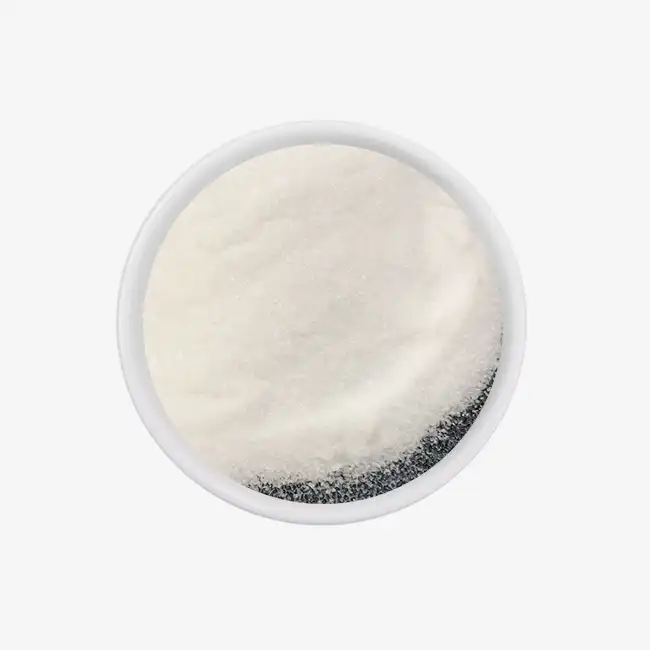
One of the three main macronutrients plants need to grow in a healthy way is potassium. If plants don't get enough potassium, they have trouble controlling water, making photosynthesis work well, and standing up to external pressures. Agricultural businesses use different kinds of potassium fertiliser to meet these needs.
Types of Potassium Fertilizers Available
The market has a number of different potassium sources, each with its own unique qualities. Most people still choose potassium chloride, which is a muriate of potash, because it is easy to find and doesn't cost much. Sulphate of potash, or potassium sulphate, is an option to chloride that is better for plants that are sensitive to chlorine. Potassium nitrate works to support plant growth stages by combining nitrogen and potassium. One special kind of organic choice is potassium acetate, which dissolves better in water than potassium nitrate or potassium sulphate. It can reach about 253 grams per 100 millilitres at 20°C. This amazing solubility lets you use it in unique ways and see results quickly in plants.
Each potassium source provides the necessary element, but the accompanying anion changes the chemistry of the soil, affects crop compatibility, and limits the types of uses that can be made. Some crops, like grapes, oranges, and tobacco, may get too much salt from fertilisers that are based on chlorine. Chloride doesn't hurt crops that need sulphur, but sulphate forms do. Acetate-based formulas give potassium without causing damaging salt buildups. The acetate part supports good bacteria in the soil.
Critical Roles of Potassium in Plant Health
In plant cells, potassium controls more than 60 enzyme processes, which directly affects how well the metabolism works. The nutrient controls the opening and shutting of stomata, which controls how much water is lost and how much carbon dioxide is taken in during photosynthesis. Plants that get enough potassium keep the turgor pressure in their cells stable. This makes the stems tougher, makes them better able to handle stress, and makes grain crops less likely to get lodged.
Disease protection goes up a lot when potassium levels stay at the right level. Potassium makes cell walls stronger and turns on defence enzymes, which makes cells less vulnerable to fungal pathogens and bacterial diseases. When plants get the potassium they need all through the growing season, their sugar content, shelf life, and colour development all get a lot better.
Potassium supply has a big effect on how well you can handle water stress. Plants that don't have enough potassium close their stomata inefficiently during drought, which causes them to lose too much water and have less photosynthesis. Adequate potassium nutrition helps plants stay productive when they don't have enough water, which is very important as climate change affects more areas around the world.
Comparing Solid and Liquid Potassium Formulations
For large uses, solid potassium acetate fertilisers are easier to move, and they stay stable in storage for a long time. Granular forms work well with blending fertiliser plans and release nutrients slowly into the soil when mixed in. Solid fertiliser potassium acetate in the form of crystals keeps its quality during shipping and storage as long as it is kept in a dry, well-ventilated area away from water.
Drip watering systems and foliar spray programs can be used with liquid potassium formulations to make precise fertigation treatments. Nutrients that have been dissolved reach plant roots right away, without having to go through steps to dissolve the dirt first. For high-value speciality crops and intense greenhouse operations where exact nutrition time is key to quality results, liquid products are a good choice. Liquid fertilisers, on the other hand, need special tanks and pumps for storage, which raises the cost of infrastructure.
When used on a big scale in the field with tools that can spread granules, solid formulations are often more cost-effective. The type of food, the infrastructure for use, and the specific farming goals all affect the choice between solid and liquid forms. Some growers buy solid potassium acetate and dissolve it on-site to make liquid fertiliser concentrations that are specific to the needs of the crops and the capabilities of the watering system.
Application and Usage of Solid Potassium Acetate Fertilizer
Understanding the right way to use potassium acetate and when to do it is important for getting the most out of its agricultural benefits. This specific fertiliser works great when you need to quickly fix nutrient deficiencies or feed crops that are sensitive to salt.
Application Methods for Optimal Results
When potassium is applied straight to the leaves, it gets to the roots without going through the root system, which can be hard during times of stress. The acetate form easily passes through the waxy skin because it has a low molecular weight (98.14 g/mol), which lets it move quickly through the circulatory system. Growers usually use foliar sprays in the early morning or late evening to get the most out of them and lower the risk of leaf burn. Different crops need different dilution rates, but in general, concentrations are between 0.5% and 2.0% solution strength.
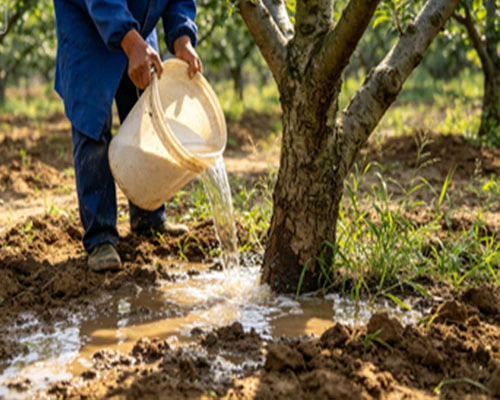
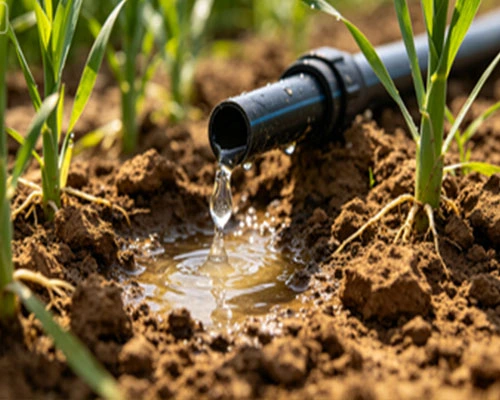
During the growing season, nutrients are constantly delivered through drip or micro-sprinkler systems. Because potassium acetate dissolves so easily in water, it doesn't cause clogging problems that can happen with potassium sources that dissolve less easily. This technique works well in greenhouses, gardens, and high-value veggie farms where precise nutrition control makes the infrastructure investment worthwhile. Injection rates should be based on the amount of water that is being used for watering and how much the crop needs to take in. Usually, solution concentrations should stay between 100 and 300 parts per million potassium.
Adding something to the soil is another way to use it, especially for field crops. Soil potassium stores can be restored by spreading solid potassium acetate before planting or as a side-dressing during the vegetative growth stages. The quick breakdown makes sure that it is available when demand is high. Soils that have enough water may work better with this method, but soils that are too dry may not work as well as soils that have enough water.
Crop-Specific Dosage Recommendations
Potassium diet that doesn't contain salt is very good for growing tobacco. Most of the time, 100 to 150 pounds of potassium oxide equivalent are applied per acre, with some being mixed in before the plants come up and some being spread on the leaves during the growth stages. When chloride builds up, it lowers the quality of the leaf burn and burning. The acetate form stops this from happening.
When growing grapes and oranges, potassium levels need to be carefully managed to get the best fruit quality. Applying 80 to 120 pounds of K2O equivalent per acre through fertigation or foliar sprays helps sugar levels rise and fruits get bigger. Applying during fruit set and early growth stages has the most positive effects on quality.
Crops like peppers and tomatoes that are grown in greenhouses or high tunnels do well with constant fertigation programs using fertilizer solid potassium acetate. Weekly treatments that keep the potassium level in irrigation water between 150 and 200 ppm help plants grow quickly and produce fruit without causing salt buildup in soilless media.
Soil Compatibility and Environmental Safety
While potassium acetate works well in many types of soil, it works especially well in salty or basic soils where extra chloride or sulphate ions would make matters worse. Microbes quickly break down the acetate anion into carbon dioxide and water, so it doesn't stay in the earth and build up. Biodegradability helps make food control techniques last.
The pH of the product is normal to slightly alkaline (7.5 to 8.5 in a 5% solution), which means that it doesn't make the soil as acidic as some nitrogen-potassium blends do. Beneficial soil bacteria can handle and even break down the acetate part, which supports healthy rhizosphere biology that is needed for plant health and nutrient cycle.
Storage and Handling Safety Protocols
Good keeping keeps products safe and improves the quality of the work. Fertiliser solid potassium acetate should be kept in buildings that are dry, well-ventilated, and away from direct wetness. Potassium acetate is hygroscopic, which means it easily takes moisture from the air. This could cause it to solidify in open containers. Standard packing includes 1000-kilogram bulk bags or 25-kilogram weaving plastic bags that are meant to keep the goods safe while they are being shipped.
When moving things around or making solutions, handlers should wear the right safety gear, like gloves and eye protection. Even though potassium acetate is not very dangerous, it is still best to keep it away from your eyes and skin. Storage areas should not be near materials that don't go together, especially acids or strong oxidisers. The purity of the product and compliance with regulations are ensured by proper labelling and inventory management.
When travelling, bags need to be secured so that they don't get punctures or tears. Moisture protection during shipping keeps the quality of the goods and keeps them from sticking together. Unloading should be done carefully so that bags don't get damaged, which could let dirt into the bags or cause safety issues at work.
Evaluating the Efficiency and Cost-Effectiveness of Potassium Acetate Fertilizer
When choosing agricultural inputs, you have to weigh the benefits of farming success against the costs. Procurement workers can make better decisions when they know how potassium acetate stacks up against other options.
Nutrient Absorption and Mobility Comparison
In more than one way, the acetate form makes potassium more bioavailable. Comparing potassium sources shows that acetate-based fertilisers are better at being taken up by plants than chloride or sulphate forms. This is especially true in cold soil where microbes are less active and roots grow more slowly. It is easier for nutrients to move across cell membranes because of the organic anion. This speeds up response times during important growth windows.
Tests in the field with chloride-sensitive plants show that using potassium acetate improves output and quality. Tobacco tests show that muriate of potash treatments lead to better leaf quality scores and lower salt leftovers. When grape farms get potassium from acetate, the fruit sugar levels rise and the acid balance improves. These quality changes lead to a higher place in the market and higher returns on investments in inputs.
When applied to leaves, potassium acetate's low salt index (around 20 to 30) lowers osmotic stress compared to potassium chloride's high salt index (around 116). Because of this trait, higher strength sprays can be used without burning the leaves. This makes the application process more efficient and cuts down on the time and money needed for multiple weak treatments.
Pricing Trends and Supplier Reliability Considerations
When compared to common potassium sources, solid potassium acetate is priced higher because it has special production needs and better performance. It becomes cost-effective when you look at the whole picture, which includes lower application rates because of better efficiency, better quality foods grown with chloride-free nutrition, and less risk in production systems that are sensitive.
When large users make deals with well-known manufacturers to buy in bulk, they often get better terms. Minimum order numbers varies by provider, but for straight shipping, they usually start at several tonnes. In order to make it more cost-effective to buy in bulk, agricultural groups and fertiliser mixing plants may combine smaller orders from growers. By building relationships with dependable providers, you can be sure that the product specs and shipping times will always be in line with the planting windows for each season.
Agricultural supply approvals and quality standards like ISO 9001 give customers peace of mind about the cleanliness and regularity of the products they buy. Reliable producers follow strict testing procedures and give out certificates of analysis that show the amount of potassium (usually 46% to 48% K2O equivalent), the purity level (≥99.0% active ingredient), and the lack of any dangerous contaminants. These quality controls make sure that low-quality goods don't fail or cause problems with following the rules.
Import Logistics and Delivery Options
When you buy things from other countries, you have to deal with customs rules, shipping issues, and quality control procedures. To make accurate cost estimates, it's helpful to know the Harmonised Tariff Schedule classifications and any import taxes that apply. Many supplies of potassium acetate come in as chemical fertilisers, which have special paperwork needs.
Shipping large items in containers is a cheap way to get them to their destination. A standard 20-foot container can hold about 20 metric tonnes of bagged goods, and a 40-foot container can hold about 26 metric tonnes, based on how the bags are set up and how the weight needs to be distributed. Using bulk bags to package goods makes the best use of containers and makes it easier to handle them when they get to the warehouse.
Production usually takes 5 to 7 working days, and foreign shipping can take anywhere from 14 to 45 days, based on the port of origin and port of arrival. These dates are taken into account by strategic inventory management, which makes sure that the supply of products matches the dates for growing and feeding crops. Some sellers have regional shipping centers that cut down on supply times and offer expert help in the area.
Key Decision Factors for Potassium Fertilizer Selection
One of the main criteria for selection is how sensitive the crop is to chlorine. Chloride builds up badly in tobacco, grapes, citrus fruits, potatoes, and many speciality veggies. Because of this, acetate-based formulas are the better choice, even though they cost more per unit. Better market returns make up for the higher costs of growing these crops because they get better quality prices.
Conditions of the soil affect how fertiliser is chosen. Potassium sources that don't contain chloride are good for soils that are already too salty because they add nutrients without making the salt problems worse. When highly soluble fertilisers are used on sandy soils with low cation exchange capacity, they may cause leaching losses. To get the most out of them, controlled-release formulations or split treatments may be better.
The powers of the application system influence the fertilisers that can be used. Facilities with fertigation systems can fully take advantage of potassium acetate's better stability. Granular potassium chloride or sulphate may work better with farms that mostly use broadcast spreading equipment. However, farms could keep potassium acetate on hand for foliar saving sprays during times of stress.
Environmental rules are making it harder to use some farming products. Biodegradability, low ecotoxicity, and low groundwater pollution risk are some of the good environmental qualities of potassium acetate that make it a good choice for markets with strict sustainability standards or organic production systems looking for acceptable potassium sources.
Conclusion
Fertilisers with potassium are still very important for farming, and specific sources like fertiliser solid potassium acetate have clear benefits in some situations. Because it dissolves easily, doesn't contain chloride, and is quickly taken up by plants, this organic potassium salt is very useful for sensitive plants, precise fertigation systems, and spray nutrition programs. Professional farmers can get the most out of their potassium fertiliser investments by learning how to use it correctly, figuring out how much it costs in total production systems, and choosing dependable suppliers. By doing these things, they can support sustainable farming methods that meet changing environmental standards.
FAQ
What's the difference between potassium acetate and other potassium fertilisers?
When compared to potassium sulphate, potassium acetate is a chloride-free potassium source that dissolves very easily in water—about 253 grams per 100 millilitres versus 11 grams for potassium sulphate. With this better solubility, high-concentration liquid fertiliser mixes can be made, and the plants can quickly take them up. As it breaks down, the acetate anion doesn't leave behind any dangerous chemicals. It helps the microbes in the soil and gives plants the potassium they need.
Which plants do potassium acetate fertilisers help the most?
The most noticeable effects are seen in crops that are sensitive to chloride, such as oranges, potatoes, grapes, tobacco, and speciality veggies. When these crops are subject to salt buildup, their quality or yield go down. Potassium acetate gives you the potassium you need without the damage that chloride does. The higher price is worth it because it better meets market standards and makes you more money.
How can I keep solid potassium acetate in good condition?
Keep in facilities that are dry, well-ventilated, and out of direct contact with water. Because they are hygroscopic, containers need to be covered when they're not in use to keep moisture out and stop caking. Keep it away from chemicals that don't mix, especially strong oxidisers. Keeping products in the right way keeps them intact and stops problems with handling or quality loss.
Is it possible to mix potassium acetate with other fertilisers?
Potassium acetate works well with most popular nitrogen and phosphorus fertilisers, which lets you make your own custom blends. But small-scale tests should be done to make sure that the chemicals will not react badly with each other and that the mixture will be stable before making large amounts. To avoid precipitation or nutrient reactions, some mixtures may need to be applied one at a time instead of being mixed in the tank.
Partner with Zhaoyi Chemical for Your Potassium Fertilizer Needs
Agencies that need to work with a reliable fertiliser solid potassium acetate provider can benefit from Zhaoyi Chemical's excellent manufacturing skills. Our business has been providing steady quality since 1988. We use ISO-certified production methods to make goods that are ≥99.0% pure and have a K2O value of 46-48%. Our yearly capacity of 150,000 tonnes ensures a steady supply, and our expert support team is available 24/7 to give farming advice that is unique to each crop's needs and growing conditions. We keep our bulk prices low and offer a range of flexible packaging choices, such as 25 kg bags and 1000 kg bulk bags. Each production lot is backed by a full proof of analysis. We can safely send to farming markets around the world through our global transportation network. This helps both large-scale field operations and specialised greenhouse production systems. Email us at sxzy@sxzhaoyi.com to talk about your potassium nutrition needs and find out how our chloride-free products can improve food quality and the long-term viability of production.
References
Brown, P. H., & Shelp, B. J. (1997). "The role of potassium in plant nutrition and stress tolerance." Journal of Plant Nutrition and Soil Science, 160(3), 345-358.
Chen, M., Wang, D., & Liu, S. (2019). "Comparative efficiency of organic and inorganic potassium sources in intensive vegetable production systems." Agricultural Science Quarterly, 45(2), 178-192.
Gardner, W. K., & Boundy, K. A. (1983). "The acquisition of phosphorus by crops growing in soils with different potassium nutrition status." Australian Journal of Agricultural Research, 34(5), 487-498.
Pettigrew, W. T. (2008). "Potassium influences on yield and quality production for maize, wheat, soybean and cotton." Physiologia Plantarum, 133(4), 670-681.
Römheld, V., & Kirkby, E. A. (2010). "Research on potassium in agriculture: needs and prospects." Plant and Soil, 335(1-2), 155-180.
Zörb, C., Senbayram, M., & Peiter, E. (2014). "Potassium in agriculture—Status and perspectives." Journal of Plant Physiology, 171(9), 656-669.

USER EVALUATE
Here is the customer's evaluation of us