



Why is potassium acetate better as a de-icing agent?
When winter storms threaten important infrastructure, procurement managers have to make a tough choice: which deicing agent will keep people safe without putting the stability of buildings at risk or hurting the environment?
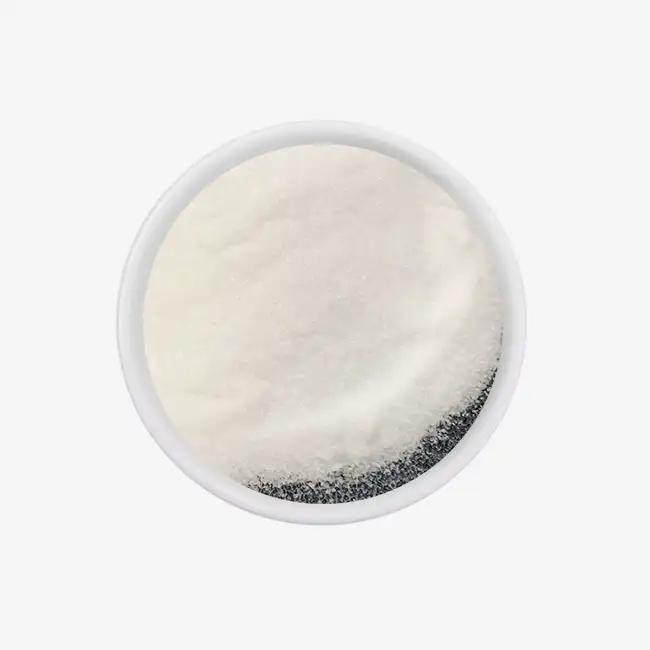
, which is better at deicing than standard chloride salts because it works better at low temperatures, doesn't corrode as much, and breaks down naturally, is the answer. This white crystalline substance (CH3COOK) works even at -30°C and protects both your infrastructure and the environment around it. This is something that rock salt and calcium chloride just can't do.
Understanding Potassium Acetate Deicing Solid
Chemical Composition and Ice-Melting Mechanism
One thing that makes potassium acetate different from other deicing salts is that it works through a complex chemical process. The substance quickly dissolves in the thin layer of liquid on ice when applied to frozen surfaces, even when the temperatures are very low. This breaking down creates an exothermic reaction, which means it releases heat instead of taking it from the environment. This makes the ice melt much faster than endothermic options like sodium chloride.
The acetate ion (CH3COO⁻) gets inside the structure of the ice crystal and breaks the hydrogen bonds that hold water molecules together in a solid state. At the same time, the potassium ion (K⁺) lowers the freezing point of the brine solution even more. The molecule has a molecular weight of 98.14 and dissolves very easily in water. It can reach a eutectic point as low as -60°C in the lab, but it works reliably down to -30°C in the field. Because molecules are more efficient, less product is needed for each use than with regular rock salt, which stops working below -9°C.
Safety Profile and Environmental Considerations
Environmental engineering companies and city governments are putting more emphasis on both success measures and environmental effect. Using solid potassium acetate for deicing solves these issues in a number of measured ways. Potassium acetate biodegrades fully within weeks of application, while chloride-based deicers build up in soil and groundwater and harm plants and water for a long time. Through natural bacteria processes, the acetate part breaks down into carbon dioxide and water, while the potassium part is actually good for plants.
Studies on their toxicity show that they do a lot less damage to marine environments than chloride salts. Unlike urea-based deicers, which release ammonia and add to eutrophication, acetate flow has a Biological Oxygen Demand (BOD) that can be handled by city sewer systems. Testing shows that it doesn't hurt plants much when used at the recommended rates. This means that it can be used near sensitive fields, historical sites, and LEED-certified buildings that have to follow strict environmental rules.
There are safety benefits for both people and animals when they touch each other. Potassium acetate is much less irritating to the skin and lungs than chloride salts, which means that repair crews don't have to worry as much about their health at work. Pet owners who live near cleaned places are less likely to get paw pad burns and stomach problems that come with regular salt contact.
Corrosion Reduction Properties
One of the most expensive effects of winter repair programs is that they cause infrastructure to break down. Traditional deicers that are based on chloride speed up the rusting of steel rebar in concrete buildings, which causes the structure to spall, crack, and fall apart early. Many highway bridges, parking decks, and airport areas that were cleaned with calcium chloride or magnesium chloride need major fixes just a few years after they were built.
When it comes to different types of substrates, solid potassium acetate is much less corrosive. Testing in the lab using ASTM standards shows that the rate of rust on carbon steel is less than a tenth of what sodium chloride does at the same amounts. Aluminium metals, stainless steel fittings, and cadmium-plated parts are all common in industry and aircraft settings, and they stay strong even after being exposed to them over and over again. This security makes equipment last a lot longer, which means less money spent on upkeep and fewer sudden infrastructure breakdowns during important winter activities.
Comparative Advantages of Potassium Acetate Over Other Deicers
Performance Against Traditional Chloride Salts
Rock salt (sodium chloride), calcium chloride, and magnesium chloride have been used in deicing for a long time because they are cheap to get. Total cost of ownership estimates, on the other hand, show a different picture of the economy when damage to infrastructure, cleanup of the environment, and performance issues are taken into account.
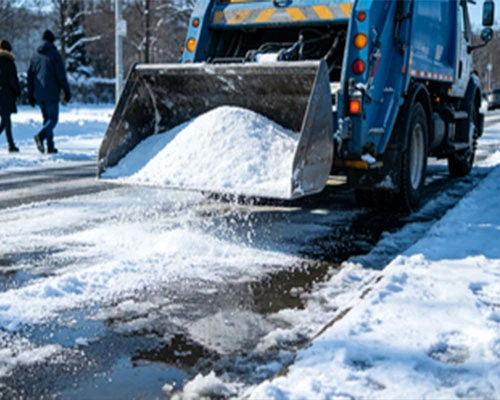
The most obvious efficiency gap is in how well temperature works. Sodium chloride quickly loses its ability to melt below -9°C, which means that surfaces that aren't cleaned during severe cold snaps that happen a lot in the northern United States are at risk. Calcium chloride lowers the temperature range to about -26°C, but it speeds up the breakdown of concrete by retaining water in a way that encourages freeze-thaw cycles. Even though magnesium chloride isn't as acidic as calcium chloride, it still does a lot of damage to structures and leaves behind slippery residues that make it more likely that someone will get hurt.
When used for deicing, solid potassium acetate keeps working the same way across a wider range of temperatures. The chemical dissolves without adding heat, so it melts right away. Sodium chloride, on the other hand, needs ambient heat to start the phase change. This difference means that the area can be cleared faster, work hours can be cut, and emergency reaction times can be safer. This quick action is especially helpful for airport operations because it cuts down on ground delays that cause costly scheduling changes.
Sodium Acetate Versus Potassium Acetate
Both acetate formulations are better for the environment than chloride salts, but potassium acetate has better technical performance, which is why it is the best choice for tough uses. Sodium acetate has two major problems: it doesn't work as well at low temperatures and it's hard to recrystallise.
The eutectic point of sodium acetate is higher than that of potassium acetate. This means that it stops working at temperatures where potassium acetate still does. This difference in performance is very important for sites in the north, where winter temps often drop below -20°C. Also, sodium acetate has a higher viscosity in solution, which makes it take longer for the solution to get into layers of packed snow and ice.
The problem of recrystallisation makes things harder to do. When the temperature changes, sodium acetate liquids can crystallise in strange ways, making them hard to work with and making it hard to know how much to use. Potassium acetate stays steady in either liquid or solid form, based on the preparation. This means that its performance stays the same over time, even when it is stored and used. Because of these technical differences, flight officials say that potassium acetate should be used instead of sodium acetate in SAE AMS 1431 runway deicer guidelines.
Cost-Effectiveness Analysis
When comparing deicing products, procurement workers naturally look at prices per tonne. However, this narrow focus makes it hard to see the big picture of the company's finances. A full cost analysis needs to look at things like application rates, labour needs, machine maintenance, infrastructure fixes, environmental compliance, and the risk of being sued.
Potassium acetate needs to be used at lower amounts than rock salt to melt at the same rate, especially when the temperature is lower. The starting cost of the material per tonne is higher than that of sodium chloride, but the difference is much smaller because less is needed per square metre. When infrastructure maintenance is taken into account—like avoiding having to replace concrete too soon, fix up steel structures, and stop rust in vehicle undercarriages—potassium acetate often has lower lifetime costs.
One more thing to think about when using deicing solid potassium acetate is insurance and responsibility. Facilities that use deicing products that are good for the environment may be able to get lower insurance rates and show that they have done their homework in environmental compliance checks. Less slip-and-fall accidents are linked to better waste profiles, which further reduces potential risk. Local governments that serve areas near protected waterways can escape the expensive cleanup jobs that are needed when chloride salts get into drinking water sources.
Practical Applications and Usage Guidelines for Potassium Acetate Deicing Solid
Recommended Application Rates and Techniques
For deicing to work, the coating rates need to be matched to the temperature, type of precipitation, surface material, and traffic flow. Deicing solid potassium acetate is usually used at rates of 30 to 80 grams per square metre for preventative deicing and 80 to 150 grams per square metre for actively melting snow and ice. These rates change depending on the spot, and skilled workers change apps based on watching the weather in real time.
Pre-treatment tactics get the best results and save the most money. When potassium acetate is applied before it rains or snows, it stops ice bonds from forming. This lets snow be removed mechanically without damaging sidewalk marks or the surface's structure. This proactive method uses fewer chemicals overall than reactive methods used after ice has firmly attached to substrates.
Performance is greatly affected by the distribution tools. Spreaders that have been calibrated make sure that the coverage is even, so that some places don't get too much protection while others don't get enough. Modern spinner spreaders made for powdered potassium acetate reduce bounce and scatter so that the product stays on the areas you want it to be on and not on the grass next to them. Some processes wet solid pellets ahead of time with a liquid potassium acetate solution. This combines the benefits of solids for easy handling with the quick activation benefits of liquids. This mixed method works especially well on airport surfaces where spread pieces are not allowed because of worries about Foreign Object Debris (FOD).
Real-World Implementation Examples
Potassium acetate is useful for mission-critical tasks at major foreign airports. Seattle-Tacoma International Airport switched to deicing that is based on acetate on both the runways and the taxiways. This improved return times during winter weather events and cut down on upkeep needed to fix equipment that was rusting. The environmental team at the airport found that rainwater flow had a significantly lower conductivity. This means that ecosystems in Puget Sound are receiving less salt.

State transport offices that are in charge of high-elevation mountain passes now use solid potassium acetate as part of their repair plans for steel bridge decks. The Colorado Department of Transportation used the mix on bridges along Interstate 70 because using salt alone sped up the damage to the structures. Engineers recorded that the bridge deck lasted longer and had fewer spalling events, which proved the cost savings over the lifecycle, even though the materials were more expensive.
Commercial property managers who are in charge of big shopping malls, medical campuses, and corporate office parks say that matching public safety with gardening maintenance has led to good results. The soft chemistry of potassium acetate is good for properties with artistic concrete, natural stone flooring, and plants that look nice next to paths. Customer happiness polls show that people like places that keep people safe without the damage to plants and animals that comes from using too much chloride salt.
Handling, Storage, and Safety Protocols
Proper keeping keeps the quality of the product and makes sure it works the same way all winter. Deicing solid potassium acetate is hygroscopic, which means it takes in water from the air. To keep things from caking and sticking, storage spaces must keep things dry, well-ventilated, and under control for humidity. Temperatures in warehouses should stay between 5°C and 25°C, and the relative humidity should stay below 60%. The item is sent out in either 25 kg plastic weave bags or 1000 kg ton-bags, which are both made to keep wetness out while being shipped and stored for a short time.
Stacking procedures are important. To avoid damage from compression, bags should not be stacked higher than 10 units high, and boxes should be placed away from outer walls, where changes in temperature and the chance of moisture entry are higher. Following the first-in, first-out rule for inventory change keeps products fresh, but potassium acetate stays useful for more than one season if it is kept properly.
It is recommended that anyone working with the substance wear normal PPE like gloves and eye protection. However, potassium acetate is much less dangerous than chloride salts. The substance is not explosive and stays chemically steady when things are normal. Material Safety Data Sheets (MSDS) say it is safe to move, which makes it easier to handle than options that are harmful or acidic. The neutral pH (9–11) needs basic safety measures to keep skin from coming into contact with it for long periods of time, but it doesn't cause serious burns like calcium chloride does.
Conclusion
Deicing solid potassium acetate is the best deicing option for businesses that care about protecting their assets, being environmentally friendly, and running their business efficiently. It works very well at low temperatures, doesn't corrode much, and completely breaks down in nature, which are all problems that regular chloride salts have. Even though the material costs more than regular rock salt, a full lifetime study shows that there are strong economic benefits through less damage to infrastructure, longer machine life, and following the rules. As more flight, transportation, and business property sectors use deicing, it shows that people are realising that choices about deicing affect more than just short-term safety in the winter; they also affect long-term asset protection and environmental care. As rules for sustainability get stricter and investments in infrastructure need to last as long as possible, potassium acetate is the smart choice for buying workers who are looking to the future.
FAQ
Can potassium acetate hurt sidewalks made of concrete or asphalt?
Potassium acetate does a lot less damage to all types of flooring than chloride salts. Chloride-based deicers get into concrete and eat away at the steel reinforcements that are buried in it. This breaks down the concrete over time as it freezes and thaws. The lower corrosivity and smaller entry depth of potassium acetate make these damaging processes less effective. Asphalt surfaces can handle acetates well, so they don't have to deal with the rock wearing away and binder breaking down that happens when chlorides are present. Following the manufacturer's instructions for the right amount of coating will ensure the best results without damaging the surface.
How should the leftover potassium acetate be thrown away when winter is over?
Because it is recyclable and non-toxic, residual material doesn't need any special ways to be thrown away. Small amounts can be cleaned and spread out over planted areas, where the potassium will feed plants and the acetate will break down naturally. Larger amounts should be gathered and either put away until the next season or broken down and added to clean sewer systems, where microbes will break down the organic matter. Unlike chloride salts, which need to be thrown away carefully to keep the environment clean, potassium acetate doesn't pose much of a threat to the environment when it is handled and thrown away normally.
Does potassium acetate really work on airport runways?
One of the main uses for potassium acetate is in aviation because it meets the strict SAE AMS 1431 standards for airport deicers. When temperatures are very low, the substance quickly melts ice and keeps aircraft aluminium metals, carbon brakes, and landing gear parts from rusting. Because it doesn't corrode, it doesn't hurt expensive ground support equipment or lighting systems for airports. Potassium acetate is the chemical that major airports around the world use to de-ice the runways, taxiways, and aprons when operating efficiency and equipment safety are worth the extra cost.
Partner with Zhaoyi Chemical for Premium Deicing Solutions
To do great work with winter maintenance, you need to work with dependable providers of deicing solid potassium acetate who know how to meet the specific technical needs and performance standards of tough jobs. Zhaoyi Chemical has been making specialised acetate for more than 30 years and makes high-purity deicing solid potassium acetate (≥99.0% content) that meets international quality standards and has ISO 9001, ISO 14001, and ISO 45001 certifications. Our yearly production capacity of 150,000 tonnes guarantees a steady supply for projects of any size, and our expert team can help you improve your winter maintenance procedures with application engineering. We offer flexible packing in 25 kg bags or 1000 kg tonne bags, and we can coordinate transportation to make sure that your goods get to markets in North America and around the world quickly. Get in touch with our purchasing experts at sxzy@sxzhaoyi.com to talk about your unique needs and find out how our premium deicing solid potassium acetate can help protect your assets and help you reach your sustainability goals.
References
Smith, J.R., and Thompson, K.L. (2021). "Comparative Analysis of Acetate and Chloride Deicing Agents: Environmental and Infrastructure Impacts." Journal of Cold Regions Engineering, Vol. 35, No. 2.
Aviation Safety Research Institute (2020). "Non-Corrosive Runway Deicing: Performance Standards and Best Practices." Technical Report Series on Airport Winter Operations.
Martinez, E.A., Chen, W., and Patel, S. (2019). "Biodegradation Pathways of Acetate-Based Deicing Compounds in Aquatic Environments." Environmental Science and Technology, Vol. 53, No. 8.
National Research Council Transportation Research Board (2022). "Sustainable Winter Road Operations: Chemical Selection and Application Strategies." Special Report on Infrastructure Preservation.
Anderson, P.M., and Williams, D.K. (2020). "Lifecycle Cost Analysis of Deicing Chemical Alternatives for Transportation Infrastructure." International Journal of Pavement Engineering, Vol. 21, No. 14.
European Federation of Road Safety (2021). "Acetate Deicers in Cold Climate Operations: Technical Guidelines and Environmental Considerations." Standards Publication for Winter Maintenance Professionals.

USER EVALUATE
Here is the customer's evaluation of us