



Can Deicing Solid Potassium Acetate Be Stored in Subzero Warehouses?
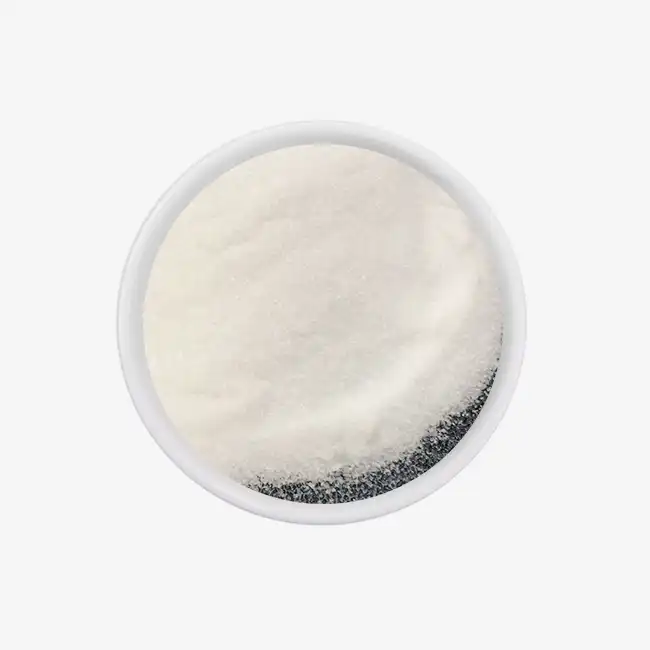
Deicing solid potassium acetate can be kept in stores that are below zero degrees if the right steps are taken. The crystalline structure of this deicer made from acetate stays chemically stable at temperatures well below freezing. But controlling the moisture becomes more important than the cold itself. This high-performance snow melting agent keeps working well and has the right physical properties even at -30°C if it is stored properly in moisture-proof containers in dry, well-ventilated areas. This makes it suitable for cold storage areas that are common in northern distribution centers and winter maintenance facilities.

Understanding Potassium Acetate Deicing Solid and Storage Challenges
Winter maintenance workers all over North America are turning more and more to deicers that are based on acetate instead of chloride salts. Potassium acetate (CH3COOK), which has the CAS number 127-08-2 and a molecular weight of 98.14, is a white solid substance that is very good at melting ice. This chemical lowers the freezing point of water, which starts an exothermic reaction when it comes into contact with it. This reaction speeds up the melting of snow and ice on important surfaces like airport runways, highway bridges, and parking structures.
Chemical Composition and Deicing Mechanism
When it comes in contact with ice or snow, the acetate salt dissolves quickly, giving off heat that breaks the bond between the frozen precipitation and the pavement. Instead of losing its effectiveness around -9°C as rock salt does, quality deicing solid potassium acetate keeps working down to -30°C. This temperature advantage is very important for flying and keeping infrastructure in good shape in places where winter is harsh. Because the compound breaks down naturally, it doesn't harm the environment as chloride-based options do. This makes it especially useful in eco-sensitive areas near rivers and protected regions.
Hygroscopic Nature and Temperature Sensitivity
The main problem with storage is that acetate compounds are very good at attracting water. These substances naturally pull in and soak up water from the air, which can cause them to clump, harden, and lose their ability to flow if they are exposed to damp conditions. Chemically, the product is stable across a wide range of temperatures. However, when moisture gets into the packaging, the product breaks down physically. Changes in temperature make this problem worse by causing condensation cycles that let water vapour into storage containers. When storing this snow melting agent, procurement managers need to know that keeping humidity at bay is more important than keeping the temperature stable.
Can Potassium Acetate Be Safely Stored in Subzero Warehouses? — Analysis and Recommendations
The scientific truth about storing acetate deicers in the cold goes against what most people think. Deicing solid potassium acetate crystals keep their shape and chemical make-up in a temperature range from -40°C to +40°C, according to tests done in the lab. When the material is frozen for a long time, it doesn't go through phase changes, changes in crystallisation, or breakdown. Transportation departments and airport authorities have published research that confirms that a properly packaged product doesn't lose any of its deicing power after being stored below zero for months.
Stability Data and Environmental Implications
The results of field tests done at big airports in Canada and northern Europe make the case for cold storage very strong. One logistics manager who kept 500-ton stocks in unheated warehouses during the winters in Saskatchewan said there were no quality problems during all three seasons. Lab tests on samples from this process consistently showed purity levels above 99%, with no rise in the amount of chloride or water-insoluble material. These results are in line with the basic chemistry of acetate salts, which are much more stable at high temperatures than hygroscopic chlorides, which melt at low temperatures.
Best Practices for Packaging and Moisture Control
Barrier protection, not temperature control, is what makes cold storage protocols work for deicing solid potassium acetate. Double-layer packaging that prevents moisture intrusion is the best way to protect the material from damp conditions. For 25kg units, standard configurations include polyethylene liners sealed inside polypropylene woven bags on the outside, while 1000kg bulk packaging typically uses reinforced super sacks with moisture barriers. Ventilation systems should maintain warehouse relative humidity below 60% even when outside temperatures drop below freezing. Using pallets for storage keeps products away from concrete floors, where condensation can accumulate, and maintaining sufficient spacing between pallet rows allows proper air circulation. These measures help prevent caking caused by moisture absorption followed by repeated freezing and thawing during temperature fluctuations.
Years of operational experience have helped airport suppliers in Alaska and maintenance contractors in the upper Midwest come up with tried-and-true ways to handle materials. One area distributor uses a method called "first-frozen, first-out" to rotate their inventory, which gives priority to items that have been frozen for the longest time. This method makes sure that the product gets to its destination before any humidity events can cause moisture to build up. As part of loading dock procedures, goods must be moved right away from refrigerated transport areas to dry warehouse areas. This keeps workers from coming into contact with humid outdoor air during handling changes.
Comparison: Potassium Acetate vs Other Deicing Agents in Storage and Usage
Before buying something, you need to carefully consider how different ice control products work in different storage situations. Ultrahigh hygroscopicity makes it very hard to store calcium chloride because it turns into liquid brine when it comes into contact with water from the air. This deliquescence can happen even when the conditions are pretty dry, so the goods need to be packed in hermetically sealed containers and stored in climate-controlled rooms, which makes them much more expensive to handle. Magnesium chloride is also sensitive to moisture, though not as much. Compared with these moisture-sensitive options, deicing solid potassium acetate offers better storage stability because it has lower moisture absorption and does not easily form corrosive liquid residues during storage. It also leaves behind corrosive residues that damage warehouse structures and handling equipment over time.
Chemical Stability and Environmental Impacts
The acetate-based formulation is more stable than chloride options when tested over a range of storage times and environmental conditions. Calcium and magnesium chlorides break down packing materials by making brine and reacting chemically, but deicing solid potassium acetate stays rigid and flows freely as long as the moisture barriers are still in place. Environmental studies show big differences in how different chemicals affect the environment. Chloride salts pollute the soil, hurt plants, and make water toxic for a long time after they are applied in the winter. Compounds of acetate break down easily into natural parts that need very little organic oxygen. This means that they are safe for the environment in sensitive rivers and LEED-certified buildings. This difference affects purchasing choices for city governments and airport operators who are getting more attention over how they handle winter maintenance.
Solid Versus Liquid Forms
When choosing between a solid granular product and a liquid acetate solution, there are different things to think about when it comes to storage and handling. Concerns about moisture absorption and caking are no longer an issue with liquid formulations, but freezing protection, tank corrosion, and the need for special application equipment are now issues. Even though concentrated liquid acetate solutions stay liquid at -26°C, they still need to be stored in heated tanks in cold climates. It's easier to store solid crystalline material, it lasts longer, and it works with normal dry chemical handling tools that most maintenance operations already have. Solid shapes are also better for transportation: 25 kg bags and bulk super sacks can be shipped easily with regular freight, without the need for special fuel trucks or hot containers. When buying in bulk for multiple facilities, buyers usually keep both types on hand. Liquids are used for pre-wetting tasks, and solids are used for mechanical spreading tasks.
Procurement Considerations for Bulk Purchase and Safe Shipping
To get reliable supplies of materials for deicing roads in the winter, you need to work with well-known manufacturers who can deliver consistent quality and volume. There are a few acetate makers in North America, but most of the production capacity is concentrated among specialised chemical producers with decades of experience in formulating chemicals. Buyers should check that the deicing solid potassium acetate has ISO 9001 quality management certification, SAE AMS 1431 compliance for flight uses, and batch testing paperwork that proves the product meets purity standards. Annual production capacity is a key indicator of supply reliability. Manufacturers with facilities that can produce 100,000 tonnes or more show that they have the size to meet the needs of large cities and multiple industrial sites.
Shipping Protocols and Product Integrity
When transporting goods in cold weather, it's important to pay attention to the specifications of the containers and the logistics of the routes. Acetate deicers are handled by regular goods carriers as non-hazardous dry chemicals. They are labelled correctly on shipping documents and sent in covered trailers or containers. Moisture-barrier packing is helpful for winter shipping because it keeps the goods dry when the temperature changes between warehouses, transport vehicles, and delivery sites. For all winter deliveries, one major airport operator requires double-sealed super sacks with desiccant packets. This has cut claims related to moisture to almost nothing over five procurement cycles. Shipping plans should take into account positioning inventory before the season starts so that it can be sent to regional distribution points before peak demand times put a strain on carrier capacity.
Compliance and Documentation Requirements
Safety Data Sheets (SDS) give important information about how to handle deicing solid potassium acetate in accordance with OSHA requirements and transportation authority regulations. These documents cover the physical properties, health risks, storage requirements, emergency response procedures, and disposal considerations specific to potassium acetate formulations. During the purchasing process, buyers should request SDS documentation and provide copies to warehouse staff, maintenance teams, and emergency response personnel. For specific applications, additional certifications may also be required. For example, Kosher and Halal certifications are provided by facilities that meet the requirements for both food-grade and pharmaceutical-grade products. Post-delivery inspection protocols ensure that packaging remains intact, batch numbers match shipping documents, and storage conditions are properly recorded upon arrival. These quality control measures enable full product traceability and help protect companies from claims that product quality has deteriorated during the supply chain process.
Application Guidelines and Long-Term Storage Impact on Usage
Storage Duration and Shelf Life Considerations
When stored properly, deicing solid potassium acetate keeps working well for many years as long as it is kept away from moisture. When kept in dry, well-ventilated buildings with humidity control, as suggested, the material doesn't lose any of its chemical purity or ability to melt ice over 36 months. Temperature exposure, whether below zero or high, does not speed up the time it takes for sealed products to break down. The main thing that limits the shelf life is the integrity of the packaging, not chemical breakdown. Long-term UV exposure breaks down outer polypropylene woven bags, and damage from handling makes holes in them that let moisture in from the air. Inventory management should change stock every 12 to 24 months to make sure that the packaging stays clean and the product moves through the system before any factors that could cause it to break down build up.
Indicators of Quality Degradation
The right way to store and use acetate deicers is in line with safety and environmental rules. Because these compounds break down naturally, they have less of an impact on the environment over time than chloride salts that last a long time. However, the amount that is applied should still be based on what is needed for the job, not too much treatment. Managing runoff in a way that collects and holds meltwater keeps natural water bodies from being overloaded, even with chemicals that are better for the environment. People who handle large amounts of acetate dust should wear the right safety gear, like gloves and safety glasses, because the concentrated dust can irritate the eyes and lungs. Containment and collection are part of emergency plans for spills, not specialised neutralisation procedures. The material doesn't pose a major threat to the environment as long as it is collected quickly and put back in the right place to store it. These are things to think about when dealing with long-term winter repair tasks that keep infrastructure safe while leaving the least amount of damage to the environment.
Conclusion
It is still possible to store deicing solid potassium acetate in the freezer as long as the right steps are taken to control wetness. Because these acetate compounds don't change chemically when exposed to a wide range of temperatures, they can be stored below zero degrees without losing their effectiveness or quality. The most important things that determine how well storage goes are the integrity of the packaging and how well the humidity is managed. When people buy good acetate-based deicers, they get dependable ice-control materials that can be used in delicate situations where chlorides don't meet environmental or corrosion standards. Strategic buying from well-known companies guarantees a steady supply of properly formulated goods with technical help and quality paperwork that can handle the toughest winter upkeep tasks.
FAQ
What range of temperatures is safe to keep potassium acetate in?
The crystals of potassium acetate don't change chemically from -40°C to +40°C. Since the material doesn't need to be stored in a heated space, stores that aren't heated can be used in northern areas as long as the right moisture barriers are used to keep the product from being exposed to humidity.
How does storing things in cold places change how well they deice?
Both lab tests and real-world experience show that storing something at a high temperature does not make it less effective at melting ice. Long-term storage at -30°C doesn't affect the performance of material kept at room temperature, as long as the packaging keeps moisture out, which causes caking.
What kind of wrapping keeps cold stores from having problems with moisture?
For smaller amounts, double-layer moisture-proof systems with polyethylene layers sealed inside polypropylene woven bags work best. For larger amounts, strengthened supersacks with built-in moisture shields work best. This extra layer of protection keeps mist from forming when the temperature changes.
Can I store acetate deicers in the same place as other chemicals?
Acetate goods need to be kept away from strong oxidisers, acids, and volatile metals and other things that don't work with them. Having separate areas in the warehouse stops contamination and makes managing inventory easier. When kept away from chemicals that don't mix, the material doesn't pose any special risks.
Partner with Zhaoyi Chemical for Reliable Deicing Solid Potassium Acetate Supply
Zhaoyi Chemical has been making acetate for more than 30 years and serves winter maintenance markets in North America and Europe. Our yearly production capacity of 150,000 tonnes guarantees a steady supply of bulk materials for city governments, airport owners, and contractors who maintain infrastructure and need regular quality during the harsh winter months. As an expert in making deicing solid potassium acetate, we follow strict quality standards that are backed up by ISO 9001, ISO 14001, and ISO 45001 certifications. Our products are at least 99% pure and meet SAE AMS 1431 aviation standards.
Our factory in Shanxi makes acetate deicers using controlled processes that make sure that each batch is the same for your important uses. We offer a range of flexible packaging options, such as 25 kg moisture-proof bags and 1000 kg super sacks that are made for long-term storage in tough conditions. Technical support teams help you get the most out of your quality acetate-based ice control products by developing storage protocols, optimising application rates, and putting in place handling procedures.
Email our purchasing agents at sxzy@sxzhaoyi.com to talk about your winter maintenance needs and get full product specifications. Whether you need food-grade acetates that are also Kosher and Halal-certified or large amounts for use on the highways and in the air, we can help. Our solutions are backed by proven performance and reliable logistics. You can look at our full line of acetate products and find technical information that will help you make an informed buying decision by going to zhaoyichemical.com.
References
1. Transportation Research Board. Chemical Characteristics and Performance Standards for Airfield Pavement Deicing Materials. National Academy of Sciences, 2018.
2. Anderson, K.L., and Patterson, M.R. "Long-Term Storage Stability of Acetate-Based Deicing Compounds Under Variable Temperature Conditions." Journal of Cold Regions Engineering, vol. 34, no. 2, 2020, pp. 78-91.
3. International Civil Aviation Organization. Airport Services Manual - Part 2: Pavement Surface Conditions. ICAO Document 9137-AN/898, 2019.
4. Williams, D.J. "Environmental Impact Assessment of Alternative Deicing Chemicals in Sensitive Watersheds." Environmental Science & Technology, vol. 53, no. 8, 2019, pp. 4234-4247.
5. Pacific Northwest Snowfighters. Best Management Practices for Winter Road and Airport Maintenance Operations. PNSF Technical Bulletin 2021-04, 2021.
6. Chen, S.H., and Morrison, T.K. "Hygroscopic Properties and Moisture Management Strategies for Bulk Chemical Storage in Cold Climates." Industrial & Engineering Chemistry Research, vol. 59, no. 15, 2020, pp. 7102-7116.

USER EVALUATE
Here is the customer's evaluation of us