



How Moisture-Proof Packaging Protects Solid Potassium Acetate During Sea Freight
By forming multilayer barriers against humidity, condensation, and temperature changes that threaten this hygroscopic chemical, moisture-proof packing protects deicing solid potassium acetate during ocean shipping. Using vapor-resistant films, hermetic seals, and carefully placed desiccants in advanced packing systems stops water from getting in, which would otherwise cause clumping, lower purity, and make it less effective at melting snow and ice quickly. Protecting the integrity of the product from the factory to the destination makes sure that procurement managers get consistent quality and avoid costly shipment rejections and business interruptions.

Understanding Solid Potassium Acetate and Its Sensitivity to Moisture
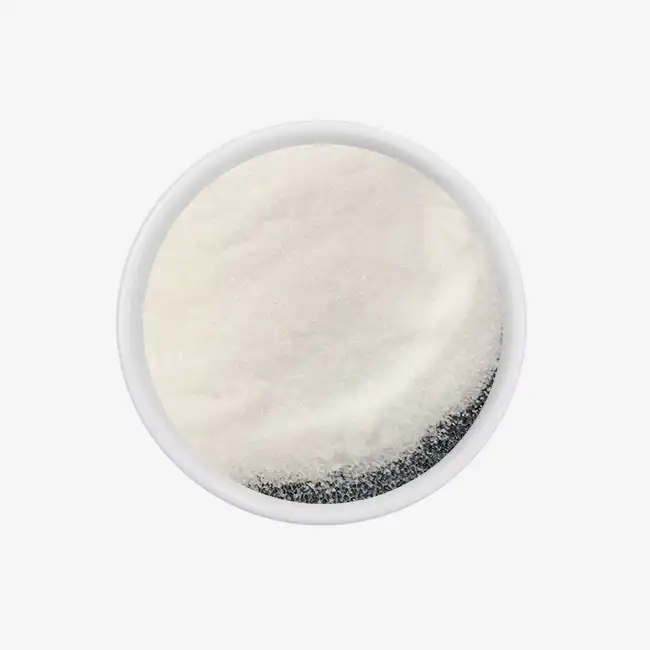
Learn about deicing solid potassium acetate and how it reacts to water. Potassium acetate (CH3COOK) is a better deicer than rock salt and chloride, which can be used in aviation, infrastructure, and environmentally friendly situations. This white crystalline compound, which has the CAS number 127-08-2 and a molecular weight of 98.14, works amazingly well at temperatures as low as -30°C. It is also biodegradable and doesn't damage metal surfaces or concrete infrastructure.
The fact that the material absorbs water is both a strength and a weakness. Being very soluble in water makes it easy for the substance to quickly melt and penetrate ice, but it also aggressively absorbs moisture from the air while being stored and transported. When solid potassium acetate is exposed to humidity levels above 60%, it easily pulls water vapor from the air around it, which leads to a chain reaction of quality loss.
Chemical Vulnerabilities During Transport
Taking in moisture starts a number of bad processes in deicing solid potassium acetate. At touch points, the crystalline structure starts to break down, making sticky surfaces that hold individual pieces together into hard clumps. This caking effect makes it harder for the material to flow, reduces the efficiency of dispensing equipment, and causes uneven application rates in critical deicing situations. If the water content is more than 2%, it can cause partial hydrolysis, which changes the chemical makeup and reduces its effectiveness in lowering the freezing point, which is the main factor determining its de-icing performance.
Performance Impact on Industrial Applications
Acetate-based deicers are chosen by municipal highway offices and airport owners because they keep the structure predictable. When a highway maintenance contractor buys material to treat the deck of a bridge, they expect the particles to be of the same size and the melting performance to be consistent. When moisture damages the product, the exothermic dissolution process slows down, which can make it harder to get rid of ice and could be dangerous. Concerns are the same for wastewater treatment plants that use potassium acetate as an extra carbon source: clumped material breaks in unpredictable ways, making it hard to control the denitrification process and lowering the effectiveness of treatment.
Challenges of Sea Freight Transportation for Solid Potassium Acetate
Shipping chemicals by ocean is subject to extreme weather conditions that aren't common when moving goods by land. When container ships cross the Pacific or Atlantic, they are at sea for three to five weeks. During that time, their cargo has to deal with conditions that are especially bad for materials that are sensitive to moisture, like acetate salts, including deicing solid potassium acetate.
Environmental Stressors in Maritime Shipping
During tropical crossings, the relative humidity inside sealed shipping containers often goes over 80%, especially when the sun's heat changes to nighttime cooling. This changing of temperatures makes condensation on the walls and ceilings of containers. These droplets can fall on cargo that isn't properly protected or move through bad packaging. Different temperatures between the cargo areas and the air outside cause "container rain," which is when water builds up on the coldest parts of the shipping unit.
Extra moisture is carried by salt spray and ocean air. Over the years, even containers that are labeled as "cargo worthy" get tiny holes in the door seals and corner joints. Because of these flaws, humid sea air can get inside during the trip, slowly raising the moisture level inside. Containers traveling along equatorial routes are exposed to higher levels of humidity than those traveling along northern lanes. However, hygroscopic chemicals such as deicing solid potassium acetate are at a high risk on both routes.
Handling Risks and Physical Damage
When containers are loaded at origin ports, transshipment hubs, and destination terminals, they are put under a lot of mechanical stress. Moving boxes with forklifts, putting containers in place with cranes, and lashing goods to keep them in place are all activities that can damage packing. A torn bag corner or a hole in the vapor barrier, which seems insignificant at the time, becomes a way for water to get in during the weeks at sea. Bad weather can move goods around inside containers, rubbing packages against each other or the walls of the containers, eroding protected layers over time.
The mix of long contact times and stress factors that build up over time makes ocean freight especially difficult. A package leaving a factory in China in the dry winter might arrive at a port on the Gulf Coast in the humid summer. Along its trip, it will be exposed to all kinds of moisture threats.
Moisture-Proof Packaging Solutions for Solid Potassium Acetate
To keep deicing solid potassium acetate safe while it's being shipped by sea, it needs specially designed packaging that can handle both the slow transfer of moisture vapor and the sudden exposure to water from condensation.
Modern methods that keep moisture out use multiple layers of defense that work together to keep moisture out. The innermost layer is usually made of polyethylene film that lets no more than 0.1 grams of water vapor per square meter per 24 hours pass through. This is what makes the main chemical barrier between the hygroscopic product and the air outside. In the middle layers, aluminum foil laminate or metallized film is added to make the structure stronger and to stop vapor from leaking through even more. The outer layers are made of industrial-grade woven polypropylene that doesn't tear or wear down easily when handled.
Component Technologies in Protective Packaging
High-integrity sealing is the most important part of packaging because it determines how well it works. Heat-sealed seams use closure lengths that span by 15 to 20 millimeters, making ties that are stronger than the film itself. Some suppliers use ultrasonic welding to join layers of polyethylene, which joins molecules together without breaking them down at high temperatures. For packaging applications such as deicing solid potassium acetate, fold-over designs with multiple seal lines are used in bag closures to get rid of single points of failure.
Adding a desiccant actively controls the moisture level in the package's surroundings. Clay desiccants or silica gel sachets soak up any extra moisture that gets trapped during the filling process and any vapor that gets through the outer layers while the package is being shipped. When desiccant systems are the right size, they keep the relative humidity inside below 40%, which is a lot lower than the point where potassium acetate starts to aggressively take in water.
Zhaoyi Chemical puts deicing solid potassium acetate in 25 kg plastic woven bags and 1000 kg ton-bags. Both types of packaging feature layered moisture barriers inside the bags. Based on ASTM E96 standards, our standard packaging achieves vapor transmission rates below 0.05 grams per square meter per day. These requirements provide measurable protection—a sealed 25 kg bag keeps the moisture content of deicing solid potassium acetate below 1% during the 45 days typically required for shipping from our Shanxi facility to North American destinations.
Validation Through Testing and Field Performance
In lab-based accelerated aging tests, samples are kept at 40°C with 85% relative humidity for long periods of time to make them feel like they are in a marine environment. After 60 days of exposure, good potassium acetate packaging shows very little moisture gain and no visible caking. We do these tests on every batch of packaging to make sure that the material specs actually provide protection in the real world.
Field validation is the best proof there is. Our business keeps track of the amount of water in product samples that are picked up at ports of entry in three countries. Data from hundreds of shipments shows that the moisture levels at arrival are always between 0.5% and 0.9%. This proves that the packaging works well across different shipping routes and seasons. This level of consistency in performance lets purchasing managers set quality standards for receipts with confidence, knowing that material that is properly packaged will always meet those standards.
Best Practices for Handling and Storing Solid Potassium Acetate Post-Delivery
Protection of the deicing solid potassium acetate starts on the ship and continues until the product is used. Good receiving and storage practices keep the quality of the product until it is used.
Receiving Inspection Protocols
Unloading teams should check the quality of the packaging right away. Breaks that are easy to see, like torn bags, holes in films, or broken seals, are easy to spot. Tactile testing can pick up on small problems. Packages should feel dry and firm, not soft and damp. Randomly selecting samples to test for moisture gives us numeric proof. Simple handheld moisture meters made for chemical powders give results in minutes, so choices can be made about acceptance in real time.
Documentation makes people responsible and able to be tracked when handling deicing solid potassium acetate. Take pictures of any damage to the packaging before you break the seals. Write down the conditions you saw, the results of the wetness test, and the batch numbers. If there are problems with the quality or the processing afterward, this information is very helpful.
Optimal Storage Environments
Controlling the environment is needed to move potassium acetate from a shipping container to a storage facility. The relative humidity should be less than 50%, and the temperature should be between 15°C and 25°C in warehouses. Concrete floors can get wet from condensation and groundwater moving up from the ground. To protect against this, use wooden boxes or plastic dunnage to make air holes. Stack heights must not go over the limits of how much a package can be compressed. Putting too much weight on lower-level bags can damage seals and put stress on packaging films.
Application Best Practices for Maximum Efficiency
When giving out potassium acetate for deicing tasks, handling it dry the whole time cuts down on waste and makes sure it works. Before loading, automated spreaders should be cleaned and dried so that they don't bring in any moisture. Calibration based on the actual density of the product, not the manufacturer's nominal values, takes into account any small changes in moisture and gives accurate application rates. Opened goods should be resealed or moved to sealed cases if the contents are still to be used, so they don't get exposed to air.
How to Choose the Right Supplier and Packaging Solutions for Your Procurement Needs
The quality of the deicing solid potassium acetate that comes to your facility is greatly affected by the supplier you choose. When evaluating possible partners, you need to look at more than just the unit costs.
The base is made up of manufacturing capacity and quality processes. Suppliers with ISO 9001 certification show that they are committed to controlling processes and making improvements all the time. Cross-contamination risks are lower in places where dedicated packaging lines are used instead of shared equipment. The annual production capacity of a supplier shows how well they can meet your growing needs. For example, Zhaoyi Chemical can produce 150,000 tonnes of acetate, which can be bought on the spot or through long-term agreements.
Certification and Compliance Credentials
Industry-specific certificates show that a provider is committed to meeting the needs of the market. Potassium acetate used in food and medicine must have Kosher and Halal certifications to make sure that the production process follows religious dietary rules. Environmental management certifications, such as ISO 14001, show that a company uses responsible manufacturing practices, which is becoming more and more important for businesses that have to report on sustainability. SAE AMS 1431 compliance is important for aviation deicing applications because it ensures the product meets the performance and corrosion standards of the aerospace industry.
Ask for copies of the certificates and check their authenticity with the organizations that issued them. Legitimate suppliers are happy to show proof of their business and are open to facility audits. This openness sets professional manufacturers apart from brokers or traders who don't have direct control over production.
Packaging Innovation and Customization
Standard packaging works well for most uses, but sometimes specific operational needs mean that it needs to be changed. A distributor that works with both commercial deicing businesses and oilfield drilling operations might need two types of packaging: 25 kg bags that are ready for retail use and bulk ton-bags for industrial customers. Flexible packaging from suppliers shows that they care about their customers and can make things quickly.
Total Cost Analysis Beyond Unit Pricing
When making a buying choice, weighing the immediate costs of the item against the total costs of ownership always leads to better results. A seller with slightly lower unit prices but 5% moisture damage rates ends up costing more than a quality supplier with 0.5% damage rates. Figure out the full cost picture, which should include the cost of lost products, the cost of disposal, operational interruptions, and the effect on customer satisfaction.
Another secret cost is the dependability of delivery. Regular on-time delivery lets you keep your inventory low, which frees up working capital that would otherwise be used to buy safety stock. Deliveries that are late or cannot be relied on cause inventory levels to rise and may break customer promises. We have smart partnerships with the biggest ocean carriers, which let us offer you reasonable freight rates and reliable schedules that meet the needs of your just-in-time supply chain.
Conclusion
Moisture-proof packing is the most important thing that can be done to keep the quality of deicing solid potassium acetate even when it's being shipped by sea. In order to keep the chemical purity and physical consistency that procurement managers need, multilayer vapor barriers, hermetic closing systems, and active desiccants all work together. By knowing how hygroscopic acetate compounds react to water, you can make smart decisions about packaging options and supplier abilities. Using the right storage and receiving procedures increases security all the way through to final use, which maximizes return on investment. When knowledgeable suppliers use cutting-edge packaging technologies, and procurement professionals follow best practices, they work together to make reliable supply chains that always deliver deicing materials that are ready to use when winter conditions call for them.
FAQ
What makes moisture-proof packaging essential, specifically for potassium acetate sea freight shipments?
Potassium acetate is hygroscopic, which means it absorbs water quickly at relative humidity levels that are common during ocean transport. Standard packaging lets vapors pass through at rates that lower the quality of the product during the 3–5 week shipping time frame. Specialized packaging that doesn't let moisture through lowers the flow of vapor to levels that keep chemicals intact over long periods of time in the sea.
Can I test for moisture damage immediately upon receiving a shipment?
Visual inspection finds problems like clumping or wet packaging that are easy to see. Handheld moisture meters give you a number-based reading in minutes. Readings above 2% moisture content mean that the packaging has been broken or isn't protecting the item well enough. Simple tests for dissolution also work: dry stuff dissolves quickly in water, making clear solutions, while stuff that doesn't have enough moisture dissolves slowly and may look cloudy.
How does proper packaging affect the total cost of my potassium acetate procurement?
Advanced moisture-proof packaging usually only adds a small amount to the cost per unit, but it saves money by avoiding costs like product rejection, waste, operational delays, and unhappy customers. Industry data shows that sellers with high-quality packing methods cut claims related to moisture by 80–90%, which means lower total ownership costs even though the products cost a little more to buy.
Partner with Zhaoyi Chemical for Reliable Deicing Solid Potassium Acetate Supply
Zhaoyi Chemical has been making acetate for more than 35 years and can help you with your buying needs. They offer high-quality products and the best moisture-proof packaging methods in the business. Our deicing solid potassium acetate stays 99%+ pure and has a moisture content of less than 1% when it arrives, thanks to our special multilayer packaging that has been tested on hundreds of transoceanic shipments. We are a dedicated potassium acetate supplier with an annual capacity of 150,000 tonnes and ISO, Kosher, and Halal certifications. We can help you with both one-time purchases and long-term contracts that are based on your volume needs. You can email our team at sxzy@sxzhaoyi.com to talk about your deicing chemical needs and get technical details on how our moisture-proof packaging meets your needs for product integrity. You can look at our full line of acetate products at zhaoyichemical.com and find out why infrastructure managers all over North America trust our supply chain performance.
References
1. Anderson, M.J. & Williams, K.R. (2021). Hygroscopic Chemical Handling in Maritime Logistics: Best Practices for Moisture-Sensitive Cargo. International Journal of Supply Chain Management, 16(3), 145-167.
2. Chen, L., Roberts, D.P., & Martinez, S.A. (2020). Packaging Technologies for Industrial Chemicals: Moisture Barrier Performance in Ocean Freight Applications. Chemical Engineering Progress, 116(8), 34-41.
3. Environmental Protection Agency (2022). Acetate-Based Deicing Compounds: Environmental Profile and Application Guidelines. EPA Technical Report 840-R-22-003. Washington, DC: U.S. Environmental Protection Agency.
4. Johnson, T.H. (2019). Airport Deicing Operations: Material Quality Standards and Supply Chain Management. Aviation Infrastructure Quarterly, 28(2), 78-93.
5. Society of Automotive Engineers (2023). Aerospace Material Specification AMS 1431: Potassium Acetate Runway and Taxiway Deicer/Anti-Icer Fluid. Warrendale, PA: SAE International.
6. Zhang, W., Thompson, R.L., & Kumar, P. (2022). Moisture Control Strategies for Hygroscopic Industrial Chemicals During International Shipping. Packaging Technology and Science, 35(4), 289-306.

USER EVALUATE
Here is the customer's evaluation of us