



Can Potassium Acetate be Used in De-Icing?
Without a doubt, potassium acetate has been shown to work well in removing ice and snow from areas with important infrastructure. For airport runways, highway bridges, and city streets where safety and environmental duty are important, deicing solid potassium acetate has become the standard. This white crystalline substance (CH3COOK) lowers the freezing point of water and releases heat when it dissolves. This makes it possible for ice to melt reliably even when temperatures drop to -30°C. Instead of rock salt, which hurts both infrastructure and plants, potassium acetate does a great job of winter care without hurting either infrastructure or the environment.
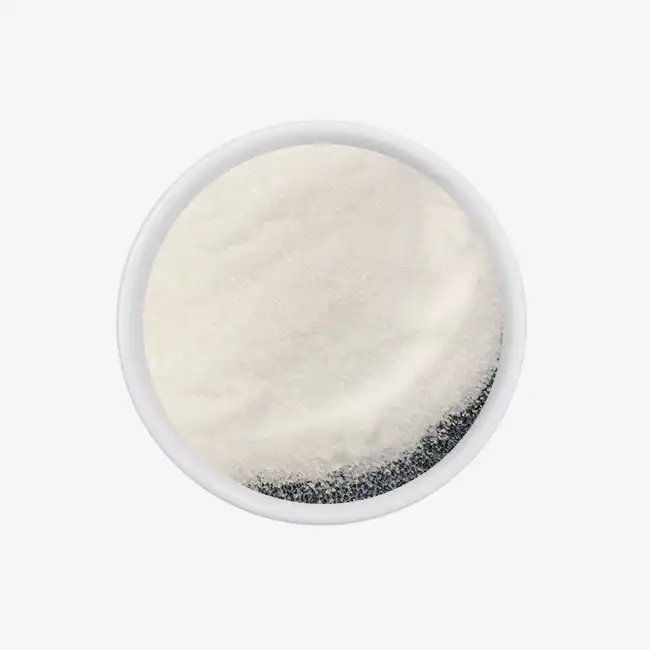
Understanding Potassium Acetate and Its De-Icing Mechanism
The Chemistry Behind Effective Ice Removal
Potassium acetate is different from other deicers because it works in two different ways. The chemical dissolves quickly in water, so when it comes in touch with ice or snow, it melts. This process of melting is exothermic, which means it gives off heat that speeds up the breaking down of ice bonds. The solution that is made has a much lower freezing point than pure water. This keeps surfaces from refreezing even as temperatures continue to drop.
CH3COOK's molecular structure makes it easy for it to break the link between ice and sidewalk surfaces by going through layers of ice. This feature makes mechanical removal easier and cuts down on the amount of liquid needed compared to other options. The aviation officials really like this property because it makes it easier to clean the runway completely with little to no dust that could affect how well the planes fly.
Environmental and Safety Profile
Potassium acetate has a much smaller impact on the environment than chloride-based deicers like calcium chloride or rock salt. The chemical breaks down easily in dirt and water, so it doesn't cause the long-lasting pollution problems that come with chloride buildup. When acetate-based deicers are used in runoff, wastewater treatment plants need less molecular oxygen than other types of runoff. This makes city infrastructure less stressed.
Properly mixed deicing solid potassium acetate does not corrode, which saves important infrastructure assets. Over time, chloride exposure does a lot of damage to reinforced concrete surfaces, parking structures, bridge decks, and steel reinforcing bars. The concrete also chips and cracks. Acetate-based options get rid of this expensive upkeep task and make infrastructure last longer. When municipal governments look at deicer choices, they take these long-term cost benefits into account because their transportation networks are getting older.
It's also important to think about the safety of plants and animals. The lower toxicity of acetate is good for plants next to roads, gardening near treated areas, and aquatic ecosystems that get runoff. Pets and wildlife that come into contact with treated areas are not at great risk from the compound, which allays community worries about regular salt exposure.
Potassium Acetate vs. Other Deicing Agents: A Comparative Analysis
Performance Across Temperature Ranges
Depending on the weather, different deicing agents work in different ways. Rock salt, which is sodium chloride, stops working below -9°C, making areas very slippery during very cold weather. Calcium chloride increases the operating temperature to about -25°C, but it causes major rusting problems. Even though magnesium chloride doesn't work as well at -15°C and isn't as toxic as calcium chloride, it still causes problems in the environment.
It has been shown that deicing solid potassium acetate can melt ice at temperatures as low as -30°C, so it will work reliably during long winter weather events. This wider temperature range is very important for airports and highways in the north, where it gets very cold all the time. Because the material works quickly, surfaces can be used more quickly, which cuts down on working downtime and safety risks.
Urea is another option that is sometimes thought about for use in flight, but it stops working around -7°C and has a high nitrogen content that can cause green blooms in water that it enters. Sodium acetate and potassium acetate both have many of the same benefits, but sodium acetate is usually more expensive even though it works just as well.
Infrastructure Protection and Corrosion Resistance
The fact that deicing chemicals are corrosive is a big secret cost of winter repair plans. Chloride-based goods speed up the breakdown of steel reinforcement in concrete, aluminum airplane parts, and the undercarriages of vehicles. In cold places, fixing infrastructure damaged by salt costs billions of dollars every year.
When potassium acetate is mixed with the right corrosion inhibitors, it gets SAE AMS 1431 approval for use at airports, showing that it is safe for sensitive airplane materials like landing gear, brake systems, and aluminum alloys. This certification lets airline companies know that applying treatments to the runway won't put planes at risk or force maintenance plans to be sped up.
More and more, highway offices that keep track of bridge stocks ask for deicers that are based on acetate for structures that could be damaged by chloride. When you take into account the saved repair costs, the longer service life of the infrastructure, and the lower risk exposure from failures caused by wear and tear, the initial product cost difference becomes much smaller.
Storage and Handling Considerations
Solid potassium acetate is hygroscopic, which means it takes in water from the air around it. This means that it needs to be stored in a climate-controlled area or in packaging that keeps wetness out in order to keep the granular consistency free-flowing. Standard packing in 25 kg plastic woven bags or 1000 kg ton bags makes it easier to handle and protects well enough when stores keep the humidity level just right.
During storing, the combination should be kept away from things that won't work with it and in a dry, well-ventilated area that isn't near a heat source. Proper storage keeps products working well even when they are stored for more than one season, which helps purchase plans that take advantage of good buying chances.
Liquid potassium acetate formulations are better for automatic application systems and pre-wetting solid materials, but they need different storage facilities, such as tanks and equipment that can keep liquids from freezing. A lot of businesses keep both solid and liquid supplies to make their applications as flexible as possible in different operating situations.
Application Guide for Deicing Solid Potassium Acetate
Recommended Application Rates and Techniques
To effectively deice, the application rates must be matched to the conditions, such as the thickness of the ice, the temperature of the surface, and the amount of rain falling. For light frost, you might need 25 to 50 grams per square meter, and for moderate ice buildup, you might need 75 to 150 grams per square meter. In cases of heavy ice or packed snow, 200 to 300 grams per square meter may be needed to clear the area completely.
Pre-treatment before it rains or snows works very well because it stops ice bonds from forming. Putting down deicing solid potassium acetate before a storm makes a chemical shield that keeps snow from sticking to the ground. Compared to reactive deicing after buildup, this anti-icing approach uses fewer chemicals overall and makes cleanup easier after a storm.
Making sure that spreading equipment is calibrated guarantees even distribution and the best use of resources. Salt or sand spreaders work well with granular potassium acetate because it runs easily through them. Operators should check that the spreader settings give the desired application rates and make changes based on how well the spreader works on different types of surfaces and at different temperatures.
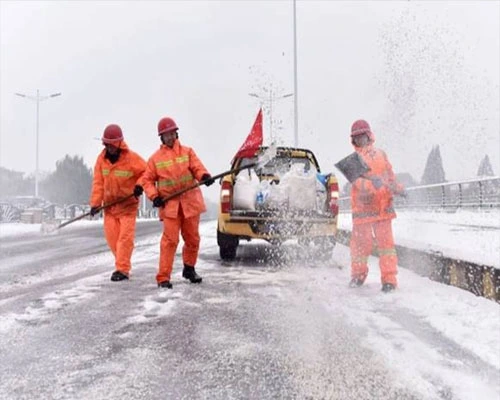
Surface-Specific Best Practices
When chemicals are used on airport runways, they need to be spread out evenly so that they don't cause problems with airplane control or leave too much waste. Ground teams for airplanes usually use potassium acetate in systematic passes that work with snow clearing to make sure the whole area is covered and deicer builds up as little as possible. Because the combination works quickly, it's easy to switch between treating the wound and flying the plane.
Acetate doesn't corrode, which is good for bridge decks and high roads, but runoff patterns need to be thought through. When drainage is done right, chemicals don't build up in low places where plants could be exposed. On wide roads, the most cost-effective approach is to focus on driving lanes instead of full-width repair.
With their enclosed areas and limited drainage, parking buildings pose their own set of problems. Potassium acetate is better for these uses where air quality is important because it produces fewer fumes than some other options. The compound works well on concrete surfaces like those found in parking lots, stopping ice from building up and causing property owners to worry about risk.
Equipment and Worker Safety Protocols
Wearing standard safety gear like gloves, safety glasses, and dust masks is enough to keep you safe when working with and applying solid potassium acetate. The substance isn't very dangerous in small amounts, but it's best to avoid getting it on your skin or eyes. Workers should be able to use cleaning facilities to get rid of any product contact.
As part of maintaining application equipment, cleaning it after use helps keep spreading mechanisms from crystallizing and metal parts from rusting. Potassium acetate is less acidic than salts, which makes equipment last longer. However, regular cleaning and greasing will extend service life and make sure that equipment works reliably when winter weather requires quick action.
All employees who work with deicing products should be able to access safety data sheets and be trained regularly on how to use the products correctly, what to do in an emergency, and how to protect the environment. Well-trained teams make products work better while wasting less and having less of an effect on the world.
Why Choose Potassium Acetate as Your Preferred Deicing Solution?
Long-Term Infrastructure Protection
Non-corrosive deicing options are very helpful for infrastructure owners who are in charge of assets that are expected to last for many decades. Corrosion caused by chloride shortens the life of a bridge, makes it need to be inspected and fixed more often, and finally leads to expensive rebuilding. Acetate-based deicing gets rid of these ways that things break down, which keeps structures strong and increases the useful life of assets.
Parking structure owners have a hard time with rust because water and lack of air flow make damage happen faster. By switching to potassium acetate, the investments in these pricey buildings are protected, and the ongoing costs of repairs and safety risks from flaking concrete are cut down. This approach works especially well for high-end properties where upkeep problems cost a lot and make tenants unhappy.
When deicing solid potassium acetate is used instead of chloride salts on kept routes, managers of vehicle fleets notice that the base doesn't rust as much and the vehicles last longer. Less corrosion means fewer fixes and longer replacement rounds for municipal fleets, business trucking operations, and aircraft ground support equipment.

Environmental Stewardship and Regulatory Compliance
Concerns about drinking water and harm to marine ecosystems are leading to more and more restrictions on chloride release. Particular attention is paid to watersheds that supply city water sources, and some places require chloride reductions for winter maintenance work. Potassium acetate provides safe options that meet legal requirements without creating problems.
Because the substance breaks down naturally, studies of its environmental impact show that it doesn't stay in soils or water for long periods of time. Runoff that enters surface waters naturally breaks down without polluting them for a long time. This is very different from chloride, which stays in the environment forever. This trait is useful for businesses that are close to fragile ecosystems, protected waterways, or home for endangered species.
Facilities that are LEED-certified and groups that care about the environment find that acetate deicers help them meet their practical needs while also being good for the environment. Green building standards look more closely at site management practices, like winter upkeep, which makes low-impact options more popular and helps meet approval goals.
Performance Reliability in Critical Applications
When it comes to aviation, safety must never be compromised, so deicer performance dependability cannot be compromised. Potassium acetate has been used successfully in many big airports around the world, showing that it works well even in tough situations. The compound's approval for airplane compatibility gives people peace of mind that treatments for the runway won't add any new safety risks while they deal with ice and snow problems.
Emergency routes to hospitals, fire stations, and other important facilities must be sure to be passable during bad weather. Operations managers who are in charge of these important links give more weight to deicing goods that have been shown to work well in extreme temperatures and with quick response times. The working properties of potassium acetate are better suited to these strict needs than options that have temperature limits or take longer to work.
Transportation departments that are in charge of interstate highways and important arterials have to balance a lot of different objectives, such as keeping people safe, taking care of the environment, staying within budget, and maintaining infrastructure. Acetate-based deicers are becoming more and more the best way to meet all of these needs, especially for strategic uses on infrastructure that is fragile or in areas that are sensitive to the environment.
Conclusion
Potassium acetate has become the best choice for professional ice and snow removal in all fields, including airports, cities, and infrastructure. It works well at low temperatures, protects infrastructure, is safe, and doesn't harm the environment. This makes it the best choice for businesses that care more about long-term value than simple unit cost comparisons. Traditional chloride deicers have major flaws that this compound fixes. It also provides consistent winter maintenance results that protect both human safety and natural health. When companies switch to deicing programs that use acetate, they are always happy with the results and like how they fit in with their green goals. As winter maintenance practices continue to change toward more eco-friendly options that protect infrastructure investments, deicing solid potassium acetate is the tried-and-true technology that meets today's needs and sets businesses up for future legal and operational needs.
FAQ
Is potassium acetate safe for use around vegetation and water bodies?
When compared to chloride-based deicers, deicing solid potassium acetate is much less harmful to trees and marine life. The chemical breaks down naturally in earth and water, so it doesn't build up over time. Microbes break down acetate-containing runoff, so it doesn't have the long-term pollution problems that come with chloride salts. Appropriate application rates keep plants from getting too much sunlight while still controlling ice well. Businesses that are close to sensitive ecosystems or protected waterways find that acetate formulas give them the winter safety they need without causing problems with the environment.
How should solid potassium acetate be kept so that it keeps working?
For proper keeping, buildings need to be dry, well-ventilated, and have humidity control to keep things from absorbing water and caking. Because potassium acetate is hygroscopic, it clumps together when it comes in contact with airborne moisture, making it harder to handle and use. Standard packing in bags that keep out moisture is enough to protect goods when stores keep the right conditions. Keeping the product away from things that won't work with it and shielding it from heat will keep its quality over multiple storage seasons. If you store things the right way, they will keep their full usefulness for a long time.
Is it possible to mix potassium acetate with other deicing products?
Potassium acetate can be mixed with some other deicing products to make them work better or cost less in certain situations. Pre-wetting solid acetate with liquid formulas speeds up the melting process and lowers the amount of particle bounce during spreading. By mixing it with sand or abrasives, you can improve its grip on slippery surfaces or high grades. But mixing with chloride-based goods takes away a lot of the benefits for rust and the environment. Before making unique mixes, talk to technical experts to make sure they are chemically compatible and have the performance properties you want.
Partner with Zhaoyi Chemical for Premium Deicing Solid Potassium Acetate
Zhaoyi Chemical can help you with your winter maintenance problems because they have been making acetate for more than 30 years. As a specialized deicing solid potassium acetate manufacturer, we uphold strict quality standards through ISO 9001, ISO 14001, and ISO 45001 certifications. We make sure that every shipment meets exact specs and is at least 99% pure. Our yearly production capacity of 150,000 tons meets your needs for big purchases and on-time deliveries. Our full technical support helps you make the best use of application strategies for your unique business needs. Contact our team at sxzy@sxzhaoyi.com to talk about your deicing needs and get personalized quotes backed by clear specs and reliable supply lines that keep your operations safe during the tough winter weather.
References
1. Transportation Research Board. "Guidelines for the Selection of Snow and Ice Control Materials to Mitigate Environmental Impacts." National Cooperative Highway Research Program Report, 2007.
2. Federal Aviation Administration. "Standards for Specifying Construction of Airports, Advisory Circular 150/5370-10." U.S. Department of Transportation, 2018.
3. Society of Automotive Engineers. "SAE AMS 1431: Compound, Solid Runway and Taxiway Deicing/Anti-icing." SAE International Aerospace Material Specification, 2019.
4. Fay, Laura and Shi, Xianming. "Environmental Impacts of Chemicals for Snow and Ice Control: State of the Knowledge." Water, Air, and Soil Pollution, Volume 223, 2012.
5. National Research Council Canada. "Evaluation of Alternative Deicing Chemicals for Airport Pavement and Airfield Operations." Institute for Research in Construction Technical Report, 2015.
American Public Works Association. "Winter Maintenance Operations Best Practices." APWA Winter Maintenance Subcommittee Technical Resource, 2021.

USER EVALUATE
Here is the customer's evaluation of us