



Can Potassium Acetate Improve Commercial Facility Winter Safety?
Winter poses serious operational risks for commercial facilities. Slip-and-fall incidents, vehicle accidents, and frozen infrastructure can halt business and create liability exposure. The answer is yes—deicing liquid potassium acetate (CAS No.: 127-08-2) significantly improves commercial facility winter safety by preventing ice formation, protecting infrastructure, and reducing environmental harm. This non-corrosive, biodegradable solution works effectively at temperatures as low as -60°C, offering facility managers a reliable tool that outperforms traditional chloride salts while safeguarding personnel, equipment, and surrounding ecosystems.
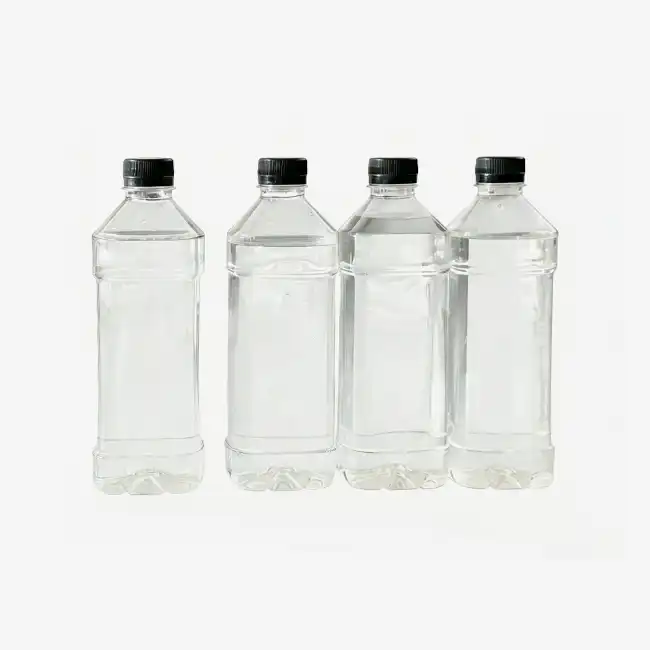
Understanding Potassium Acetate Deicing Liquid and Its Role in Winter Safety
Learn about deicing liquid potassium acetate and how it helps keep people safe in the winter. For safety in the winter, you need solutions that work quickly and effectively in harsh circumstances. Deicing liquid potassium acetate is a technological improvement in managing ice. It gives business buildings a chemical solution that was made to work in high-stakes situations.
Chemical Composition and Physical Properties
Deicing liquid potassium acetate is a salt that is made when acetic acid and potassium hydroxide react. Its molecular formula is CH₃COOK. This clear, colorless liquid with a slightly sour taste works even when temperatures are very high or very low, which is impossible for most deicers. This compound, which has the CAS number 127-08-2 and a molecular weight of 98.14, can lower its freezing point to -60°C (-76°F), which means it can still work in a liquid state when other solutions solidify.
The specific gravity is between 1.25 and 1.30, which means that the solution can get through layers of ice and break up the bonding at the sidewalk contact. Because of this density advantage, less product is needed to cover more area than with lighter formulations.
How Potassium Acetate Disrupts Ice Formation
The water molecules in ice make links when they arrange themselves in crystalline shapes. By dropping the freezing point of water, deicing liquid potassium acetate gets in the way of this molecular order. When used as a precaution before it rains, the solution makes a chemical shield that stops ice from sticking to surfaces. When put on top of ice that is already there, it quickly enters, breaking chemical bonds and making removal easier.
At the molecular level, the acetate ions get between the water molecules and break the hydrogen bonds that are needed for ice to form. This system lets facility managers keep walking and driving surfaces safe even when it's freezing outside for a long time.
Advantages Over Traditional Chloride-Based Deicers
For decades, rock salt and calcium chloride have been the mainstays of winter maintenance, but they have a lot of problems. Products with chlorine rust metal structures, damage concrete by flaking and scaling, and hurt plants near where they are used. They also pollute the groundwater, which stays dirty long after winter is over.
These worries go away when you use deicing liquid potassium acetate. Testing shows that airplane metals, bridge rebar, and vehicle undercarriages will not corrode too much. The pH range of 7.5 to 9.2 keeps things close to normal, which is good for protecting fragile items. Studies on the environment show that these materials break down quickly without releasing harmful nitrogen compounds. This is very different from urea-based options that make rivers need more biological oxygen.
Comparing Potassium Acetate with Other Common Deicing Solutions
Commercial procurement teams have a lot of deicing options, and each one performs differently and costs differently. Knowing these differences helps you make decisions that are in line with operational priorities and government rules.
Performance Comparison Across Deicing Chemicals
Calcium acetate is also non-corrosive, but it only works well up to about -12°C, which makes it less useful during very cold spells. Magnesium acetate works well at temperatures up to -26°C, but it costs a lot more per use because it is harder to find.
Even though sodium acetate is chemically similar, it works best at a smaller range of temperatures and can corrode some alloys more easily. Ethylene glycol and propylene glycol are great at lowering the freezing point, but they may be harmful to marine life and deplete oxygen levels in water that they enter.
Chloride salts, such as sodium chloride, calcium chloride, and magnesium chloride, work quickly and don't cost much at first, but they do a lot of damage over time that makes upkeep costs go up over time. Replacement decks for bridges, fixes to parking structures, and corrosion in a fleet of vehicles can cost a lot more than the original savings.
Environmental and Safety Considerations
Environmental responsibility is becoming more and more important in purchasing decisions. Chloride discharge limits are limited by regulations because it has been shown to harm freshwater ecosystems and drinking water supplies. As long as the heavy metal level stays below 0.01% for lead and below 0.0004% for arsenic, deicing liquid potassium acetate meets strict environmental standards.
The chemical breaks down naturally with the help of microbes and doesn't build up in the soil or groundwater. Studies of wildlife exposure show that it is not as harmful as chloride salts, which hurt animals' paws and internal systems when they eat them while cleaning.
Cost-Effectiveness and Availability Analysis
Even though deicing liquid potassium acetate costs more per unit than rock salt, an overall cost analysis shows that it is a very good deal. Higher material costs were balanced out by less damage to infrastructure, longer equipment life, and less risk of being sued. The liquid formulation is better for places with automatic spray systems because it keeps the equipment from getting clogged and needs to be applied less often than granular goods.
As production capacity grows around the world, availability has gotten better. Shanxi Zhaoyi Chemical keeps its production capacity at 150,000 tons per year, which makes sure that large-scale business activities can always get what they need. Strategic stockpile management and long-term shipping partnerships give buying teams access to reliable materials and cheap shipping costs.
Best Practices for Applying Potassium Acetate Deicing Liquid in Commercial Facilities
To get the most safety benefits and cost savings, you need to use the right treatment methods that are tailored to your facility's needs. Strategic use of deicing liquid potassium acetate turns it from a common chemical into a complete tool for managing winter risks.
Application Methods and Dosage Recommendations
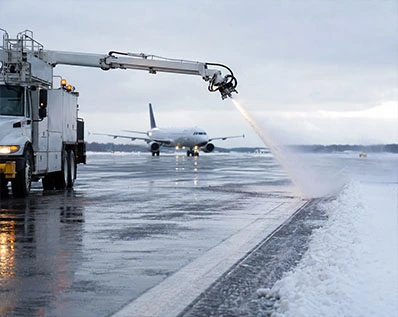
When it comes to effects, anti-icing tactics work better than reactive deicing. Putting down deicing liquid potassium acetate 24 to 48 hours before it's supposed to rain or snow makes a protection film that stops ice from sticking together. Tanker spray systems spread the solution equally over parking lots, roads, and places where people walk. They do this at rates of 25 to 40 gallons per lane mile, which are changed based on temperature and amount of rain.
Fixed Automated Spray Technology (FAST) systems work well with deicing liquid potassium acetate to protect bridge decks. Sensors keep an eye on the temperature and moisture of the pavement, which sets off precise applications that keep people safe without wasting time or money. This technology cuts down on labor costs and makes sure that events that happen overnight or on the weekend, when worker levels are low, are always covered.
When removing ice that has already formed, straight application at 40 to 60 gallons per lane mile speeds up the process. The liquid mixture quickly cuts through layers of ice, breaking ties and letting plows or sweepers remove the ice mechanically. Chemical weakening followed by physical removal is a two-step process that cleans surfaces faster than chemical action alone.
Safety and Storage Guidelines
The right way to handle something keeps people safe and keeps the product's integrity. The solution needs to be stored in dry, well-ventilated buildings away from materials that don't work with it. Containers made of stainless steel or high-density plastic keep concentration levels stable and stop pollution. The product has an infinite shelf life as long as it is stored properly, but it needs to be tested every year to make sure it stays concentrated after long periods of storage.
People who use the solution should wear normal safety gear like gloves and eye protection. However, the solution's nearly neutral pH makes it less likely that the skin will become irritated. The steps used for unloading should keep containers from getting damaged, which could lead to spills. Containment and cleanup should be part of emergency reaction plans, but the compound's biodegradability means that there isn't much environmental danger.
Case Study: Large Distribution Center Implementation
In the Midwest, a 500,000-square-foot distribution center put deicing liquid potassium acetate on the loading docks, roads, and employee parking lots. In the past, there were an average of 12 slip-and-fall accidents and three car accidents each winter, which led to workers' compensation claims and problems with operations.
After switching to a preventive application approach using deicing liquid potassium acetate and automatic spray equipment, there were no slip-and-fall accidents at the facility during the two winter seasons. The number of car crashes dropped to one small one. Inspections of the infrastructure showed that rust did not progress on steel dock levelers and aluminum overhead doors. This was different from the chloride salt era, when damage progressed more quickly. The building manager said that the move was worth it because the costs of liability insurance went down and concrete repair costs went away within 18 months.
Procurement Considerations for Potassium Acetate Deicing Liquid
To choose the right supplier, you need to look at more than just unit price. Whether a procurement decision for buying deicing liquid potassium acetate (CAS NO.: 127-08-2) creates long-term value or operational headaches depends on quality assurance, regulatory compliance, and the dependability of the supply chain.
Evaluating Supplier Quality and Certifications
Professional-grade providers and commodity traders are different when it comes to quality uniformity. Getting ISO 9001 certification proves that quality management is used throughout the whole manufacturing process. ISO 14001 shows that an environmental management system is being followed, which is very important when measuring a company's sustainability and its overall performance. The ISO 45001 certification checks that health and safety rules at work protect workers all along the supply chain.
In some situations, it's important to have specialized certifications. KOSHER and HALAL approvals make sure that facilities that make medicines or cater to religious food needs keep their products honest. For these certifications, strict paperwork on where the ingredients come from and rules for keeping ingredients from getting contaminated are needed, which raises the total quality standards.
Each package should come with a Certificate of Analysis (CoA) that lists the quantity, pH, heavy metal content, and contaminant levels. Testing to make sure it meets the strict requirements of SAE AMS 1435 shows that it can be used in flight applications. However, these high standards help all business users by proving performance characteristics.
Bulk Purchasing and Distribution Networks
During the long winter months, commercial buildings use a lot of water. Suppliers who offer 1000L IBC tanks and flexitank containers as shipping options offer cost-effective bulk delivery that lowers the cost per unit and cuts down on the number of times you have to reorder. Different suppliers have different minimum order quantities, so it's best to match purchase volumes with storage space and seasonal demand predictions to get the most out of your working capital.
The strength of the distribution network decides whether or not goods arrive before major weather events. Suppliers who have long-term relationships with foreign shipping companies can be sure they will have space for their containers and get good freight rates. Standard orders have lead times of 5 to 7 working days, which allows for just-in-time inventory strategies. Safety stock provisions protect against sudden increases in demand.
Technical Support and Customer Service
Emergencies caused by winter weather don't wait for business hours. Suppliers that offer technology support 24 hours a day, seven days a week help site managers make the best use of application strategies during growing storm situations. Access to application guidance, concentration testing, and suggestions for equipment compatibility helps keep mistakes from happening that cost a lot of money.
Respondent customer service handles questions about billing, coordinates delivery times, and speeds up rush orders when weather forecasts change quickly. Long-term relationships with suppliers based on trusting communication turn into partnerships instead of transactions.
Long-Term Value and Future Trends of Using Potassium Acetate in Winter Safety
Strategic procurement looks beyond what is needed right now and takes into account things like changing regulations, new technologies, and the overall cost of doing business. Deicing liquid potassium acetate puts facilities in a good situation for a number of different planning periods.
Sustainability and Regulatory Compliance
Environmental rules about chloride discharge are getting stricter as protecting watersheds becomes a policy priority. More and more cities and towns are limiting the use of salt near rivers that are sensitive, and some places require environmental impact studies for winter maintenance programs. Because deicing liquid potassium acetate is biodegradable and not very harmful, it is safe to use and doesn't break any rules that might come up in the future.
Stakeholders want companies to be responsible with the environment, so their sustainability pledges affect which suppliers they choose. Lowering chemical oxygen demand, aquatic toxicity, and soil pollution has been proven to help meet ESG reporting requirements and improve a company's image with investors and customers who care about the environment.
Innovation in Formulation and Application Technology
Researchers are still working to make acetate formulas better by adding more rust inhibitors and finding the best concentrations. Modern formulas make the temperature ranges where they work longer and lower the amount that needs to be applied, which lowers the total cost per covered area.
As application technology improves, it moves toward precise transport systems that use automatic dispensing and weather data merging. Smart infrastructure systems keep an eye on things in real time and change how chemicals are used on the fly, which cuts down on waste and improves safety. Early adopters will have a competitive advantage because these technologies work well with liquid formulations like deicing liquid potassium acetate.
Infrastructure Protection and Cost Savings
Damage to infrastructure caused by chloride exposure has buried costs that show up years after the savings were made. Chloride ions can get into concrete structures and eat away at the embedded rebar, causing cracks and structural weakness that need expensive repairs. Metal infrastructure rusts more quickly, which shortens the life of tools and makes replacements more often necessary.
These ways of breaking down are stopped by deicing liquid potassium acetate, which increases the life of infrastructure and lowers the cost of upkeep. Protecting outdoor equipment, loading docks, and parking lots from chemicals that break down metal gives you a better return on your investment because the items last longer. Over many years, these savings add up, which makes deicing liquid potassium acetate economically beneficial even though it costs more at first.
Conclusion
Strategically deploying deicing liquid potassium acetate (CAS NO.: 127-08-2) makes commercial buildings much safer in the winter. This improved deicing method stops ice from forming better than older methods, and it also protects infrastructure and the environment. The compound works very well at low temperatures, doesn't rust, and breaks down quickly in living things. These properties make it perfect for facility managers who are worried about keeping workers safe, protecting assets, and following rules. When procurement teams look at the total cost, they know that protecting infrastructure and lowering risk costs more than make up for higher material costs, giving better long-term value. As rules about the environment get stricter and people expect things to last longer, deicing liquid potassium acetate puts facilities in a good position for both immediate operational needs and future strategic needs.
FAQ
Is potassium acetate safe around landscaping and vegetation?
Compared to chloride salts, deicing liquid potassium acetate has a much smaller effect on the environment. The chemical breaks down naturally without giving off harmful nitrogen compounds that hurt plant roots or pollute groundwater. When plants take in potassium, it actually acts as a good nutrient, while chlorides hurt plant cells and the structure of the soil. Following the dosage rules for safe and responsible application saves landscaping while keeping people safe.
What temperature range provides effective ice melting?
Deicing liquid potassium acetate stays liquid and chemically active up to -60°C (-76°F). However, for practical purposes, it works best between -29°C and -35°C (-20°F to -30°F), based on how much rain falls and how strong the wind is. This performance is better than most chloride salts and as good as or better than glycol-based options, so it will work reliably during harsh winter storms.
Can potassium acetate mix with other deicing chemicals?
Even though deicing liquid potassium acetate is chemically friendly with most other substances, it is not a good idea to mix it with other deicers while it is being stored. Blending changes how the freezing point drops and can mess up rust prevention packages that were made to work with acetate formulas. When switching between goods, facilities should completely flush application equipment to avoid contact that wasn't meant to happen.
Partner with Zhaoyi Chemical for Superior Winter Safety Solutions
Zhaoyi Chemical has been making acetate for more than 30 years and can help you with your winter safety issues. As a deicing liquid potassium acetate supplier, we can make up to 150,000 tons of product every year, so large businesses can always get what they need during the tough winter months. We keep a close eye on quality with ISO 9001, ISO 14001, and ISO 45001 certifications. For certain uses, we also get KOSHER and HALAL certificates. Our expert team is available 24 hours a day, 7 days a week to help with application advice, concentration tests, and equipment compatibility. There are a lot of different needs for facilities, so we offer flexible packing choices like 1000L IBC tanks and flexitanks. We also have established shipping partnerships that make logistics cheap all over North America. Email our team at sxzy@sxzhaoyi.com to talk about your unique winter safety needs and find out how our tried-and-true acetate solutions can help protect your people, property, and the environment.
References
1. Federal Aviation Administration. (2018). Airport Winter Safety and Operations: Advisory Circular on Aircraft Deicing Fluid Performance Standards. U.S. Department of Transportation.
2. Transportation Research Board. (2020). Assessment of Environmentally Acceptable Deicing Chemicals for Highway Winter Maintenance. National Academies Press.
3. American Society for Testing and Materials. (2019). ASTM F1111-98: Standard Test Method for Sandwich Corrosion Test for Airfield Pavement Deicing Chemicals. ASTM International.
4. Pacific Northwest National Laboratory. (2017). Environmental Impacts of Runway Deicing Operations: Comparative Analysis of Acetate and Chloride Formulations. U.S. Department of Energy.
5. Society of Automotive Engineers. (2021). SAE AMS 1435: Fluid, Generic, Deicing/Anti-icing Runways and Taxiways. SAE International Standards.
6. National Research Council Canada. (2016). Infrastructure Protection through Alternative Deicing Strategies: Long-term Durability Assessment of Bridge Structures. Canadian Construction Materials Centre.

USER EVALUATE
Here is the customer's evaluation of us