



How to Optimize Potassium Acetate Application for Snow Removal?
Optimizing deicing liquid potassium acetate (CAS NO.: 127-08-2) application for snow removal requires careful attention to application rates, timing, and surface preparation. This acetate-based solution performs effectively at temperatures as low as -60°C while protecting infrastructure from corrosion damage common with traditional chloride salts. Successful implementation involves calibrating spray equipment to deliver proper coverage, applying preventive treatments before storm events, and storing the product in appropriate conditions to maintain concentration and effectiveness throughout the winter season.
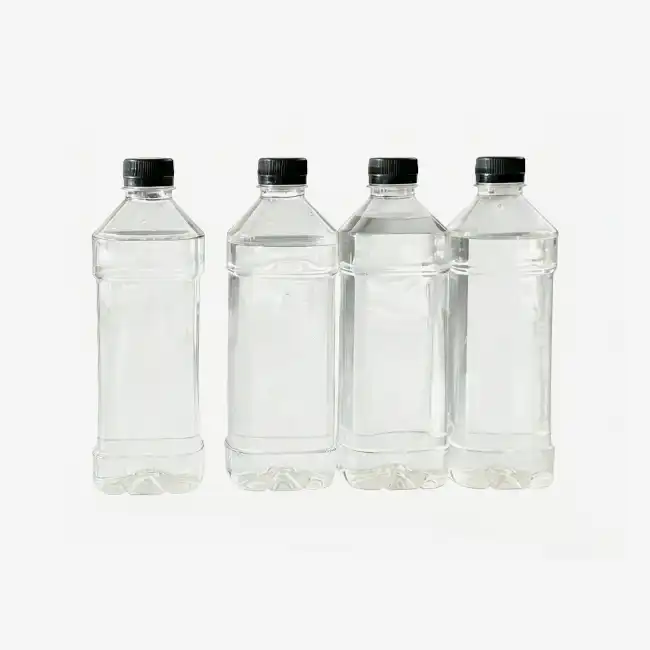
Understanding Potassium Acetate as a Deicing Solution
In the United States, winter makes it hard for airlines, highway offices, and factories to run their businesses. Building up snow and ice is dangerous, slows things down, and affects the stability of infrastructure. There are many deicing agents on the market, but acetate-based solutions have become the most popular choice over rock salt and chloride compounds.
Chemical Composition and Mechanism of Action
Potassium acetate (CH₃COOK, CAS Number 127-08-2) is a strong substance that lowers the freezing point of substances. When put on concrete, it breaks down into the water layer between the ice and the base, making a brine solution that stops the ice from sticking to the surface. This clear, colorless liquid has a molecular weight of 98.14 and stays flexible even at very high and very low temperatures. This lets it quickly move through snow layers. The acetate anion stops ice crystals from forming, and the potassium cation makes it easier for the ions to get into porous ice structures. Professionally made acetate solutions work down to -60°C, while regular salt stops working around -9°C. This gives you an important safety cushion during severe winter storms.
Comparative Advantages Over Traditional Deicers
When buying teams look at chemicals for clearing snow, they base their decisions on three main factors: how well the chemicals work, how well they work with existing infrastructure, and how they affect the environment. Normal calcium chloride melts quickly, but it speeds up the breaking down of concrete and steel. While magnesium chloride works well in low temperatures, it hurts plants that grow next to roads that have been treated with it. Products made from urea raise the biological oxygen demand in rivers too much, which leads to algae blooms and changes in marine ecosystems.
Acetate-based deicing agents get rid of all of these problems. Studies by the Federal Aviation Administration show that using potassium acetate correctly cuts the rate of corrosion on aircraft by 80% compared to using glycol options. After freeze-thaw cycles, bridges that were treated with acetate solutions have a lot less concrete scaling. Environmental tracking shows that acetates break down quickly without releasing harmful nitrogen chemicals, which keeps the water quality in streams nearby. Quality formulations have a pH range of 7.5 to 9.2. This gives them a mild alkalinity that saves metal parts even more while still being safe for the grounds around them.
Regulatory Compliance and Industry Standards
Authorities in charge of aviation demand that runway deicing fluids strictly follow the SAE AMS 1435 guidelines. The ASTM F 483 total immersion protocols and ASTM F 1111 sandwich corrosion procedures must be used for full corrosion testing to meet this standard. Products that meet these standards show that they can be used with aircraft aluminum alloys, carbon brake systems, and equipment for measuring the length of the runway. Highway departments are using these flight standards more and more when they describe deicing systems for bridges because they know that protection that is good enough for planes also works for roads. Environmental rules made by the Clean Water Act add to the requirements for compliance. Products made from acetate that don't need much organic oxygen and break down quickly make it easier to get permits and make tracking easier for city workers who are in charge of stormwater flow.
Key Factors to Optimize Potassium Acetate Application
Successful snow removal operations include more than just choosing the right products. They also include systematic application strategies, making sure that the equipment is properly calibrated, and giving operators full training. Each part makes the whole thing safer and more cost-effective.
Application Rate Guidelines and Dilution Protocols
How well and how efficiently deicing liquid potassium acetate works depends on its concentration. Standard mixtures have between 50 and 60% potassium acetate by weight, and their specific gravity at 20°C is between 1.25 and 1.30. This density makes it possible to effectively break the ice while keeping all the tools working together. Applying anti-icing before it rains usually needs 25 to 40 gallons per lane mile for highways. This makes a barrier that stops ice bonds from forming. Because they are activated more often, bridge deck systems that use automatic spray technology use lower rates of 15 to 25 gallons per lane mile. Treatments for runways depend on the type of pavement and the type of aircraft being used. For preventative applications, the usual rate is between 100 and 150 gallons per acre.
The temperature at the time of application has a big effect on the amounts that are needed. When the temperature of the concrete gets close to -20°C, increasing the application rates by 20–30% makes up for the lower chemical activity and makes sure there is enough covering. On the other hand, lower rates may be used for uses that run in mild temperatures close to 0°C without losing efficiency. By keeping an eye on weather forecasts and pavement temperature sensors, workers can exactly adjust their equipment and avoid both under-application, which is unsafe, and over-application, which wastes resources.
Timing Strategies and Surface Preparation
Reactive deicing after ice forms doesn't work as well as preventative anti-icing treatments. Putting acetate solutions on pavement surfaces two to four hours before it starts to rain makes a chemical barrier. This preventative method cuts down on the need for mechanical plowing, keeps labor costs low, and keeps friction coefficients high during storms. Anti-icing techniques help airport operations a lot because they keep planes moving during winter weather, avoiding expensive delays and changes.
Surface conditions have a big effect on how well a treatment works. When the road is dry, liquid products stick better than when it's wet, because the chemicals are less concentrated when they're wet. Surfaces that are dirty, have oil waste, or have chemicals that have built up over time may not let the paint properly wet and cover. Before applying acetate, power sweeping or water flushing makes sure that it is spread evenly and stops ice from forming. When you have bridge decks with expansion joints, you need to pay attention to how the water drains because pooling can cause chemicals to be spread out unevenly, leaving weak spots unprotected.
Storage and Handling Best Practices
Keeping the integrity of the product during storage keeps its performance qualities and saves your investment. Deicing liquid potassium acetate that is kept in the right containers doesn't break down over time. Flexible storage infrastructure is possible because it works with stainless steel (304/316 types), high-density polyethylene, and fiberglass tanks. Protective linings or coatings must be put on carbon steel tanks to keep them from discoloring over time from trace iron breakdown.
Changes in temperature during keeping usually don't cause too much trouble because the solution stays flexible throughout its useful range. But keeping holding tanks out of direct sunshine lowers the amount of water that evaporates and keeps the concentration steady. Vented tank designs let heat expand while keeping pressure from building up. Transfer pumps and spray tools made from materials that don't rust will last a long time and work reliably. Inspections of the equipment on a regular basis find problems like worn seals, clogged nozzles, or shifting calibrations before they affect the quality of the application.
Safety rules that are in line with Material Safety Data Sheets keep people who work with acetate solutions safe. Even though acetate solutions aren't nearly as dangerous as many industrial chemicals, you should still take some basic safety precautions. Eye protection, chemical-resistant gloves, and protective clothing can help keep people from getting irritated during equipment maintenance and transfer operations. Near storage and moving areas, emergency eyewash stations and safety showers clean up quickly after unexpected exposures. Spill containment systems around storage tanks catch any leaks, keeping the soil from getting contaminated and making cleanup easier. A safety mindset that protects both people and the environment is created by training programs that teach operators the right way to handle things, what to do in an emergency, and how to use tools.
Cost and Environmental Impact Analysis for Procurement Decisions
Buying chemicals for deicing is affected by both budget limits and caring for the earth. Knowing the total costs of ownership and the effects on the environment helps people make smart choices that balance the needs of the business with duty to the budget and the environment.
Total Cost of Ownership Comparison
The initial price per gallon is only one part of how much deicing really costs. A full study must take into account the number of applications, the cost of environmental compliance, the longevity of tools, and the protection of damage to infrastructure. Even though rock salt is cheaper per ton than acetate solutions, it has big hidden costs because it breaks down things easily. When chloride-contaminated concrete needs to be fixed, bridge renovation costs go up by a huge amount. When vehicles are used in chloride settings, their exhaust systems, brake parts, and body pieces need to be replaced more often.
These costs are cut by a lot when acetate-based treatments are used. Protecting infrastructure from corrosion makes it last decades longer, which means that expensive capital replacement projects don't have to be done as soon. When operators stay away from harsh chemicals, the time between maintenance visits for equipment gets longer. Less regulation is needed because environmental release fees have been lowered and permit compliance has been made easier. When procurement pros look at the return on investment over a number of years, acetate options often show better value, even though they cost more up front. Buying in bulk is even better for the economy because it allows for better price structures because of the number of agreements.
Environmental Performance and Regulatory Advantages
Protecting water quality is making regulators look more closely at deicing methods. Chloride salts from traditional methods build up in groundwater and stay there for decades after the use of the salts stops. More salt in the water is a threat to drinking water supplies and hurts communities that depend on wetlands. Biological oxygen demand spikes caused by urea products kill aquatic life during spring runoff events, which has increased interest in alternatives such as deicing liquid potassium acetate for areas that require more environmentally responsible ice control solutions.
The natural effects of acetate chemistry are generally better. Biodegradation happens quickly, even at low temperatures, and mineralization is complete within a few weeks in most environments. The process of breaking down makes carbon dioxide and water, but it doesn't make any harmful chemicals or long-lasting leftovers. Studies that measure biological oxygen demand show that acetate solutions put a lot less stress on the water they enter than urea solutions. Testing for aquatic toxins shows that fish, invertebrates, and plants are only slightly hurt in real-life contact situations.
When you use low-impact deicing agents, it's easy to follow the rules for EPA discharge permits. Facilities using acetate-based programs can often get lower tracking standards and higher discharge limits because they have shown that the programs are safe for the environment. This regulatory freedom is good for business, especially for airports and factories that are close to sensitive marshes or drinking water aquifers.
Supplier Evaluation and Quality Assurance
Building ties with qualified providers guarantees consistent product quality, on-time delivery, and helpful technical support. Teams in charge of buying things should check that any possible sellers have the right certifications, such as ISO 9001 for quality management, ISO 14001 for environmental management, and ISO 45001 for health and safety at work. These certificates show that a company is dedicated to consistent processes, ongoing growth, and protecting all stakeholders.
For specific uses, product-specific certifications add an extra layer of security. KOSHER and HALAL certifications mean that the ingredients and the method are carefully checked, even if these holy standards don't have anything to do with deicing for industry. Their appearance shows that they pay attention to details and are ready to meet customer needs. Aviation-specific products should have proof that they meet SAE AMS 1435 standards, along with test reports to back this up.
How reliable buying is affected by manufacturing capacity and the stability of the supply chain. Suppliers whose yearly production capacity is high (tens of thousands of tons or more) keep enough stock on hand for when demand is highest in the winter. Being close to major shipping hubs and having established relationships with goods providers ensures on-time arrival even when bad weather happens. Different operational scales and logistics preferences can be met with flexible packaging options, such as 1000L IBC totes and flexitanks for shipping containers.
Case Studies: Successful Optimization of Potassium Acetate Use
Implementations in the real world show how companies improve acetate deicing systems to improve operations, cut costs, and care for the environment. These examples show how procurement workers can use what they've learned to make better winter repair plans.
Airport Runway Anti-icing Programs
A large airport on the East Coast that serves 40 million people a year had delays that lasted an average of 200 hours each winter season. The old method of reactive plowing followed by glycol coating didn't provide enough friction during busy operations. The building switched to preventative de-icing using acetate-based spray treatments that were put on before the storms came. During weather reports two to four hours before it rains, tanker trucks with precise spray bars spread the solution across the runways and taxiways.
Problems with implementation included teaching the crew how to recognize weather patterns, making sure that the equipment had uniform coverage rates, and figuring out how to fit chemical applications into the schedules for aircraft movements. The airport dealt with these issues by having thorough programs for certifying operators, checking the friction coefficient to make sure there was enough coverage, and setting up processes for working with air traffic control to set up treatment times.
Results that were measured were better than expected in many ways. Winter delays went down by 65% because planes kept flying even when it snowed a little. Friction testing during storms showed that it worked 40% better than before. Inspections for maintenance showed that scaling and joint wear had greatly decreased. Monitoring of the environment showed that there were no changes to the water quality in the nearby marshes. Because of these results, the service was made available in all airport moving areas within three years.
Bridge Deck Protection Systems
A state traffic department is in charge of 450 bridges in a mountainous area that goes through 100 freeze-thaw cycles a year. Using salt in the old way sped up the breakdown of concrete, and the costs of fixing it up were higher than operational budgets could afford. On bridges that are less than 20 years old, structural engineers found that chloride entry caused steel to rust and decks to separate from each other.
Fixed Automated Spray Technology systems were tested on 12 bridges by the department using an acetate solution. When sensors in the pavement sense that it is freezing, spray nozzles placed on the bridge posts are immediately turned on. Before ice forms, the system applies a thin layer of acetate to the bridge deck. This keeps the temperature above freezing during moderate cold events. During severe storms, manual applications are used in addition to automated ones.
Sensors, controls, storage tanks, and spray infrastructure had to be bought with initial cash for installation. But after five years, tests on the concrete showed that the amount of chloride pollution was 90% less than in bridges that had been salted. The expected service life of the bridge deck went from 25 years to 50 years or more, which completely changed the factors used for capital planning. The department added 200 more bridges to automated systems because they had been shown to save money and protect infrastructure.
Municipal Snow Removal Optimization
The city applied targeted acetate to 200 lane miles of roads in areas where aquifers are being recharged, but salt was still used in other places. Crews were taught when to use preventative chemicals, how to calibrate their tools correctly, and how to tell people about the new method. During the execution time, monitoring wells kept track of changes in the chemistry of the groundwater.
The results proved that the strategic method worked. Within three years, acetate treatments stopped any more contamination, which caused chloride levels in monitoring wells to drop by 40%. Street tree survival rates went up a lot, and arborists saw less damage in the winter and stronger growth in the spring. Residents were happier when acetate sprays got rid of white salt residue on cars and cut down on rust damage. Total program costs went up a little, but the city didn't have to make the expensive changes to the water treatment plant that would have been needed to deal with rising salt levels. This case shows that using acetate selectively in sensitive areas is a cost-effective way to protect the environment.

How to Procure Potassium Acetate Deicing Liquid Efficiently
Strategic buying practices get the best value while making sure there is a steady supply during the winter working seasons. Having good relationships with vendors means knowing what they can do, how to handle orders, and what help services they offer.
Evaluating Supplier Capabilities and Certifications
Choosing suppliers with the right knowledge and qualifications for deicing liquid potassium acetate lowers procurement risks and ensures that product quality remains consistent. Manufacturers of deicing liquid potassium acetate are often acetate salt producers with decades of experience, demonstrating strong technical expertise and stable production processes. Facilities capable of handling more than 100,000 tons of cargo annually can maintain sufficient inventory of deicing liquid potassium acetate during peak demand periods, when smaller suppliers may experience shortages. Supplier location also affects logistics costs and supply reliability. For buyers requiring container shipments of deicing liquid potassium acetate, working with suppliers located near major ports or freight routes provides greater convenience and efficiency.
Quality management certifications provide an objective method to evaluate whether a supplier can consistently deliver reliable deicing liquid potassium acetate products. Obtaining ISO 9001 certification requires documented procedures, process controls, and continuous improvement systems that help maintain high product quality. ISO 14001 certification demonstrates environmental responsibility and ensures that the manufacturing process of deicing liquid potassium acetate has minimal impact on the environment. ISO 45001 certification for workplace health and safety protects employees and reflects the supplier’s operational maturity.
Superior suppliers of deicing liquid potassium acetate are different from ordinary commodity vendors because they can provide professional technical support. Access to application specialists who offer site-specific recommendations, equipment calibration guidance, and troubleshooting assistance is highly valuable for customers using deicing liquid potassium acetate. When operational challenges occur, laboratory services such as product testing, quality verification, and problem analysis can quickly identify and solve issues. These support services are especially important when deicing liquid potassium acetate programs are introduced for the first time or expanded into new application areas. By choosing an experienced supplier, customers can achieve more reliable performance, stable supply, and long-term value from their deicing liquid potassium acetate solutions.
Understanding Order Logistics and Lead Times
Planning when to buy things helps avoid stock gaps that hurt winter preparations. When suppliers make things to order, production runs usually take 5–7 working days, and delivery times can add another 1–3 weeks, based on how far the goods are shipped and how they are shipped. Placing orders in the summer makes sure that there is enough stock before demand rises in the winter. Standing orders with planned deliveries throughout the season keep the supply steady and keep storage space from being overloaded by big packages all at once.
Planning for purchases is affected by minimum order amounts, especially for smaller businesses. Minimum orders from many suppliers are set at 20,000 liters, which is equal to 20 IBC totes or one flexitank container. Buyers with small needs can work with nearby facilities to get the minimum quantities they need while splitting the inventory. Distributors and chemical sellers offer different ways to get chemicals in smaller amounts, but they usually charge more because they are acting as middlemen.
When buyers receive goods, lead times and prices are affected by international shipping issues. Availability of containers, handling of customs, and port congestion are all factors that can make transport times longer. Working with suppliers who are experienced in international logistics makes this process easier because they know how to fill in the right paperwork, set up freight partnerships, and understand what customs requirements are. Terms of trade like FOB (Free On Board), CIF (Cost, Insurance, and Freight), and DAP (Delivered At Place) tell the buyer and seller who is responsible for shipping, insurance, and clearing customs. Knowing these terms will keep you from having to pay extra money and make sure everyone knows what they need to do.
Building Strategic Supplier Partnerships
When people buy deicing liquid potassium acetate through transactional relationships, they often only compare prices, which could mean giving up on quality and dependability. Strategic relationships with qualified sellers of deicing liquid potassium acetate are beneficial for both parties and go beyond individual orders. Suppliers can understand demand for deicing liquid potassium acetate, which helps with production planning and capacity allocation. Customers who purchase deicing liquid potassium acetate can receive faster service, stable prices, and professional technology support.
Since 1988, Zhaoyi Chemical has worked in the infrastructure maintenance and environmental protection fields, where the company has developed strong expertise in manufacturing acetate products and applying them for winter maintenance. Our yearly production capacity of 150,000 tons guarantees a stable supply of deicing liquid potassium acetate (CAS NO.: 127-08-2) during periods of high demand. Our commitment to quality, environmental responsibility, and practical excellence is supported by our ISO 9001, ISO 14001, and ISO 45001 certifications. Technical experts provide complete application support for deicing liquid potassium acetate, including equipment calibration guidance, troubleshooting assistance, and customized training programs for operating teams. Through reliable production and professional services, Zhaoyi Chemical continues to provide high-quality deicing liquid potassium acetate solutions for infrastructure maintenance and environmental protection needs.
Packaging and Storage Considerations
Product wrapping affects how easily it can be handled, how much space it needs, and how it can be managed. Standard 1000-liter IBC (Intermediate Bulk Container) totes are useful for most tasks because they can be moved easily by forklift and are easy to empty through bottom valves. Through supplier pickup programs, these returnable containers cut down on waste and make transportation easier. Flexitank packaging makes container shipping more efficient by using single-use bags that can hold 20,000 to 24,000 liters of goods and get rid of the need for return logistics. Large storage tanks are good for businesses that handle a lot of goods because they can accept deliveries by tanker trucks, which cuts down on handling and packing trash.
Storage infrastructure should be able to handle seasonal changes in inventory while still protecting the quality of the goods being stored. The right size of tank is found by figuring out the highest amount of inventory needed based on past usage trends, supplier wait times, and safety stock margins. Putting storage facilities close to staging areas and application equipment cuts down on transfer lengths and speeds up operations. Secondary containment systems around storage tanks protect against spills and follow environmental rules. Monitoring the level of the tanks stops shortages before they happen and starts the reordering process with enough time to spare.
Conclusion
When using deicing liquid potassium acetate to remove snow, it's important to pay attention to the product you choose, how you apply it, your relationships with suppliers, and how you treat the environment. Compared to chloride salts and urea products, acetate-based deicing agents are better at protecting infrastructure, being safe for the environment, and working well at low temperatures. Calibration of the equipment, time of preventive applications, and training of operators are all important for a successful execution when applying deicing liquid potassium acetate. Total cost of ownership analysis shows long-term value by lowering damage to infrastructure, increasing the life of equipment, and making it easier to meet environmental standards. Strategic relationships with recognized makers and suppliers of deicing liquid potassium acetate (CAS NO.: 127-08-2) guarantee a steady supply, high quality, and quick technical help during the winter.
FAQ
What is the effective working temperature range for potassium acetate deicers?
High-quality potassium acetate mixtures keep working even when the pavement is as cold as -29°C to -35°C, and it is raining. The freezing point of the solution is -60°C, which gives a lot of room for error. Limits on practical use depend on weather factors like wind speed, humidity, and the rate of precipitation, which affect how quickly chemicals that are applied break down or spread out.
Can potassium acetate be mixed with other deicing chemicals?
Even though potassium acetate can react chemically with many other things, it is not a good idea to mix it with other things while it is being stored. Blending changes the freezing point, can mess up bags of rust inhibitors, and makes quality control harder. It's usually not a problem for different chemicals to come into contact with each other on the sidewalk, but mixing them is best for getting the most out of each product's unique formulation.
How should opened containers be stored between uses?
When kept in dry, well-ventilated places away from high heat, containers that are properly sealed will keep their quality forever. IBC totes with caps and valves that are still in good shape stop leakage and contamination. Labels that have been used part of the way should say what's inside, how concentrated it is, and when it was last opened. Annual testing of pH and concentration for products that have been stored for a long time confirms that they continue to meet specifications.
Does potassium acetate damage pavement markings or traffic sensors?
Transportation agencies have done a lot of testing to prove that potassium acetate in the right form does not damage thermoplastic or paint pavement markings. Electronic traffic sensors, vehicle detection loops, and parts of the anti-icing system work very well together. On the other hand, chloride salts may speed up the wear and tear on markings and sensor housings over time.
Partner with Zhaoyi Chemical for Your Deicing Solutions
Zhaoyi Chemical has been making potassium acetate for 30 years, which makes them a reliable supplier for companies that need deicing liquid potassium acetate. Our production facility in Shanxi keeps a large inventory to make sure that orders are filled quickly, even during the busiest winter months. Products are of high quality and can be fully tracked back to their source. They also come with approval paperwork to help you meet your buying compliance requirements. We have IBC totes and flexitanks for flexible packaging, so we can work with businesses of all sizes. Our technical team offers full application support, advice on the best equipment to use, and optimization methods that are tailored to each spot. You can email our experts at sxzy@sxzhaoyi.com to talk about your winter maintenance needs, get full product specs, or set up testing samples. We offer low prices for large orders and provide the kind of quick service that makes relationships last.
References
1. Federal Aviation Administration. (2018). "Airport Winter Safety and Operations." Advisory Circular 150/5200-30D, U.S. Department of Transportation.
2. Levelton Engineering Ltd. (2007). "Guidelines for the Selection of Snow and Ice Control Materials to Mitigate Environmental Impacts." National Cooperative Highway Research Program Report 577, Transportation Research Board.
3. SAE International. (2020). "Potassium Acetate Based Fluid, Pavement and Airfield Anti-Icing/Deicing Fluid." Aerospace Material Specification AMS 1435B.
4. Shi, X., Fay, L., Peterson, M.M., & Berry, M. (2011). "A Comparative Study of Acetate-Based and Traditional Deicers: Environmental Impacts and Performance." Journal of Environmental Engineering, Volume 137, Issue 11.
5. Transportation Research Board. (2013). "Snow and Ice Control: Guidelines for Materials and Methods." National Cooperative Highway Research Program Synthesis 433.
6. Ussiri, D.A.N. & Lal, R. (2008). "Environmental Impact of Alternative Deicing Chemicals: Comparative Assessment of Sodium Chloride, Calcium Magnesium Acetate, and Potassium Acetate." Soil Science Society of America Journal, Volume 72, Issue 4.

USER EVALUATE
Here is the customer's evaluation of us