



Can Snow Melting Liquid Potassium Acetate Improve Winter Safety?
Winter brings operational challenges that every infrastructure manager knows too well. Snow and ice accumulation threaten not just schedules but lives. Snow melting liquid potassium acetate (CAS NO.: 127-08-2)has emerged as a transformative solution that addresses these concerns while protecting infrastructure and the environment. This liquid deicer delivers immediate action upon application, reaching freezing point depression to -35°C, making it substantially more effective than traditional chloride-based alternatives. Its non-corrosive formulation safeguards bridges, runways, and commercial properties while maintaining biodegradability standards that protect surrounding ecosystems. The result is a winter maintenance solution that genuinely improves safety outcomes across multiple applications.
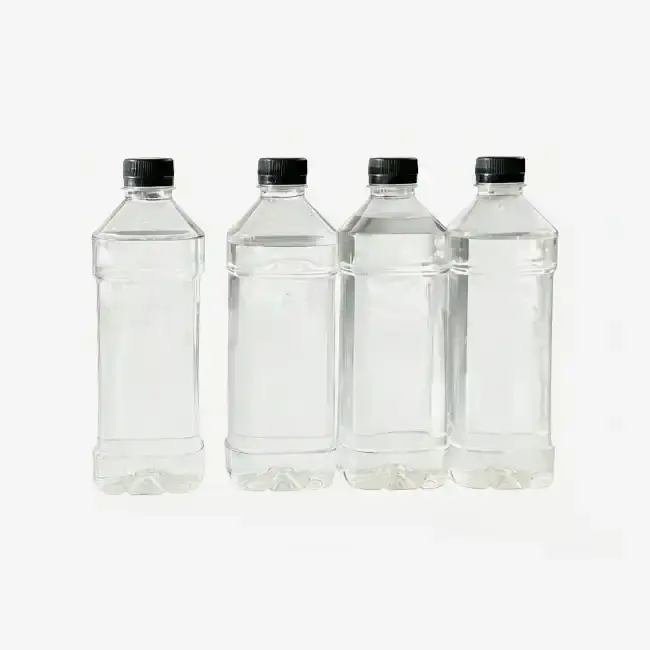
Understanding Liquid Potassium Acetate and Its Role in Winter Safety
What Makes This Liquid Deicer Effective
The way potassium acetate (CH3COOK) works is different from other deicing materials because it uses a special mechanism. When this clear, colorless liquid is put on frozen surfaces, it starts to lower the freezing point of water right away. In solid deicers, it takes time for them to dissolve before they can be used. With liquid deicers, there is no wait at all. The chemical formula makes a eutectic solution that stays flexible at very high and very low temperatures. This makes sure that the solution keeps working even when things get worse.
The chemical makeup has a concentration of 50–60%, which is just right for effectiveness while also being easy to handle. At temperatures as low as -25°C, this mixture melts more than 85% of the snow in just one hour. The slightly acidic nature and a pH value between 7.5 and 9.2 buffer it so that it works at its best without causing violent rust that harms infrastructure. Because of these qualities, it is especially useful for tasks where downtime could cost a lot of money or put people in danger.
How It Protects Infrastructure and Personnel
In any winter maintenance plan, corrosion prevention remains one of the most important considerations. Traditional deicing materials such as rock salt and calcium chloride can accelerate the deterioration of concrete, steel reinforcement, and metal components. Using snow melting liquid potassium acetate helps reduce these risks because it maintains carbon steel corrosion rates at or below 0.03g/m²·h, protecting valuable infrastructure investments. As a non-chloride deicing solution, snow melting liquid potassium acetate (CAS NO.: 127-08-2)provides reliable protection for bridge decks, parking structures, and airport facilities by helping preserve their structural integrity over extended periods. The use of snow melting liquid potassium acetate allows maintenance teams to achieve effective winter ice control while minimizing long-term damage caused by corrosive materials.
In addition to protecting materials, this deicer makes people safer by working reliably. Maintenance crews use the product with confidence because they know it will work right away and doesn't need to be applied more than once. Not having any leftover particles means cleaner working conditions and fewer risks of foreign object debris. Commercial sites have less responsibility for slip-and-fall accidents, and industrial facilities can keep running even when bad weather hits.
Comparing Liquid Potassium Acetate with Alternative Ice Melting Solutions
Performance Advantages Over Traditional Deicers
Because it is cheap, sodium chloride is still the most frequent chemical used in the winter. But it can only work at temperatures up to -9°C, which leaves operations open to attack during very cold spells. Calcium chloride makes this range bigger, but it also speeds up rusting a lot and hurts plants near treated areas. Because of these restrictions, fixing infrastructure and cleaning up the environment has hidden costs that are much higher than the original savings.
In many ways, liquid potassium acetate works better than these other options. It reliably works at temperatures 26 degrees lower than rock salt, so it can keep working even when there is a polar vortex. The biodegradability rate is higher than 95%, which means that even with regular use, it has almost no effect on the environment. The fact that it meets AMS 1435 flight standards is very important to airport owners because those standards say that materials that corrode airplane parts or make debris that could damage jet engines are not allowed.
Environmental and Economic Considerations
To properly evaluate deicing solutions, you need to look at their total cost of ownership, not just their purchase price. At first glance, chloride-based products may seem like a good deal, but they have high hidden costs. Spalling in concrete needs expensive repairs, rust in steel shortens the life of structures, and damage to plants means that the scenery needs to be replaced. When chloride overflow amounts are too high, it costs money for municipal water systems to treat the water.
A different value expression can be used for potassium acetate liquid. The product protects infrastructure, which lowers the cost of maintenance over the life of an asset. Its formula doesn't pose much of a threat to gardening or water systems, so there are no environmental liability issues. Highway departments and business property managers say that avoiding damage instead of fixing it over and over again saves them a lot of money. The solution works perfectly with automated spray systems, which cuts down on labor costs and improves the consistency of coverage.
Industrial Applications and Procurement Insights for Liquid Potassium Acetate
Critical Applications Across Infrastructure Sectors
Deicing goods are most often used in airport operations, which are very demanding. The surfaces of the runway and taxiways need to be treated quickly without putting aircraft safety at risk. Due to its metal-safe makeup and zero FOD production, snow melting liquid potassium acetate satisfies these strict standards. It is used by ground crews both to stop precipitation before it happens and to deal with snowfall when it starts, so flights can keep going during winter storms.
Bridge infrastructure has its own problems because structures above the ground freeze more quickly than roads below. Liquid deicers that can still be pumped at temperatures below zero are used by Automated Fixed Spray Technology (FAST) systems that are installed on important overpasses. The potassium acetate solution runs easily through the valve arrays, covering the bridge decks evenly without having to work hard and safely. Contractors who work on highways say that ice avoidance got better when they switched from solid to liquid coating methods.
Different safety standards must be met by commercial and institutional sites. Even short closures for ice buildup are too dangerous for hospital emergency entrances. University grounds maintain historic buildings and mature landscaping while also making sure that pedestrians are safe. Accessibility for workers is maintained at corporate facilities, and important parking structure investments are protected. In every case, a deicer that works right away, keeps things safe, and doesn't hurt the environment is helpful.
Procurement Standards and Supplier Selection
In addition to price, there are other quality factors that need to be taken into account when choosing the right providers. Manufacturing certifications, such as ISO 9001 for quality management, ISO 14001 for environmental systems, and ISO 45001 for health and safety at work, show that production standards are always met. These systems make sure that uniformity from batch to batch is maintained, which is necessary for stable performance during seasonal procurement cycles.
Product specs should be carefully looked over when evaluating suppliers. The purity of the content affects how well it melts, so formulas should keep CH3COOK amounts between 50 and 60% with few impurities. To keep the non-corrosive properties, the chloride level should stay below 0.01%. Concentrations of heavy metals, especially lead and arsenic, must meet strict guidelines for environmental release. When suppliers give thorough certificates of analysis, they show that they are honest, which helps with regulatory compliance.
Logistics skills have a big impact on the success of operations. Options for bulk packaging, such as 1000L IBC tanks and flexitanks, reduce the cost of shipping and increase the efficiency of storage. When the weather is uncertain, lead times are important, and providers who keep stock on hand can help with emergency purchases. Partnerships with foreign shipping companies that have been in place for a while make sure that deliveries happen on time in all areas. These factors in the supply chain set good vendors apart from real strategic partners.
Optimizing Winter Safety: Best Practices When Using Liquid Potassium Acetate
Application Techniques for Maximum Effectiveness
The right timing for using a deicer has a huge effect on how well it works. Anti-icing strategies involve putting down a product before it starts to rain or snow, which forms a barrier that stops ice from sticking together. When compared to reactive deicing of existing ice layers, this proactive method needs lower application rates and produces better results. This way of prevention works best when weather tracking systems are combined with automatic spray equipment.
The application should be based on the surface and environmental factors. Because porous concrete soaks up more product than hardened asphalt, the rate needs to be changed. Temperature affects the best dose—higher amounts are needed in colder situations to get the same freezing point. To get the coverage rates you want, spray bars, broadcast spreaders, and handheld applicators all need to be calibrated so that the application is always the same. Operations teams can get help from manufacturers that are specifically made for their tools.
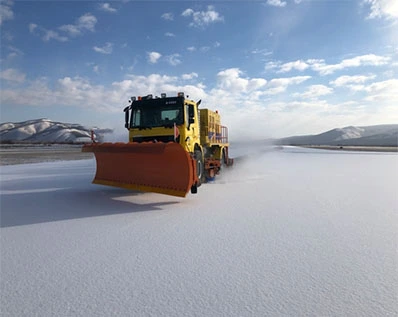
Safety Protocols and Environmental Stewardship
To keep workers safe during application operations involving snow melting liquid potassium acetate, proper protective equipment and handling procedures are essential. Although snow melting liquid potassium acetate has a relatively low hazard profile, personnel working with this deicing solution should wear protective glasses and chemical-resistant gloves to minimize direct contact risks. Storage areas for snow melting liquid potassium acetate should have adequate ventilation and be separated from incompatible materials to maintain safe handling conditions. Transportation requirements classify products according to their chemical characteristics, and compliance documentation for snow melting liquid potassium acetate should accompany shipments that cross state or regional boundaries. By following appropriate safety procedures, companies can ensure that snow melting liquid potassium acetate is stored, transported, and applied effectively while supporting reliable winter maintenance operations.
Environmental duty goes beyond choosing products and includes how they are used. Biodegradability lowers the effect on water, but strategic location lowers the amount of runoff that goes into stormwater systems. Even though the recipe is safe for plants, buffer zones around sensitive plants protect decorative plants. Environmental audits can be supported by records of application rates and places, which show that care has been taken. These actions make sure that businesses follow the rules set by regulators and strengthen ties with the community.
Making the Informed Decision: Is Liquid Potassium Acetate the Right Choice?
Evaluating Performance Against Operational Needs
The criteria for making decisions should show the organization's top priorities in a number of areas. The efficiency of melting decides whether activities can go on during bad weather or have to be shut down, which costs a lot of money. Infrastructure compatibility affects the long-term preservation of capital; corrosive products create maintenance obligations that get bigger every year. The environmental image impacts following the rules, getting along with others, and companies' promises to be environmentally friendly. Concerns about worker safety include both the risks of the application and the dependability that keeps emergency situations from happening.
Where you live and other weather factors affect the temperature performance standards. Facilities in mild winter climates may be able to use deicers that don't work well in very cold temperatures. For operations in very cold places, solutions that have been shown to work below -30°C are needed. This estimate is based on historical weather data, but climate trends show that unusual events are happening more often. To make sure that operations can keep going, procurement choices should be based on worst-case situations instead of average conditions.
Supplier Partnership and Technical Support
In addition to product specs, a supplier's skills have a big effect on long-term customer happiness. Being able to get technical support helps operations teams make sure that application protocols work best for each site. Answering questions fast through responsive conversation saves time and money by avoiding costly trial-and-error methods. Customization choices meet specific needs, such as formulas that work better in harsh climates, packaging that fits certain handling tools, or joint development for new uses.
Since 1988, Shanxi Zhaoyi Chemical Co., Ltd. has been making acetate-based chemical solutions. They have gained specialized knowledge that helps them make new products and help customers. With an annual production capacity of 150,000 tons, the company can keep up with demand even during the busiest winter months. Comprehensive certifications, such as KOSHER and HALAL, show that the quality of the product meets a wide range of regulatory standards in markets around the world. This mix of knowledge, capacity, and quality management meets the tough needs of operations that maintain infrastructure.
Conclusion
When it comes to winter safety, reliable solutions are needed to handle harsh conditions while protecting long-term infrastructure investments. snow melting liquid potassium acetate meets these requirements because it provides immediate application, strong performance in extremely cold temperatures, and excellent corrosion resistance. The environmental advantages of snow melting liquid potassium acetate support regulatory compliance and sustainability goals, which are becoming increasingly important factors in procurement decisions. Operations teams need a dependable deicing solution that performs effectively when required without creating additional maintenance issues. Whether managing airport runways, highway bridges, or commercial facilities, snow melting liquid potassium acetate offers consistent performance and operational reliability. The transition from traditional chloride-based products to advanced acetate solutions such as snow melting liquid potassium acetate(CAS NO.: 127-08-2) represents more than a chemical change; it demonstrates a long-term commitment to environmental responsibility, infrastructure protection, and efficient winter management.
FAQ
What temperature range does liquid potassium acetate work in?
Standard forms of liquid potassium acetate can work at temperatures as low as -35°C, while eutectic forms can work at temperatures as low as -60°C. This is a lot better than regular rock salt, which stops working around -9°C. The solution keeps the flow characteristics the same at temperatures below zero, so automated systems can still pump even when it's very cold.
How does this compare to calcium chloride for corrosion?
Potassium acetate has corrosion rates on carbon steel that are at or below 0.03g/m²·h, which is a lot lower than the strong attack that calcium chloride has on metal and concrete. Bridge infrastructure and parking structures last longer because they don't break down as quickly. This makes up for higher initial product costs by lowering maintenance costs.
Is liquid potassium acetate safe for landscaping?
Over 95% of the formula breaks down naturally, and when used at the recommended rates, it has little effect on plants. Potassium acetate breaks down naturally, leaving no soil contamination behind, unlike chloride-based deicers that do a lot of damage to plants through salt buildup. This means it can be used near places with important landscaping or that are good for the environment.
Partner with Zhaoyi Chemical for Reliable Snow Melting Solutions
Zhaoyi Chemical can help you with your winter maintenance problems because they have been making acetate for more than 30 years. As a snow melting liquid potassium acetate seller, we can offer adjustable bulk packaging, quick technical support, and quality that is backed by ISO certifications. The enterprise-grade formula keeps the concentration between 50 and 60% while lowering the freezing point to -35°C, which guarantees the performance stability your processes need. We know what rules for protecting infrastructure and the environment are needed for winter programs to work. Get in touch with our team at sxzy@sxzhaoyi.com to talk about your unique needs and find out how our liquid deicer solutions can improve safety and protect your assets.
References
1. Transportation Research Board. Chemical and Physical Mechanisms of Deicing and Anti-icing. National Academy of Sciences, 2007.
2. American Society for Testing and Materials. Standard Practice for Evaluating the Corrosion Resistance of Aircraft Deicing Fluids. ASTM International, 2019.
3. Federal Aviation Administration. Advisory Circular: Aircraft Ground Deicing and Anti-icing Operations. U.S. Department of Transportation, 2018.
4. Environmental Protection Agency. Best Management Practices for Winter Maintenance Operations. EPA Office of Water, 2016.
5. Pacific Northwest Snowfighters Association. Anti-icing and Pre-wetting Handbook for Winter Maintenance. Oregon Department of Transportation, 2015.
6. International Bridge, Tunnel and Turnpike Association. Environmental Stewardship Practices for Highway Operations. IBTTA Sustainability Committee, 2020.

USER EVALUATE
Here is the customer's evaluation of us