



Potassium Acetate Deicer Reduces Ice Bonding on Airport Runways
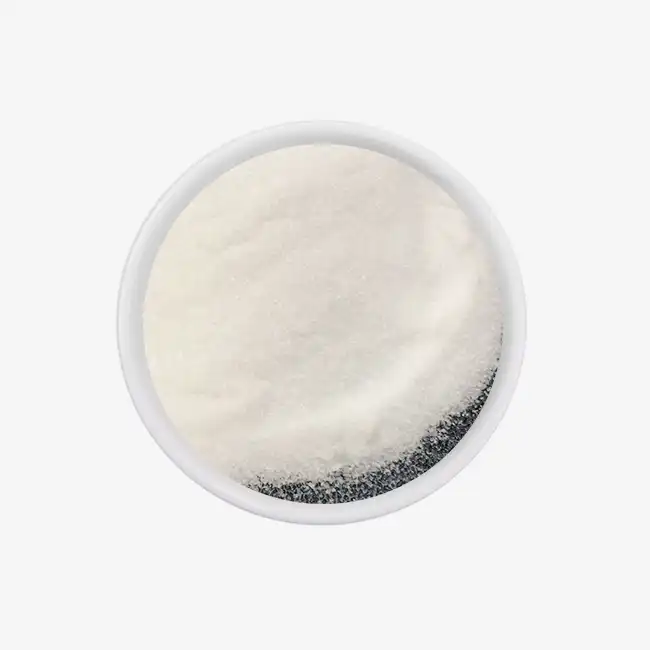
Winter runway operations present significant challenges that can jeopardize airport safety and disrupt flight schedules. Airport Runway Solid Potassium Acetate (CAS NO.: 127-08-2)has emerged as a breakthrough solution, effectively reducing ice bonding on critical aviation surfaces while meeting stringent environmental standards. This white crystalline compound (CH₃COOK, CAS NO. 127-08-2) operates at temperatures as low as -60°C, far exceeding traditional deicing agents. Unlike chloride-based products that corrode aircraft components and damage pavement infrastructure, this acetate-based formulation protects aluminum, magnesium, and cadmium parts while biodegrading naturally without releasing harmful ammonia emissions.
Understanding Potassium Acetate and Its Role in Airport Runway Deicing
The chemistry behind Airport Runway Solid Potassium Acetate deicing shows why aviation authorities are using this compound more and more to treat runways. When the acetate pellets are put on frozen surfaces, they break down quickly into a hygroscopic brine solution that can break through the ice layers through an exothermic reaction. This process makes heat and lowers the freezing point of water at the same time. This breaks the molecular bonds that hold ice to pavement surfaces.
Chemical Mechanism of Ice Bond Disruption
Airport Runway Solid Potassium Acetate works by getting in the way of hydrogen bonds in the structures of ice crystals. The acetate ions (CH₃COO⁻) move between water molecules and stop solid ice from melting again. This makes a layer of liquid at the interface. This effect makes it possible for mechanical removal equipment to clear runways with a lot less damage to the surfaces below. A molecular weight of 98.14 g/mol gives the best dissolution properties, combining fast action with controlled spreading patterns.
Solid vs. Liquid Formulation Advantages
When it comes to operations, Airport Runway Solid Potassium Acetate is better than liquid options. When kept in moisture-proof packaging, the solid form stays stable for a longer time on the shelf, so you don't have to worry about it freezing in storage tanks during very cold spells. A bulk density of 0.8 to 0.9 g/cm³ keeps the granules in place even when there is a jet blast, so the product doesn't get wasted because the wind blows them around. This trait is especially useful when it's snowing heavily, because high wind speeds can damage lighter materials.
Environmental Safety Profile
Many choices about what to buy at an airport today are based on environmental factors. Airport Runway Solid Potassium Acetate is not very dangerous to aquatic life and breaks down naturally in soil and water systems thanks to microbes. Biological oxygen demand (BOD) levels have been tested and found to be doable. This means that the watershed pollution problems that come with urea-based goods will not happen. Between 9.0 and 10.5 on the pH scale, the solution stays within the safe range for concrete and asphalt, so the pavement stays strong over many winters.
Comparing Potassium Acetate to Other Runway Deicing Chemicals
Knowing how different deicing agents work differently lets you make smart purchases that balance how well they work with how much they cost over their whole life. All three options have their own pros and cons that affect how the Airport Runway Solid Potassium Acetate works.
Performance Comparison with Traditional Deicers
Calcium chloride has been used for a long time as a cheap way to melt ice, but it loses all of its usefulness below -25°C and damages aircraft landing gear and hydraulic systems badly. Airport Runway Solid Potassium Acetate and sodium acetate are both good for the environment, but sodium acetate melts less easily at very low temperatures. Products made from ethylene glycol are great at melting ice, but they are bad for the environment because they stay in underground systems and are harmful to animals.
Unsurprisingly, urea is the most important difference. Urea has been used for a long time because it is cheap, but it stops working below -7°C and gives off ammonia when it breaks down. This nitrogen compound adds to eutrophication in the water it enters, and many airports don't follow the current EPA release guidelines. Researchers have confirmed that Airport Runway Solid Potassium Acetate keeps melting ice at -60°C, so it works reliably all winter long in northern climates.
Cost-Effectiveness Analysis
To figure out what the real operational costs are, you have to look at more than just the initial price of the materials. Corrosion damage from chloride-based products costs a lot to fix for people who run airplanes and people who manage infrastructure. When salt is applied over and over to runway concrete, it cracks and the reinforcements break down, which requires expensive repairs. Because Airport Runway Solid Potassium Acetate doesn't corrode, it makes roads last longer and cuts down on flight claims of damage to planes.
Total prices are also affected by how well an application works. Quality Airport Runway Solid Potassium Acetate has an optimized particle size distribution that lets measured equipment spread it precisely, reducing product loss. When compared to large amounts of less effective alternatives, lower application rates get the same or better results. When procurement workers look at the cost per operating hour of runway availability instead of the cost per ton of chemical, acetate-based solutions often show that they are a better deal.
Operational Logistics Considerations
Airport Runway Solid Potassium Acetate is easier to store, which makes planning logistics easier. Crystalline granules can be stored in normal dry warehouses, while liquid versions need warm storage tanks and special pumping equipment. The product can be shipped in either 25 kg woven bags or 1000 kg ton-bags, which are both efficient and easy to use. Because of this, airports can keep strategic stocks without having to spend a lot of money on expensive temperature-controlled equipment.
Practical Guide: How to Apply Solid Potassium Acetate on Airport Runways
For deicing processes to go well, the right methods must be used to make the Airport Runway Solid Potassium Acetate work best while still keeping flights safe. Protocols that have been set up help airport maintenance teams treat problems in a planned way.
Surface Preparation and Timing
When Airport Runway Solid Potassium Acetate crystals are applied before the ice bonds strongly, the best results are achieved. As part of pre-treatment strategies, measured amounts are spread out on dry pavement before it starts to rain. This forms a chemical barrier that keeps ice from sticking. This preventative method cuts down on the total amount of product used and the amount of work needed for mechanical clearing. Surface temperatures and weather predictions help decide when to apply, with treatments planned to happen when temperatures start to drop.
Application Rate Guidelines
Dosing suggestions change depending on the temperature of the ground, the thickness of the ice, and the response time that is wanted. For preventative anti-icing treatments, the usual amount that is used is between 40 and 100 grams per square meter. For thick layers of ice that are more than 6 mm thick, active deicing may need rates of up to 150 grams per square meter. Calibrated spreading equipment makes sure that the material is spread out evenly, so there aren't any bare spots that make it hard to walk on or too much material that makes the ground slippery.
Equipment and Spreading Techniques
Computerized spreading trucks with GPS-guided distribution settings are examples of modern application equipment. These systems keep spread widths constant and change discharge rates automatically based on vehicle speed. This makes sure that all runway widths are covered evenly. Airport Runway Solid Potassium Acetate works well with spinner disk spreaders because they give controlled throw patterns that reach the edges of the ground without too much scatter. Regular testing makes sure that the real discharge rates match the settings on the controller, which keeps people responsible for how much product they use.
Performance Monitoring Metrics
Tracking how well a tool works lets deicing processes keep getting better. Equipment for testing friction measures the coefficient of friction values across treated surfaces to make sure they have enough grip for aircraft operations. Visual inspection methods keep track of how the ice melts at regular intervals, making sure that reaction times meet operational needs. Temperature monitoring stations keep track of the conditions of the pavement and find links between environmental factors and the results of treatment. This builds institutional knowledge that makes future applications better.
Procurement Insights: Sourcing Solid Potassium Acetate for Airport Runways
Choosing trusted providers is an important part of buying Airport Runway Solid Potassium Acetate that affects the continuity of operations during the winter. Airports are protected from quality problems and supply disruptions by thorough supplier evaluation.

Supplier Qualification Criteria
Reputable makers show that their products meet SAE AMS 1431 standards, which are the industry standard for products used to melt snow and ice on runways. This approval checks that the chemicals meet strict standards for purity, such as having a minimum of 99.0% CH₃COOK and no other contaminants. Having less than 0.2% chlorine in water keeps it from corroding, and having less than 0.05% iron in water keeps it from staining. Third-party lab testing is an independent way to make sure that standards are met, which gives procurement teams faith in the consistency of the product.
When making chemicals, manufacturing experience is very important. Producers who have been making acetate for decades and have a lot of experience know how to keep the process consistent from batch to batch. When figuring out if a seller can handle large sales during the busiest times of the year, like the winter, production capacity comes into play. Being able to produce more than 150,000 tons per year shows that the company is big enough to handle big airport contracts without worrying about allocation.
Quality Assurance and Certifications
ISO 9001 certification shows that you have a system for managing quality, and ISO 14001 certification shows that you care about managing the environment. The ISO 45001 certification covers health and safety at work, showing that the supplier is committed to meeting standards at work that are linked to total business excellence. While KOSHER and HALAL certifications are mostly useful for food-grade uses, they also show that strict production controls are in place for Airport Runway Solid Potassium Acetate materials.
Particle size distribution analysis, corrosion sandwich testing according to aviation standards, dissolution rate verification, and heavy metal screening should all be part of the testing protocols. Suppliers who give thorough reports of analysis for every production lot make it possible to keep track of quality and keep records for regulatory purposes. Supply interruptions during key winter times can be avoided with emergency reaction skills that include backup sources of raw materials and different logistics plans.
Logistics and Inventory Planning
Strategic inventory management weighs the costs of keeping items on hand against the safety of supplies. Standard orders usually have lead times of five to seven working days from well-known manufacturers who have enough stock on hand. When you buy in bulk during the off-season, you can often get better deals on prices and make sure you have enough before winter demand rises. Concerns about transportation include the right way to handle packages so that they don't get damaged or contaminated with moisture during shipping.
When you buy something from another country, things get more complicated because of customs clearing, paperwork requirements, and longer delivery times. These logistics problems can be solved by working with suppliers who are skilled in sending Airport Runway Solid Potassium Acetate (CAS NO.: 127-08-2)around the world. Strategies for optimizing containers lower the cost of shipping each unit, which makes bulk imports more appealing for big airports or regional purchasing cooperatives that serve many facilities.
Why Leading Airports Prefer Potassium Acetate: Market Adoption and Future Outlook
Acetate-based deicers are becoming more and more popular as better ways to keep airplanes running in modern times. Environmental laws, worries about protecting infrastructure, and safety rules for operations all work together to encourage the use of Airport Runway Solid Potassium Acetate.
In the 1990s, strict environmental protection rules that controlled surface water flow pushed airports in Scandinavian countries to be the first to use acetate on a large scale. As rules changed, North American airports followed suit, with big hubs moving away from goods made with urea. At international airports in cold climates, Airport Runway Solid Potassium Acetate-based deicers have the largest market share based on current market penetration.
Regulatory Compliance Advantages
As environmental laws get stricter, following them is no longer just the law; it's also a competitive advantage. The EPA's continued scrutiny of airport stormwater flow increases the need for biodegradable deicing goods that are not too harmful to marine life. Airport Runway Solid Potassium Acetate meets these needs while keeping operations running smoothly. This puts compliant airports in a good situation during permit extensions and environmental checks.
Innovation in Application Technology
Precision application methods made possible by new technologies make Airport Runway Solid Potassium Acetate work better. Infrared pavement sensors give real-time temperature information that sets off automated treatment systems that make the best use of the products that are used. Integration of weather forecasting lets predictive applications be used at the best time for them. These technological improvements lower the total amount of product used while improving working results. This makes the case for acetate-based programs more economically sound.
Conclusion
In modern runway deicing programs, Airport Runway Solid Potassium Acetate (CAS NO.: 127-08-2)brings together operational efficiency, environmental responsibility, and protection of infrastructure. It works well at low temperatures (down to -60°C), doesn't corrode, and breaks down naturally, meeting the important needs of airport operators, purchasing managers, and environmental compliance officers. Because the chemical has been used successfully in international airports before, it is easy to handle and doesn't affect existing equipment. This makes it the perfect choice for airports that want to keep operations safe during the winter while also meeting new regulations.
FAQ
Does potassium acetate damage runway pavement or lighting systems?
When used at the recommended rates, products that meet SAE AMS 1431 standards won't hurt concrete, asphalt, or runway lighting systems. Unlike chloride salts, which cause pavement materials to flake and electrical parts to corrode, the pH range of 9.0 to 10.5 of Airport Runway Solid Potassium Acetate is still compatible with normal paving materials.
How does shelf life compare to other deicing products?
Airport Runway Solid Potassium Acetate stays useful for about two years if it is kept in the right way, in sealed, moisture-proof containers in dry stores. Because it is hygroscopic, it needs to be kept away from moisture, but if it is stored properly, it won't break down like liquids do when they freeze.
Can potassium acetate be mixed with other deicing chemicals?
In fact, Airport Runway Solid Potassium Acetate works well with both liquid acetate formulas and fluids based on propylene glycol. Adding liquid deicers to solid granules before they melt often speeds up the melting process and makes the treatment work better during active precipitation events.
Partner with a Trusted Airport Runway Solid Potassium Acetate Manufacturer
Zhaoyi Chemical has been making specialized Airport Runway Solid Potassium Acetate for more than 30 years and can use that experience to help deice airplanes. Our factory can reliably make 150,000 tons of goods every year, which means that we can meet the needs of large buying contracts. We have deicer that is pure 99.0% of the time and follows strict controls for contaminants, as required by SAE AMS 1431. Our ISO 9001, ISO 14001, and ISO 45001 certifications show that we care about quality, the environment, and the safety of our operations. Email our procurement team at sxzy@sxzhaoyi.com to talk about your winter operations needs and get full technical details that are made to fit the way your airport works.
References
1. Transportation Research Board. "Airport Winter Safety and Operations." National Academy of Sciences, Washington, D.C., 2019.
2. Federal Aviation Administration. "Advisory Circular: Airport Winter Safety and Operations." U.S. Department of Transportation, 2021.
3. SAE International. "AMS 1431: Compound, Solid Runway and Taxiway Deicing/Anti-icing." SAE Aerospace Material Specification, 2017.
4. Environmental Protection Agency. "Effluent Limitations Guidelines and Standards for the Airport Deicing Category." Federal Register Vol. 77, 2012.
5. International Civil Aviation Organization. "Airport Services Manual - Part 2: Pavement Surface Conditions." ICAO Document 9137, 2020.
6. Nordic Road Association. "Environmental Guidelines for Use of Deicing Chemicals on Airports and Roads." NVF Committee Report, Stockholm, 2018.

USER EVALUATE
Here is the customer's evaluation of us