



Solid Potassium Acetate Enables Reliable Winter Road Maintenance Plans
Winter brings operational challenges that test infrastructure resilience and safety protocols across municipalities, airports, and industrial facilities. Snow Melting Solid Potassium Acetate (CAS NO.: 127-08-2)has emerged as a transformative solution for winter road maintenance, delivering effective deicing performance while addressing environmental concerns and infrastructure preservation. This acetate-based deicing agent represents a strategic shift from traditional chloride salts, offering municipal authorities and highway maintenance contractors a reliable pathway to maintain safe road conditions without compromising long-term asset integrity. The crystalline compound works by lowering water's freezing point through ionic interactions, preventing ice bond formation on pavement surfaces. Unlike conventional rock salt that degrades concrete and corrodes metal components, potassium acetate formulations protect critical infrastructure while maintaining operational effectiveness in extreme temperature conditions down to -35°C.
Understanding Solid Potassium Acetate for Winter Deicing
Chemical Composition and Physical Properties
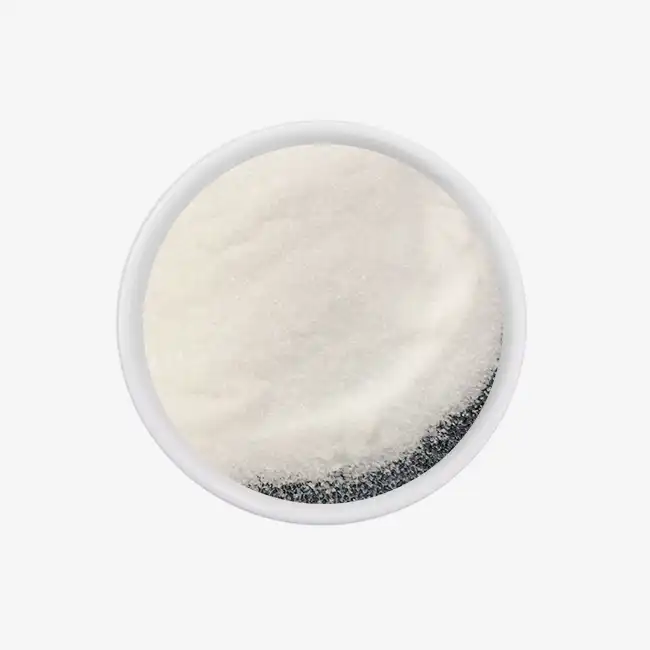
Potassium acetate (CH₃COOK, CAS 127-08-2) is made up of acetate anions bonded to potassium cations. It forms white crystalline granules with a molecular weight of 98.14 g/mol. The chemical dissolves very easily in water, acid, and alcohol, and it dissolves quickly when it comes in touch with frozen precipitation. Because it is hygroscopic, the substance can pull water from the air and ice around it, which speeds up the melting process through exothermic reactions. High-purity formulations have concentrations higher than 99.0%, which means they work the same way in all kinds of weather and situations.
Mechanism of Ice Prevention and Removal
Potassium acetate granules start to melt ice or snow when they come into contact with them. When something dissolves, a brine solution is made that has a much lower freezing point than pure water. This breaks the chemical bonds that hold ice crystals together. Ions that are dissolved in water make it harder for water molecules to order themselves in solid lattices, which lowers their colligative quality. The acetate part is helpful because it has a slightly alkaline (pH 9–11 in solution) pH that helps prevent acidic precipitation while keeping the efficiency. Temperature limits make it possible to do things that aren't possible with salt alone; in the lab, theoretical eutectic points can hit -60°C.
Environmental and Safety Advantages
Acetate-based deicing agents are better for the earth than chloride-based options. The renewable acetate ion breaks down naturally through the metabolism of soil bacteria, turning into carbon dioxide and water without building up in the environment over time. This biological route lowers the risk of polluting groundwater and reduces the amount of toxic runoff that enters aquatic environments. Animals, both wild and domestic, have fewer health problems with this compound because it is not as toxic as calcium or magnesium chlorides. Plants can handle more stress, which protects landscaping investments along treated roads and around facilities.
Comparing Acetate-Based Solutions with Traditional Deicing Methods
Performance Across Temperature Ranges
Around -7°C, traditional rock salt (sodium chloride) begins to lose its effectiveness, creating challenges for maintenance teams during severe cold periods. Although calcium chloride can extend the operating temperature range to approximately -25°C, it may also contribute to significant corrosion problems that damage infrastructure over time. In comparison, Snow Melting Solid Potassium Acetate maintains effective ice-melting performance at temperatures down to approximately -30°C in practical applications, providing reliable protection during extreme winter weather conditions when safety is the highest priority. The low-temperature performance of Snow Melting Solid Potassium Acetate helps reduce the frequency of repeated applications and extends the coverage period between treatments. By using Snow Melting Solid Potassium Acetate, transportation agencies, airports, and infrastructure operators can improve winter safety while reducing maintenance demands and protecting valuable assets. The consistent performance of Snow Melting Solid Potassium Acetate makes it a reliable choice for cold-weather deicing programs that require efficiency, durability, and long-term operational stability. With its advanced melting capability and reduced corrosion impact, Snow Melting Solid Potassium Acetate provides an effective alternative to conventional chloride-based deicing materials.
Infrastructure Impact Assessment
The long-term costs for cities and facility operators are very high when concrete breaks down. Chloride salts get into the layers of concrete, where they reach the rebar that is buried and start the electrolytic corrosion process. Freeze-thaw cycles speed up damage because growing ice crystals put pressure on concrete buildings that are already weak. Potassium acetate stops these ways of breaking down structures, so bridges, parking decks, and historic masonry installations can keep their strength. Aluminum alloys, carbon brake systems, and composite materials used in current airplanes have very low corrosion rates, according to tests that were done using AMS 1435 aerospace material standards.
Economic Lifecycle Considerations
When buying acetate deicing products for the first time, they usually cost more than rock salt. However, a full lifecycle analysis shows that they save a lot of money over time because they don't need to be fixed as often. The cost of replacing a bridge deck can reach millions of dollars per span, and fixing up a parking structure takes a long time and costs a lot of money. Keeping cars and spreading equipment out of chloride-containing surroundings makes them last longer. All of these things show that companies that put total cost of ownership ahead of current budget constraints will get a good return on their investment.
Best Practices for Application and Storage Management
Optimal Application Timing and Dosage
Strategic applications of pre-treatments before rain or snow events are the most effective way to keep pavement surfaces from forming ice bonds. Anti-icing tactics usually need less material than reactive deicing methods after the ice has built up. When figuring out the dose, surface area, expected snowfall strength, and predicted air temperature are all taken into account. Standard application rates rely on the conditions and run from 30 to 100 grams per square meter. Mechanical spreaders make sure that the material is spread out evenly. Calibration verification keeps materials from going to waste while still providing enough coverage to meet safety goals.
Monitoring temperatures helps make decisions about applications in real time. As conditions get close to operational limits, higher doses are used to make up for the chemicals' decreased action. Pre-positioning plans are based on predictions of how bad the storm will be, which makes sure that crews have enough supplies on hand at all times. Weather service partnerships help people make better decisions by letting maintenance teams use radar forecasts and temperature trend analysis to figure out the best way to place materials.
Storage Protocols and Handling Procedures
Potassium acetate is hygroscopic, which means it needs to be kept dry during storage. To keep products from breaking down too quickly, facilities must make sure that warehouses are dry, well-ventilated, and have controlled humidity levels. The material comes in 25 kg knitted plastic bags or 1000 kg ton-bags that are made to keep wetness out. Care must be taken when transporting and storing these packages so that they don't get punctures or tears that compromise the integrity of the products inside.
Keeping Snow Melting Solid Potassium Acetate(CAS No.: 127-08-2) separated from incompatible substances helps prevent contamination that could reduce product effectiveness or create potential safety concerns. Storage areas for Snow Melting Solid Potassium Acetate should be maintained away from heat sources, direct sunlight, and conditions that may affect product quality over time. Proper inventory management practices for Snow Melting Solid Potassium Acetate ensure that older materials are used first, reducing unnecessary storage periods and maintaining product freshness. Regular quality inspections of Snow Melting Solid Potassium Acetate help confirm that the material remains free-flowing and does not develop clumping or caking issues that could interfere with spreader performance. By following proper storage, handling, and inventory rotation procedures, users can maintain the consistent quality of Snow Melting Solid Potassium Acetate and ensure reliable application during winter maintenance operations. Effective management of Snow Melting Solid Potassium Acetate supports better operational efficiency, safer handling practices, and long-term deicing performance.
Procurement Strategies for Winter Maintenance Programs
Supplier Evaluation and Selection Criteria
When looking for trusted sources of potassium acetate, businesses should focus on manufacturers who have shown they can produce the chemical and have quality control certifications. Standards like ISO 9001 for quality systems, ISO 14001 for environmental management, and ISO 45001 for workplace safety show how mature an operation is and how well it can control its processes. When suppliers get KOSHER and HALAL certifications, it means they follow strict quality control rules that go beyond basic chemical requirements.
Manufacturing knowledge is a great way to figure out how reliable a seller is. Companies that have been making acetate for decades have technical know-how and process refinement that newer companies can't match. Production capacity has a direct effect on the stability of the supply chain, especially during the busy winter months when many areas need to restock at the same time. Annual production volumes of more than 100,000 tons suggest investments in infrastructure that support stable supply and prices that are competitive.
Quality Assurance and Technical Support
Professional-grade deicing products come with a lot of scientific information. For safety training programs and governmental reporting, Material Safety Data Sheets (MSDS), Certificates of Analysis (COA), and other compliance paperwork are very important sources of information. Batch tracking systems help solve quality problems and support efforts to keep getting better. Suppliers offering 24/7 technical consultation demonstrate commitment to customer success beyond simple product transactions.
Before placing large orders, procurement teams can use sample testing tools to make sure that performance claims are true. Application guidance that is tailored to specific climate conditions and types of infrastructure keeps costs low while increasing material effectiveness. Chemical engineers who work for suppliers can change formulas to meet specific needs, like in areas with high temperatures or sensitive environments that need better biodegradability.
Logistics and Delivery Considerations
Partnerships in international shipping play an important role in controlling transportation costs and ensuring reliable delivery of Snow Melting Solid Potassium Acetate. Experienced suppliers of Snow Melting Solid Potassium Acetate maintain strong relationships with freight companies, allowing them to secure competitive shipping rates and stable transportation capacity during peak demand periods. Flexible delivery terms such as FOB, CIF, and DAP provide customers with different options for managing the purchase and transportation of Snow Melting Solid Potassium Acetate according to their operational requirements and financial preferences. Maintaining safety stock of Snow Melting Solid Potassium Acetate allows organizations to respond quickly to urgent replenishment needs without waiting for new production cycles. Reliable logistics planning and supply chain management ensure that Snow Melting Solid Potassium Acetate remains available when needed, supporting continuous winter maintenance operations. By working with capable suppliers and efficient logistics partners, buyers can achieve stable supply, predictable delivery schedules, and dependable access to Snow Melting Solid Potassium Acetate throughout the year.
Expectations for lead times should match up with the planning stages for buying. Standard production runs usually take 5 to 7 working days, so you need to order ahead of time to make sure you have enough inventory. Making changes to specifications or custom packaging may take longer, but they can save time and money in the long run, so it's worth the extra work.

Real-World Applications Demonstrating Proven Results
Airport Operations and Aviation Safety
When deicing the runway, you need materials that protect sensitive airplane systems while keeping the friction levels that are needed for safe takeoffs and landings. Risks of corrosion in hydraulic systems, composite airframes, or electronic parts are too high for commercial aviation to handle. Major foreign airports have switched to deicing systems that use acetate after showing that they protect technology better and are better for the environment. Operational data shows that potassium acetate keeps the friction in the sidewalk longer than other products, which means that it doesn't need to be reapplied as often and doesn't cost as much to do.
Municipal Infrastructure Protection Programs
When preserving historic bridges, it's important to find a balance between safety needs and artistic preservation principles. A number of cities have started large-scale potassium acetate programs that focus on weak infrastructure assets that are more likely to break down quickly when exposed to chloride. After using acetate for several years, engineering tests show that there are measurable decreases in concrete flaking, rebar rust, and signs of structural degradation compared to areas that were treated with regular deicing salts.
Industrial Facility Continuous Access Requirements
Manufacturing plants, hospital buildings, and distribution centers are open 24 hours a day, seven days a week, and can't be closed because of bad weather. When forklifts and other material handling equipment work on outside surfaces, like at a loading dock, safety is especially important. After switching to acetate deicing methods, facilities management teams say that safety ratings have gone up and the number of slip-and-fall accidents has gone down. The formula that doesn't corrode protects loading dock equipment, door tracks, and outside devices that break down quickly when exposed to chloride salts.
Conclusion
Winter road maintenance strategies continue to evolve as organizations recognize the importance of protecting infrastructure and the environment over the long term. Snow Melting Solid Potassium Acetate provides procurement professionals and operations managers with measurable advantages across key performance areas, including reliability, efficiency, and sustainability. The extreme temperature performance, non-corrosive characteristics, and biodegradable composition of Snow Melting Solid Potassium Acetate work together to address critical challenges that traditional deicing methods often cannot overcome. Investing in high-quality Snow Melting Solid Potassium Acetate helps preserve valuable infrastructure while supporting compliance with increasingly strict environmental regulations. As changing climate patterns create more demanding winter conditions, Snow Melting Solid Potassium Acetate has become an important component of comprehensive maintenance programs focused on safety, sustainability, and cost efficiency. By adopting Snow Melting Solid Potassium Acetate, organizations can improve winter operations, reduce long-term maintenance costs, and achieve more responsible infrastructure management. The advanced performance and environmental benefits of Snow Melting Solid Potassium Acetate (CAS NO.: 127-08-2)make it a reliable choice for modern winter maintenance solutions.
FAQ
What temperature range makes potassium acetate superior to rock salt?
At temperatures around -7°C, rock salt stops working, but potassium acetate can still quickly melt ice at temperatures as low as -30°C. This higher temperature range makes sure that the system works reliably during very cold weather, which is when infrastructure safety is at its most important. This means that extra treatments or other emergency measures aren't needed as often.
Does this deicing agent harm pets or landscaping?
There are no known problems with potassium acetate being around plants or animals. The organic acetate ion is broken down naturally by bacteria in the soil into carbon dioxide and water. This keeps chloride salts from building up and becoming harmful. This compatibility with the environment protects landscape investments and lowers concerns about pet paw irritation.
How should facilities store potassium acetate long-term?
Because it absorbs water, storage needs to be done in a dry, well-ventilated warehouse where sealed packages are kept away from sources of heat and moisture. Double-lined bags or containers that don't let air in keep things from dissolving too quickly. The right way to store a product will keep it working well all winter without breaking down or caking, which would make it impossible for a spreader to work.
What makes acetate formulations preferable for concrete preservation?
Through electrical processes, chloride salts can get into concrete and start to corrode rebar. These ways of breaking down are stopped by potassium acetate, which stops concrete from flaking and stops damage to structures. This protection is very helpful for bridges, parking decks, and old buildings that would cost millions of dollars to rebuild.
Partner with Zhaoyi Chemical for Your Winter Maintenance Success
Zhaoyi Chemical can help you with your winter maintenance problems because they have been making acetate for more than 30 years. Our Snow Melting Solid Potassium Acetate is ≥99.0% pure because we use strict quality control methods that are approved by ISO 9001, ISO 14001, and ISO 45001 standards. With the ability to produce 150,000 tons per year and smart logistics relationships, we can guarantee a steady supply that keeps your activities safe during the winter. Our technical team offers free application consultations and formulation services that are specifically designed for your climate. Email our Snow Melting Solid Potassium Acetate provider team at sxzy@sxzhaoyi.com right now to talk about bulk purchasing options and get detailed technical specs that show how committed we are to your business's success.
References
1. Transportation Research Board. (2023). "Sustainable Deicing Practices for Highway Infrastructure Preservation." National Academy of Sciences Engineering Report Series.
2. American Concrete Institute. (2022). "Effects of Acetate-Based Deicers on Concrete Durability and Service Life." ACI Materials Journal Special Publication.
3. Environmental Protection Agency. (2021). "Comparative Environmental Assessment of Winter Road Maintenance Chemicals." EPA Office of Water Quality Standards Report.
4. Airport Cooperative Research Program. (2023). "Aircraft-Compatible Runway Deicing Materials: Performance and Safety Analysis." Federal Aviation Administration Technical Document.
5. International Bridge, Tunnel and Turnpike Association. (2022). "Infrastructure Preservation Through Advanced Winter Maintenance Technologies." Annual Conference Proceedings.
6. Cold Regions Research and Engineering Laboratory. (2021). "Temperature-Dependent Performance Characteristics of Alternative Deicing Compounds." U.S. Army Corps of Engineers Technical Report.

USER EVALUATE
Here is the customer's evaluation of us