



How to Select Solid Potassium Acetate for Winter Maintenance Projects?
When planning winter operations for municipal roadways, airport runways, or sensitive infrastructure, choosing the right deicing solution determines both safety outcomes and long-term asset protection. Selecting quality solid potassium acetate means evaluating purity levels, corrosion characteristics, environmental certifications, and supplier reliability. Premium-grade products like Snow Melting Solid Potassium Acetate (CAS NO.: 127-08-2)offer proven performance down to extreme temperatures while protecting concrete and metal surfaces from the degradation commonly caused by traditional chloride-based salts.
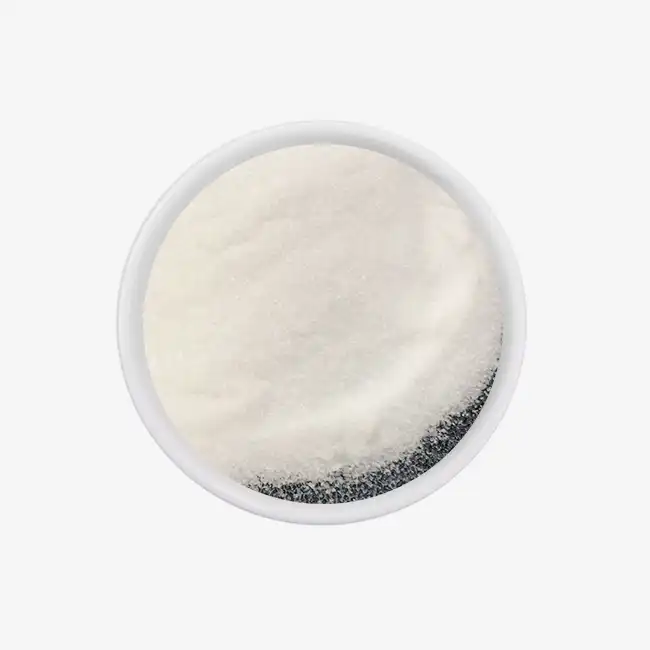
Understanding Solid Potassium Acetate and Its Snow Melting Properties
Solid potassium acetate is a sophisticated chemical solution to problems that come up with winter maintenance. This crystalline substance works by lowering its freezing point, which breaks the molecule bonds that hold ice to ground. It works at a wide range of temperatures.
The Science Behind Ice Melting Performance
Potassium acetate quickly dissolves on frozen surfaces, making a brine solution that keeps ice layers from sticking to infrastructure. The acetate ion stops water molecules from aligning properly during crystallization. This keeps surfaces liquid even when temperatures drop outside. Transportation offices across northern areas have confirmed that it works down to -30°C, which is much lower than rock salt, which stops working around -7°C. This better performance comes from the compound's molecular structure and its ability to stay stable in solution even when it's very cold outside.
Environmental Advantages Over Traditional Agents
Acetate molecules break down naturally through bacterial metabolism, while chloride-based options build up in soil and groundwater. Within weeks of application, soil microorganisms break down acetate ions into carbon dioxide and water, leaving no chemical residue that will last. Because it breaks down naturally, potassium acetate is very useful for projects that need to follow strict rules for environmental impact assessments near watersheds, protected wetlands, or agricultural zones. Municipalities that deal with stormwater like how acetate-based products lower the need for organic oxygen in the water they enter compared to regular deicers.
Comparing Solid Potassium Acetate with Alternative Deicing Agents
When making a purchase choice, it's important to carefully look at how different deicing options perform, how well they work with existing systems, and the total cost of ownership.
Performance Comparison with Sodium Acetate and Calcium Chloride
Similar environmental advantages can be found in sodium acetate, but it generally melts ice more slowly and becomes less effective at temperatures below -15°C. Calcium chloride provides rapid melting performance in colder conditions, but it can accelerate concrete deterioration through chemical reactions with cement paste and osmotic pressure effects. In comparison, Snow Melting Solid Potassium Acetate overcomes these limitations by delivering fast and effective ice melting performance while reducing the risk of infrastructure damage that can lead to costly repairs. The balanced performance of Snow Melting Solid Potassium Acetate is especially valuable for aviation facilities, where material compatibility with electrical systems, aircraft components, and composite materials is essential. By using Snow Melting Solid Potassium Acetate, airports and other critical facilities can achieve reliable winter maintenance while protecting sensitive infrastructure from corrosion and long-term deterioration. The combination of strong melting capability, environmental advantages, and compatibility benefits makes Snow Melting Solid Potassium Acetate a preferred solution for demanding deicing applications. For organizations seeking safe and efficient winter operations, Snow Melting Solid Potassium Acetate provides a practical alternative that balances performance, sustainability, and infrastructure protection.
Corrosion Resistance and Infrastructure Protection
Laboratory tests using SAE AMS 1435 guidelines show that potassium acetate has very low corrosion rates on carbon steel, aluminum alloys, and reinforced concrete. These are important factors for bridges, parking structures, and old infrastructure. Traditional chloride salts get into the cracks of concrete, hitting rebar that is buried in the concrete and starting electrochemical corrosion that breaks down the structure and causes it to spall. Because acetate compounds don't corrode, they extend the life of assets, which lowers upkeep costs over long-term planning horizons of many decades while keeping surface integrity and load-bearing capacity.
Cost Considerations and Long-Term Value
The unit price of potassium acetate is higher than the price of rock salt, but a full cost study shows that the total costs of ownership are competitive. When infrastructure is damaged less often, it needs to be fixed less often, replaced less often, and owners are less likely to be sued when structures fail. When highway maintenance departments switch from chloride to acetate programs, the need to resurface concrete drops by 40 to 60 percent. Organizations that run large-scale winter operations can save even more money by making bulk purchases and keeping the same relationships with suppliers.
Critical Selection Criteria for B2B Procurement of Solid Potassium Acetate
Finding the best product takes a thorough look at many technical and organizational factors that have a direct effect on the success of the project.
Purity Standards and Chemical Specifications
Premium Snow Melting Solid Potassium Acetate (CAS NO.: 127-08-2)should maintain a purity level of at least 98%, with chloride content below 0.03% and minimal insoluble matter to ensure reliable deicing performance. The high purity of Snow Melting Solid Potassium Acetate helps maintain consistent freezing point depression and stable ice-melting efficiency under a wide range of winter conditions. Products with excessive moisture or impurities may experience problems such as clumping during storage, reduced flowability in mechanical spreaders, and uneven application coverage. To ensure that Snow Melting Solid Potassium Acetate meets environmental requirements and workplace safety standards, technical specifications should include detailed assay reports covering molecular composition (CH₃COOK), moisture content, purity levels, and heavy metal concentrations. Reliable quality documentation for Snow Melting Solid Potassium Acetate allows buyers to verify product consistency and performance before large-scale use. By selecting high-quality Snow Melting Solid Potassium Acetate with strict purity controls and complete technical analysis, organizations can achieve dependable winter maintenance results while supporting safe, efficient, and environmentally responsible deicing operations. The consistent quality of Snow Melting Solid Potassium Acetate makes it a preferred choice for applications requiring precise performance and long-term reliability.
Supplier Certifications and Quality Assurance
Reliable manufacturers follow the rules set out in ISO 9001 for quality management, ISO 14001 for the environment, and ISO 45001 for occupational health. These certifications show that a company is dedicated to consistent production processes, worker safety, and taking care of the environment. These are all things that help keep the supply chain running smoothly and reduce product variation. For acetate goods used in nearby uses, companies that work with the food or drug industries need KOSHER or HALAL certifications. Having a lot of paperwork, like Material Safety Data Sheets, Certificates of Analysis, and letters of regulatory compliance, makes the approval process for purchases easier and meets audit requirements.
Supply Chain Reliability and Logistics Support
For winter repair, you need to be able to deliver just-in-time and provide quick customer service during busy times. Suppliers that have been around for a while keep safety stock levels, offer flexible shipping terms like FOB or CIF, and offer dedicated technical consultation for application optimization. Production capacity is very important. Manufacturers whose annual output is more than 100,000 tons can meet large municipal contracts without having to worry about allocation or quality issues during times of high demand. Check lead times, minimum order quantities, and distributor networks to make sure that the products you need are available when you need them and that your storage space isn't an issue.
Best Practices for Using and Storing Solid Potassium Acetate
Paying attention to how to use the product, how to store it, and how to handle it during the winter is important to get the most out of it while still following safety rules.
Application Guidelines for Optimal Performance
To deice effectively, you must first figure out the right time and amount of salt to use. Applying pre-treatments before it rains or snows stops ice from sticking together and uses less product overall than reactive snow removal. Rates of spreading are usually between 50 and 150 grams per square meter, but they depend on the temperature, the thickness of the ice, and the amount of traffic. Regular calibration of mechanical spreaders is needed to make sure even distribution. Manual application works best for smaller areas or emergency entry points. Potassium acetate's hygroscopic property speeds up the formation of brine, but too much of it can make surfaces slippery or add extra weight to the environment that isn't needed.
Storage Requirements and Product Integrity
Because potassium acetate absorbs water, it needs to be stored in a controlled environment so that it doesn't melt or clump too soon. Facilities should keep things dry, well-ventilated, and away from sources of heat and poisons that don't mix. Standard packing in 25 kg woven bags or 1000 kg bulk cases does a good job of keeping moisture out, but once a package is opened, it needs to be resealed or moved to a place where it can't get closed. Using first-in, first-out rules to rotate inventory stops things from breaking down due to age, and storing pallets higher keeps rainwater from coming in contact with them during warehouse floods events. Equipment used for moving things around should be cleaned often to keep chloride products from spreading.
Safety Protocols and Environmental Compliance
Although Snow Melting Solid Potassium Acetate has a relatively low hazard profile, proper handling procedures are essential to protect workers and surrounding environments. Wearing gloves and eye protection during bulk handling of Snow Melting Solid Potassium Acetate helps prevent potential skin irritation and ensures safer workplace operations. When applying Snow Melting Solid Potassium Acetate near vegetation, waterways, or sensitive areas, following recommended dosage guidelines is important to maintain balanced pH conditions and avoid unnecessary nutrient impacts. Local wastewater regulations provide guidance on the proper disposal of used brine solutions or contaminated materials associated with Snow Melting Solid Potassium Acetate, typically allowing approved discharge methods or controlled natural absorption after appropriate dilution. Maintaining detailed records of Snow Melting Solid Potassium Acetate application quantities, locations, and usage conditions supports environmental reporting requirements and demonstrates regulatory compliance during inspections. By following proper handling, storage, application, and documentation practices, organizations can maximize the benefits of Snow Melting Solid Potassium Acetate while maintaining safe operations and responsible environmental management. The careful use of Snow Melting Solid Potassium Acetate ensures effective winter maintenance performance with reduced risks to workers, infrastructure, and ecosystems.
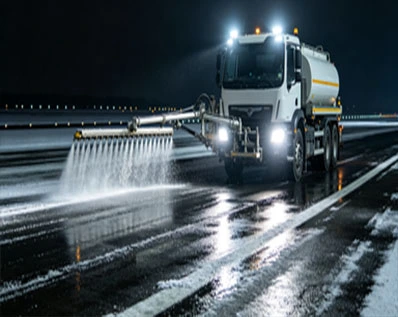
Case Studies and Success Stories from B2B Clients
Strategic product selection leads to measured improvements in a wide range of operational settings, as shown by real-world application.
Airport Runway Management
A big international airport that serves people in northern latitudes switched to solid potassium acetate because aircraft landing gear and electrical parts kept corroding. Over three winter seasons, maintenance records showed that delays caused by corrosion were cut by 70%, and two projects to replace structural concrete on taxiway surfaces were canceled. The facility's environmental compliance team found that there were no biochemical oxygen demand limits that were exceeded in the rainwater flow. This meant that the facility met the requirements of its EPA permit and could still use Category III approaches during bad weather events. Procurement managers stressed how important it was for suppliers to be quick during sudden cold spells so that operations could continue as usual.
Historic Bridge Preservation
Acetate-based deicing was used by the state transportation department to protect the irreplaceable stonework and metalwork on a 19th-century stone arch bridge. Using salt in the traditional way had led to efflorescence and plaster breaking down, which put the building's National Register standing at risk. Once they switched to potassium acetate, the rates of damage stopped going up and the load ratings went up, as shown by yearly engineering checks. The project showed how specialized goods can help infrastructure agencies balance their preservation duties with their public safety duties. By avoiding restoration work, the project saved 35% of the budget for upkeep.
Industrial Complex Winter Access
Potassium acetate was used to deice the loading dock and truck court by a transportation business that ran a 2-million-square-foot distribution center. The ability to not rust kept warehouse shelving systems, trailer undercarriages, and forklift parts from breaking down too quickly. Operations managers said that slip-and-fall accidents had gone down by 50% and that car return times had gotten faster during winter weather events. In its sustainability report, the center said that using acetate was a big step toward meeting its environmental goals, which helped it get LEED approval again and build trust among stakeholders.
Conclusion
When selecting solid potassium acetate for winter maintenance projects, it is essential to balance technical performance requirements with practical operational needs and environmental considerations. Snow Melting Solid Potassium Acetate with high purity and proven corrosion resistance provides better infrastructure protection than traditional deicing alternatives while supporting modern sustainability goals. Choosing reliable suppliers of Snow Melting Solid Potassium Acetate that offer certified manufacturing processes, stable supply chains, comprehensive technical support, and consistent quality control is critical for successful procurement. Although the initial cost of Snow Melting Solid Potassium Acetate may be higher than conventional options, its long-term benefits make it a valuable investment for organizations focused on asset protection and environmental responsibility. The use of Snow Melting Solid Potassium Acetate can reduce maintenance expenses, extend infrastructure service life, and improve winter safety performance. By adopting Snow Melting Solid Potassium Acetate, organizations can achieve a strong balance between operational reliability, cost efficiency, and sustainable winter management practices. The long-term value of Snow Melting Solid Potassium Acetate (CAS NO.: 127-08-2)makes it an effective solution for protecting critical infrastructure while meeting increasingly strict environmental expectations.
FAQ
What is the effective working temperature of potassium acetate compared to rock salt?
Around -7°C, rock salt stops working, but potassium acetate can work down to -30°C, and in ideal conditions, it could work up to -60°C. Because they work over a wider temperature range, acetate solutions are essential in places where winter weather is harsh.
Is potassium acetate safe for pets and vegetation?
Compounds made of acetate are safe and break down naturally. Bacteria in the soil break down acetate ions into carbon dioxide and water. This makes these products much better for gardening and animal contact than chloride salts, which can irritate paws and hurt plants.
Can potassium acetate be stored outside?
Extreme hygroscopicity means that storage needs to be done in dry, enclosed warehouses. Putting the product in the air with wetness makes it melt before it should, which makes it harder to handle and spread. During the winter, products stay fresh if they are stored properly in covered cases.
Partner with Zhaoyi Chemical for Premium Snow Melting Solid Potassium Acetate
Zhaoyi Chemical has been making acetate for more than 30 years and can help winter maintenance workers who need reliable, high-performance deicing options. Our Snow Melting Solid Potassium Acetate is ≥99.0% pure and works at -35°C. It has ISO 9001, ISO 14001, and ISO 45001 standards to back it up. Our annual production capacity is 150,000 tons, and we provide consistent quality, competitive bulk pricing, and quick technical support to North American cities, airports, and infrastructure managers. Contact our procurement specialists at sxzy@sxzhaoyi.com for customized quotes, product samples, and application guidance from experienced Snow Melting Solid Potassium Acetate suppliers committed to your operational success.
References
1. American Society for Testing and Materials. (2019). Standard Specification for Solid and Liquid Formats of Potassium Acetate for Use in Airfield Pavement Deicing. ASTM International.
2. Transportation Research Board. (2020). Comparative Performance of Acetate-Based Deicing Chemicals on Highway Infrastructure. National Academies Press.
3. Environmental Protection Agency. (2018). Environmental Impact Assessment of Alternative Deicing Compounds in Municipal Applications. EPA Technical Report Series.
4. Society of Automotive Engineers. (2021). Aerospace Material Specification: Aircraft Ground Deicing/Anti-Icing Processes and Fluids. SAE International Standards.
5. National Association of Corrosion Engineers. (2017). Corrosion Behavior of Transportation Infrastructure Under Deicing Salt Exposure. NACE International Publications.
6. International Journal of Pavement Engineering. (2022). Long-Term Durability of Concrete Bridge Decks Subjected to Acetate-Based Deicing Agents. Taylor & Francis Group.

USER EVALUATE
Here is the customer's evaluation of us