



Why Are Airports Switching to Potassium Acetate Ice Control?
Airports across the United States are rapidly transitioning to acetate-based deicing solutions, with Airport Runway Solid Potassium Acetate (CAS NO.: 127-08-2)emerging as the industry standard for winter runway maintenance. This shift stems from critical demands for enhanced safety performance, environmental responsibility, and regulatory compliance that traditional chemical agents simply cannot meet. Unlike older alternatives such as urea or chloride-based products, potassium acetate delivers reliable ice-melting capability at extreme temperatures down to -60°C while protecting aircraft components and minimizing ecological impact. Aviation authorities and airport operators recognize that investing in advanced runway deicing compounds directly translates to reduced flight delays, lower infrastructure maintenance costs, and alignment with stringent environmental regulations governing airfield operations.
Understanding the Need for Advanced Ice Control on Airport Runways
The weather in the winter makes things dangerous, which threatens flight safety and causes problems at airports across the country. When planes take off and land, when friction between the tires and the ground is very important for control, ice that builds up on runways, taxiways, and decks is very dangerous.
Safety Hazards Posed by Runway Ice Accumulation
When ice forms, it makes it harder to stop and change directions, which makes runway excursions and aircraft damage more likely. According to reports from the Federal Aviation Administration, about 12% of all landing crashes that happen in the winter are caused by ice on the runway. When compared to dry pavement, even thin layers of ice measuring only a few millimeters can make stopping distances 300% longer. Besides the immediate risks to people's safety, ice buildup forces airport managers to make ground stops and flight diversions, which affects thousands of passengers and packages of goods.
Regulatory Requirements for Runway Condition Reporting
The Runway Condition Assessment Matrix (RCAM) is used by aviation authorities to check and report the condition of the runway surface. It has strict rules for how to do this. During winter weather events, airport workers have to keep checking the levels of friction and contamination all the time. When the thickness of the ice goes above certain limits, or the friction coefficients drop below certain levels, airports have to close until the surfaces meet safety standards. Because of these rules, buying decisions are based on deicing products that work quickly and reliably across a wide range of temperatures. This makes sure that rules are followed while minimizing downtime.
Financial Impact of Ice-Related Operational Disruptions
Poor ice control management can create economic consequences that extend far beyond the direct cost of deicing materials. When runway ice leads to flight delays and cancellations, airports may experience significant financial losses from reduced landing fees, passenger compensation, and additional operational expenses. Implementing Airport Runway Solid Potassium Acetate helps improve runway reliability by providing effective ice control performance during severe winter conditions. Airports that adopt Airport Runway Solid Potassium Acetate can enhance their operational stability, improve reliability ratings, and strengthen their ability to attract airlines and maintain valuable flight routes. In addition to reducing weather-related disruptions, Airport Runway Solid Potassium Acetate helps minimize infrastructure damage caused by corrosive deicing chemicals, lowering long-term maintenance costs. Since runway repairs and resurfacing projects can require substantial investments depending on concrete conditions and regional labor expenses, using Airport Runway Solid Potassium Acetate supports better asset protection and longer infrastructure service life. By choosing Airport Runway Solid Potassium Acetate, airport operators can achieve more reliable winter operations, reduce financial risks, and maintain safer, more efficient aviation environments.
What Makes Potassium Acetate the Preferred Choice for Airport Deicing?
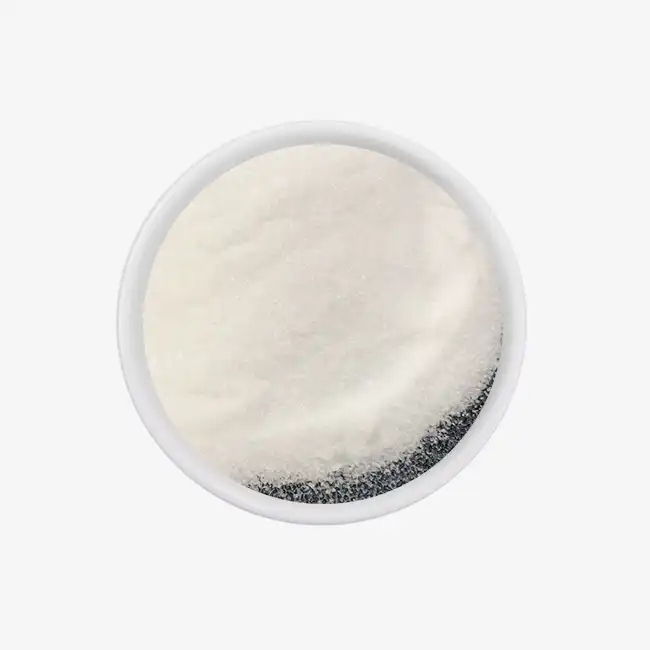
Because of its chemical makeup, potassium acetate (CH₃COOK, CAS 127-08-2) is very good at melting ice on airplanes. This white crystalline substance has a molecular weight of 98.14 g/mol and dissolves easily in water. It forms brine solutions that can get through layers of ice and break the bond between ice and sidewalk.
Molecular Mechanism of Ice Melting Action
Potassium acetate works by lowering the freezing point of water, which changes the molecular structure of ice crystals. When the compound is put on frozen surfaces, it takes in water from the air and dissolves, creating a concentrated solution with a eutectic temperature that is much lower than the freezing point of water. This solution causes an exothermic reaction that gives off heat and forms areas of brine that push under the layers of ice, making removal easier. The acetate anion (CH₃COO⁻) stops hydrogen bonds from forming between water molecules, which keeps them from re-crystallizing even when the temperature changes. This two-part system makes sure that the ice melts quickly at first and then stays clear to avoid reformation during long winter weather events.
Advantages of Solid Versus Liquid Formulations
Some liquid formulations are easier to work with and apply than Airport Runway Solid Potassium Acetate. The grainy form has an ideal particle size distribution and a mass density of 0.8 to 0.9 g/cm³. This provides wind resistance that keeps the material from moving during high-velocity jet blast conditions. Solid products can be applied precisely with measured spreading equipment, which lets workers use the right amount of product based on the thickness and temperature of the ice. When solid recipes are packed in 25 kg woven bags or 1000 kg ton-bags, they are easier to store because they don't have to worry about freezing or crystallization as liquid concentrates do. Because solid potassium acetate is hygroscopic, it can start melting ice as soon as it comes in contact with it. It does this by drawing moisture from the air to start the melting process.
Environmental Benefits and Biodegradability
As government agencies tighten rules on chemical runoff entering watersheds and groundwater systems, environmental concerns are becoming more important in airport procurement decisions. Compared to older deicing chemicals, potassium acetate is better at being compatible with the environment. The material breaks down naturally in dirt and water through the metabolism of microbes. Under normal conditions, it usually breaks down completely in 5 to 7 days. Potassium acetate breaks down into carbon dioxide and water without any harmful byproducts, unlike urea, which creates ammonia gas that is bad for aquatic areas. The compound has a low Biological Oxygen Demand (BOD), which means it doesn't use up oxygen in the water it enters, which could hurt fish populations. An added benefit is that the potassium part gives nutrients to plants nearby, turning a chemical problem into an agricultural benefit.
Corrosion Protection for Aircraft and Infrastructure
Material compatibility is a very important thing to think about when choosing runway deicing products because airports need to protect their investments in planes, ground equipment, and sidewalk infrastructure. Airport Runway Solid Potassium Acetate(CAS NO.: 127-08-2) is made according to SAE AMS 1431E standards. It has corrosion inhibitor packages that keep aluminum alloys, magnesium parts, and cadmium-plated fasteners that are commonly used in airplane building from being attacked by chemicals. Corrosion rates on carbon steel are confirmed to be less than 0.03g/m²·h in the lab. This is a lot lower than the chloride salts that break down structures and need expensive fixes. Working solutions have a pH range of 9.0 to 10.5 that is low enough to protect asphalt binders and concrete structures while also being alkaline enough to stop microbes from growing. Ground support equipment hydraulic systems can handle being exposed to the elements without seals breaking down or parts failing. This lowers the cost of repair for airport operations as a whole.
Comparing Potassium Acetate with Other Runway Deicing Chemicals
Knowing how different deicing compounds work differently helps procurement workers make choices that combine efficiency, safety, impact on the environment, and operational costs.
Performance Analysis Against Traditional Agents
For decades, urea was the main ingredient used to melt ice at airports, but it doesn't work at temperatures below -7°C, which makes it very useless during the harsh winters that happen in many northern states. Calcium chloride and magnesium chloride work at lower temperatures, but they speed up corrosion on airplane parts and road structures, which means that they will cost more to fix in the long run than they saved in the beginning. Sodium acetate is good for the environment in the same ways that potassium acetate is, but it needs to be used at higher rates and doesn't work as well in very cold weather. Testing against other products shows that potassium acetate works the same way at temperatures ranging from 0°C to -60°C, protecting reliably in weather conditions where other products don't work. When the material goes through ice layers up to 6 mm thick, it creates brine pockets that make removal easier without hurting the pavement below.

Cost-Effectiveness and Long-Term Value
Even though potassium acetate costs more per ton than common chemicals like rock salt, acetate-based products have lower total ownership costs when looking at all of their running costs. Pavement service life is extended by 20–30% when corrosion is reduced. This means that expensive resurfacing projects can be put off, and capital funds can be used for other building needs. When potassium acetate is used instead of chloride salts at airports, aircraft owners say that landing gear, brakes, and belly-mounted parts need less upkeep. Lower application rates save money on labor and machine wear because workers use less material per treatment cycle to get the results they want. Because the effective temperature range is wider, you don't have to keep different kinds of chemicals on hand for different weather conditions. This makes inventory management easier and cuts down on waste from products that have gone bad or expired.
Case Studies from U.S. Airports
Major airport hubs across North America have seen big improvements after switching to potassium acetate runway treatments. When a small airport in the Upper Midwest switched from urea to potassium acetate, it cut the time that runways had to be closed by 45% during the first winter. This meant that the airport could keep running during blizzards when it had to shut down completely before. When pavement core samples were taken three years after the change, they showed 60% less chloride penetration and less damage from freeze-thaw cycles than parts that had been treated with magnesium chloride in the past. After using acetate-based deicing protocols, environmental monitoring at a West Coast airport found that stormwater discharge had 80% lower BOD levels. This meant that the airport met regulatory requirements without having to spend a lot of money on upgrades to its water treatment infrastructure. These real-life examples show that potassium acetate makes a difference in improvements to safety, operations, and the environment, which makes it worth the money to buy.
Practical Application and Procurement Considerations for Airport Runway Potassium Acetate
To get the most out of potassium acetate, you need to know how to use it correctly and plan your purchases in a way that guarantees consistent product quality and a reliable supply.
Application Best Practices and Equipment Compatibility
For deicing activities on runways to go well, the materials must be spread out evenly and at the right rates for the circumstances. Modern spreading tools with GPS tracking systems spread potassium acetate granules evenly across the widths of runways. This stops the granules from being spread too thinly, which loses material, or too thickly, which leaves dangerous ice spots. Rates of 50 to 150 kg per 1000 square meters are suggested, but this depends on the thickness of the ice, the temperature outside, and the amount of rain falling. Pre-wetting methods mix solid potassium acetate with liquid solutions at the time of spreading. This makes it easier for the granules to stick to sidewalk surfaces when there is a lot of wind, which could otherwise blow the granules around. Before letting traffic back on the runways, operators should make sure that the equipment is always calibrated to keep it accurate and do friction tests on the surface after cleaning to make sure that it meets practical requirements.
Supplier Selection and Certification Requirements
Managers in charge of buying things must make sure that the companies that provide potassium acetate meet the standards of the airline industry and keep up quality control systems that make sure that the products always meet the requirements. Airport Runway Solid Potassium Acetate should follow the rules set out by SAE AMS 1431E, and test results should show that it is at least 99.0% pure, has no more than 0.2% chloride, and no more than 0.05% iron. Manufacturers should keep their ISO 9001 quality management certification, which shows that they control the production process in a planned way. Other standards, like ISO 14001 for environmental management and ISO 45001 for health and safety at work, show that the business is truly excellent in every way. For airports that serve international routes, KOSHER and HALAL certifications may help them follow the rules in some places. Suppliers should give Certificates of Analysis for every batch of production. This makes it possible to track the products and make sure they are of good quality, which is required by aviation regulations for safety management systems.
Bulk Purchasing and Logistics Planning
Large amounts of materials are needed for aviation deicing, and demand is highest during certain times of the year. To keep costs down and ensure supply, strategic procurement planning is essential. Potassium acetate is cheaper per unit when bought in bulk through ton-bag packing, and it's easier to handle with the forklifts that are common at airports. Before winter starts, procurement managers should sign supply contracts that guarantee delivery times and stable prices. This way, there won't be any shortages during peak demand, when spot market prices go up. The hygroscopic material needs to be kept away from moisture by storing it in climate-controlled warehouses or sealed outdoor containers. If stored correctly, the product will stay effective for 24 months. Transportation plans need to be coordinated with specialized chemical drivers who know how to handle the materials safely. This makes sure that the chemicals are delivered on time so that operations can keep going without having to buy more chemicals at high prices in an emergency.
Working with well-known companies that offer technical support and quick customer service is more valuable than just getting the products. Zhaoyi Chemical keeps a buffer stock and a flexible production schedule so that they can meet pressing orders with normal wait times of 5 to 7 working days. Emergency reaction capabilities, such as backup systems for raw materials and different shipping plans, make sure that there is a steady supply even when transportation problems happen or demand suddenly rises. Customization services let you change the formula to work better in certain climates and give you choices for OEM packages that work with your current inventory management systems.
Future Trends and Strategic Insights into Potassium Acetate Use in Airports
Strategies for deicing runways are still being shaped by changing rules and new technologies. Potassium acetate is well-positioned to meet new needs while providing operational benefits.
Emerging Environmental Regulations and Compliance
Environmental agencies across the country are keeping a closer eye on how airports handle chemicals. They are putting in place stricter limits for the amount of stormwater that can be released and making it mandatory to treat glycol and acetate concentrations that enter natural water bodies better. New EPA advice lowers the amount of BOD that is allowed in some watersheds. This makes it harder for airports that use older deicing chemicals that are more harmful to the environment to follow the rules. The fast biodegradation and low toxicity of potassium acetate make it a good choice for these stricter standards. This could mean that facilities don't have to make the expensive upgrades to their wastewater treatment infrastructure that are needed to keep using environmentally harmful alternatives. When airports use acetate-based strategies, they take control of the regulatory path instead of just responding to orders. This keeps operations running smoothly and avoids the fines that come with not following the rules.
Technological Innovations in Application Methods
Precision farm technologies that are adapted for deicing runways help airports use materials more efficiently and get better results. Variable-rate application systems change spreading rates automatically based on real-time data from temperature monitors embedded in the pavement and weather tracking sites. They don't use set rates, but instead use the exact amount needed for the current conditions. Using potassium acetate for anti-icing before it rains or snows requires less material than using reactive deicing after the ice forms, which saves money on chemicals and keeps things safer during weather events. Automatic monitoring systems keep an eye on the surface all the time, sending maintenance crews alerts when friction levels drop below certain levels and keeping records of how well treatments work for regulatory reporting. These technology improvements make the performance benefits of potassium acetate chemistry even better. They make it possible to make integrated systems that are safer, less harmful to the environment, and cheaper to run.
Strategic Benefits for Operational Resilience
Extreme winter weather events with fast temperature changes and different types of precipitation are expected to happen more often because of climate change. These events will make standard deicing methods less effective. Because potassium acetate works in a wide range of temperatures and can be used in a number of different ways, it gives you the operational freedom you need to deal with unpredictable situations. When airports put money into acetate-based programs, they gain a competitive edge that attracts airlines looking for stable winter operations and customers wanting to know their schedules during the holiday travel season. Because of its reputation for keeping operations safe even when conditions are tough, the airport gets more visitors, which brings in more money from landing fees, concessions, and parking services. In addition to instant operational concerns, sustainable chemical management is in line with corporate responsibility efforts that airlines, cargo companies, and business aviation customers are putting more weight on when they are looking at airport partnerships.
Conclusion
The switch to potassium acetate for deicing airport runways shows that safety, environmental responsibility, and operational excellence are now all part of the same strategic plan. Airport Runway Solid Potassium Acetate (CAS NO.: 127-08-2)works better than any other material in a wide range of temperatures, protects aircraft parts, and has less of an impact on the environment. When procurement professionals look at different deicing options, they should know that acetate-based solutions have higher total ownership value than common chemicals because they require less infrastructure upkeep, are more reliable, and follow regulations better. Airports that want to stay competitive in aviation markets that are getting more and more difficult to navigate will find that potassium acetate gives them the technology they need to run winter operations that meet current standards and plan for future performance and regulatory needs. Working with well-known manufacturers guarantees the quality of the products, the reliability of the supply chain, and the professional help that is necessary for a successful execution.
FAQ
What temperature range makes potassium acetate effective for runway deicing?
Airport Runway Solid Potassium Acetate works well down to -60°C, much better than urea, which only works at -7°C, and provides reliable ice melting during the worst winter weather that northern airports face. This wider temperature range makes sure that activities stay constant without the need for extra chemicals.
How does potassium acetate compare environmentally to other deicing options?
Potassium acetate breaks down naturally in 5 to 7 days, but it doesn't give off harmful ammonia like urea does. The chemical has a low Biological Oxygen Demand, which means it has less of an effect on marine ecosystems. Acetate formulations don't build up in soils or pollute groundwater supplies like chloride salts do, so they meet the stricter rules for environmental discharge.
Can potassium acetate damage runway surfaces or aircraft components?
Formulations that meet SAE AMS 1431E standards have corrosion inhibitors that keep aircraft parts made of aluminum, magnesium, and cadmium from rusting. The pH range of 9.0 to 10.5 keeps the strength of asphalt and concrete and works with hydraulic systems for ground equipment. When made correctly, potassium acetate greatly lowers rust compared to chloride-based options.
What are typical application rates for runway deicing operations?
Rates of application vary from 50 kg to 150 kg per 1000 square meters, depending on the thickness of the ice, the temperature, and the amount of rain or snow. When it's windy, pre-wetting methods that mix solid chunks with liquid solutions help things stick together better. Spreading equipment that has been calibrated and is guided by GPS makes sure that the material is spread evenly, which increases its efficiency while keeping costs low.
Partner with Zhaoyi Chemical for Reliable Airport Runway Solid Potassium Acetate Supply
Zhaoyi Chemical has been making acetate for more than 35 years and can help with deicing in airplanes. Our factory can make up to 150,000 tons of goods every year, and we use quality control procedures to make sure that every batch meets the requirements of SAE AMS 1431E. Our maintained buffer inventory, technical support that responds within two hours 24 hours a day, seven days a week, and flexible logistics plans that guarantee supply consistency are all benefits for airport operations managers. As a supplier of Airport Runway Solid Potassium Acetate, whether you need competitive bulk pricing or formulations that are specifically made for your climate, our team can help you find solutions that keep operations safe and meet environmental compliance requirements. Email our aviation deicing experts at sxzy@sxzhaoyi.com to talk about your winter repair needs and get full technical specs that will help you with your decision-making process.
References
1. Federal Aviation Administration. (2021). Runway Condition Assessment Matrix (RCAM) Implementation Guidance. U.S. Department of Transportation, Aviation Safety Division.
2. Society of Automotive Engineers. (2020). SAE AMS 1431E: Deicing/Anti-Icing Fluid, Runway and Taxiway, Solid Potassium Acetate. SAE International Standards Documentation.
3. Transportation Research Board. (2019). Airport Winter Operations: Best Practices and Environmental Considerations. National Academy of Sciences, Engineering, and Medicine.
4. Environmental Protection Agency. (2022). Effluent Limitations Guidelines for Airport Deicing Operations. EPA Water Quality Standards Division.
5. International Civil Aviation Organization. (2020). Aerodrome Design Manual Part 2: Taxiways, Aprons and Holding Bays. ICAO Technical Publications Series.
6. Aircraft Owners and Pilots Association. (2021). Winter Weather Operations and Surface Contamination Analysis. AOPA Air Safety Institute Research Report.

USER EVALUATE
Here is the customer's evaluation of us