



Airport Maintenance Teams Choose Potassium Acetate for Ice Prevention
When winter storms threaten airport operations, maintenance teams face a critical challenge: keeping runways safe without damaging infrastructure or harming the environment. Airport Runway Solid Potassium Acetate (CAS NO.: 127-08-2)has emerged as the preferred solution among aviation professionals across the United States. This crystalline compound, with the molecular formula CH3COOK, delivers exceptional ice prevention capabilities down to -60°C while maintaining environmental responsibility and protecting sensitive aircraft components from corrosive damage.

Understanding Solid Potassium Acetate for Airport Runway Deicing
Aviation-grade deicing is more complicated than just melting ice. It needs to find the perfect mix between safety, efficiency, and caring for the environment. Airport Runway Solid Potassium Acetate(CAS NO.: 127-08-2) keeps this balance by having a special molecular structure that stops ice crystals from forming at the molecular level.
How Potassium Acetate Prevents Ice Formation
The science behind deicing runways that work is based on lowering the freezing point. Potassium acetate molecules get in the way of the hydrogen bonds that let water molecules form ice crystals when they dissolve in water. This problem lowers the temperature at which ice can form, making a layer of protective liquid that keeps dangerous ice from building up on the runways. The exothermic reaction that happens during dissolution makes more heat, which speeds up the melting process even when the weather is very bad.
Material-Friendly Corrosion Resistance
Aluminum, magnesium metals, and cadmium-plated parts in airplanes are expensive purchases that need to be kept safe. Traditional deicers that are based on chloride weaken structures over time and leave microscopic pits. Potassium acetate mixtures that meet SAE AMS 1431E standards show carbon steel corrosion rates below 0.03g/m²·h. This is a huge safety margin that makes both airplanes and ground support systems last longer. When acetate-based deicers are used correctly, they don't damage runway concrete, asphalt binders, or electrical conduits that are embedded in the surface.
Climate Adaptability and Performance Range
Winter is very different for regional airports in Alaska than in the Great Lakes region. Potassium acetate works in temperatures ranging from light freezing to -60°C, which means it can be used in all climate zones in the mainland U.S. This flexibility means that airport operations managers don't have to keep various stocks of different products, which makes purchasing easier.
Because this chemical is hygroscopic, it can quickly take water from the air, starting the deicing process as soon as it is applied. This speed edge can mean the difference between keeping flights on schedule and having to wait on the ground for a long time, which can cost a lot of money when the weather changes quickly.
Comparing Potassium Acetate with Other Runway Deicing Agents
To make a good purchasing choice, you need to carefully look at things like performance, compatibility with existing equipment, and long-term operating costs. Knowing how the different deicing agents stack up helps repair teams choose the best one.
Performance Against Traditional Alternatives
Urea is the last of the generation of airport deicers, but it has a lot of problems. It can only work up to -7°C, so it can't be used during really bad winter weather. Also, urea breaks down into ammonia, which is harmful to marine life and causes problems with following the rules. Calcium chloride and magnesium chloride have lower freezing points, but they break down concrete by spalling and rust brake systems on airplanes very badly.
Sodium acetate is better at working in low temperatures than its potassium cousin, but both are good for the earth in some ways. The potassium version is better for airports that work in places where winters are harsh because it has better eutectic properties, which means it can deice at much lower temps.
Solid Versus Liquid Formulations
Airport Runway Solid Potassium Acetate granules and liquid potassium acetate solutions are used for different tasks. Solid formulations work best for treatments before a storm and when precise application control is needed. The granular structure, which has an ideal particle size distribution and a bulk density of 0.8 to 0.9 g/cm³, keeps the wind from moving the material around and makes sure that all airport areas are covered evenly.
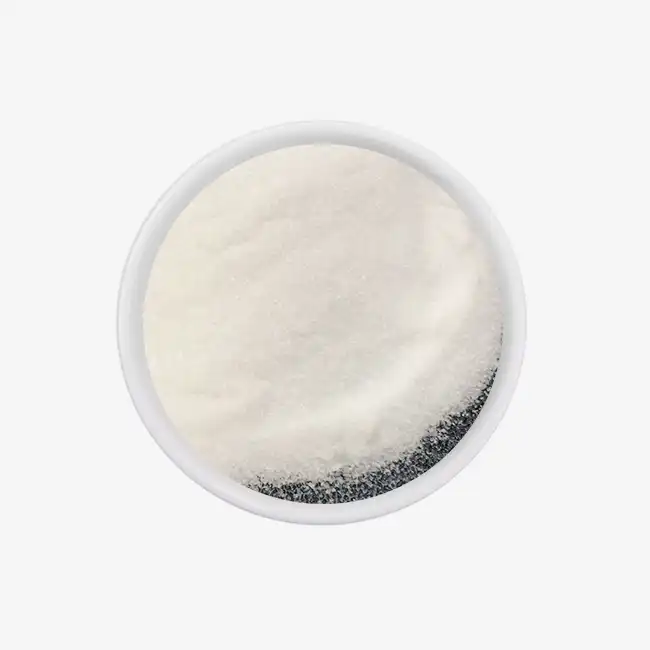
Liquid formulations work well with spray truck systems that are already in use and cover a lot of ground quickly in emergency situations. A lot of airports use pre-wetting methods that mix solid flakes with liquid solutions. This makes the snow stick to the ground better before it starts to snow and stops it from bouncing around in high winds.
Different formulations have very different storage needs. Because they absorb water, solid goods need to be held in warehouses that keep the temperature and humidity low. If they are kept in sealed, double-layer PE/PP packaging for 24 months, the quality usually stays the same. Liquid extracts need to be stored at a controlled temperature so they don't freeze, but they are easier to move around.
Best Practices for Applying Solid Potassium Acetate on Airport Runways
To deice effectively, you need to choose the right product and follow the right steps for application, storage, and safety to protect people and property.
Pre-Treatment and Anti-Icing Strategies
When it comes to results, proactive anti-icing works better than reactive deicing after ice forms. Putting down Airport Runway Solid Potassium Acetate granules one to two hours before it's supposed to rain makes a chemical barrier that keeps ice from sticking to the pavement. This plan cuts down on the total amount of chemicals used by up to 40% while also reducing the need for mechanical snow clearing.
Application rates change depending on the temperature of the pavement, the amount of rain, and the wind. For anti-icing activities, spreading equipment that has been calibrated makes sure that the weight is evenly spread, usually between 40 and 100 pounds per lane mile. When used after a storm, higher rates are needed to get through layers of ice that are up to 6 mm thick. Once inside, the product forms brine spaces that make mechanical removal easier.
Equipment Compatibility and Operational Integration
Modern spreading trucks with ground speed controls and variable-rate application systems can place products precisely. Solid potassium acetate moves easily through normal spreading processes and doesn't stick or cake, so the rate of application stays the same at different speeds. The optimized particle geometry of the material stops dust from forming when it is handled and makes sure that it dissolves quickly in water.
By connecting to existing fluid deicing tools, airports can get more out of the equipment they already have. In many places, they keep both solid and watery stocks, choosing the right type based on the current weather and practical needs.
Storage and Handling Safety Protocols
Proper storage keeps products safe and makes sure they work the same way every time. To keep things from getting wet, storage areas should have enough airflow to keep the relative humidity below 60%. Groundwater doesn't get to the bottom-layer bags when they are stored on pallets with moisture barriers between them. The warehouse staff needs to be taught about how sensitive things are to moisture and how important it is to keep packages covered until they are used.
Handling procedures stress being careful when moving bags to keep them from getting damaged. Even though potassium acetate is not very dangerous in small amounts, people who work with large amounts of it should wear the right safety gear, like gloves and eye protection. Simple containment and recovery are used in spill reaction methods because the material doesn't pose much of an environmental risk when it is handled quickly.
Procurement and Purchasing Guide for Solid Potassium Acetate
Long-term operational success, cost predictability, and supply chain reliability during the winter operating seasons depend on choosing the right supplier partnership.
Quality Certifications and Industry Compliance
Aviation-grade deicing goods have to follow strict SAE AMS 1431E guidelines that control the chemicals they contain, the shape of their particles, and how well they stop rust. Procurement teams should make sure that suppliers include full certificate of analysis paperwork with every shipment, which includes proof that:
- More than 99.0% potassium acetate content
- Chloride levels ≤0.2% to stop rusting
- Iron level ≤0.05% to keep from staining
- 7.4 to 9.0 on the pH scale in a 15% solution
- Heavy metal levels that meet EPA guidelines for discharge
Getting ISO 9001 certification shows that a supplier is dedicated to using consistent quality management systems. Other qualifications, such as ISO 14001 for environmental management and ISO 45001 for worker health and safety, show that the business is running at a high level overall. KOSHER and HALAL certifications may help meet the needs of different stakeholders at airports that serve foreign lines.
Evaluating Supplier Capabilities and Reliability
During the winter, when demand is highest, production ability has a direct effect on supply security. Facilities that make more than 150,000 tons of goods a year usually keep a buffer stock to protect customers from supply problems. Lead times during off-season buying (late spring to early fall) help airports get better terms and a sure spot during the winter.
The ability to provide technical support sets exceptional suppliers apart from commodity vendors. Twenty-four-hour response teams are very helpful in case of weather situations, and application experts teach maintenance crews on-site. Suppliers who have worked in the field for decades know the unique problems that airports face and take steps to fix any problems before they affect flight schedules.
Optimizing Order Quantities and Logistics
When compared to 25 kg woven bags, buying Airport Runway Solid Potassium Acetate in bulk in 1000 kg ton bags lowers the cost per unit and reduces the amount of packaging waste. However, smaller units are easier to handle if you don't have a lot of storage space. By figuring out seasonal needs using past weather patterns, runway square footage, and application rate protocols, you can avoid both shortages and the costs of carrying too much inventory.
Transportation relationships with chemical logistics specialists make sure that everything is handled correctly along the supply chain. When shipping times are reliable, airports can keep the right amount of inventory on hand without having to dedicate too much warehouse room to seasonal goods.
Environmental and Safety Impact of Using Potassium Acetate for Runway Deicing
Following the rules and taking care of the environment are now essential parts of running an airport today. By choosing deicing goods that have little to no effect on the environment, businesses can show they care about the areas they serve.
Biodegradability and Aquatic Safety
Biodegradation rates of over 95% within weeks of use show that Airport Runway Solid Potassium Acetate breaks down quickly through natural bacterial processes. Chloride salts stay in underground and surface water for a long time, but acetate compounds break down naturally into carbon dioxide and water through processes called biological oxygen demand (BOD). This quick breakdown keeps long-term buildup in the environment to a minimum, even in places where a lot of it is applied.
Aquatic toxin testing shows that these deicers have less of an effect on fish and invertebrates than standard ones. Potassium acetate-containing stormwater runoff meets the requirements for a discharge permit in most places without the need for a lot of treatment infrastructure. This compatibility with environmental rules lowers the costs of following them and the work that environmental managers at airports have to do.
Infrastructure Longevity and Maintenance Cost Reduction
Properly mixed potassium acetate doesn't corrode, so it makes things last longer in a lot of different categories. When compared to chloride-exposed surfaces, runway concrete doesn't chip or crack as much, which means that expensive resurfacing projects can be put off. If you use acetate-based deicers instead of chloride-based ones, underground electrical systems, lighting fixtures, and drainage structures will last longer.
Landing gear, brake systems, and fuselage parts need less upkeep, which is good for aircraft owners. These savings affect everyone involved in flight. They create value for airlines, repair centers, and finally customers by making the industry safer and lowering costs.
Alignment with International Environmental Standards
Major aviation industry groups are putting more and more emphasis on environmentally friendly ways of doing business. When airports use deicing agents that are better for the environment, like potassium acetate, they show that they are leaders in corporate environmental responsibility. This promise improves the facility's reputation among travelers who care about the environment and makes it more likely that the facility will be eligible for grants and other incentives that support investments in green infrastructure.
Communicating with stakeholders about safe ways to handle chemicals increases trust in the community and lowers resistance to projects to expand airports. Adopting advanced deicing technologies that lead to measurable improvements in environmental performance creates positive stories that help long-term strategic planning.
Conclusion
Aviation safety depends on well-planned winter maintenance strategies that balance environmental responsibility with operational efficiency. Airport Runway Solid Potassium Acetate has demonstrated reliable performance across a wide range of temperatures, helping protect critical airport infrastructure while minimizing environmental impact. By using Airport Runway Solid Potassium Acetate, airport maintenance teams can benefit from flexible application methods, compatibility with existing spreading equipment, and dependable supply chains supported by experienced manufacturers. The advanced performance of Airport Runway Solid Potassium Acetate (CAS NO.: 127-08-2)provides multiple advantages, from effective ice prevention at the molecular level to supporting sustainability and climate-related goals. For airport managers seeking safe, efficient, and environmentally responsible winter operations, Airport Runway Solid Potassium Acetate offers a practical solution that improves runway protection, reduces maintenance risks, and supports long-term operational reliability. The combination of strong deicing performance, infrastructure protection, and environmental compatibility makes Airport Runway Solid Potassium Acetate a preferred choice for modern airport winter maintenance programs.
FAQ
How does potassium acetate compare to traditional road salt for airport use?
Normal sodium chloride road salt corrodes heavily on airport infrastructure and parts of airplanes, so it can't be used in aviation settings. Potassium acetate works well at much lower temperatures (-60°C vs. road salt's narrow range of -15°C) and doesn't have much of an effect on aluminum, magnesium, and cadmium aircraft materials. The biodegradable nature of acetate molecules also gets rid of the worries about chloride building up and polluting waterways.
What rate of application should airports use during active snowstorms?
Application rates depend on a number of factors, such as the warmth of the ground, the amount of rain falling, and the wind speed. Anti-icing treatments usually need 40 to 100 pounds per lane mile before a storm, and deicing ice that has already formed may need 100 to 300 pounds per lane mile. Consistent application is made possible by calibrated spreading equipment that can control the ground speed. Talking to experienced suppliers like Zhaoyi Chemical can help you come up with site-specific methods that work best with the environment where you are.
Can potassium acetate damage runway lighting or navigation equipment?
When used according to the instructions, products that meet SAE AMS 1431E standards show that they are compatible with electrical lines, embedded runway lights, and navigation equipment. Standard chloride deicers would quickly break down metal fixtures and electrical connections, but this formula doesn't do that. The right pH buffering makes sure that the concrete and asphalt materials around the integrated infrastructure work with it.
Partner with Zhaoyi Chemical for Reliable Airport Deicing Solutions
Zhaoyi Chemical has been making acetate for more than 35 years and can help aviation maintenance professionals with their winter operations. Our aviation-grade potassium acetate source can produce up to 150,000 tons of potassium acetate per year, fully comply with SAE AMS 1431E, and provide quick technical support that fits the needs of airport operations. We keep a buffer stock to make sure there is a steady supply during the busiest winter months. We offer a range of flexible packaging options, from 25 kg bags to bulk ton bags, so your facility can choose the easiest way to handle the goods. You can email our flight deicing team at sxzy@sxzhaoyi.com to talk about your seasonal needs, get technical specs, or set up product samples that show how committed we are to quality and performance.
References
1. Federal Aviation Administration. (2020). "Advisory Circular 150/5200-30D: Airport Winter Safety and Operations." U.S. Department of Transportation.
2. Society of Automotive Engineers International. (2018). "AMS 1431E: Solid Runway and Taxiway Deicing/Anti-icing Compound." SAE Aerospace Standards.
3. Transportation Research Board. (2019). "ACRP Report 198: Evaluating Airfield Pavement Surface Friction Characteristics and Contaminant Conditions." National Academies Press.
4. Environmental Protection Agency. (2021). "Effluent Guidelines for Airport Deicing Operations: Environmental Assessment." EPA Office of Water.
5. Klein-Paste, A., & Sinha, N. (2017). "Comparison of Solid and Liquid Runway Deicing Chemicals on Ice and Frost Prevention." Cold Regions Science and Technology, Vol. 141, pp. 103-111.
6. Airports Council International - North America. (2022). "Best Practices for Environmentally Sustainable Airport Deicing Operations." ACI-NA Environmental Affairs Committee.

USER EVALUATE
Here is the customer's evaluation of us