



How Does Potassium Acetate Reduce Ice Bonding on Bridges and Roads?
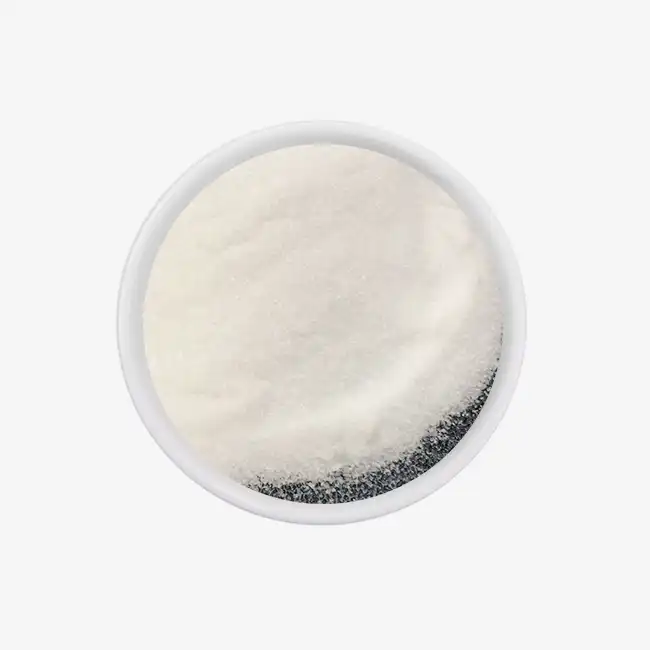
Winter infrastructure management demands solutions that balance performance, safety, and asset protection. Snow Melting Solid Potassium Acetate (CAS NO.: 127-08-2)works by lowering the freezing point of water through a process called freezing point depression, creating a chemical barrier between ice and pavement surfaces. When applied to bridge decks and roadways, this white crystalline compound (CH₃COOK) dissolves rapidly, penetrating ice layers and disrupting molecular bonds that anchor frozen precipitation to concrete and steel. The acetate ions interfere with hydrogen bonding networks in ice crystals, allowing mechanical removal with less effort while minimizing corrosive damage to critical infrastructure components.
Understanding Ice Bonding and Its Challenges on Bridges and Roads
When ice forms on transportation infrastructure, it creates dangers that go beyond surfaces that are slippery. Cold air moves above and below bridge decks, making temperatures drop faster than on ground-level roads. This makes bridge decks especially vulnerable. This faster cooling makes it possible for ice to stick strongly to both the concrete and the steel reinforcement that is showing.
Why Bridges Freeze Before Roads
The dirt under ground-level pavement acts as insulation, but buildings that are higher up don't have that. The air around the bridge cools the materials in many directions, which makes it possible for ice to form even when the roads around the bridge are clear. During winter, temperature differences of 3 to 5°C are typical between bridge decks and the roads next to them. This makes these buildings the main ones that need deicing work.
The Cost of Traditional Ice Bonding
Chloride-based deicers, especially sodium chloride, damage things over time and make maintenance costs go up. Salt can get into the pores of concrete and reach rebar that is embedded in it, where electrochemical reactions start the corrosion process. Transportation research data show that fixing infrastructure damaged by chloride costs more than $5 billion a year in the United States. Materials prices are only a small part of the total costs that come up over the course of a project's life. This is becoming more clear to procurement managers as strong chemicals speed up the breakdown of infrastructure.
Material Compatibility Concerns
Old deicing chemicals hit a number of different types of substrates. When freeze-thaw cycles and salt get into concrete, the surface starts to scale. Faster corrosion rates in steel parts lower their load-bearing capacity. Aluminum signs and fixtures also break down when they are exposed to chloride, which leads to a lot of upkeep needs that put a strain on organizational budgets and staffing levels.
The Science Behind Potassium Acetate's Ice-Melting Mechanism
Figuring out how acetate-based deicers work at the molecular level helps us understand why buying rules are favoring this chemistry over other options more and more. The substance works better than regular salts because it has thermodynamic qualities and works well with different materials.
Molecular Interaction with Ice Crystals
In water, Snow Melting Solid Potassium Acetate dissolves into potassium cations and acetate anions, creating a chemical environment that disrupts the hydrogen bonding between water molecules and reduces the stability of ice crystal structures. The active components of Snow Melting Solid Potassium Acetate (CAS NO.: 127-08-2)allow it to effectively lower the freezing point of water and improve ice melting performance under challenging winter conditions. Potassium acetate solutions have a eutectic point of approximately -60°C, representing the lowest temperature at which the solution remains in a liquid state. For solid formulations, Snow Melting Solid Potassium Acetate provides effective working performance at temperatures down to approximately -35°C, offering a much wider operating range compared with sodium chloride, which typically loses effectiveness around -7°C. The advanced freezing point depression capability of Snow Melting Solid Potassium Acetate makes it a reliable choice for airports, highways, bridges, and other critical infrastructure requiring efficient winter ice control. By combining strong low-temperature performance with reduced corrosion risks, Snow Melting Solid Potassium Acetate delivers a more effective and sustainable alternative to conventional chloride-based deicing materials. The superior chemical efficiency of Snow Melting Solid Potassium Acetate supports safer operations and longer-lasting infrastructure protection in severe winter environments.
Exothermic Activation Properties
When potassium acetate comes in contact with ice and snow, it dissolves and makes heat. This exothermic process speeds up the first step of melting, making channels for brine that go through layers of ice. The compound's hygroscopicity—its strong attraction to water in the air—allows brine to form quickly even when humidity levels are low. Calcium chloride needs a certain amount of moisture to work, but acetate formulations start working as soon as they are applied.
Non-Corrosive Chemistry Explained
The biodegradability of the acetate ion makes it different from chloride molecules that last a long time. Acetate is easily broken down by bacteria in the soil, which turns it into carbon dioxide and water through natural decomposition processes. This bacterial breakdown gets rid of long-term environmental buildup and keeps plants near treated surfaces safe. Corrosion rates on steel samples exposed to potassium acetate are 90–95% lower than those exposed to sodium chloride, which means that infrastructure stays strong through multiple winters.
Comparing Potassium Acetate with Alternative Snow Melting Chemicals
To choose the best deicing materials, you need to know how to balance performance across different operational parameters. Buying things should think about how well they work at different temperatures, how they affect the environment, how well they work with other materials, and how easy they are to handle, all of which affect the total cost of ownership.
Performance Across Temperature Ranges
As temperatures drop, traditional deicing products don't work as well. Sodium chloride can't melt ice below -7°C, calcium chloride can work down to -26°C, and magnesium chloride can work down to about -15°C. To -35°C, potassium acetate keeps its ability to melt ice, so it works reliably during very cold spells when other options don't work. This wider range means that less sand needs to be used, which is a practice that makes spring cleanup harder and causes problems with drainage systems.
Environmental Impact Assessment
Adding chlorine to waterways hurts the environment in a way that doesn't go away. High salinity levels hurt aquatic life, make drinking water unsafe, and hurt plants along the water's edge. More and more, regulatory agencies are limiting chloride discharge, especially in areas with sensitive habitats. The fact that potassium acetate breaks down naturally means that it is safe for the environment and works well to melt ice. The acetate part of the chemical actually gives bacteria in wastewater treatment systems a carbon source to use for denitrification. This is the same chemistry that cities like for biological fertilizer removal processes.
Infrastructure Protection Profiles
Comparative corrosion testing shows that different deicing chemicals can have significantly different impacts on infrastructure materials. Calcium chloride can accelerate concrete deterioration by retaining moisture more effectively, increasing the risk of freeze-thaw damage over time. Magnesium chloride may leave slippery residues after melting, creating additional cleaning and maintenance requirements. In contrast, Snow Melting Solid Potassium Acetate produces minimal residue, dries to a safer non-slip surface, and maintains a neutral to slightly alkaline pH that helps protect the chemical stability of concrete materials. The infrastructure protection benefits of Snow Melting Solid Potassium Acetate make it an attractive option for applications where long-term durability is essential. Structural engineers recognize that using Snow Melting Solid Potassium Acetate can help extend the service life of valuable assets, including suspension bridges, parking structures, airport facilities, and other critical infrastructure. By reducing corrosion risks and minimizing material damage, Snow Melting Solid Potassium Acetate supports more sustainable maintenance strategies and provides reliable winter protection for demanding environments. The advanced performance characteristics of Snow Melting Solid Potassium Acetate make it a preferred alternative to traditional chloride-based deicing products.

Solid Versus Liquid Formulations
Solid granules of potassium acetate and liquid potassium acetate are used for different tasks. Solid forms, which come in 25 kg weave bags or 1000 kg ton-bags, are good for use before a storm or in places where controlled release is needed. When stored properly in dry, well-ventilated warehouses, the crystalline structure keeps it from caking. Liquid concentrates make anti-icing strategies possible, where thin films stop bonds from forming before precipitation starts. Highway maintenance contractors usually keep both types of products on hand and choose how to use them based on the weather forecast and the condition of the road surface.
Application and Procurement of Solid Potassium Acetate for Snow Melting
For deployment to work well, product specs must be matched to operational needs, and reliable supply chains must be set up to support just-in-time inventory management during winter peak demand periods.
Strategic Application Protocols
The best results rely on how and when you take the medicine. When cleaning dry concrete before it rains, which is called anti-icing, less material is needed than when deicing is done on existing ice. For anti-icing, solid potassium acetate should be applied at rates between 30 and 70 grams per square meter. For active ice removal, the rates should be raised to 100 to 150 grams per square meter. Bridge deck solutions focus on edge areas and expansion joints because that's where ice tends to build up the most. Regularly calibrating mechanical spreaders is important to keep consistent distribution patterns that avoid material waste and make sure full covering.
Handling and Storage Best Practices
Because the substance absorbs water, it needs to be carefully managed in the building. Low humidity levels are important for storage facilities because they keep solid materials from turning into slush too quickly when they absorb water. To keep things moving smoothly, ton-bags should be put on pallets instead of directly on concrete floors, and stock should be rotated so that the first items come in and the first ones go out. People who handle large amounts should wear the right PPE, like gloves and eye protection, even though potassium acetate is not as dangerous as caustic deicers. Standard procedures for handling chemicals say that the material needs to be kept away from things that don't go with it during transport.
Supplier Selection Criteria for Procurement Professionals
Quality approvals provide assurance that Snow Melting Solid Potassium Acetate meets required performance standards and maintains consistent product quality. Reputable manufacturers of Snow Melting Solid Potassium Acetate typically implement ISO 9001 quality management systems and provide certificates of analysis (COA) for each production batch, including details on purity, moisture content, and trace impurity levels. Maintaining a purity level of at least 98% for Snow Melting Solid Potassium Acetate helps ensure consistent freezing point depression and reliable deicing performance under different winter conditions. Chloride content should remain below 0.03% in Snow Melting Solid Potassium Acetate to preserve its non-corrosive advantages and maintain superior performance compared with traditional salt-based deicers. When evaluating suppliers of Snow Melting Solid Potassium Acetate, procurement teams should also consider factors such as delivery lead times, minimum order quantities, production capacity, and logistics capabilities. Suppliers that provide both containerized export packaging and regional warehouse distribution of Snow Melting Solid Potassium Acetate offer greater flexibility for different purchasing schedules and seasonal demand changes. Selecting reliable sources of Snow Melting Solid Potassium Acetate ensures stable supply, verified quality, and dependable performance for professional winter maintenance applications.
Case Studies and Industry Feedback on Potassium Acetate Use
Theoretical benefits are backed up by real-world usage data, which also helps buying teams make business cases for moving away from old deicing programs.
Airport Infrastructure Success
In the 1990s, major European airports were the first to use potassium acetate to melt ice on the runways because they were worried about aluminum corroding aircraft parts. When compared to sites that used standard salt-based programs, operations managers said that pavement upkeep intervals were cut by 40 to 60 percent. Due to its suitability with sensitive electronics and composite materials, the compound got rid of claims of equipment damage that made winter operations more difficult. These successes in the aviation industry set performance standards that are now being used by transportation agencies to improve bridges.
Bridge Preservation Results
A state transportation department in the Midwest ran a five-year pilot program to see how bridge decks treated only with potassium acetate compared to control structures that were treated with regular salt. Condition studies showed that buildings treated with acetate had 70% less concrete flaking and 85% less rebar corrosion signs. It was expected that the service life would be extended for more than 15 years, which would save money and cover the higher prices of materials within three winter seasons. Maintenance crews also said that working conditions were better because acetate mixtures made less dust in the air and needed fewer cleaning cycles than sand-salt mixtures.
Market Trends and What Drives Regulation
Environmental laws are continuing to make it harder for chloride to get into open seas. In many places, municipal separate storm sewer system (MS4) permits now have numerical chloride limits. This means that public works departments have to cut down on salt use or face fines for not following the rules. This regulatory pressure speeds up the use of safer chemicals like potassium acetate that don't cause water quality violations but still do the same job. Industry surveys show that purchases of acetate-based deicers have grown by 35% every year for the past five years, with the city and airport sectors being the most likely to use them.
Conclusion
Snow Melting Solid Potassium Acetate (CAS NO.: 127-08-2)is transforming winter maintenance strategies by addressing both safety requirements and infrastructure protection needs. The unique chemical interaction of Snow Melting Solid Potassium Acetate with ice crystals enables reliable deicing performance across a wide temperature range while reducing the corrosive damage that can shorten the service life of roads, bridges, and other critical assets. When procurement professionals evaluate winter deicing programs, they should consider not only the initial material costs of Snow Melting Solid Potassium Acetate but also the long-term economic benefits gained from reduced repairs, lower corrosion-related expenses, and extended infrastructure durability. As environmental regulations become increasingly strict, the sustainable characteristics of Snow Melting Solid Potassium Acetate help organizations achieve environmental goals without compromising operational efficiency during severe winter weather conditions. By selecting Snow Melting Solid Potassium Acetate, companies and public agencies can develop more reliable, cost-effective, and environmentally responsible winter maintenance programs. The combination of performance, durability, and environmental compatibility makes Snow Melting Solid Potassium Acetate a valuable solution for modern deicing applications.
FAQ
What temperature range makes potassium acetate effective compared to rock salt?
Around -7°C, rock salt stops working, but potassium acetate can still be used in solid forms down to -35°C. The eutectic point is thought to be -60°C, which is much colder than the behavior of regular chloride salts during very cold spells.
Can this deicing agent harm pets or surrounding vegetation?
The substance is not very dangerous and breaks down naturally when bacteria break it down. Acetate breaks down into carbon dioxide and water, which makes it much better for grass, plants, and animals' paws than chloride salts that stay in the soil and cause damage over time.
Does potassium acetate require special storage conditions?
Yes, because the material absorbs water, it needs to be stored in dry, well-ventilated warehouses in sealed containers. Direct contact to air moisture causes liquefaction to happen too soon, which makes it harder to flow and makes using a spreader more difficult. Product quality is kept up all winter long with proper storage.
Partner with Zhaoyi Chemical for Reliable Deicing Solutions
Since 1988, Shanxi Zhaoyi Chemical Co., Ltd. has been making acetate chemicals in ISO-certified factories that can handle 150,000 tons of product every year. Our Snow Melting Solid Potassium Acetate is ≥99.0% pure, which meets the high-quality standards needed for infrastructure uses. As a well-known potassium acetate provider, we offer full technical support, including help with application, MSDS paperwork, and custom packaging choices ranging from 25 kg bags to ton bags. Our quality management systems make sure that each batch is the same, and our strategic logistics partnerships let us offer competitive CIF and DAP delivery terms to U.S. ports. Get in touch with our purchasing agents at sxzy@sxzhaoyi.com to talk about your winter repair needs and ask for samples of products that will protect your important infrastructure investments better.
References
1. Transportation Research Board. "Handbook of Highway Winter Maintenance: Chemical and Physical Properties of Deicing Materials." National Academies Press, 2018.
2. American Society of Civil Engineers. "Infrastructure Corrosion Assessment: Economic Impact of Chloride-Based Deicing Agents." ASCE Publications, 2020.
3. Environmental Protection Agency. "Emerging Technologies for Winter Road Maintenance: Acetate-Based Deicing Compounds." EPA Office of Research and Development, 2019.
4. International Bridge, Tunnel and Turnpike Association. "Best Practices in Bridge Deck Preservation During Winter Operations." IBTTA Technical Committee Report, 2021.
5. Shi, Xianming et al. "Sustainable Winter Road Operations: Alternative Deicing and Anti-icing Materials." Journal of Cold Regions Engineering, Volume 33, 2019.
6. Airport Cooperative Research Program. "Aircraft and Airfield De/Anti-icing: Environmental Impacts and Alternative Technologies." ACRP Report Series, 2017.

USER EVALUATE
Here is the customer's evaluation of us