



How to Use Solid Potassium Acetate for Large-Scale Snow Removal?
When winter strikes and ice blankets critical infrastructure, operations managers face a pressing question: how can we efficiently clear snow without damaging valuable assets or harming the environment? Snow Melting Solid Potassium Acetate (CAS NO.: 127-08-2)offers a proven solution for large-scale deicing operations. This advanced acetate-based agent works effectively at temperatures down to -35°C while protecting concrete, steel, and sensitive equipment from corrosion. Unlike traditional chloride salts, potassium acetate dissolves rapidly upon contact, forming a powerful brine that breaks ice bonds and prevents refreezing across runways, bridges, and industrial facilities.
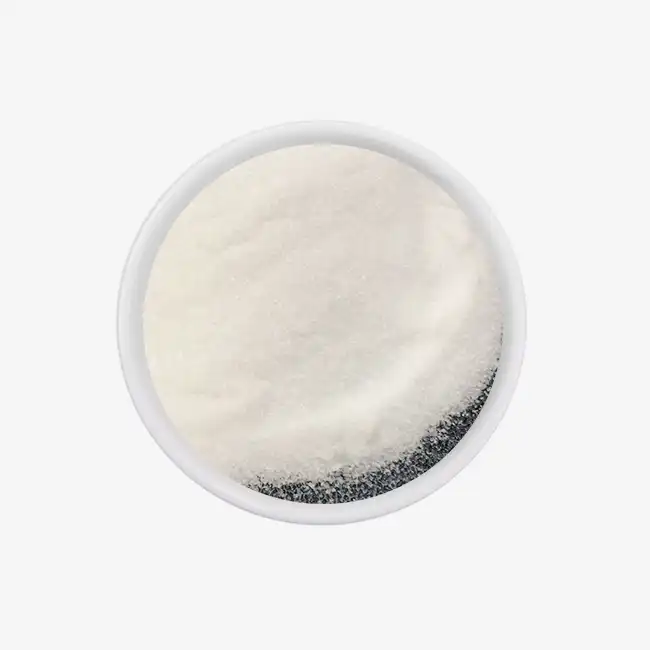
Understanding Solid Potassium Acetate for Snow Melting
Snow Melting Solid Potassium Acetate (CH₃COOK, CAS 127-08-2) is a big step forward in the chemistry of winter upkeep. With a molecular weight of 98.14, this white crystalline compound dissolves easily in water, acids, and alcohols, allowing it to work right away on frozen surfaces.
The Science Behind Ice Melting Performance
The compound works because it can break down hydrogen bonds inside the structures of ice crystals. It drops the freezing point by colligative qualities, making a eutectic solution that stays liquid at temperatures where regular rock salt doesn't work. Purity levels of industrial-grade formulations are higher than 99.0%, which means they work the same way in all kinds of weather. This high purity means that melting rates can be predicted and there is less waste during application.
Key Advantages Over Traditional Chloride Salts
When compared to sodium chloride or calcium chloride alternatives, acetate-based deicers offer big operational benefits. Snow Melting Solid Potassium Acetate doesn't corrode, so it keeps aircraft aluminum alloys, structural steel reinforcement, and electronic sensor systems from breaking down. Infrastructure managers say that the material makes concrete surfaces last longer because it doesn't cause the damage that comes from freeze-thaw cycles that happens with chloride penetration. Environmental safety teams like that it is biodegradable—soil bugs easily break down acetate ions into carbon dioxide and water, which keeps the environment clean in the long run.
Industrial Applications and Suitability
For maintenance work on the runways of municipal airports, this deicing agent is used because it is safe for use with composite landing gear and avionics systems. Highway offices that take care of old bridges like how gently it works with uncovered rebar and masonry that is over a hundred years old. Its dependability during sudden changes in temperature is important for industrial facilities that house sensitive radar equipment and railway switching mechanisms. The substance keeps surfaces from slipping for longer than urea-based goods, which means they don't have to be reapplied as often and the labor costs that come with that.
Step-by-Step Guide: How to Apply Solid Potassium Acetate in Large-Scale Snow Removal
To use Snow Melting Solid Potassium Acetate effectively in industrial snow removal, it needs to be carefully planned and carried out. The best results are achieved by operations teams following structured protocols that are changed to fit the needs of each site.
Pre-Application Site Assessment
First, do a full assessment of the places that need to be treated. Write down the surface's make-up and note whether you're working with porous concrete, asphalt, sealed pavement, or a mix of these. Predicting the weather is very important. Look at the ranges of temperatures, the time of rain, and the patterns of wind that affect the spread of materials. Use surveying tools or GPS mapping systems to accurately figure out coverage areas. The usual rate of application is between 50 and 150 grams per square meter, but this depends on how thick the ice is and how warm the air is. This planning work makes sure that you order the right amount of materials and use your resources effectively.
Material Preparation and Equipment Selection
Snow Melting Solid Potassium Acetate (CAS NO.: 127-08-2)comes in 1000 kg ton bags or 25 kg plastic woven bags that are made to be handled by machines. Before deploying, check the integrity of the packaging to make sure that the moisture barrier has been kept up during transport. Because this substance is hygroscopic, it needs to be stored carefully because even short contact to humid air can cause it to dissolve too soon. Choose the right spreading tools for your operation's size. Walk-behind broadcast spreaders work well in smaller spaces, like loading docks and walkways for people. Auger devices or conveyor spreaders that are placed on trucks can easily handle highway stretches and airport aprons. Set up the tools so that the application rates are always the same, and test runs should be done on controlled areas before the whole thing goes live.

Application Timing and Technique
When it comes to results, anti-icing strategies work better than reactive deicing methods. When predictions say it will freeze, put down the material 24 to 48 hours before it is supposed to rain. By taking this proactive step, the compound can create a chemical barrier that stops ice from sticking to the pavement. When snow is falling, apply at the start of the storm to get the most coverage and the least amount of buildup. Spread the material out evenly by making passes that meet so that there are no empty spots where ice can form. The granular structure doesn't stick together, so it can flow easily through mechanical systems even during long operations.
Monitoring and Reapplication Protocols
Set up tracking checkpoints all over the cleaned areas and give people the job of checking the surface conditions on a regular basis. Write down the air temperature, the surface temperature, and any eye notes of how the ice is melting or forming. Areas that are exposed to wind and areas that are shaded often need extra applications because the materials spread out faster or the sun doesn't heat them up as much. Keep thorough application logs that describe the amount of material used, the area covered, the weather, and how well the system worked as seen. This information helps with planning operations in the future and making budget decisions during procurement cycles.
Comparing Solid Potassium Acetate with Other Snow Melting Agents
When purchasing different deicing options, procurement pros have to weigh a lot of things, such as how well the options work right away, how they will affect infrastructure in the long term, how well they will work with the environment, and the total cost of ownership.
Performance Analysis Against Chloride-Based Products
Rock salt (sodium chloride) is the most common deicing agent used by cities because it is cheap to buy, but it has problems when it is very cold. Sodium chloride isn't as effective below -7°C, which leaves surfaces open to damage during bad weather. Snow Melting Solid Potassium Acetate continues to melt ice quickly at temperatures as low as -30°C, and it should still work at temperatures as low as -60°C. Calcium chloride and magnesium chloride work better than rock salt at low temperatures, but they also cause major corrosion problems. When steel reinforcing bars in concrete buildings are exposed to chloride ions, they oxidize more quickly, which causes them to break apart and lose their strength. This kind of risk is taken away by Snow Melting Solid Potassium Acetate, which makes it the best choice for protecting expensive infrastructure.
Environmental and Safety Considerations
Facilities near sensitive ecosystems have to deal with ongoing environmental problems caused by chloride building up in soil and groundwater. Biochemical oxygen demand (BOD) and total dissolved solids in stormwater runoff from treated surfaces are being looked at more closely by regulatory agencies. Naturally occurring soil bacteria use acetate ions as carbon sources and break down molecules based on Snow Melting Solid Potassium Acetate very quickly. This biological breakdown mechanism stops environmental survival over a long period of time. Another thing to think about is the safety of your pets. Chloride salts in dirty snow can irritate their paw pads and make their stomachs hurt. Snow Melting Solid Potassium Acetate is not very toxic, which means that property managers and city governments don't have to worry about liability.
Cost-Benefit Analysis for Industrial Operations
Snow Melting Solid Potassium Acetate has higher material costs per ton than regular rock salt, but its total ownership costs are comparable after a full lifecycle analysis. Lowering the costs of maintaining infrastructure, making pavement last longer, and stopping equipment corrosion all add up to big savings over longer planning periods. Operations that need fewer treatments because they work better at low temperatures require less labor and cost less to run. The costs of cleaning up chloride pollution in the environment can be much higher than the changes in the prices of the materials themselves. More and more, procurement teams that are watching their budgets are realizing that investing in acetate technology up front pays off in the long run by saving money and making operations more reliable.
Procurement Considerations for Solid Potassium Acetate Snow Melting Agent
To get steady supplies of industrial-grade deicing materials, you need to build strong relationships with your suppliers and follow strict quality control procedures.
Supplier Qualification and Certification
Work with producers who can show that they have complete quality management systems that have been checked by ISO 9001 certification. Having environmental management qualifications that meet ISO 14001 standards shows that you are committed to using sustainable production methods. Occupational health and safety approval through ISO 45001 proves that safety measures are in place to protect workers during all stages of production. Shanxi Zhaoyi Chemical Co., Ltd. has all three approvals, as well as KOSHER and HALAL compliance for certain product types. This shows that we are committed to meeting the needs of different regulatory bodies around the world. Ask for pictures of the certificates and do regular checks to make sure that the rules are still being followed.
Quality Specifications and Testing
Set clear technical requirements that are in line with your operational needs. To make sure the melting works every time, the content purity should be at least 99.0% CH₃COOK. Matter that doesn't dissolve in water must stay below 0.05% to keep the sprayer from getting clogged and the draining system from getting dirty. Specifications for chloride content below 0.2% keep the corrosion-resistant benefits that make Snow Melting Solid Potassium Acetate a good choice. Ask for certificates of analysis (COA) with every shipment. These show the test results for important factors that were unique to each batch. Verification by an independent third-party laboratory gives you more peace of mind when you're looking at new suppliers or looking into performance problems.
Logistics and Supply Chain Management
Because Snow Melting Solid Potassium Acetate is hygroscopic, it needs to be handled in a certain way during the distribution process. Make sure that the suppliers you work with use moisture-barrier packaging and keep their warehouses at a controlled temperature. The way people get around should keep them as protected from high temperatures and humidity as possible. Zhaoyi Chemical offers a range of shipping options, such as FOB, CIF, and DAP, so that buyers can choose the best option for their needs and the availability of goods. Because we have strategic relationships with foreign shipping companies, we can ensure container space during the busiest times of the year in the winter. Lead times of 5 to 7 working days for standard orders allow for flexible inventory management, and provisions for safety stock help with last-minute purchases. Set up framework deals that spell out yearly volume promises in exchange for better prices and first picks when supplies are low.
Safety, Environmental Impact, and Regulatory Compliance
Safeguarding workers, taking care of the environment, and following the rules are all built into responsible winter maintenance programs.
Handling and Storage Best Practices
Material safety data sheets (MSDS) from reputable Snow Melting Solid Potassium Acetate sources list important safety measures to take when handling the product. During loading, workers should wear protective gloves and safety glasses to keep their hands and eyes from getting wet. Snow Melting Solid Potassium Acetate is not very harmful when it comes to short-term effects, but long-term skin touch may be irritating. Keep things in dry, well-ventilated warehouses away from heat sources and things that don't go with them. To stop chemical processes, keep things away from strong oxidizing agents and acids. Regularly check storage places for signs of water getting in, because dissolved product can cause slips and loss of material. Use first-in, first-out stocking movement to keep products fresh and make sure they work at their best.
Environmental Stewardship and Biodegradability
Compounds made from Snow Melting Solid Potassium Acetate are in line with environmental efforts that put protecting ecosystems first. Acetate ions are quickly broken down by microbes, unlike chloride salts that stay in underground pools and bodies of water on the surface. Soil bacteria use acetate as fuel through aerobic respiration pathways and break it down into carbon dioxide and water within days of being added to the soil. This biological breakdown gets rid of the buildup of sodium in the soil and damage to plants that happen when too much rock salt is used. Environmental compliance risks are lower for businesses that are close to protected marshes, habitats for rare species, or watersheds for city water supplies. In company sustainability reports and government files, show that you are committed to green winter maintenance practices.
Regulatory Framework and Compliance Documentation
Different areas and types of facilities have different federal, state, and local rules about the use of deicing chemicals. Federal Aviation Administration (FAA) rules about runway friction coefficients and aircraft compatibility must be followed by airport operations. Highway offices have to follow the rules set by the Department of Transportation (DOT) and the rules for stormwater release permits issued by the Environmental Protection Agency (EPA). Keep detailed records that show the product's specs, how often it's used, and how many times it's been used. These records show that environmental checks were done properly and meet legal reporting requirements. Work with providers who can give you all the paperwork you need to be compliant, like MSDS sheets, COA certificates, and regulatory letters in the languages you need. Zhaoyi Chemical's technical support team helps customers stay in business while meeting their compliance obligations by guiding them through complex regulatory landscapes.
Conclusion
Using deicing tools based on Snow Melting Solid Potassium Acetate (CAS NO.: 127-08-2)is a smart way to protect infrastructure, make operations more reliable, and be more environmentally friendly. Snow Melting Solid Potassium Acetate solves the most important problems that winter maintenance workers face because it works better at low temperatures, doesn't corrode, and breaks down quickly in nature. By following systematic application guidelines and working with certified makers, procurement teams make sure that the quality of the materials they buy stays the same, which helps keep operations safe and low-cost. This advanced deicing technology should be used in commercial, industrial, and municipal settings because it has many benefits, such as longer infrastructure service life, lower environmental liability, and higher worker safety.
FAQ
What temperature range supports effective potassium acetate performance?
Around -7°C, rock salt stops working properly, which makes it dangerous during very cold spells. In the field, Snow Melting Solid Potassium Acetate can aggressively melt ice down to -30°C, and tests in the lab have shown that it can also work at temperatures close to -60°C. This longer operational range makes sure that the system will work reliably even when the winter weather is bad.
Does potassium acetate damage concrete surfaces or harm vegetation?
Normal chloride salts get into the pores of concrete, speeding up damage from freeze-thaw cycles and rusting steel reinforcements that are embedded in the concrete. It's important to note that Snow Melting Solid Potassium Acetate doesn't damage cured concrete chemically or physically when it expands. Because the compound is biodegradable and breaks down quickly in soil microbes, it doesn't hurt plants or damage soil structure like sodium chloride does when it builds up.
How should bulk quantities be stored to maintain product quality?
Because Snow Melting Solid Potassium Acetate is hygroscopic, it needs to be stored with strict moisture protection. The material has to stay in sealed, moisture-proof containers in dry, climate-controlled stores. Being in wet air speeds up the breakdown process, which makes it harder to handle and concentrate. Regularly check storage facilities and set up weather tracking to stop products from going bad because of moisture.
Partner with Zhaoyi Chemical for Premium Snow Melting Solid Potassium Acetate
Zhaoyi Chemical has been making acetate for more than 30 years and can help you with your winter maintenance. We are a specialist seller of Snow Melting Solid Potassium Acetate, and we have ISO 9001, ISO 14001, and ISO 45001 certifications to make sure that the quality of our products always meets legal standards. Our yearly production capacity of 150,000 tons ensures a steady supply of large materials for North American cities, highway builders, and airport owners. Each package comes with a lot of paperwork, like safety data sheets, certificates of analysis, and compliance certificates. This makes the buying process go more smoothly. For application questions, dosage calculations, and helping with logistics, our technical support team gets back to you within two hours. You can email our salespeople at sxzy@sxzhaoyi.com to talk about your unique deicing needs, get product samples for testing in the field, or get full technical specs. During winter activities, you can rely on Zhaoyi Chemical's proven manufacturing quality to protect your infrastructure investments and help you reach your environmental stewardship goals.
References
1. American Society for Testing and Materials. (2019). Standard Specification for Non-Chloride Deicing Agents. ASTM International Standards Collection.
2. Environmental Protection Agency. (2018). Best Management Practices for Winter Road Maintenance: Acetate-Based Deicing Alternatives. EPA Office of Water Publications.
3. Federal Aviation Administration. (2020). Airport Winter Safety and Operations: Advisory Circular on Runway Deicing Materials. FAA Technical Reports Database.
4. International Journal of Pavement Engineering. (2021). Comparative Analysis of Corrosion Rates: Acetate versus Chloride Deicing Compounds on Infrastructure Materials. Volume 22, Issue 4.
5. National Research Council Transportation Research Board. (2017). Strategic Highway Research Program: Environmental Impacts of Road Salt Alternatives. TRB Special Publication Series.
6. Society of Automotive Engineers. (2019). Aerospace Material Specification for Aircraft Ground Deicing and Anti-Icing Chemicals. SAE AMS Standards Documentation.

USER EVALUATE
Here is the customer's evaluation of us