



Why Is Potassium Acetate Preferred for Airport Runway Deicing?
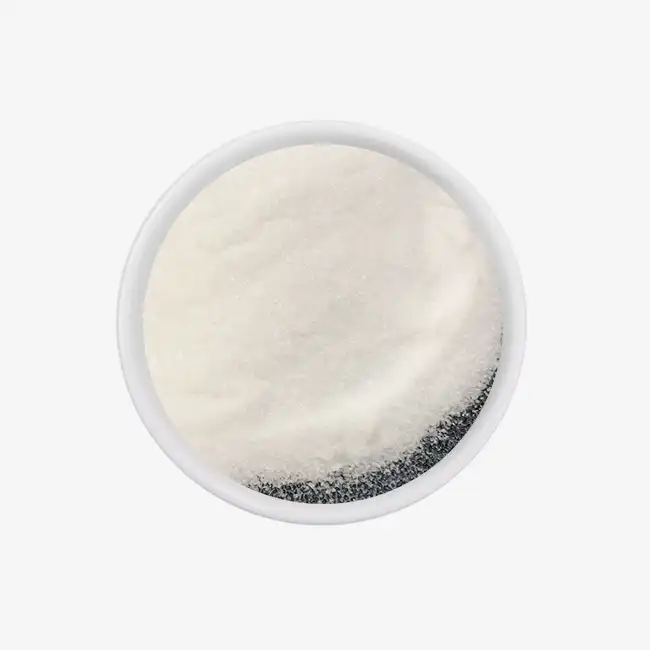
Airport operators face a critical decision every winter: which deicing agent protects runways, aircraft, and infrastructure while maintaining environmental compliance? Snow Melting Solid Potassium Acetate (CAS NO.: 127-08-2)has emerged as the solution of choice for major airports worldwide. Unlike traditional chloride-based deicers that corrode sensitive equipment and pollute waterways, potassium acetate (CH3COOK) delivers exceptional melting performance down to -35°C without compromising aircraft integrity or environmental standards. With a purity level exceeding 99% and biodegradable properties, this white crystalline compound addresses the unique challenges of aviation deicing operations.
Understanding the Challenges of Airport Runway Deicing
Keeping airport tracks clear of ice and snow requires methods that meet strict safety, performance, and environmental standards at the same time. Inadequate deicing causes more problems than just delayed flights. It puts passengers at risk, damages expensive aircraft, and damages infrastructure over time.
Limitations of Traditional Chloride-Based Deicers
Calcium chloride and sodium chloride have been the most popular deicing chemicals for decades, but using them on airport surfaces causes a lot of problems. These chloride salts speed up the rusting of metal parts of airplanes, landing gear systems, and lighting structures for runways. When regular rock salt comes in touch with sensitive electronics and composite materials, maintenance teams at busy airports say it costs more to fix.
Another important issue is temperature efficiency. Below -7°C, rock salt loses its usefulness quickly, leaving airports open to damage during very cold spells. Calcium chloride works a little better, but it's still not very good in very cold weather, when airports need reliable ice prevention the most.
Environmental and Safety Concerns
Runoff from airport activities contaminates the groundwater and dirt nearby, doing long-lasting damage to the environment. Environmental Protection Agency rules are making it harder for chloride to escape, which forces airport owners to look for options that are legal. People who work on the ground with traditional deicers get skin irritation and breathing problems, which brings up occupational health issues.
These challenges are well recognized by the aviation industry, which requires deicing products that protect infrastructure, maintain safe operations, and support environmental sustainability. As a result, Snow Melting Solid Potassium Acetate has become an increasingly preferred choice for airport deicing applications across North America and Europe. The use of Snow Melting Solid Potassium Acetate helps airports address critical concerns related to corrosion, operational reliability, and environmental impact while maintaining effective ice removal performance. Compared with traditional chloride-based deicers, Snow Melting Solid Potassium Acetate provides a more balanced solution by reducing infrastructure damage and supporting long-term airport maintenance strategies. The adoption of Snow Melting Solid Potassium Acetate reflects the aviation industry's commitment to safer, more sustainable, and more efficient winter operations. By integrating Snow Melting Solid Potassium Acetate (CAS NO.: 127-08-2)into airport deicing programs, operators can better protect runways, equipment, and surrounding environments while ensuring reliable performance during challenging winter conditions.
What Makes Solid Potassium Acetate Ideal for Snow and Ice Melting?
The chemical makeup of potassium acetate makes it better than other deicing molecules in many ways. An organic acetate anion and a potassium cation are combined in the molecular formula CH3COOK to make a substance that melts ice in a special way and doesn't corrode easily.
Superior Low-Temperature Performance
The ice-breaking properties of this acetate compound stay strong at temperatures where salts stop working. In a lab setting, the eutectic point, which is the lowest temperature at which the substance stops ice from forming, is around -60°C. Real-world applications show that they work reliably at temperatures as low as -35°C, which gives airport managers peace of mind during severe weather events.
When it comes in contact with ice, the exothermic reaction speeds up melting right away. When compared to calcium chloride treatments, airport maintenance teams see faster clearance times. This cuts down on the time that runways have to be closed and makes flight schedules more reliable.
Non-Corrosive Chemical Profile
Manufacturers of airplanes set testing requirements for materials that come into contact with chemicals in the airframe, engines, and landing systems. Potassium acetate doesn't corrode carbon brakes, structural steel, or aluminum alloys at all, which means it meets these strict aircraft material compatibility standards. This compatibility saves investments in multimillion-dollar planes while keeping safety gaps.
Acetate treatment is also good for concrete structures. Potassium acetate doesn't directly attack cement paste or rebar protection like chlorides do. Chlorides can get into the cracks of concrete and cause it to break apart during freeze-thaw cycles. This quality of preservation is especially valuable at airports with old terminals and infrastructure.
Environmental Biodegradability
Acetate ions are easily broken down by bacteria in the soil, which results in carbon dioxide and water. This biodegradation happens within a few weeks of application, so it doesn't build up in groundwater systems. Biochemical Oxygen Demand (BOD) levels are much lower than with glycol-based alternatives, according to environmental effect studies. This meets legal compliance standards.
Because it dissolves easily in water, acid, and alcohol, the product will completely disappear without leaving any residue on the sidewalk. This feature gets rid of the white haze and sticky residue issues that come with some other deicers, keeping the best stopping friction for airplane operations.
Comparative Analysis: Potassium Acetate vs Other Common Deicers
Buyers who are looking at deicing choices need to be able to compare the performance of each option objectively across a number of different factors. By knowing these differences, you can make choices that balance the needs of operations with the limitations of your budget and the needs of the environment.
Performance Metrics Comparison
Different deicing compounds perform differently under various temperature conditions. Traditional materials such as sodium chloride typically lose effectiveness at around -7°C, while magnesium chloride may stop working effectively at approximately -15°C. In comparison, Snow Melting Solid Potassium Acetate maintains strong deicing performance at much lower temperatures, providing a wider operating range for winter maintenance applications. The advanced formulation of Snow Melting Solid Potassium Acetate allows it to remain effective during extreme cold events, including polar vortex conditions and sudden overnight temperature drops. By offering reliable melting performance in harsh environments, Snow Melting Solid Potassium Acetate helps transportation agencies maintain safer roads, runways, and critical infrastructure when conventional deicing materials may become less effective. The broad temperature adaptability of Snow Melting Solid Potassium Acetate makes it a dependable choice for applications requiring consistent ice control, operational reliability, and improved winter safety. Through its superior low-temperature performance, Snow Melting Solid Potassium Acetate provides a more effective solution for challenging winter conditions.
Another important factor is the melting speed. Because potassium acetate is hygroscopic, which means it strongly attracts water from the air, it speeds up the formation of brine when it comes into contact with ice. This quick formation of brine breaks the bond between the ice and concrete faster than calcium magnesium acetate (CMA), though CMA is better at stopping erosion in mixed situations.
Infrastructure Impact Assessment
Corrosion tests using SAE AMS 1435 aircraft material standards shows that deicing agents are very different from one another. Aluminum test pieces that are immersed in chloride for normal amounts of time show pitting and surface wear that can be measured. The non-corrosive label is supported by the fact that specimens exposed to acetate don't change much.
Studies of the longevity of concrete show similar trends. When chloride deicers are used on bridge decks and parking structures, they need to be fixed up every 15 to 20 years because the concrete and rebar start to rust. Acetate formulations help structures stay strong for a much longer time, which lowers the overall cost of infrastructure over time, even though the initial cost of the materials is higher.
Cost and Procurement Considerations
Material prices are only one part of the total costs of the deicing effort. Potassium acetate costs more per ton than rock salt, but when you add up the total cost of ownership, you have to account for things like fixing infrastructure, cleaning up the environment, and making operations more efficient.
When they make supply deals, bulk industry buyers can save money through economies of scale. Manufacturers with a lot of production capacity, like plants that can make 150,000 tons a year, can offer reasonable bulk prices and guaranteed shipping space during the busiest winter months. Different operating sizes, from small regional airports to major international hubs, can be met by the 25 kg bags and 1000 kg ton bags that are used for packaging.
During weather situations, the reliability of the supply line is very important. Established suppliers keep safety stock and offer wait times of 5–7 working days for normal orders. This makes sure that airports have what they need when sudden winter storms hit.

Best Practices for Using Solid Potassium Acetate in Airport Snow Removal
To get the most out of acetate deicing products, they need to be used correctly, stored properly, and integrated with current snow removal systems. When airports use best practices, they improve safety while also saving money and making the best use of materials.
Application Rate Optimization
The right application rates rely on the temperature, the amount of rain, and the state of the pavement. For preventative uses before it snows, the usual rates are between 50 and 150 pounds per thousand square feet. Anti-icing tactics, which involve putting down the product before it starts to rain, use 50–70% less material than reactive deicing, which is done after the ice has formed on the sidewalk.
By calibrating motorized spreaders properly, Snow Melting Solid Potassium Acetate can be distributed evenly across different track widths and application areas. The free-flowing granular structure of Snow Melting Solid Potassium Acetate prevents clumping and helps maintain consistent discharge rates when using spinner spreaders. Proper calibration of equipment ensures that Snow Melting Solid Potassium Acetate is applied efficiently, reducing material waste while maintaining effective ice control performance. When workers manually apply Snow Melting Solid Potassium Acetate near sensitive locations such as airport buildings, aircraft operating areas, and fueling zones, proper handling procedures are essential to ensure accurate application and avoid unnecessary material loss. Training operators on the correct use of Snow Melting Solid Potassium Acetate improves safety, enhances deicing efficiency, and supports better resource management. With reliable application methods and controlled distribution, Snow Melting Solid Potassium Acetate delivers consistent performance for demanding winter maintenance operations.
Integration with Snow Management Systems
Using both potassium acetate and mechanical snow removal together makes operations run more smoothly. Plowing gets rid of the big piles of snow, and applying acetate stops the remaining snow and ice from sticking to the sidewalk. This unified method cuts down on the total amount of chemicals used while keeping the friction levels needed for safe aircraft operations.
By using acetate before turning on the heating parts, airports with heated ground systems can get synergistic benefits. The chemical lowers the freezing point, and radiant heat systems keep the surfaces from freezing again. This keeps the surfaces clear during long storms.
Storage and Handling Protocols
Because potassium acetate is hygroscopic, it needs to be kept dry while it is being stored. Warehouses need to stay dry, well-ventilated, and have humidity levels below 50% so that products don't absorb too much water too quickly and melt. Double-lined bags and cases that can't be opened provide important safety while being stored.
Separating from substances that don't work well together stops pollution that could hurt the performance of the product. Temperatures in storage areas should stay between 10°C and 30°C, and items should be kept out of direct sunlight. The purity of the product is maintained from the maker to the application site by careful handling during shipping and unloading to avoid damage to the bags.
Case Study Evidence
When major international airports in cold climates switch to deicing programs that use acetate, they see real benefits. Operations teams keep track of shorter times when runways have to be closed, fewer complaints from airline repair departments about corrosion on planes, and better compliance with environmental discharge permits.
Tracking maintenance costs shows the benefits of preserving infrastructure over longer review periods. Concrete tests on runway sections treated only with acetate formulations shows limited degradation compared to previous parts exposed to chloride deicers. This supports the long-term value argument, even though the materials are more expensive.
How to Source and Purchase Solid Potassium Acetate for Industrial Use
Finding skilled providers who know what is needed for aviation deicing and can consistently deliver high-quality goods is key to successful procurement. Strategic approaches to sourcing make sure that supply chains are reliable so that airports can keep running all winter long.
Supplier Qualification Criteria
Companies that have ISO 9001 Quality Management certification show that they are dedicated to making sure that their production standards are always met. Other standards, like ISO 14001 for environmental management and ISO 45001 for health and safety at work, show that the business is operating at a high level of quality overall. Every shipment should come with quality documents that are specific to aviation, like Material Safety Data Sheets (MSDS) and Certificates of Analysis (COA).
During the busy winter months, production capability is a critical factor when sourcing Snow Melting Solid Potassium Acetate. Suppliers with advanced manufacturing facilities and annual production capacities of up to 150,000 tons can provide stable availability and respond quickly to large-volume orders of Snow Melting Solid Potassium Acetate. Strong production capacity ensures that customers receive consistent supplies of Snow Melting Solid Potassium Acetate even during peak seasonal demand when winter maintenance requirements increase significantly. Proximity to major shipping ports can simplify international logistics for Snow Melting Solid Potassium Acetate, while established relationships with freight providers help customers obtain competitive transportation terms such as FOB, CIF, and DAP. Reliable logistics networks combined with efficient manufacturing capabilities allow suppliers of Snow Melting Solid Potassium Acetate to support timely delivery, reduce supply chain risks, and maintain continuous winter operations. Choosing experienced manufacturers of Snow Melting Solid Potassium Acetate with strong production resources and flexible shipping solutions helps organizations achieve dependable supply, cost efficiency, and long-term operational stability.
Premium suppliers are different from basic suppliers because they offer technical help. Access to application experts who can give advice on usage rates, equipment testing, and fixing problems makes sure that the product works at its best. Respondent contact, such as being available for consultations 24 hours a day, seven days a week, and promising an answer within two hours, is what makes airport operations possible around the clock.
Evaluation of Product Specifications
The level of purity has a direct effect on how well deicing works. Specifications that show a CH3COOK content of at least 99% ensure constant melting and lowering of the freezing point. To meet standards for aerospace material compatibility, quality control measures should make sure that the chloride content is less than 0.2%, the water insolubles content is less than 0.05%, and the iron content is not more than 0.05%.
Buyers should ask for proof of testing by a third party and proof of batch traceability. When manufacturers use full-process quality tracking, they can be sure that specifications will be met for multiple shipments over long supply relationships.
Initiating Procurement Discussions
Clear communication of business needs is the first step to engaging a provider effectively. Suppliers can come up with the best solutions if they know about the number of applications, shipping schedules, and specific performance standards. By asking for samples, you can try a product in your own facility under real-world settings before committing to large-scale purchases.
People who want quotes should be clear about how they want their items packaged, where they want them delivered, and how they want to be paid. Comparing bids from several qualified suppliers makes sure that prices are competitive and lets you see what other services the suppliers offer besides just costing materials. Long-term strategic benefits come from forming partnerships with manufacturers that allow customization, such as formulas that are made to work better in certain climates and the ability to use private labeling.
Conclusion
Airports around the world recognize Snow Melting Solid Potassium Acetate as an effective solution for runway ice removal because it provides excellent cold-weather performance while protecting infrastructure and supporting environmental responsibility. With the ability to perform effectively at temperatures as low as -35°C, Snow Melting Solid Potassium Acetate offers reliable deicing efficiency while its non-corrosive and recyclable chemical properties address many challenges associated with traditional chloride-based deicers. Although the initial material cost of Snow Melting Solid Potassium Acetate (CAS NO.: 127-08-2)may be higher, procurement professionals evaluating total ownership costs often find significant long-term value when considering reduced infrastructure maintenance, improved equipment protection, and compliance with environmental requirements. Selecting qualified suppliers of Snow Melting Solid Potassium Acetate with proven manufacturing capabilities, complete certifications, and strong technical support ensures a stable supply chain for safe airport operations throughout the winter season. By integrating Snow Melting Solid Potassium Acetate into airport deicing programs, aviation facilities can achieve a balance of operational reliability, cost efficiency, and sustainable infrastructure management. The dependable performance of Snow Melting Solid Potassium Acetate makes it a preferred choice for airports requiring safe, efficient, and environmentally responsible runway maintenance.
FAQ
What is the effective working temperature compared to rock salt?
In real life, rock salt stops working at about -7°C, but potassium acetate stays active and works quickly down to -35°C. The eutectic point theoretically hits -60°C, which gives a lot of safety margins during very cold weather events that stop normal deicing activities.
Is this product safe for airport vegetation and surrounding ecosystems?
Within weeks of being used, the organic acetate formula breaks down naturally into carbon dioxide and water through bacterial metabolism. This environmental profile follows strict rules for release and keeps lawns, gardens, and aquatic ecosystems safe from the damage that builds up over time from chloride pollution.
How should bulk quantities be stored to maintain product quality?
For proper storage, warehouses must be dry, well-ventilated, and keep the temperature and humidity below 50%. Because it is hygroscopic, it needs to be kept in sealed cases or double-lined bags to keep air moisture from absorbing it, which would cause it to liquefy too soon and lose its usefulness when used.
Partner with Zhaoyi Chemical for Premium Airport Deicing Solutions
Zhaoyi Chemical has been making acetate for more than 30 years and can help airports and infrastructure owners who need reliable, high-performance deicing solutions. Through ISO-certified production methods, our Snow Melting Solid Potassium Acetate is at least 99% pure, which guarantees consistent performance during important winter operations. As a dedicated potassium acetate provider with a yearly capacity of 150,000 tons, we keep safety stock and offer lead times of 5 to 7 days to help you get your operations ready. Our expert team is available 24 hours a day, seven days a week to help with questions and provide all the paperwork needed for purchase approval processes, such as MSDS, COA, and compliance certifications. You can email us at sxzy@sxzhaoyi.com to talk about your specific needs, ask for samples of our products, or get detailed volume quotes that are made to fit the needs of your airport's deicing program.
References
1. Transportation Research Board. (2007). Guidelines for the Selection of Snow and Ice Control Materials to Mitigate Environmental Impacts. National Cooperative Highway Research Program Report 577.
2. Shi, X., Fay, L., Peterson, M. M., & Yang, Z. (2010). Freeze-Thaw Damage and Chemical Change of a Portland Cement Concrete in the Presence of Diluted Deicers. Materials and Structures, 43(7), 933-946.
3. Federal Aviation Administration. (2019). Advisory Circular 150/5200-30D: Airport Winter Safety and Operations. U.S. Department of Transportation.
4. Fischel, M. (2001). Evaluation of Selected Deicers Based on a Review of the Literature. Colorado Department of Transportation Report CDOT-DTD-R-2001-15.
5. Williams, D. J., & Thelin, B. A. (2009). Assessment of Aircraft and Airfield Pavement Snow and Ice Control Materials. Airport Cooperative Research Program Synthesis 6.
6. Environmental Protection Agency. (2012). Protecting Water Quality from Airport Deicing Operations. Office of Water Fact Sheet EPA 832-F-12-018.

USER EVALUATE
Here is the customer's evaluation of us