

Corrosion Testing of Airport Runway Solid Potassium Acetate Explained
When winter storms threaten airport operations, picking the right de-icing agent isn't just a matter of buying it; it's a matter of safety. Airport runway solid potassium acetate has become the best option for aviation facilities all over the world. This is mainly due to its exceptional corrosion resistance, which has been proven through strict testing procedures. Traditional chloride-based de-icers are very rough on aircraft aluminum alloys and the infrastructure of the runway. This organic salt formulation melts ice effectively while saving important metal parts from damage. When procurement managers, airport operations directors, and maintenance contractors know how to test for corrosion and confirm these protective properties, they can make choices that balance winter safety with long-term asset preservation.
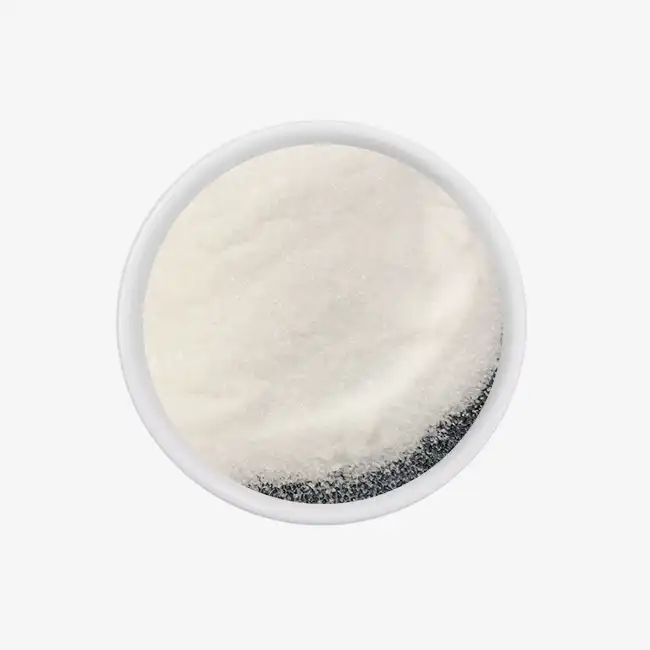
Understanding Solid Potassium Acetate in Airport Runway Deicing
Specialized de-icing agents that can work in harsh conditions without endangering the structure are needed in airport runway settings. Potassium acetate (CH₃COOK) that is made for aviation is a big step up from regular choices like urea or calcium chloride.
Chemical Characteristics and Ice-Melting Mechanism
An exothermic reaction happens when potassium acetate comes in touch with ice. This reaction gives off heat. This white, crystalline substance has a molecular weight of 98.14 g/mol and dissolves easily in water. It lowers the freezing point of water. The material works at temperatures as low as -60°C, which is much lower than the range of temperatures that urea can work at (it stops working at -7°C). It can handle higher temperatures because it has special eutectic features and a well-designed granular structure. The bulk density of 0.8 to 0.9 g/cm³ makes sure that the product stays on the ground even when it's being jet-blasted, so it doesn't get blown around in the wind and waste time.
Comparative Advantages Over Traditional De-icers
When airport managers look at de-icing agents, corrosion potential is one of the most important things that sets them apart. Calcium chloride, magnesium chloride, and other chloride-based products melt quickly, but they also speed up the oxidation process on airplane landing gear, runway reinforcement bars, and ground support equipment. Urea was once widely used in aircraft, but it is bad for the environment because it releases ammonia, and it doesn't work well in very cold weather.
These problems are completely fixed by potassium acetate. Its organic makeup breaks down naturally without making any harmful toxins. There are corrosion inhibitors in the mixture that protect metal surfaces. This is especially important for airplane parts made of aluminum, magnesium, and cadmium. Corrosion rates on carbon steel are always less than 0.03g/m³·h, which is a very small amount compared to what chloride products make in the same conditions.
Application Methods and Operational Efficiency
To launch effectively, you need to know the right way to use applications. When granules are used to melt ice in very cold weather, they can get through layers of ice up to 6 mm thick, causing pockets of salt water that weaken the bond between the ice and the pavement. This makes it easier for sweepers to remove mechanically without using too much force, which could damage the sidewalk markings.
During pre-wet anti-icing processes, solid granules are mixed with airport runway solid potassium acetate solutions. This two-step process stops the "bounce-and-scatter" effect when applying the material in windy conditions, making sure it sticks to the ground before it starts to rain. Because the compound is hygroscopic, it can quickly absorb water from the air, starting the melting process within minutes of touch. Lower levels of toxicity make passenger loading zones and apron areas safer than industrial de-icers. This protects ground staff and hydraulic systems on support equipment while keeping surfaces around stopped planes from slipping.
Corrosion Challenges in Airport Runway Deicing and the Role of Testing
Infrastructure corrosion is one of the most expensive problems airports have to deal with when it comes to upkeep. Knowing the steps used to test corrosion resistance helps people choose the right goods and guess how much they will cost in the long run.
Why Corrosion Control Matters for Airport Operations?
There are a lot of metal parts set in runway pavements, like support bars, light fixtures, drainage gratings, and sensor housings. When strong de-icing chemicals get into concrete, they reach these metals and start electrochemical processes. The corrosion that happens weakens the structure, chips the surface, and needs expensive repairs that stop activities.
When planes take off and land, they are directly exposed to the elements. Landing gear assemblies, brake systems, and the undersides of the fuselage all come into touch with de-icing residues. Chloride salts are especially bad because they make high-strength aluminum metals used to build airplanes more likely to crack under stress. Maintenance records from airports that use chloride-based de-icers show that parts are replaced and structures are inspected a lot more often.
The same thing happens to ground support tools. Corrosive de-icing products speed up the wear on the chassis frames, hydraulic lines, and electrical connections on tugs, belt loaders, and fuel trucks. When you add up all the repair costs for a whole fleet, they add up to a lot of money that you usually wouldn't spend on cheaper de-icing products.
Comparative Corrosion Profiles of De-icing Agents
Chemical groups are very different from one another when tested in the lab. Under normal test conditions, calcium chloride and magnesium chloride rust soft steel at rates higher than 0.15g/m²·h. These chloride ions keep doing their bad work even after the ice has melted, until they are physically taken away or eliminated.
Even though potassium formate works better than chlorides, it can still cause corrosion in some metals. The moderate-risk ratings for sodium formate are similar. Both formate compounds are also not very useful below -15°C, which limits their use in northern climes.
Potassium acetate always does better than these other options in a variety of testing methods. The SAE AMS 1431E guidelines for aviation de-icing require aircraft materials like aluminum alloys 2024-T3 and 7075-T6, magnesium alloy AZ31B, and cadmium-plated steel to go through strict corrosion tests. When test subjects are exposed to high-purity formulations with contents above 99% for long periods of time, they lose almost no weight.
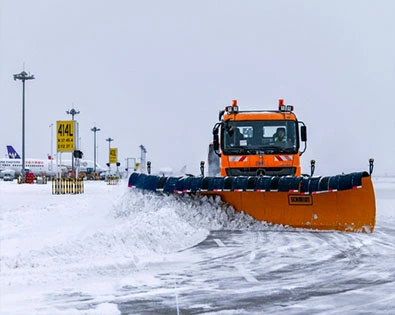
Laboratory and Field Testing Methodologies
Corrosion testing follows well-known science rules. In the immersion test, metal coupons are put in de-icer solutions at fixed temperatures for a set amount of time, usually between 72 and 168 hours. Microscopy is used to measure changes in microstructure, weight loss, and the amount of surface pitting. Electrochemical impedance spectroscopy gives information about corrosion current levels and the formation of protective layers in real time.
According to ASTM B117, materials are put through continuous mist exposure in a salt spray chamber. This simulates years of work in a shorter amount of time. Cyclic corrosion tests go back and forth between spray, ambient, and drying conditions to mimic the conditions on a real airport, where wet-dry cycles concentrate corrosive species.
Field evaluation studies keep track of how well infrastructure really works. Airports that use potassium acetate programs keep track of rebar exposure rates, cracking patterns in the pavement, and concrete condition measures over a number of years. These sets of real-world data back up what the lab said would happen and show how much something will cost and how much it will save. One regional airport that switched from calcium chloride to potassium acetate saw a 68% drop in concrete spalling events over the course of five winters. This proved that the money spent on better deicing agents was worth it because the airport needed fewer repairs.
Procurement Considerations for Solid Potassium Acetate in Airport Applications
To choose the right provider, you need to look at more than just unit price. Long-term program success depends on things like consistent quality, following approval rules, and a reliable supply chain.
Critical Technical Specifications and Certifications
Airport runway solid potassium acetate used in aviation has to meet strict quality standards. To avoid problems with residual corrosion, products should have chloride levels below 0.2% and a CH₃COOK percentage of at least 99%. The iron level should stay below 0.05% to keep it from staining and having catalytic effects. Water-insoluble matter shouldn't be more than 0.05% to make sure that everything dissolves and to keep equipment from getting clogged.
If the pH of a 15% solution is between 9.0 and 10.5 it means that the mixture is balanced correctly. This slightly alkaline profile naturally stops corrosion without being too acidic to damage paint marks or pavement sealers. The application performance is affected by the particle size distribution. Granules should not be scattered by wind and should dissolve quickly when they come in touch with ice.
Meeting the requirements of SAE AMS 1431E is the highest level for products used to melt ice at airports. This guideline from the Society of Automotive Engineers lists performance standards, such as the ability to melt ice, the maximum amount of corrosion that can happen, and environmental requirements. Independent tests are done on products that meet this level at certified labs. If a company has ISO 9001 certification, it means they have strong quality management methods that make sure consistency from batch to batch. Environmental standards like ISO 14001 show that a company is committed to making products in a way that doesn't harm the environment.
Cost-Effectiveness Analysis and Maintenance Savings
Even though potassium acetate costs more up front than chloride salts, its total cost of ownership figures show that it is more cost-effective. When corrosion is lower, pavement lasts longer, concrete needs fewer repairs, and airplane parts need to be replaced less often.
When airports use non-corrosive de-icers, they can put off runway rehabilitation jobs for three to five years, according to maintenance records. When a medium-sized business airport spends more on premium de-icing agents, it usually gets its money back in two winters through lower maintenance costs. The life of ground support equipment is longer, which means that it needs to be replaced less often. Insurance companies may offer better rates to airports that show they are taking steps to prevent rust.
The costs of following environmental rules are also taken into account. More and more places are limiting the amount of chloride that can enter stormwater systems because it is harmful to marine life. The cost of treating polluted water adds to the cost of doing business. Because potassium acetate breaks down naturally, these rules don't have to be followed, which makes environmental management easier.
Bulk Purchasing and Supply Chain Management
Demand jumps are hard to predict when it's winter. Setting up solid supply relationships can help avoid major shortages during storms. Reliable sellers keep extra stock on hand and can adjust their production schedules to meet urgent orders.
The type of packaging affects how well it can be handled. Standard 25 kg plastic woven bags are good for loading by hand, while 1000 kg ton-bags are best for truck use and bulk storage. The hygroscopic material won't absorb water during shipping and storage if it's properly packed. When stored properly, sealed containers with moisture barriers keep the purity of the product for up to two years.
Storage spaces need to be dry, well-ventilated, and safe from heat and moisture. Caking and degradation can be avoided by keeping the relative humidity below 60% in dedicated buildings. Logistics for transportation work better when they work with skilled chemical carriers who know how to handle chemicals properly. Standard orders usually have lead times between 5 and 7 working days, but you can get them faster if you have a relationship with a manufacturer that has area distribution centers.
Recommended Brands and Suppliers of Solid Potassium Acetate for Airport Runways
Working with certified manufacturers guarantees the quality of the product and technical help throughout the whole process of buying it. Shanxi Zhaoyi Chemical Co., Ltd. is a respected company that ships aviation-grade potassium acetate all over the world.
Evaluating Supplier Credentials and Certifications
Manufacturers that have been around for a long time have track records that go back decades. Zhaoyi Chemical was established in 1988 and has production sites that cover 27,000m² and can make up to 150,000 tons of acetate products every year. This scale allows for a steady supply even during the busiest times of the year in the winter.
Certifications for manufacturing make sure that quality processes work. ISO 9001 certification proves that production methods and documentation rules are standardized. ISO 14001 shows that environmental management is serious, which is especially important for airports as sustainability standards grow. Health and safety at work are talked about in ISO 45001, which is important when working with industrial chemicals.
Even though KOSHER and HALAL certificates are mostly used for food-grade products, they show that all product lines are subject to strict quality control. For these certifications, the cleanliness of the production process, the control of contamination, and the traceability of ingredients must be checked by a third party.
Premium suppliers are different from commodity brokers because they offer technical help. When a manufacturer has their own lab, they give each batch a test certificate that shows the purity levels, corrosion test results, and performance qualities. Having access to technical experts can help you get the most out of your application strategies for your unique climate and equipment setup. Supply stays steady even when there are problems because of emergency reaction systems that include backup raw material systems and other logistics plans.
Real-World Performance and Case Studies
Airports that use systems that use high-purity airport runway solid potassium acetate say they see measurable benefits. One major airport in the north of the US switched from using products made with urea to using aviation-grade potassium acetate. Over three winters, the site saw a 72% drop in the costs of maintaining ground equipment that was corroded. Ratings for the state of the concrete on the runway went up by 23 points on a scale of 100, which put off the planned rehabilitation for four years.
Temperatures often drop below -25°C at a European rural airport that serves mountainous areas. Using calcium chloride for de-icing in the past meant a lot of work had to be done in the spring to clean up, and it caused approach lighting systems to break down early. When you switch to potassium acetate versions that meet SAE AMS 1431E standards, the corrosion of electrical components stops, and the ice control works well during bad weather.
These recorded results show that the money spent on better deicing agents was well spent. Case studies like these can help procurement managers explain spending decisions to people who make the money. When you combine operational safety, protecting infrastructure, and environmental compliance, you get convincing return-on-investment scenarios that go beyond just comparing the prices of goods.
Guidelines for Effective Corrosion Mitigation When Using Solid Potassium Acetate
Optimizing de-icing programs requires more than selecting quality products. Application strategies, complementary treatments, and ongoing monitoring maximize performance while extending infrastructure lifespan.
Best Practices for Application and Dosage
Effective de-icing balances sufficient chemical application against waste and environmental impact. Anti-icing strategies, where treatments precede precipitation, typically require 25-50% less material than reactive de-icing after ice formation. Applying potassium acetate before snowfall prevents bonding between ice and pavement, simplifying mechanical removal.
Dosage rates depend on ice thickness, temperature, and traffic volume. Light frost conditions may require only 25-40 grams per square meter, while heavy ice accumulation demands 80-150 grams per square meter. Calibrated spreaders ensure uniform distribution, preventing over-application in some areas and under-treatment in others.
Timing considerations affect efficiency. Applications during active snowfall benefit from the exothermic reaction of potassium acetate, which generates heat accelerating melting. Treatments applied to dry pavement several hours before precipitation bond effectively and remain active when moisture arrives. Temperature monitoring helps operators adjust strategies—extreme cold may warrant pre-wetting solid granules with liquid formulations to initiate faster action.
Combining with Corrosion Inhibitors and Protective Measures
High-quality potassium acetate formulations already contain corrosion inhibitors, but infrastructure protection extends beyond chemical selection. Pavement sealers create barriers preventing de-icer penetration to embedded metals. Regular reapplication of sealers, particularly in high-wear areas like touchdown zones, extends concrete service life.
Drainage management prevents prolonged chemical contact. Effective runway drainage systems quickly remove meltwater containing dissolved de-icers, minimizing exposure time for pavement and metal components. Catch basin inspection and cleaning ensures drainage capacity remains adequate throughout winter operations.
Aircraft washing protocols remove de-icer residues before corrosion initiates. Airlines operating from airports using potassium acetate benefit from reduced wash frequency requirements compared to chloride environments, but regular cleaning remains important for long-term airframe preservation.
Monitoring and Future Innovations in Corrosion Testing
Proactive monitoring detects emerging issues before they require expensive repairs. Annual concrete condition surveys using ground-penetrating radar identify subsurface deterioration invisible during visual inspections. Electrical resistance measurements on embedded rebar indicate corrosion activity levels, allowing targeted interventions.
Emerging technologies promise enhanced corrosion protection. Researchers are developing bio-based corrosion inhibitors derived from renewable resources that enhance airport runway solid potassium acetate formulations. Nanotechnology applications create self-healing protective coatings on metal surfaces, providing additional defense layers. Smart sensors embedded in runway infrastructure provide real-time corrosion monitoring, enabling predictive maintenance strategies that optimize resource allocation.
Climate change projections suggest increasing winter weather volatility in traditionally temperate regions. Airports expanding de-icing programs will benefit from adopting corrosion-resistant chemicals from the outset, avoiding the infrastructure damage legacy of chloride-based systems. The convergence of improved chemical formulations, application technologies, and monitoring systems positions forward-thinking airports to maintain safety while controlling long-term costs.
Conclusion
Corrosion testing validates potassium acetate as the superior choice for airport runway de-icing applications where infrastructure protection matters. The rigorous protocols evaluating this organic salt demonstrate its negligible impact on aircraft materials and runway components compared to aggressive chloride alternatives. Understanding these testing methodologies empowers procurement professionals to make evidence-based decisions balancing winter safety requirements with long-term asset preservation. Aviation-grade formulations meeting SAE AMS 1431E standards deliver effective ice melting at temperatures reaching -60°C while maintaining corrosion rates below 0.03g/m²·h. Combined with proper application strategies and supplier partnerships, potassium acetate programs reduce maintenance burdens, extend infrastructure lifespan, and support environmental compliance objectives critical to modern airport operations.
FAQ
What makes potassium acetate less corrosive than traditional de-icing salts?
Potassium acetate's organic composition fundamentally differs from chloride salts. Chloride ions aggressively penetrate protective oxide layers on metals, initiating electrochemical corrosion. Potassium acetate formulations include inhibitors that form protective barriers on metal surfaces, particularly on aircraft aluminum alloys. Testing per SAE AMS 1431E standards shows corrosion rates on carbon steel below 0.03g/m²·h, compared to calcium chloride rates exceeding 0.15g/m²·h. The biodegradable acetate anion breaks down naturally without leaving persistent corrosive residues.
How often should airports conduct corrosion testing on de-icing products?
Regulatory frameworks and manufacturer recommendations suggest annual verification testing for aviation de-icing agents. Airports should require current batch certificates documenting corrosion test results from suppliers. Infrastructure monitoring through concrete condition surveys and embedded sensor readings provides ongoing corrosion activity assessment. When switching suppliers or formulations, independent laboratory testing following ASTM and SAE protocols validates compliance before full-scale deployment.
Can potassium acetate be combined with other de-icing chemicals?
Aviation-grade potassium acetate works effectively as a standalone agent and combines well with liquid potassium acetate formulations in pre-wet applications. Mixing with chloride-based products compromises corrosion protection and should be avoided. Combination with urea provides no performance advantage and introduces environmental concerns. Airports should maintain dedicated equipment for potassium acetate application to prevent cross-contamination with incompatible chemicals stored for other facility uses.
Partner with Zhaoyi Chemical for Reliable Airport Runway Solid Potassium Acetate Supply
Zhaoyi Chemical brings over 35 years of acetate manufacturing expertise to aviation de-icing applications. As a trusted airport runway solid potassium acetate manufacturer, we maintain ISO 9001, ISO 14001, KOSHER, and HALAL certifications ensuring consistent product quality. Our aviation-grade formulations meet SAE AMS 1431E specifications with purity levels exceeding 99%, delivering proven corrosion protection for critical infrastructure. With 150,000-ton annual production capacity and flexible packaging options, we support both emergency orders and scheduled seasonal programs. Contact our technical team at sxzy@sxzhaoyi.com to discuss your specific requirements and access detailed corrosion testing documentation for your procurement evaluations.
References
1. Society of Automotive Engineers. "SAE AMS 1431E: Compound, Solid Runway and Taxiway Deicing/Anti-Icing." SAE International Standards, 2018.
2. Transportation Research Board. "Aviation Deicing and Anti-Icing Chemicals: Effectiveness and Environmental Impact." National Academies Press, 2019.
3. Federal Aviation Administration. "Advisory Circular 150/5200-30D: Airport Winter Safety and Operations." U.S. Department of Transportation, 2020.
4. ASTM International. "ASTM G31-21: Standard Guide for Laboratory Immersion Corrosion Testing of Metals." ASTM Standards, 2021.
5. Airport Cooperative Research Program. "ACRP Report 14: Deicing Planning Guidelines and Practices for Stormwater Management Systems." Transportation Research Board, 2017.
6. International Civil Aviation Organization. "Aerodrome Design Manual Part 2: Taxiways, Aprons and Holding Bays, Fourth Edition." ICAO Publications, 2018.