



Are Potassium Acetate Deicing Residues Biodegradable?
Deicing solid potassium acetate leftovers do break down. In normal environmental conditions, the acetate part breaks down naturally within a few weeks thanks to microbes working in dirt and water. Chloride salts stay in environments for a long time, but potassium acetate (CH3COOK) breaks down into carbon dioxide and water by bacteria. The potassium ion is good for plants and helps them grow. This biodegradability profile makes deicing solid potassium acetate an eco-friendly option for businesses that want to balance operating safety with environmental responsibility.
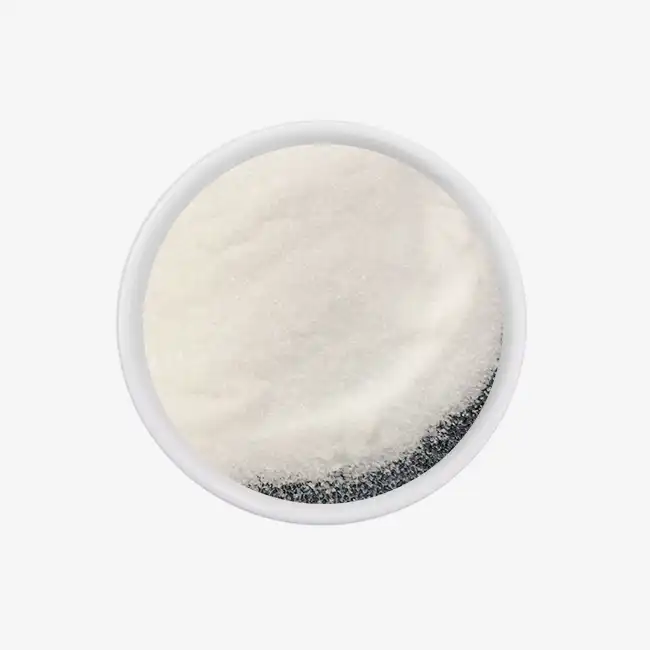
Understanding Potassium Acetate Deicing Residues and Their Biodegradability
The Chemical Foundation of Biodegradability
There is a simple acetate anion and a potassium cation in the white solid structure of potassium acetate. When applied to frozen surfaces, the compound dissolves easily in water, acid, and alcohol. This creates an exothermic process that melts ice faster, even when the temperature drops to -30°C. This particular compound is used in flight, infrastructure, and industry. Its molecular weight is 98.14 and its CAS number is 127-08-2.
Chemical breakdown and biodegradability are very different. While some deicers just break down into smaller particles that stay in the environment, true biodegradation involves microorganisms breaking down the material into harmless byproducts. In dirt and water, acetate ions provide carbon and energy for bacterial communities that live naturally there. Environmental engineering journals have released research that shows acetate-based deicers completely mineralize, turning any organic matter they contain into carbon dioxide within 14 to 28 days when aerobic conditions are met.
Microbial Pathways and Environmental Fate
Through the tricarboxylic acid cycle, soil bacteria, especially heterotrophs that live near roads, quickly break down acetate. The potassium part mixes with the cation exchange capacity of the earth and becomes available for plants to take up instead of staying as a pollutant. Studies that keep an eye on groundwater near treated roads show that acetate levels drop back to normal within three to six weeks, which is a lot faster than the years-long endurance seen with chloride compounds.
When the right application rates are used, the cellular oxygen demand that comes with breaking down acetate can still be handled. Potassium acetate degradation pathways cause less environmental stress than urea-based deicers, which release ammonia and add to eutrophication. This trait is especially useful for buildings that are close to watersheds, protected environments, or LEED-certified buildings that have to follow strict environmental rules.
Environmental and Safety Implications of Potassium Acetate Residues
Ecosystem Interactions and Aquatic Health
Runoff from deicing processes always ends up in water and soil systems, so the environmental impact of residues is an important thing to think about when buying something. Some other chemicals, like magnesium chloride or calcium chloride, are much more harmful to water life than potassium acetate. Toxicology tests on animals that live in fresh water show that acetate-based formulations don't hurt fish, amphibians, or invertebrates much at normal environmental amounts.
Another important benefit is that plants can handle more damage. Plants along the road that are exposed to chloride salts often get leaf burn, slow growth, and eventually die. Potassium, on the other hand, is an important macronutrient, and plants are not likely to be hurt by deicing solid potassium acetate exposure. Landscape managers at airports and highway corridors say that moving from rock salt to acetate-based solutions has led to healthier vegetation lines. This has cut down on replacement costs and kept up aesthetic standards.
Regulatory Compliance and Certification Standards
Making responsible choices about procurement starts with knowing the rules that apply. The aerospace industry counts on the SAE AMS 1431 specifications, which set safety and performance standards for deicers used on runways. To make sure aircraft safety, products that meet this approval go through strict corrosion tests on alloys made of aluminum, steel, and magnesium. The ways that Zhaoyi Chemical makes things are in line with ISO 9001, ISO 14001, and ISO 45001 standards. This shows that they are serious about quality control and being good to the environment.
Safe handling techniques keep workers safe and make products work better. Keeping the hygroscopic crystals in dry, well-ventilated storage stops them from absorbing water, which could lead to caking. Keeping potassium acetate away from things that won't work with it and reducing package damage during transport are two ways to keep the product's purity. Personal protective equipment needs are still not as high as they are when working with corrosive chlorides, which lowers worries about occupational health.

Comparing Potassium Acetate with Other Deicing Agents: Biodegradability and Performance
Performance Benchmarking Against Common Alternatives
When choosing deicing agents, people who work in procurement have to think about a lot of things. Sodium acetate is also biodegradable, but it lowers the freezing point less than acetone, which makes it less useful in very cold weather. Potassium acetate has a theoretical limit of -60°C and a practical range of -30°C for its eutectic point, while sodium acetate solutions only hit about -18°C. This difference in temperature behavior is very important for northern climates and airports at high altitudes.
Calcium chloride and magnesium chloride are good for melting things quickly and cheaply, but they are bad for the environment. These chloride salts stay in ecosystems forever, building up in groundwater and rusting structures over time. Studies that figure out how much damage to infrastructure costs show that the damage caused by chloride to concrete and steel can be ten times or more the original cost savings from chemicals over the life of a structure. Non-corrosive options are especially good for parking decks, bridge decks, and historical sites.
Glycol-based deicers work very well and are used a lot in flight, but they cause some environmental problems. Even though glycols break down naturally, they cause a high biological oxygen demand that can be too much for receiving waters during times of melting snow. The acetate version is better for the environment because it breaks down quickly enough without threatening to deplete oxygen levels.
Solid Versus Liquid Formulation Considerations
There are different uses for both solid and liquid potassium acetate forms. Solid products work great for pre-treatment tasks and when they need to be in touch with a surface for a long time. The granular form can get through layers of ice, breaking the pavement's bond and making it easier to remove mechanically. Spreader calibration and coverage consistency are affected by the particle size distribution. Standardized sieve analysis is an important quality control measure because of this.
For anti-icing purposes, liquid products work quickly because stopping ice bonds from forming works better than removing them. Liquid deicers can be quickly spread over big areas with spray equipment, making it perfect for treating airport runways between flights. Once they are broken down, both forms go through the same biological processes, so the biodegradability advantage stays the same no matter what their original physical state is.
Procurement Considerations for Solid Potassium Acetate Deicing Products
Supplier Evaluation and Quality Assurance
By choosing dependable makers, you can keep your business running during the winter. Established makers with decades of experience know how to make sure that each batch is the same. Zhaoyi Chemical was established in 1988 and has been making acetate for more than thirty years. Their 27,000 square meter manufacturing buildings can make 150,000 tons of acetate every year. This scale meets the needs for large purchases while still meeting quality standards.
Quality standards go beyond simple cleanliness requirements. If the chloride level is less than 0.2%, the corrosion problems that acetate formulations try to avoid don't happen. A water-insoluble substance of less than 0.05% guarantees full dissolution and the best ice-melting performance. Limits on the amount of iron in the soil protect important building materials. For each shipment, buyers should ask for thorough certificates of analysis that list these parameters. This makes it possible to track and hold suppliers accountable.
Certifications prove that the way a product is made is correct and that it can be used in certain situations. Food-grade deicing solid potassium acetate has extra Kosher and Halal certifications, which is useful when deicing agents might come into touch with areas that process food or make medicines. Environmental management certifications show organized ways to reduce the effects of production, making sure that suppliers' actions match up with buyers' promises to being environmentally friendly.
Logistics and Supply Chain Management
When you buy in bulk from other countries, you have to coordinate the packaging, transportation, and shipping times. Standard packaging in 25 kg plastic woven bags makes it easier to handle by hand for smaller activities. For large-scale municipal and airport contracts, 1000 kg ton bags are the most efficient way to package. Custom packaging accommodations take into account special storage and material handling equipment.
Supply chain pressures are caused by seasonal demand, which smart buyers can plan for ahead of time. During busy deicing seasons, bulk orders often need 15-day lead times. This makes planning purchases in the fall very important. Having established connections with several shipping providers guarantees on-time delivery even during snowstorms that cause transportation networks to become sluggish. Because Zhaoyi Chemical works with international shipping companies, it can offer cheap freight rates and reliable delivery schedules all over the world.
The shelf life of a product and its performance qualities are both increased by proper storage. Because potassium acetate is hygroscopic, it needs to be kept below 65% relative humidity to keep it from caking. Unopened packages usually stay fully effective for 12 months, but it's a good idea to check older stock again before using it. These storage needs affect which warehouses are chosen and how often material is rotated.
Practical Application and Long-Term Use of Potassium Acetate Deicing Residues
Operational Best Practices for Industrial Settings
Application methodology dramatically influences both immediate effectiveness and long-term environmental outcomes. Calibrating spreader equipment ensures uniform distribution at recommended rates, typically ranging from 50 to 150 grams per square meter depending on ice thickness and temperature conditions. Under-application reduces effectiveness, while excessive use wastes resources and increases unnecessary environmental loading despite biodegradability advantages.
Temperature monitoring guides timing decisions. Potassium acetate maintains effectiveness down to -30°C, yet application during warming trends maximizes efficiency as melting naturally accelerates. Pre-treatment before precipitation events often proves more cost-effective than post-storm removal operations, preventing ice bond formation rather than breaking established accumulations. This proactive strategy reduces total chemical consumption while maintaining safety standards.
Site-specific adjustments account for variables like traffic volume, slope, sun exposure, and proximity to sensitive areas. High-traffic zones may require more frequent applications due to mechanical dispersion, while shaded areas demand higher initial application rates. Facilities near water bodies benefit from containment strategies that minimize runoff, such as berms or retention areas where biodegradation can occur before discharge.
Real-World Performance Documentation
Airport case studies provide compelling evidence of operational advantages. Major international airports transitioning from urea-based deicers to potassium acetate formulations report reduced aquatic toxicity in stormwater discharge while maintaining runway safety standards. Corrosion monitoring programs document extended service life for ground support equipment and aircraft components, translating environmental benefits into financial returns.
Highway bridge applications demonstrate infrastructure protection value. Transportation departments managing extensive bridge networks calculate that preventing chloride-induced concrete spalling and steel reinforcement corrosion justifies premium pricing for acetate products. Lifecycle cost analysis reveals that initial procurement expenses represent small fractions of avoided repair costs, making economic and environmental cases converge.
Industrial facility experiences highlight versatility across diverse applications. Manufacturing plants requiring safe pedestrian access, distribution centers maintaining loading dock operations, and commercial properties managing liability risks all report satisfaction with potassium acetate performance. The non-corrosive formulation protects expensive flooring materials, loading equipment, and vehicle fleets while supporting corporate sustainability reporting requirements.
Conclusion
The biodegradability of deicing solid potassium acetate buildups sets up this compound as a capable choice for organizations prioritizing both operational viability and natural stewardship. Common microbial debasement pathways proficiently metabolize acetic acid derivation components, whereas potassium particles contribute useful supplements or maybe than determined contaminants. This natural profile, combined with predominant low-temperature execution and non-corrosive properties, addresses basic obtainment criteria over flying, framework, and mechanical segments. Vital buyers advantage from assessing provider certifications, arranging obtainment timing, and executing application best hones that maximize esteem. As administrative weights and maintainability commitments escalating, acetate-based deicing arrangements position organizations ahead of compliance bends whereas securing basic winter operations.
FAQ
How quickly do potassium acetate deicing residues biodegrade in typical environments?
Under aerobic conditions with active microbial populations, acetate degradation typically completes within 14 to 28 days. Soil temperature, moisture content, and microbial diversity influence exact timelines, with warmer conditions accelerating breakdown. Cold winter soils slow biological activity, yet degradation resumes during spring thaws, preventing long-term accumulation.
Does biodegradability reduce effectiveness compared to persistent chloride salts?
Biodegradability relates to post-application environmental fate rather than immediate ice-melting performance. Potassium acetate delivers effective deicing action down to -30°C, often outperforming rock salt in extreme cold. The compound biodegrades after fulfilling its operational purpose, combining strong performance with environmental responsibility rather than trading one for the other.
What certifications should buyers verify when sourcing potassium acetate deicing products?
Quality-focused procurement should verify SAE AMS 1431 compliance for aviation applications, ISO 9001 for quality management systems, and ISO 14001 for environmental management. Food-grade applications require additional Kosher and Halal certifications. Requesting certificates of analysis documenting purity, chloride content, and corrosion test results protects against substandard products.
Partner with Zhaoyi Chemical for Sustainable Deicing Solutions
Procurement teams seeking a reliable deicing solid potassium acetate manufacturer will find Zhaoyi Chemical delivers the quality assurance and supply reliability essential for critical winter operations. Our 150,000-ton annual production capacity, backed by ISO certifications and over three decades of acetate manufacturing expertise, ensures consistent product specifications meeting SAE AMS 1431 standards. The facility's comprehensive quality control systems provide batch traceability and performance verification that procurement professionals depend on. We offer flexible packaging options including 25kg bags and 1000kg ton bags, paired with competitive international shipping arrangements that accommodate bulk order requirements. Environmental compliance, non-corrosive formulation, and proven biodegradability make our product the responsible choice for airports, municipalities, and industrial facilities worldwide. Contact our team at sxzy@sxzhaoyi.com to discuss your specific requirements, request technical data sheets, and receive customized quotations for deicing solid potassium acetate for sale. Visit zhaoyichemical.com to explore our complete acetate product line and discover how partnership with an established supplier strengthens your winter maintenance programs.
References
1. Transportation Research Board. "Environmental Impact Assessment of Acetate-Based Runway Deicers: Biodegradation Pathways and Aquatic Toxicity." National Academy of Sciences, 2019.
2. American Society for Testing and Materials. "Standard Specification for Non-Chloride Runway Deicing Agents: Performance and Environmental Criteria." ASTM International Standards, 2021.
3. Environmental Protection Agency. "Comparative Analysis of Deicing Chemical Persistence in Groundwater Systems." EPA Office of Water Publications, 2020.
4. Journal of Cold Regions Engineering. "Microbial Degradation Rates of Organic Deicing Compounds in Roadside Soils." American Society of Civil Engineers, Vol. 34, 2018.
5. International Civil Aviation Organization. "Airport Winter Operations: Environmental Management of Deicing Chemicals." ICAO Technical Documentation, 2022.
6. Concrete Research Institute. "Long-term Infrastructure Corrosion Effects: Chloride Versus Acetate-Based Deicing Agents." Infrastructure Durability Studies, 2020.

USER EVALUATE
Here is the customer's evaluation of us