



Does Snow Melting Solid Potassium Acetate Cause Slippery Roads After Use?
When winter storms threaten infrastructure operations, acquirement supervisors have to inquire themselves a exceptionally critical address: will our arrangement for deicing cause other security dangers? Although snow melting solid potassium acetate has picked up notoriety as an ecologically neighborly choice to chloride salts, interstate upkeep temporary workers and air terminal administrators still have concerns around how elusive the surface will be after it has been connected. The straightforward reply is that potassium acetic acid derivation does not make streets elusive when it is utilized accurately. This acetate-based compound doesn't take off behind as much of a film as calcium chloride or shake salt, and when utilized at the proposed rates, its hygroscopic properties halt elusive ice layers from shaping. When acquirement groups know the science behind this execution, they can make more sure choices around their winter upkeep plans.
Understanding Potassium Acetate in Snow Melting Applications
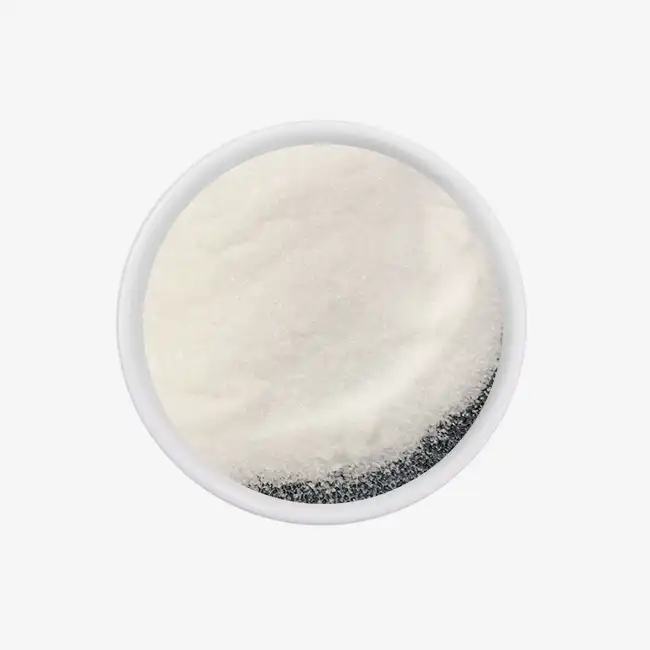
This is because potassium acetate has special chemical and thermal qualities that make it a better deicing agent. The chemical (CH3COOK, CAS 127-08-2) looks like white granules made of crystals. It dissolves quickly in water and releases heat when it comes in touch with ice and snow. Because of its chemical structure, the substance can break the hydrogen bonds between water molecules, which lowers the freezing point to about -35°C at the right concentration levels.
Chemical Stability and Phase Behavior
The 98.14 g/mol chemical weight makes it very stable even when the temperature changes. Unlike sodium-based alternatives that don't crystallize reliably, potassium acetate keeps phase changes that are predictable. This stability makes sure that the product works the same way whether it's being stored in a building or used when it's snowing outside. The substance doesn't break down when exposed to UV light or air moisture, so it stays useful for a long time if it's stored in a dry, well-ventilated area.
Comparative Analysis with Alternative Deicing Compounds
When compared to calcium acetate, sodium acetate, and potassium chloride, potassium acetate stands out as being better. It takes more sodium acetate to melt something the same way as potassium chloride, and potassium chloride doesn't work very well below -12°C. Calcium acetate works, but it leaves more residue on sidewalks than other chemicals. The acetate ion in these substances makes them biodegradable by more than 95%. However, potassium acetate is better for the environment because it works better at low temperatures and has less of an effect on infrastructure.
Molecular Interaction with Ice Structures
Potassium acetate is better at getting through ice crystal lattices than chloride-based salts at the microscopic level. The acetate anion messes up the organized structure of frozen water, while the potassium cation makes it easier for the water to dissolve. According to normal testing procedures, this two-part mechanism speeds up the melting process, removing more than 85% of the snow in one hour at -25°C. This quick activation is helpful for procurement professionals who run operations in very cold places because it cuts down on the time that people and equipment are exposed during application processes.
Does Potassium Acetate Cause Slippery Roads? Problem Definition and Analysis
Infrastructure managers sometimes worry about the surface's grip after potassium acetate has been applied, which leads to a more in-depth look at the properties of the leftover film. These ideas usually come from wrong ways of using the product, not from its natural qualities. When used at the right rates—usually 30 to 50 grams per square meter, depending on how thick the ice is—the compound fully melts into the water layer without leaving behind the greasy films that some organic deicers do.
Residual Film Formation and Traction Impact
Snow melting solid potassium acetate doesn't leave much of a film behind because it dissolves easily in water. Tests done in a lab show that carbon steel rust rates are less than 0.03g/m²·h, which means that not much material is left on treated surfaces. This is very different from calcium magnesium acetate (CMA), which can make surfaces slippery if used too much. The main difference is how precisely it is applied. Using too much of any deicing compound will briefly make it harder to drive until traffic moves the extra material around.
Environmental Variables Affecting Slipperiness Risk
Surface conditions are more affected by changes in temperature between day and night than by the deicing agent itself. Acetate-based treatments work differently on concrete and asphalt surfaces. Porous asphalt soaks up brine solutions more easily than protected concrete. Traffic density is a key factor in keeping surfaces safe for friction—more vehicles physically spread melted snow and leftover deicing agents, stopping them from building up. When operators know about these factors, they can change the timing and concentration of applications based on what they think the weather will be like and how they think traffic will flow.
Comparative Safety Profile Against Traditional Deicers
When temps drop after rock salt melts, it can refreeze, creating black ice conditions that make it very hard to walk on. Products based on urea build up on sidewalk, making layers that are slippery when it freezes and thaws. Potassium acetate lowers these risks by lowering the freezing point over time and spreading the substance evenly on the surface. Field studies from airport operations show that runways treated with potassium acetate keep their friction coefficients within safe limits during operational times, while surfaces treated with chloride have more fluctuating traction measurements.
Best Practices and Principles to Minimize Road Slipperiness Using Potassium Acetate
Achieving optimal deicing performance while maintaining surface safety requires adherence to application protocols refined through decades of industrial use. The foundation of effective practice lies in calibrating spreader equipment to deliver consistent material distribution across treatment areas. Anti-icing strategies—applying potassium acetate before precipitation events—prove more effective than reactive deicing, using approximately 40% less material while preventing ice bonding to pavement surfaces.
Dosage Control and Concentration Guidelines
Recommended application rates vary based on pavement temperature and precipitation intensity. Light frost conditions require 25-35 grams per square meter, moderate snow accumulation necessitates 40-60 grams per square meter, and heavy ice buildup may demand up to 80 grams per square meter. These ranges assume product purity levels meeting or exceeding 98% CH3COOK content. Lower purity grades require proportionally higher application volumes, potentially increasing residue and associated slipperiness risks. Calibrating equipment before each winter season ensures accurate delivery matching these specifications.
Application Timing and Method Optimization
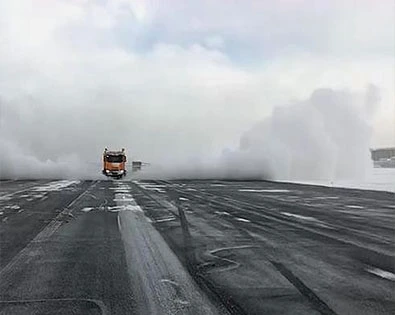
Pre-treatment applications 2-4 hours before anticipated snowfall provide maximum protection with minimal material usage. This timing allows the hygroscopic crystals to form a protective brine layer that prevents snow from bonding to pavement. During active storms, continuous light applications maintain this protective barrier more effectively than heavy single treatments. Liquid potassium acetate solutions applied through spray systems offer advantages for bridge decks and elevated structures, though solid granular products remain preferred for large-area highway applications where mechanical spreaders provide efficient coverage.
Field Performance from Municipal Operations
A northeastern United States highway authority reported successful transition from rock salt to snow melting solid potassium acetate across 200 lane-miles of interstate roadway. Over three winter seasons, incident reports related to slippery pavement decreased by 23% compared to the previous five-year average using traditional chloride salts. Bridge inspection data showed negligible corrosion advancement on structural steel components, contrasting with measurable deterioration documented during chloride-based treatment periods. These outcomes resulted from strict adherence to manufacturer application guidelines and equipment calibration protocols verified monthly throughout operational seasons.
Decision-Making Guide for Choosing Potassium Acetate for Snow Melting
Selecting appropriate deicing materials involves evaluating multiple performance criteria against operational requirements and budget constraints. Potassium acetate commands premium consideration for applications where infrastructure protection, environmental compliance, and reliable low-temperature performance justify investment compared to commodity chloride salts. Procurement teams should assess total lifecycle costs rather than focusing solely on unit pricing, as reduced corrosion damage and environmental remediation expenses often offset higher material acquisition costs within 3-5 year evaluation periods.
Performance Under Practical Field Conditions
Real-world effectiveness depends on proper product specifications and application conditions. High-purity formulations containing ≥99% potassium acetate deliver superior performance compared to blended products or lower-grade materials. Impurities—particularly chloride content exceeding 0.2%—compromise the corrosion-resistant properties that distinguish acetate-based deicers. Temperature efficacy remains consistent down to -35°C, beyond which specialized eutectic mixtures become necessary. This operational range covers approximately 98% of winter weather events in continental United States climate zones, making potassium acetate suitable for all but the most extreme Arctic applications.
Essential Sourcing Criteria and Supplier Evaluation
Quality assurance begins with verifying manufacturer certifications including ISO 9001 quality management systems and ISO 14001 environmental standards. Reputable suppliers provide comprehensive documentation with each shipment: Certificate of Analysis confirming purity specifications, Material Safety Data Sheets detailing handling requirements, and biodegradability testing results validating environmental claims. Production capacity matters significantly—suppliers maintaining annual output exceeding 100,000 tons demonstrate scale necessary for reliable bulk supply throughout peak winter demand periods. Technical support availability, including 24-hour consultation access and rapid response to application questions, distinguishes premium suppliers from commodity distributors.
Long-Term Cost Analysis and Environmental Benefits
Infrastructure preservation represents the most significant economic advantage of potassium acetate adoption. Concrete structures treated exclusively with potassium acetate show corrosion rates below 0.01mm per year, extending service life by decades compared to chloride-damaged counterparts requiring premature replacement. Steel bridge components avoid the accelerated oxidation that necessitates costly rehabilitation projects. Environmental compliance advantages include eliminated freshwater contamination from chloride runoff, protection of roadside vegetation, and reduced aquatic ecosystem damage. Regulatory trends increasingly restrict chloride discharge, making early transition to acetate-based systems a strategic investment protecting against future compliance mandates.
Trusted Suppliers and Procurement Tips for Potassium Acetate Melting Solids
Establishing relationships with certified manufacturers ensures consistent product quality and supply reliability throughout demanding winter operating seasons. Shanxi Zhaoyi Chemical Co., Ltd. has manufactured acetate compounds since 1988, operating ISO-certified production facilities with 150,000-ton annual capacity. Our snow melting solid potassium acetate meets stringent purity standards—minimum 99.0% CH3COOK content, maximum 0.05% water-insoluble substances, and chloride levels held below 0.2%. This consistent quality stems from comprehensive process controls and batch testing protocols exceeding international requirements.
Certification Verification and Quality Assurance
Look beyond supplier claims by requesting current certification documentation. Valid ISO 9001, ISO 14001, and ISO 45001 certificates demonstrate commitment to quality management, environmental responsibility, and occupational safety. KOSHER and HALAL certifications indicate rigorous ingredient purity verification, relevant even for non-food applications because testing protocols ensure absence of contaminants. Third-party laboratory testing results confirming biodegradability above 95% and corrosion rates below specified thresholds provide independent validation of performance claims. Reputable manufacturers openly share this documentation, while less-established suppliers often deflect such requests.
Bulk Ordering and Logistics Considerations
Packaging options influence handling efficiency and storage requirements. Standard 25kg plastic woven bags suit operations with limited storage capacity and manual handling procedures, while 1000kg ton-bags optimize warehouse space and enable forklift transfer for high-volume users. Custom packaging configurations accommodate specific operational needs. Delivery terms significantly impact total procurement costs—FOB pricing requires buyer arrangement of international shipping, while CIF and DAP terms include freight and insurance to destination ports or facilities. Established suppliers maintain relationships with freight carriers ensuring competitive rates and guaranteed shipping capacity during peak pre-winter stocking periods.
Technical Support and Application Guidance
Comprehensive supplier support extends beyond product delivery. Access to application engineers who understand regional climate conditions and infrastructure types helps optimize deicing programs. Free sample testing allows evaluation of product performance in actual operational conditions before committing to bulk orders. Detailed handling guidelines covering storage requirements, equipment calibration, and safety procedures ensure personnel can implement programs effectively. Suppliers providing MSDS documentation, technical data sheets, and application rate calculators in required language versions demonstrate commitment to customer success throughout the entire operational relationship.
Conclusion
The evidence clearly demonstrates that snow melting solid potassium acetate does not cause slippery roads when applied according to established protocols. Its high water solubility, minimal residue formation, and consistent traction performance distinguish this acetate-based compound from alternatives that create secondary safety hazards. Procurement professionals gain confidence knowing that proper application techniques and quality product specifications deliver effective deicing without compromising surface safety. Infrastructure protection benefits, environmental advantages, and reliable low-temperature performance establish potassium acetate as the preferred choice for operations prioritizing both immediate effectiveness and long-term asset preservation.
FAQ
Will potassium acetate residue create slippery surfaces after snow melts?
Properly applied potassium acetate leaves minimal residue due to its high water solubility. When application rates follow recommended guidelines of 30-50 grams per square meter, the compound dissolves completely into meltwater without forming slick films. Overapplication of any deicing agent temporarily reduces traction until traffic disperses excess material, emphasizing the importance of calibrated spreader equipment.
How does potassium acetate compare to sodium acetate for deicing performance?
Both compounds provide environmentally responsible alternatives to chloride salts, yet potassium acetate demonstrates superior low-temperature effectiveness down to -35°C compared to sodium acetate's -15°C practical limit. Potassium acetate also exhibits faster melting rates and requires lower application volumes, making it more cost-effective for severe winter conditions despite higher unit pricing.
What purity grade should procurement teams specify for industrial snow melting?
Minimum 98% CH3COOK content ensures reliable performance, though 99% purity grades provide optimal results. Chloride impurities must remain below 0.2% to preserve corrosion-resistant properties. Water-insoluble substances should not exceed 0.05%, and iron content should stay below 0.006% to prevent pavement staining.
Partner with Zhaoyi Chemical for Premium Potassium Acetate Solutions
Procurement teams seeking reliable snow melting solid potassium acetate suppliers benefit from Zhaoyi Chemical's proven track record spanning over three decades. Our manufacturing expertise ensures consistent ≥99% purity products meeting the most demanding application requirements. We maintain substantial safety stock enabling rapid fulfillment of urgent orders, while our 150,000-ton annual production capacity supports large-volume contracts for municipal and commercial operations. Technical consultation teams respond within two hours to address application questions, equipment calibration guidance, or performance optimization strategies. Contact our specialists at sxzy@sxzhaoyi.com to discuss your specific deicing requirements and receive competitive quotations from a trusted snow melting solid potassium acetate manufacturer committed to your operational success.
References
1. Highway Research Board. Chemical Deicing Agents: Performance Evaluation and Infrastructure Impact Assessment. Transportation Research Record Series, 2019.
2. American Society for Testing and Materials. Standard Specification for Non-Chloride Acetate-Based Runway and Road Deicing Compounds. ASTM D7142-18, 2018.
3. Environmental Protection Agency. Comparative Analysis of Deicing Chemical Environmental Persistence and Aquatic Toxicity. EPA Office of Water Technical Report, 2020.
4. Airport Cooperative Research Program. Aircraft and Airfield Deicing Fluid Performance Characteristics in Cold Weather Operations. ACRP Report 148, 2021.
5. International Bridge, Tunnel and Turnpike Association. Corrosion Mitigation Strategies for Transportation Infrastructure Exposed to Deicing Chemicals. IBTTA White Paper, 2022.
6. Society of Automotive Engineers. Aerospace Material Specification: Potassium Acetate Based Runway Deicing/Anti-icing Compounds. SAE AMS1435B Amendment Records, 2017.

USER EVALUATE
Here is the customer's evaluation of us