



Deicing Liquid Potassium Acetate: Essential for High-Traffic Areas
When winter storms make it impossible for airports, roads, and bridges to stay open, infrastructure managers have a very difficult job: they have to keep everyone safe without sacrificing the long-term durability of assets or their duty to the environment. Deicing liquid potassium acetate appears as a game-changing solution, capable of melting ice at very high temperatures while shielding critical infrastructure from rusting. Instead of chloride-based salts, which speed up the breakdown of metals and concrete, this acetate-based mixture lets ice through quickly down to -60°C while biodegrading naturally without toxic waste. Professionals in procurement who are looking for reliable winter maintenance solutions find that this non-corrosive deicing liquid potassium acetate meets both the needs of operational safety and long-term infrastructure management. This makes it an essential product for high-traffic areas where downtime has big economic and safety impacts.
Understanding Potassium Acetate Deicing Liquid
The molecular structure of this advanced deicer gives it its chemical base. Deicing liquid potassium acetate, whose formula is CH₃COOK and CAS number is 127-08-2, is a strong substance that lowers the freezing point and stops ice crystals from forming at the molecular level. This clear, slightly acidic liquid stays concentrated between 50 and 60% in commercial versions, reaching a specific gravity of 1.25 to 1.30 that makes it easier to get through snow and ice. The solution's buffered pH range of 7.5–9.2 stops the acidity spikes that happen with other acetate formulations. It also keeps the compatibility of materials like airplane metals, concrete support, and bridge parts.
Chemical Properties and Ice Melting Mechanism
Deicing liquid potassium acetate solutions have great performance qualities because they behave like eutectic solutions. Once the right amounts are used, the freezing point drops to -60°C, which is a lot lower than with other glycol-based goods. When applied to areas covered in ice, the acetate ions stop water molecules from hydrogen bonding, which stops the formation of a solid structure. Even when it's very cold outside, this system works well, keeping the fluidity that lets mechanical removal tools work well. The low viscosity makes sure that the coating spreads evenly across the ground, making a thin layer that keeps ice from sticking while letting water drain naturally as temperatures change.
Application Methods for High-Traffic Environments
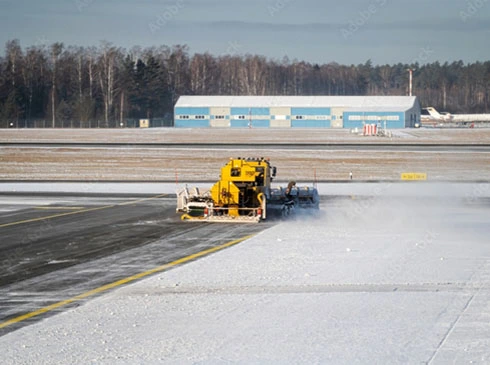
Different deployment methods are used for different types of equipment and weather. A lot of the time, airport landing operations use truck spray systems to apply anti-icing treatments before a storm, which creates a chemical barrier before it starts to rain. Fixed Automated Spray Technology (FAST) systems help bridge structures because they can sense temperature and wetness levels and apply the right amount of material without any help from a person. Contractors working on highways use special spreader equipment that is set for spreading liquid. They focus on trouble spots like elevated parts, overpasses, and shaded curves where ice buildup poses the highest risks. Application rates are usually between 30 and 60 gallons per lane mile, but they depend on the temperature of the surface, the amount of rain expected, and the amount of traffic that is expected during the weather event.
Environmental Impact and Safety Profile
When the government contracts with businesses, environmental concerns are becoming more and more important. More than 90% of deicing liquid potassium acetate breaks down in normal testing procedures into potassium ions and acetic acid, which are then harmlessly absorbed by the soil. Acetate formulations are less harmful to water than urea-based options, which add a lot of Biological Oxygen Demand (BOD) to the water. Studies on plant tolerance show that phytotoxicity is much lower than with chloride salts. This means that gardening investments along the roads will be safe. Because it doesn't corrode, there are no worries about heavy metals leaching into groundwater, which is important for meeting the requirements of stricter environmental protection laws. Safety data shows that there are minimal risks of skin irritation and inhalation, which makes worker safety measures easier to follow during application operations.
Comparing Potassium Acetate with Other Deicing Solutions
When choosing winter cleaning chemicals, budgets for infrastructure upkeep require a careful cost-benefit analysis. When procurement teams know how the different choices work, they can make the best decisions for both short-term operations and long-term asset preservation. The next comparison looks at deicing liquid potassium acetate against common options using a number of important evaluation factors.
Performance Under Diverse Climatic Conditions
When calcium chloride dissolves, it quickly releases heat, which makes melting happen right away, which is useful in emergency situations. But it stops working very well below -25°C, which leaves important infrastructure open to damage during polar vortex events. While magnesium acetate has some rust protection, it loses some of its effectiveness below -15°C, which makes it less useful in northern climates. Glycol-based deicers stay flexible at very high temperatures, but they need much larger amounts to work on the same amount of ice, which raises the cost of the materials and puts more stress on the environment. Deicing liquid potassium acetate works the same way in all temperatures that are common in North America. This means that it can be relied on to give solid results whether it's normal winter conditions or extreme cold weather events.
Corrosion Potential and Infrastructure Compatibility
The secret costs of infrastructure damage often go beyond the direct costs of buying chemicals. According to transportation research studies, chloride-based treatments shorten the useful life of reinforced concrete buildings by 30 to 40 percent. Aluminum alloy pitting and cadmium coating decay are reported by aircraft owners as a result of chloride exposure. This leads to expensive inspection routines and early component replacement. Authorities on the bridge have found that salt getting into the concrete through freeze-thaw cycles is directly responsible for the concrete breaking apart and the rebar being exposed. Deicing liquid potassium acetate mixtures show corrosion rates on carbon steel surfaces that are less than 0.03g/m²·h, which is more than 85% lower than calcium chloride. Testing for concrete compatibility shows degradation rates of less than 0.01 mm per year, which protects the structure's stability and increases the service life of infrastructure. These benefits of material compatibility directly lead to lower care costs and longer periods between asset replacements.
Operational Cost Efficiency and Long-Term Value
Total lifespan economics are another important thing to think about when buying in bulk besides unit price. Acetate-based goods cost more to buy than regular rock salt, but the picture changes a lot when you consider how often they are used, how much damage they prevent from rusting, and how much it costs to clean up the environment. Lower application rates—usually 30 to 50 percent less material volume per treatment—allow higher per-gallon costs to be balanced out by lower costs for storage, handling, and delivery. When infrastructure owners switch from chloride programs to deicing liquid potassium acetate routines, maintenance costs drop by 20 to 35 percent a year. This is mostly because they don't have to do as many concrete repairs and can wait longer between resurfacing the sidewalk. Environmental compliance perks include not having to pay for changes to stormwater treatment and not having to pay for programs to replace plants.
Procurement Considerations for Potassium Acetate Deicing Liquid
To find good liquid deicing options, you need to pay attention to what the provider can do, what the product needs to be, and how the logistics work. People who work in procurement can do their jobs better if they understand how factories work and the quality control rules that set premium chemical sellers apart from commodity chemical vendors.
Supplier Reliability and Manufacturing Standards
The production quality that is needed for mission-critical infrastructure uses is shown by Shanxi Zhaoyi Chemical Co., Ltd. Zhaoyi was founded in 1988 and has been making acetate for more than 30 years. They run a 27,000-square-meter factory that can make 150,000 tons of acetate every year. The company's ISO 9001, ISO 14001, and ISO 45001 approvals show that it is dedicated to safety at work, quality management, and protecting the environment. KOSHER and HALAL approvals add to the proof that the process is controlled and the ingredients are pure. Each batch of products goes through a series of thorough tests that make sure the quantity is correct, check for contaminants, and prove the product's performance qualities. Traceability systems make it possible to keep full records from the time the raw materials are sourced until the finished product is delivered. This helps with quality control and legal standards.
Documentation and Regulatory Compliance
For business-to-business (B2B) purchases, full technical paperwork is needed to help buyers make smart choices. Safety Data Sheets (SDS) are needed by transportation laws to include important information about how to communicate hazards, how to store them, and what to do in an emergency. Technical specification sheets list the chemical make-up, physical features, and performance factors of a product. This helps engineers make sure it is right for a certain job. Certificates of analysis show test results for a particular batch and show that they are within the limits set by the standard. Quality assurance statements check the controls and checking steps used in the production process. Environmental approvals show that the product has been tested for biodegradability and marine toxicity. Zhaoyi Chemical offers complete documentation packages that help with the approval process for purchases, regulatory submissions, and operating safety procedures.
Logistics and Packaging Solutions
Distribution effectiveness affects both the total cost of delivery and the ease of doing business. Standard packing choices include 1000-liter IBC totes that can be directly connected to application equipment and flexitank setups that make it possible to ship containers cheaply for international sales. Custom packaging solutions work with the handling tools and storing systems that the customer already has. Minimum order amounts show how efficiently the product is made while also making sure that fresh products are delivered within the best conditions for shelf life. Lead times for normal formulations are usually between 5 and 7 working days, but there are faster choices for emergency weather action situations. Strategic relationships with international freight companies promise competitive shipping rates and room allocation during winter demand high points. This protects supply continuity when working needs rise.
Optimizing the Use of Potassium Acetate in High-Traffic Areas
To get the best return on investment, best practices must be used throughout the application process. Compatibility of equipment, dosage optimization, and proper keeping practices have a big impact on how well operations run and how much they cost.
Equipment Compatibility and Application Techniques
Modern spray technology places chemicals precisely while reducing waste. Tanker spray systems with computerized flow controls change application rates automatically based on the speed of the car. This keeps covering uniform over uneven ground. Boom lengths of 20 to 40 feet make it possible to treat multi-lane roads and airport taxiways quickly and effectively. Choosing the right nozzle affects the size and spread of the droplets. For preventative deicing applications, fan spray setups provide even coverage. Automated bridge spraying systems use temperature sensors and moisture indicators to start application cycles based on real icing conditions instead of set times. This cuts down on chemicals that aren't needed and protects during important formation windows. All stainless steel and high-density polyethylene parts work well with acetate formulas, so there are no worries about corrosion like there are with tools used with chloride-based goods.
Storage Guidelines and Product Stability
Proper keeping keeps products working well for longer amounts of time. Facilities should have dry, well-ventilated areas that are out of direct sunlight and away from high temperatures. Storage tanks and barrels made of HDPE or stainless steel keep chemicals from getting contaminated and stay stable. When kept properly, deicing liquid potassium acetate liquids stay chemically stable for a very long time. Monitoring the temperature makes sure that storage conditions stay within the acceptable range. This keeps the fluid's density stable so that pumping operations run smoothly. Separating from materials that don't work well together, like strong oxidizers and volatile metals, keeps things from getting contaminated by mistake. Labeling and rotating goods correctly helps with quality control and makes it easier to follow rules for storing dangerous materials.
Performance Validation and Case Studies
Implementation results in the real world give people faith in buying choices. A major airport authority on the East Coast said that since switching to deicing liquid potassium acetate anti-icing measures, the length of time that runways had to be closed during winter storms had been cut by 40%. This meant that no more flight cancellations and better operating continuity. A transportation department in a Midwest state saw a 25% drop in winter maintenance costs over the course of three years. This was due to fewer application calls and fewer emergency reaction calls. Managers of bridges in mountain areas say that the structures will last longer because chloride-induced concrete breakdown has been stopped. This means that expensive repair projects can be put off for 15 to 20 years. These documented results show that premium deicing solutions offer measurable operational gains and lifecycle cost benefits that make the higher original investment costs worth it.
Making the Right Decision: Is Potassium Acetate the Best Choice?
When planning winter repair programs, infrastructure managers take a number of things into account. Environmental rules, the need to protect assets, practical safety standards, and limited funds all play a role in choosing which chemicals to use. Deicing liquid potassium acetate work really well in situations where sensitive infrastructure needs formulas that don't corrode. The non-corrosive qualities are very important to airport officials who need to protect expensive planes and special ground surfaces. Acetate adoption helps bridge owners who are taking care of old concrete buildings that are prone to chloride-accelerated decline get more service life from their bridges. Highway agencies that work in areas that are sensitive to the environment have to follow the rules about how much water they can release while keeping the roads safe. As people become more concerned about taking care of the environment, recyclable materials help organizations show their dedication to running in a way that is good for the environment. New innovations keep making deicer technology better. Better rust inhibitor kits lower the already small effects on the material even more. Colorant ingredients let you see how well the application covered the surface, which helps with quality control and stops waste from too much application. Concentrated versions cut down on the space needed for storing and the cost of shipping. As long as these changes keep happening, acetate-based solutions will be the best way to maintain infrastructure in a way that doesn't harm the environment. This means that buying them will be a good idea for long-term use.
Conclusion
Deicing liquid potassium acetate is a clever solution to the difficult problems that people who work on maintaining infrastructure have to deal with. Its ability to work well in extreme temperatures, work with existing systems, and be environmentally friendly are all important factors that go into current procurement choices. The chemical qualities make it work reliably in a wide range of weather situations and keep valuable things from rusting. Detailed records, dependable supply lines, and operational results that have been shown to work all help buyers feel confidence in their choices. As rules get stricter and protecting infrastructure becomes more important, acetate-based deicing options set businesses up for long-term operational success during winter repair programs.
FAQ
What concentration should I specify when ordering liquid potassium acetate deicer?
Standard commercial versions have between 50 and 60% deicing liquid potassium acetate by weight, which is the best mix between lowering the freezing point and making the substance easy to handle. The flow stays the same at working temperatures in this concentration range, and it melts ice well. Lower concentrations may freeze while being stored or shipped, and higher concentrations don't improve performance much but cost a lot more. The 50–60% guideline has become the norm in the industry thanks to a lot of testing in the field in a wide range of climates and use cases.
How does storage temperature affect product shelf life?
When kept properly, deicing liquid potassium acetate liquids stay chemically stable for a very long time. The product does not break down when the temperature changes or when it is stored for a long time. Freezing temperatures can damage wrapping materials, so containers should be kept away from them. However, the chemical itself can go through freeze-thaw cycles without losing its effectiveness. Ventilated storage keeps wetness from building up, which could lower the content of the product. With proper storage, you don't have to worry about yearly product obsolescence that can happen with other chemical deicers.
What safety equipment do workers need during application operations?
Chemical-resistant gloves, safety glasses, and protective clothes that keeps skin from coming into touch with chemicals for long periods of time are all standard personal protective equipment. Because it is mildly alkaline, eye protection is the most important safety measure. Due to the low air pressure, you don't need to wear respiratory protection when working outside. In places where chemicals are handled, there should be emergency eyewash units. Compared to more dangerous deicing options, the good safety profile makes training workers easier and operations simpler.
Partner with Zhaoyi Chemical for Reliable Deicing Liquid Potassium Acetate Supply
When you need to protect your infrastructure, Zhaoyi Chemical has enterprise-grade deicing liquid potassium acetate that is made to exact specs. We have been a reliable potassium acetate source for over thirty years, and our quality is always the same because we have all the necessary certifications and test methods in place. Our yearly capacity of 150,000 tons makes sure that there is a steady supply during the busiest winter months. Our transportation services allow for smooth delivery that fits your working schedule, whether you need 1000L IBC totes for city operations or flexitank shipments for regional distribution. You can email our technical team at sxzy@sxzhaoyi.com to talk about your specific needs, get access to full product documentation, and look into making formulations that are specifically made for your application setting. Feel the peace of mind that comes from working with a company that cares about quality, the environment, and customer satisfaction.
References
American Concrete Pavement Association. (2019). Effects of Deicing Chemicals on Pavement Infrastructure: A Comparative Analysis. Technical Report Series.
Federal Aviation Administration. (2021). Airport Winter Safety and Operations: Advisory Circular 150/5200-30D. U.S. Department of Transportation.
National Cooperative Highway Research Program. (2020). Environmental and Economic Assessment of Deicing Materials. Transportation Research Board Synthesis Report.
Society of Automotive Engineers. (2018). SAE AMS 1435: Fluid, Generic, Deicing/Anti-Icing Runways and Taxiways. Aerospace Material Specification Standards.
Transportation Research Board. (2022). Sustainable Winter Road Operations: Best Practices and Emerging Technologies. Strategic Highway Research Program Documentation.
U.S. Environmental Protection Agency. (2020). Best Management Practices for Winter Maintenance Operations: Protecting Water Quality and Infrastructure. Nonpoint Source Pollution Technical Guidance.

USER EVALUATE
Here is the customer's evaluation of us