



Improve Road Safety with Snow Melting Liquid Potassium Acetate
Winter road upkeep is still one of the hardest things for infrastructure managers all over North America to do. Every year, cities and highway companies spend a lot of money to keep roads clear of ice and snow so that drivers and walkers are safe. Snow melting liquid potassium acetate has become a revolutionary solution that overcomes the drawbacks of conventional chloride-based agents and performs admirably in subfreezing temperatures. This premium de-icing formula is both environmentally friendly and highly effective, which is why it is the first choice for airports, bridge authorities, and business properties that must protect their assets and keep people safe.

Understanding Liquid Potassium Acetate and Its Properties
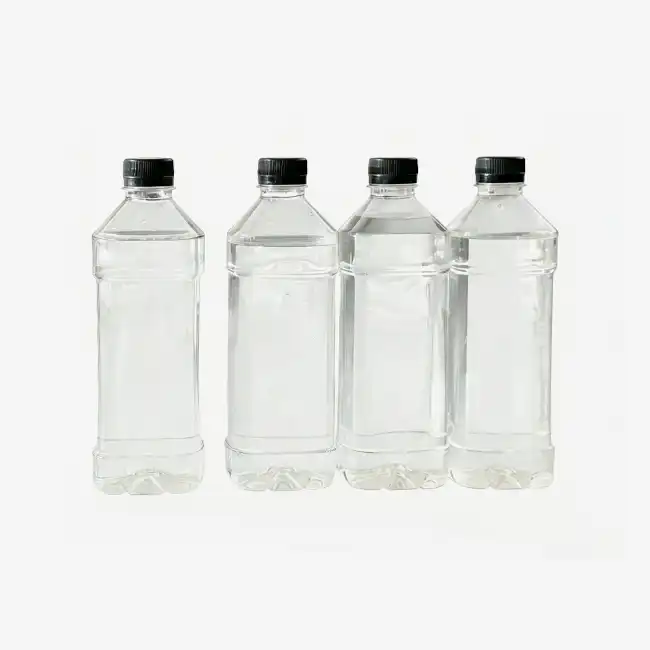
Potassium acetate (CH3COOK, CAS NO. 127-08-2) is very different from common rock salt or calcium chloride goods because of its chemical make-up. This clear, white liquid has a molecular weight of 98.14 and is slightly acidic, which helps it stop ice from forming.
Physical Characteristics That Matter
Liquid de-icers based on acetate stay fluid at temperatures where solid de-icers stop working. The 50–60% concentration mixture lowers the freezing point to -35°C (-31°F), which lets it keep working during harsh winter storms. Unlike granular goods that need time to dissolve, liquid applications make direct touch with the pavement, which speeds up the melting process by a large amount. Municipal workers say that the snow melts more than 85% of the time in just one hour at -25°C, which is a lot faster than using regular chloride salts in the same conditions.
Chemical Stability and Non-Corrosive Nature
Quality potassium acetate solutions have a corrosion rate of 0.033g/m²·h on carbon steel, which is a huge improvement over sodium chloride, which can oxidize rebar and structural steel and damage them. This great compatibility between materials saves the strength of concrete, the finish on aluminum surfaces, and the paint on cars and other equipment. After switching from chloride-based programs to other types, highway departments have seen a clear drop in damage to bridge decks and vehicle undercarriages.
Safety Standards and Handling Requirements
For proper storage, buildings need to be dry, well-ventilated, and away from sources of heat and wetness. The product is shipped in either 1000L IBC tanks or flexibags, which are both made to be safe for shipping and easy to handle at the application site. Keeping things separate from things that don't go together during keeping lowers the risk of contamination. The biodegradability rate is higher than 95%, which means that the environmental persistence issues that come up with some synthetic de-icers don't happen with acetate formulas.
How Liquid Potassium Acetate Enhances Road Safety in Winter Conditions
For de-icing to work, it takes more than just lowering the temperature below freezing. By understanding the basic rules of thermodynamics, you can see why acetate solutions work better than other options in safety-critical situations.
Scientific Principles Behind Freezing Point Depression
Potassium acetate breaks down into potassium and acetate ions when it melts. These ions stop water molecules from arranging themselves into crystalline ice forms. This trait depends on how many dissolved particles there are, not on what kind of particles they are. As it stands, the acetate version reaches eutectic concentration at about -60°C in the lab. However, in the field, it works best at -35°C, where the 50–60% solution stays completely fluid and reacting.
Real-World Performance in Extreme Cold
Operating an airport is the most difficult place to test de-icing goods. Runway safety gaps allow for no compromise, and standards for airplane compatibility rule out many chemical choices. Aluminum airframes, landing gear hydraulics, and brake systems are protected from corrosive attack by snow melting liquid potassium acetate, which meets AMS 1435 flight standards. After using acetate-based runway treatment programs, major international airports have seen shorter times for planes to land and take off, as well as better operating stability during winter weather events.
Infrastructure Protection and Accident Reduction
Bridge deck uses show how successful ice control and structural protection can work together. Automated spray systems that are connected to weather monitors apply the right amount of water before the ice forms, which stops the dangerous conditions that cause multiple car accidents. Long-term studies by state transportation offices have shown that winter accident rates are statistically significantly lower on treated bridge parts compared to nearby roads that use regular salt. In addition to instant safety gains, the economic value includes lower maintenance costs and longer infrastructure service life.
Selecting the Right Snow Melting Agent: Why Liquid Potassium Acetate Stands Out
When planning winter maintenance plans, procurement workers have a lot of choices, and each one has its own pros and cons.
Comparative Analysis of De-icing Technologies
Sodium chloride is still the cheapest way to use road salt for simple tasks, but it has big hidden costs because it eats away at steel and pavement so quickly. Calcium chloride works better at lower temperatures, but it leaves behind waste that hurts plants and pollutes waterways. Even though magnesium chloride is somewhat good for the earth, it still has chlorides in it that speed up the breakdown of metals. While urea-based goods don't contain chloride, they do add nitrogen to the water, which causes algal blooms in sensitive areas.
Potassium acetate gets rid of these problems. The chloride level requirement of ≤0.01% means that the main corrosion trigger is not present. The low levels of heavy metals (less than 0.01% lead and less than 0.0004% arsenic) meet the toughest environmental guidelines. The pH range of 7.5 to 9.2 means that the chemistry is almost normal, which means that it won't damage the concrete or the plants nearby.
Climate Compatibility and Application Scale
Geographical factors have a big effect on the choice of products. Places where it stays below -20°C all the time need the better cold-weather performance that only acetate versions regularly offer. The liquid form works perfectly with Fixed Automated Spray Technology (FAST) systems that are used on important bridge structures where human application isn't possible or is too risky. Acetate solutions are chosen by commercial properties like hospital campuses, university grounds, and corporate offices to protect architectural elements, keep landscaping investments safe, and keep pedestrians safe without worrying about environmental risk.
Technical Grade Specifications from Leading Suppliers
Different providers' quality levels have a direct effect on how well a job is done. Premium makers keep the iron content below 0.002% and the sulfate level below 0.05%. These limits keep the product from staining and make sure that the freezing point always drops. Professional-grade goods are different from regular ones because they go through strict quality control measures like purity testing, corrosion rate testing, and environmental effect evaluation. Certification based on ISO 9001, ISO 14001, and ISO 45001 standards is an objective way to check that quality control systems and production standards are being followed.
Procurement Guide for Liquid Potassium Acetate
To get solid sources of technical-grade liquid potassium acetate, you need to know more about how the market works and what suppliers can do than just compare prices.
Identifying Reputable Manufacturers and Distributors
More than thirty years of making acetate have given Shanxi Zhaoyi Chemical Co., Ltd. the industrial know-how to make acetate. With an annual capacity of 150,000 tons, there will always be enough supply, even when demand is high in the winter and spot markets get tight. The company's integrated production center keeps security stock that lets orders be filled quickly. For normal orders, wait times are usually between 5 and 7 working days. This supply chain reliability stops service interruptions that put people at risk when unexpected weather events cause inventory levels to rise above expectations.
Understanding Technical Specifications and Documentation
For professional purchases, product datasheets with lots of information like concentration ranges, impurity profiles, and performance factors are needed. Material Safety Data Sheets (MSDS) give important information about how to handle substances safely and what to do in an emergency. These sheets protect workers and make sure that safety rules are followed at work. Batch-specific certificates of analysis show that the results are consistent and can be tracked down if any questions come up during the application process. Suppliers who offer full expert help, including consultation within two hours of a question, show that they care about their customers' success in ways that go beyond business relationships.
Logistics and Regulatory Compliance
When chemical goods are shipped, they must follow certain rules set by the DOT and foreign shipping conventions. 1000L IBC tanks and flexibags are two types of packaging that can be used to meet different business needs and keep products safe during transport. People who buy in bulk can take advantage of specialized packing knowledge that makes the best use of containers and lowers per-unit costs without sacrificing safety. When you work with global shipping companies, you can get reasonable freight rates and reliable delivery schedules. This way, you don't have to send expensive rush packages when regular deliveries are late.
Best Practices for Using and Maintaining Liquid Potassium Acetate on Roads
To get the best results, you need to use the right application methods and make sure that the snow melting liquid potassium acetate's properties are compatible with the conditions of use.
Application Methods and Equipment Integration
Modern spray systems with precise nozzles spread liquid de-icers evenly across sidewalk surfaces, getting the most covering with the least amount of product. Calibration methods make sure that the dosage rates are correct for the weather and rainfall predictions. When applying anti-icing before a storm, lower application rates are needed than when de-icing is done after snow has piled up. Maintenance workers get training on how to use tools, how to judge the weather, and how to use timing methods that take advantage of the fast-acting features of liquid formulations.
Dosage Control and Environmental Stewardship
Chemicals should be managed in a way that combines how well they work with how they affect the world. The recommended application rate is between 20 and 60 gallons per lane mile, but this can change based on temperature, surface state, and amount of rain. When weather tracking systems are combined with application tools, they can be changed quickly as conditions change. This accuracy keeps people from applying too much, which loses resources and puts extra stress on the environment, while still making sure there is enough covering to meet safety goals.
Operational Safety Protocols
To keep workers safe during handling and application tasks, they need to wear the right safety gear, like gloves that can handle chemicals and eye protection. Maintenance plans for spray equipment keep it from breaking down mechanically, which could lead to spills or leaks that can't be managed. Plans for what to do in an emergency cover what could go wrong during storage, transport, or use. These organized safety measures keep people safe and show that the company is committed to managing chemicals in a way that meets the needs of regulators and the public.
Conclusion
Choosing de-icing options that have been shown to work and protect infrastructure investments that serve communities for decades is important for winter road safety. Snow melting liquid potassium acetate is the next step in de-icing technology, going beyond the limitations of conventional chloride salts and providing better cold-weather efficiency, dramatic corrosion reduction, and environmental responsibility. There are instant safety benefits from fewer accidents, and there are long-term economic benefits from putting off upkeep and making structures last longer. Procurement pros who look at total lifecycle costs instead of just the original buy amounts always see the value that acetate-based programs offer in a wide range of settings, from business properties to airport runways.
FAQ
What makes potassium acetate safer for infrastructure than traditional rock salt?
The almost-zero chloride level (≤0.01%) gets rid of the main thing that causes steel reinforcement and structure metals to rust. Sodium chloride in its natural form speeds up oxidation processes that break down rebar and concrete, needing costly fixes. Potassium acetate keeps the rate of corrosion on carbon steel below 0.03g/m²·h. This keeps bridges, parking buildings, and cars from breaking down and melts ice just as well or better than water.
How does liquid application compare to solid de-icing products?
With liquid formulas, there is no need for granular goods to dissolve first, so they can be used right away on pavement surfaces. Spray systems make sure even covering without the scatter loses that come with spreader tools because they use a uniform distribution. Liquid application works with automated systems that react to weather monitors, which lets anti-icing be done before dangerous situations happen instead of after they happen.
What storage conditions does the product require?
The goods need to be stored in warehouses that are dry, well-ventilated, and kept at stable temperatures, away from direct heat sources. The 1000L IBC tanks and flexibag packaging choices keep the quality of the goods safe while they are being stored and make operations easier to handle. Separating from substances that don't mix keeps things from getting contaminated. Using the right storage methods will keep the concentration between 50 and 60% and make sure that the product works the same way throughout its life.
Partner with Zhaoyi Chemical for Premium Snow Melting Solutions
Zhaoyi Chemical has all the answers that city governments, airport operators, and business property managers need to find reliable providers of snow melting liquid potassium acetate for melting snow. Our factory is certified by ISO 9001, ISO 14001, and ISO 45001, which means that the product is always the same and meets the strictest requirements. The expert support team gives advice on how to use the product, different formulation choices based on the temperature, and quick answers to operating questions. You can email our team at sxzy@sxzhaoyi.com to get more information about our acetate-based de-icing solutions, get reasonable quotes for bulk purchases, and talk about how they can help your winter maintenance program and protect your important infrastructure.
References
American Association of State Highway and Transportation Officials. Guidelines for the Selection of Snow and Ice Control Materials. Washington, D.C.: AASHTO Publications, 2020.
Fischel, Manfred. Evaluation of Selected Deicers Based on a Review of the Literature. Colorado Department of Transportation Research Branch, 2018.
Highway Research Board. Chemical Deicing Agents: Environmental and Infrastructure Effects. Transportation Research Record Series, National Academy of Sciences, 2019.
International Civil Aviation Organization. Airport Services Manual - Part 2: Pavement Surface Conditions. Montreal: ICAO Publishing, 2021.
National Research Council Canada. Comparative Performance of Non-Chloride Deicing Chemicals for Winter Road Maintenance. Ottawa: NRC Publications, 2019.
Transportation Research Board. Snow and Ice Control: Guidelines for Materials and Methods. NCHRP Report 577, Washington, D.C., 2022.

USER EVALUATE
Here is the customer's evaluation of us