



Deicing Liquid Potassium Acetate Keeps Airport Runways Safe During Snowstorms
When winter storms strike, airport operations face critical safety challenges. Deicing liquid potassium acetate (CAS NO.: 127-08-2) serves as a specialized chemical solution that prevents ice formation on runway surfaces by depressing the freezing point of water to temperatures as low as -60°C (-76°F). This non-chloride, acetate-based formulation creates a protective barrier between pavement and precipitation, maintaining essential friction coefficients necessary for safe aircraft takeoffs and landings during severe weather conditions. Understanding how this advanced anti-icing technology functions proves essential for infrastructure managers responsible for operational continuity during winter emergencies.
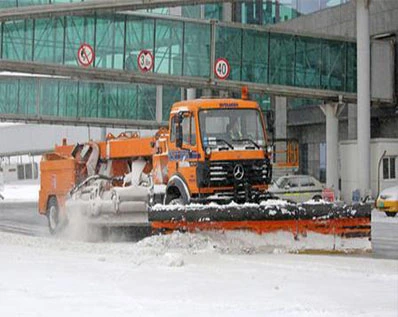
Understanding Potassium Acetate Deicing Liquid and Its Role in Airport Runway Safety
Chemical Composition and Core Functionality
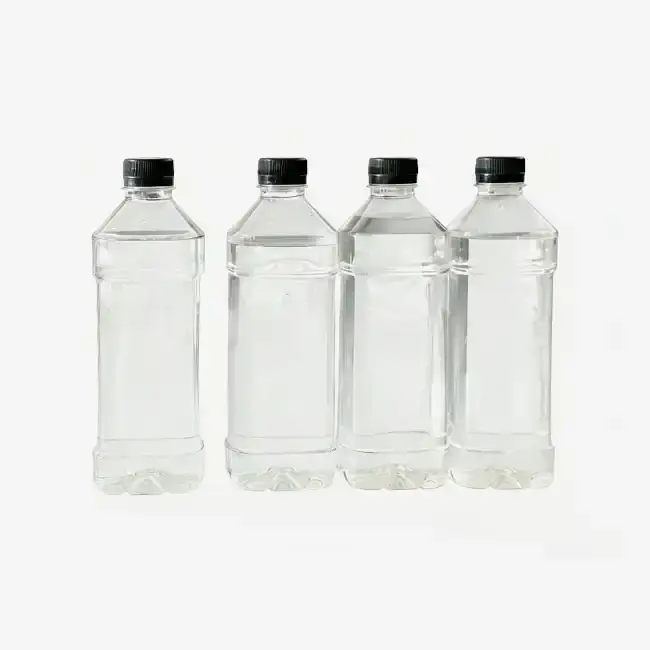
Potassium acetate solutions used at airports usually have 50–60% active ingredient concentration (CH₃COOK, CAS Number: 127-08-2) and are clear, colorless, and have a molecular weight of 98.14. Cryoscopic depression is how this carefully balanced formula works. It stops the molecular bonding process that turns water into ice crystals. When put on runways before it rains, it stops ice from sticking to the ground, which lets mechanical equipment remove the snow more easily without hurting the concrete or asphalt below.
The specific gravity of 1.25 to 1.30 makes sure that the solution gets under the snow and stops ice from forming at the sidewalk edge. Unlike regular rock salt, which needs warmer temperatures to work, this acetate-based technology stays effective during very cold spells, when flight operations depend on runway availability the most.
Physical Properties That Enhance Runway Safety
The pH range of 7.5 to 9.2 is the best for buffering, which keeps chemicals from breaking down sensitive airport infrastructure. To keep impurities to a minimum, the iron content stays below 0.002%, the arsenic content stays below 0.0004%, and the heavy metals (lead) content stays below 0.01%. These strict purity standards, which are backed by ISO 9001 quality management systems, make sure that the system works the same way in all kinds of weather and stop residue from building up, which could damage airplane brake systems or navigation equipment that is buried in runway surfaces.
Another practical benefit is that storage is stable. The product can stay fresh for a very long time in containers made of stainless steel or high-density polyethylene as long as they are kept in dry, well-ventilated buildings away from heat and wetness. Because they last so long, airport managers can stockpile supplies during slow times so they are ready for when bad weather is predicted.
Environmental Compatibility With Airport Ecosystems
When it comes to rainwater flow, modern airports have to follow more and stricter environmental rules. Concerns about these issues can be eased by potassium acetate formulations because they break down quickly in water and soil, with no harmful nitrogen byproducts release. The Biological Oxygen Demand (BOD) footprint is much smaller than with urea-based options. This means that aquatic environments around airports are less stressed. The KOSHER and HALAL approvals show that the environmental safety profile is even stronger and that it meets a wide range of legal and environmental standards.
Comparing Potassium Acetate with Other Deicing Liquids for Airport Use
Performance Against Chloride-Based Alternatives
Aluminum metals used in airplanes, landing gear systems, and concrete reinforcement bars are known to corrode when using traditional calcium chloride and sodium chloride solutions. Chloride ions get through the protective oxide layers on metal surfaces and start electrochemical processes that wear down structures and require expensive repairs. Aviation repair data shows that chloride contact speeds up corrosion by 300–400% compared to formulas based on acetate.
Because it doesn't corrode, deicing liquid potassium acetate gets rid of these risks. Acetate-based deicers are being used more and more by aircraft manufacturers and airport engineering departments to make infrastructure last longer and cost less to maintain. The higher cost of investing in acetate products pays off in the long run by lowering the total cost of ownership and the number of times that equipment needs to be replaced.
Advantages Over Urea and Glycol Formulations
Urea-based deicers break down into ammonia compounds that are very dangerous for fish and amphibians in the water where they end up. Regulatory agencies across the US have made it harder to get release permits, which makes urea a bigger problem for airports trying to follow environmental rules. Propylene glycol options are recyclable, but they need to be used at much higher rates to provide the same level of freeze protection. This raises the cost of materials and the environmental impact.
Potassium acetate is the perfect balance between getting better results at lower application rates and meeting the requirements of SAE AMS 1435 for aerospace materials. This industry standard makes sure that modern aircraft materials and electrical parts are compatible. This gives procurement professionals peace of mind that their deicing procedures are in line with maker warranties and safety certifications.
Liquid Versus Solid Deicer Logistics
Solid deicing products need to be broken down on-site or spread with special tools that could damage pavement markings and lighting systems that are built into the pavement. Liquid formulations work perfectly with current spray infrastructure. For example, boom systems on tanker trucks allow for even covering at controlled application rates. This accuracy cuts down on waste, makes the best use of chemicals, and lowers the amount of waste that goes into the environment.
The 1000L IBC tank and flexitank packaging choices make it easy to move large amounts of material using standard tools. Distribution services gain from being able to use intermodal shipping containers, which lets them buy cheaply from makers with good terms. Well-known companies like SHANXI ZHAOYI CHEMICAL keep extra supplies on hand so they can quickly fill orders during the busiest times of the year in the winter. Standard orders usually take 5 to 7 business days to be delivered, and emergency needs can be met right away with 24-hour expedited service.
Application Methods and Best Practices for Potassium Acetate Deicing Liquid
Pre-Storm Anti-Icing Protocols
The most cost-effective strategy is to use preventative measures before it rains. When the weather prediction says it will freeze, ground teams use 50 to 100 gallons of liquid acetate solutions per lane mile, based on the temperature of the pavement and the amount of rain that is expected. This makes a chemical barrier that stops ice from sticking to the runway, keeping the necessary levels of friction throughout the storm.
Spray equipment spreads the solution evenly across the width of the pavement, making sure that it covers the whole area without pooling or channeling. When you apply the solution is very important. Treating surfaces one to two hours before it starts to rain or snow works best because it has time to spread into the pavement's roughness and small cracks, where ice crystals would normally stick.
Post-Storm Deicing Operations
When ice builds up even though precautions have been taken, higher concentration sprays break the bond between the ice layers and the ground. For active deicing operations, ground workers usually put down 100 to 150 gallons per lane mile and wait 10 to 15 minutes for the chemicals to soak in before removing them mechanically. Because potassium acetate stays liquid at -60°C, it makes sure that pumping systems work consistently even when it's very cold outside and other forms would freeze.
Temperature monitoring tools help operators change the rate of application based on how the pavement is doing right now. Infrared thermography finds cold spots where ice formation starts. This allows for tailored treatment that saves chemicals while keeping the whole airport safe. This data-driven method makes the best use of resources and shows that regulations are being followed by keeping written records of applications.
Safety Handling and Workforce Protection
According to Material Safety Data Sheets, deicing liquid potassium acetate is a low-hazard substance that doesn't need much protective gear when it's being handled. Standard safety glasses and gloves that can fight chemicals are enough to protect workers during the mixing, loading, and application steps. Because it is non-flammable (flash point >100°C), there are no fire risks during storage and moving operations. This makes it easier to get building permits and insurance.
The steps for cleaning up a spill are the same as those for cleaning up a food spill: just dilute the spill with water and absorb it with inert materials. The slightly acidic nature doesn't make skin more sensitive, but it is good health to wash your hands after touching it. Compared to more dangerous chemical options, this good safety rating makes training easier and lowers the risk of liability.
Procurement and Supply Chain Considerations for Potassium Acetate Deicing Liquid
Supplier Evaluation and Certification Requirements
When choosing where to get materials for deicing runways, vendors must be carefully evaluated. Manufacturers who are qualified show that they follow several quality management systems, such as ISO 9001 for consistent production, ISO 14001 for environmental responsibility, and ISO 45001 for health and safety at work. These certifications give people who work in procurement proof that the ways products are made meet international standards.
Product-specific certifications show that the product is safe for use in aviation. SAE AMS 1435 conformance means that the formula has been through a lot of tests, such as Total Immersion Corrosion (ASTM F483) and Sandwich Corrosion (ASTM F1111) reviews. When suppliers include Certificates of Analysis (CoA) with every shipment, quality can be checked by an independent lab. This creates traceability that meets the requirements of airport authorities for documentation.
With over thirty years of experience making acetate and a production capacity of more than 150,000 tons per year, SHANXI ZHAOYI CHEMICAL is a leader in its field. Their facility certificates, which include specific KOSHER and HALAL validation, show that they are committed to quality standards that go beyond just following the law and are valued by savvy buyers.
Bulk Purchasing and Delivery Coordination
Changes in seasonal demand require smart planning for buying. When production capacity is higher than demand in the summer, airport owners usually sign supply deals to get better terms before winter urgency changes the market. Ordering in bulk through IBC tank returnable systems or one-way flexitank containers improves unit costs and makes it easier to manage storing on-site.
Partnerships in transportation have a big effect on the total landing cost. Manufacturers who already have ties with foreign shipping companies can get better freight rates and make sure they can get containers during busy times. Different buyers have different ideas about how to control operations and who should take on the risk. That's why trade terms like FOB, CIF, and DAP are flexible. Suppliers who offer more than one delivery structure give procurement teams choices that help them match their internal capabilities with the needs of the market outside their company.
Storage Infrastructure and Inventory Management
To store things on-site, you need temperature-controlled buildings or protected bulk tanks that keep the goods' quality through the year's weather changes. Even though potassium acetate solutions can work in a wide range of temperatures, keeping the stock away from dirt and water keeps the concentration stable and stops diluting that would hurt performance in the field.
Standard chemistry management practices include rotating inventory. Using older stock before receiving newer orders keeps things fresh without making them expire faster. If you store the product properly, it will last forever, so there is no loss from it going bad. This makes strategic saving a good idea from an economic point of view. Automated inventory monitoring systems keep track of how things are used and send reorder alerts so that there aren't any shortages during bad weather.
Environmental Impact and Future Trends of Potassium Acetate Deicing Solutions
Ecological Advantages Over Legacy Technologies
Comparative studies of environmental impact always show that acetate-based deicers are better in a number of impact categories. Studies on aquatic toxins show that fish, invertebrates, and algae populations are not seriously hurt at amounts that are many times higher than normal waste levels. Terrestrial plants are very resistant to chloride damage; for example, roadside plants and turf grasses grow back quickly after being exposed, but chloride-damaged landscapes need a lot of work to fix.
Another important benefit of deicing liquid potassium acetate (CAS NO.: 127-08-2) is that it protects groundwater. Acetate compounds break down naturally before they reach the deepest of aquifers. This keeps drinking water sources from becoming contaminated in the long run. Chloride salts, on the other hand, don't change chemically, so they build up in underground reservoirs and eventually need expensive water treatment. The protective effect of choosing acetate lasts for decades after the original purchase decisions were made. This is real environmental responsibility, not just put off environmental risk.
Changing regulations show that scientists are becoming more and more sure that acetate is better. More and more, the Environmental Protection Agency advises against using chloride near sensitive waterways. At the same time, state transportation offices are changing their rules to support biodegradable options. Procurement strategies that look ahead can adapt to these changes in regulations, so they don't waste money on technologies that are being phased out.
Innovation Trajectories in Anti-Icing Chemistry
As part of research projects, better products that improve performance beyond what is currently possible are being looked into. As time goes on, corrosion inhibitor packages keep getting better, protecting exotic aerospace alloys used in next-generation aircraft even more. Viscosity modifiers make it easier to work with substances at low temperatures, which lets them be used in harsher conditions than before.
Formulation development is based on sustainability measures. For example, makers are looking into bio-based acetate production from renewable feedstocks instead of petroleum derivatives. These "green chemistry" methods lower carbon loads while keeping technical performance high, which makes them appealing to airport managers who want to make big changes for the environment. There are new certification programs that check the accuracy of environmental claims. This makes buying things more clear when it comes to the sustainability of the supply chain.
Adding digital elements is a new frontier. Smart deicing systems use formulas that predict the weather, pavement sensors, and automatic spray equipment to get the best results when it comes to time and amount. These technologies make things more efficient and create streams of data that show how well they're working and whether they're following environmental rules. When material sellers work with technology providers, they place themselves as solution partners instead of just selling goods. This helps them stand out in markets that are getting more and more competitive.
Long-Term Operational and Financial Benefits
Life-cycle cost analysis shows that the economic benefits of potassium acetate build up over time. Infrastructure maintenance alone is worth the higher price—avoidance of fixes for concrete spalling and replacement of metal parts saves millions of dollars over the life of an airport. Less rust maintenance on planes brings in even more money, but this time it goes to airlines instead of airport owners.
Using environmentally friendly goods lowers the costs of following the rules. Administrative efficiency and risk reduction are achieved by making permits easier to get, lowering the need for monitoring, and getting rid of the responsibility for fixing problems. Insurance companies are becoming more aware of these differences and are now offering better terms to sites that show they care about the environment by choosing environmentally friendly materials.
Reporting on corporate responsibility is becoming more important as stakeholders expect openness about how well businesses are doing with the earth. When airports switch to deicing systems that use acetate, they show a real commitment to sustainability, which helps build relationships with the community and supports their "social license to operate." Along with direct financial returns, these intangible benefits help the organization's reputation and build trust among stakeholders.
Conclusion
During winter storms, the safety of airport runways depends on how well they can prevent and remove ice, and deicing liquid potassium acetate is the solution. Potassium acetate deicing solutions work better than any other because they lower the freeze point more effectively, don't corrode, and are safe for the environment. Compared to older chloride salts and urea-based options, acetate formulas protect investments in infrastructure, have less of an effect on the environment, and make sure that operations are reliable even in the toughest situations. Buying from approved sellers with a reliable supply chain and a history of making things well sets the stage for successful winter operations programs that balance the need for safety with cost-effectiveness and care for the environment.
FAQ
What Makes Potassium Acetate Safer for Aircraft Than Traditional Salt?
Formulations containing potassium acetate stop rust and keep pH levels normal, which protects aluminum alloys, magnesium parts, and cadmium plating used in landing gear systems and structural elements. Electrochemical rust starts with chloride salts and moves through protective oxide layers. This damage builds up over time, weakening the structure and speeding up the replacement processes. Independent testing using ASTM F 483 guidelines confirms that acetate-based products don't cause nearly as much corrosion as chloride-based alternatives. This is why they are required by aviation industry standards.
How Does Temperature Affect Application Effectiveness?
Concentrated potassium acetate solutions have a eutectic point of -60°C, which means they stay liquid and chemically active during very cold weather when other products freeze. Practical deicing works up to about -29°C to -35°C, depending on how fast it rains and how much water is diluted. Lower temperatures cause chemical activity to decrease, so application rates go up to make up for it. Field changes based on real-time pavement temperature tracking make sure the best performance in all kinds of weather.
Can Potassium Acetate Mix With Other Runway Treatments?
Even though it is chemically compatible with glycol and urea compounds, mixing is not recommended because it weakens the ability to lower the freeze point and could mess up rust inhibitor kits made for pure acetate systems. Keeping different types of chemicals in their own applications protects their performance and makes quality control easier. If you've used chloride products on the runway before, you should flush it well with water before applying acetate to keep it from getting dirty and losing its protective properties.
What Storage Conditions Preserve Product Quality?
Acetate solutions can be kept for an infinitely long time in sealed cases made of stainless steel (304/316 grade) or high-density polyethylene, which keep them safe from extreme temperatures and water entry. Warehouses should have air to keep vapors from building up and keep materials that don't go together separate. Maintaining storage temps above 0°C makes pumping and transferring activities easier, but the product can freeze without breaking down. Every year for two years, tests are done to make sure that the concentration and pH standards are still within acceptable ranges.
Partner With a Trusted Deicing Liquid Potassium Acetate Manufacturer
SHANXI ZHAOYI CHEMICAL is ready to help you meet the safety needs of your airport runways by providing you with trusted high-performance anti-icing solutions like deicing liquid potassium acetate (CAS NO.: 127-08-2). Our factory is ISO-certified and makes acetate-based deicers that meet SAE AMS 1435 standards. They come with full quality documentation and technical support. With thirty years of experience in the field and a yearly capacity of 150,000 tons, we provide reliable operations and consistent material quality during the busiest times of the year. Get in touch with our team at sxzy@sxzhaoyi.com to talk about buying in bulk, get full technical specs, and find out how our tried-and-true formulas can improve workplace safety and help you reach your environmental goals. You can look at our full line of products at zhaoyichemical.com and learn why infrastructure managers in the airline industry trust us.
References
1. Airport Cooperative Research Program. "Aircraft and Airfield De/Anti-Icing Methods." Transportation Research Board Special Report 323, National Academy of Sciences, Washington, D.C., 2019.
2. Environmental Protection Agency. "Evaluation of Airport Deicing Chemicals: Toxicological Assessment and Environmental Fate." Office of Research and Development, EPA/600/R-12/005, Cincinnati, Ohio, 2012.
3. Federal Aviation Administration. "Standards for Specifying Construction of Airports." Advisory Circular 150/5370-10H, U.S. Department of Transportation, Washington, D.C., 2018.
4. Society of Automotive Engineers. "Aircraft Ground Deicing/Anti-icing Processes." Aerospace Standard AS6285, SAE International, Warrendale, Pennsylvania, 2021.
5. Transportation Research Board. "Guidelines for the Selection of Snow and Ice Control Materials to Mitigate Environmental Impacts." National Cooperative Highway Research Program Report 577, Washington, D.C., 2007.
6. Wijayaratne, Udeni and Jeffrey Means. "Development of Comprehensive Guidance for the Use of Potassium Acetate-Based Deicers at Airports." Journal of Cold Regions Engineering, Volume 31, American Society of Civil Engineers, 2017.

USER EVALUATE
Here is the customer's evaluation of us