



Can Snow Melting Solid Potassium Acetate Replace Traditional Ice Melt Products?
Yes, Snow Melting Solid Potassium Acetate (CAS No.: 127-08-2) can effectively replace traditional ice melt products in most industrial and commercial applications. This advanced de-icing agent offers superior performance at temperatures as low as -35°C, operates with minimal corrosion to infrastructure, and delivers environmental benefits that conventional rock salt and chloride-based products cannot match. As facilities increasingly prioritize sustainability alongside operational efficiency, potassium acetate has emerged as a strategic alternative that balances immediate performance needs with long-term asset protection and regulatory compliance across diverse winter maintenance scenarios.

Understanding Solid Potassium Acetate for Snow Melting
Winter makes things a lot harder for city governments, airport owners, and building managers who are in charge of keeping surfaces safe. The chemicals in your de-icing product have a direct effect on how well it works, how long your infrastructure lasts, and how the environment is affected.
The Science Behind Potassium Acetate De-icing
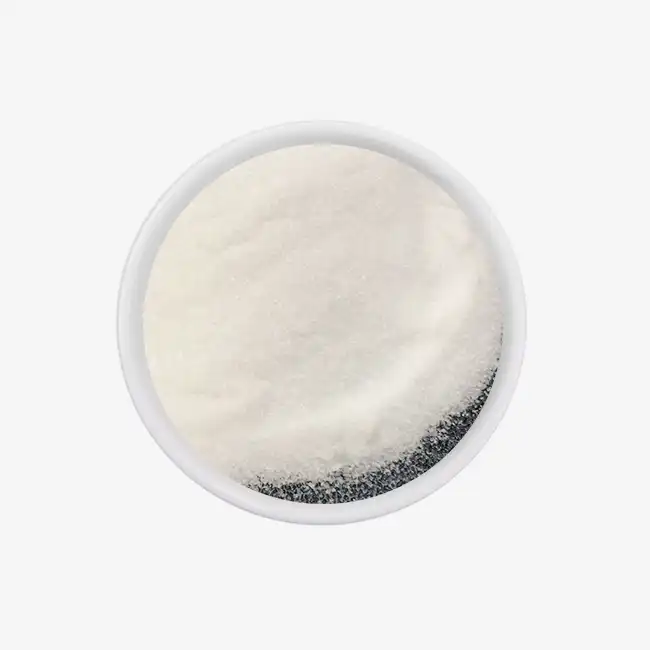
With a molecular weight of 98.14, potassium acetate (CH₀COOK, CAS NO. 127-08-2) looks like white specks that are crystallized. This chemical breaks down quickly in water, acid, and alcohol. When it comes in contact with ice and snow, it releases heat. The chemical mechanism lowers the temperature at which water freezes and breaks the molecular bonds that let ice form. Unlike regular salt, which only adds ions to the water matrix, acetate-based compounds produce heat when they dissolve, which speeds up the melting process even when temperatures drop below what is needed for regular ice-melting products to work.
Potassium acetate is hygroscopic, which means it can pull water from its surroundings and turn it into a brine solution that can break the link between ice and sidewalk. This trait is especially useful in places where winters change frequently, when there are many freeze-thaw cycles.
Performance Advantages in Extreme Conditions
When the temperature drops below -10°C, rock salt doesn't work as well. To make up for it, municipal crews often use more, which damages infrastructure and builds up in the environment. As low as -35°C, potassium acetate keeps working the same way, so you don't have to use too much and get faster results.
The white crystalline structure makes sure that the product is spread out evenly by motorized spreaders and doesn't harden or cake up while it's being stored. Facility managers like that the regular application rates cut down on waste and make budgeting easier. Unlike calcium chloride, which attracts too much water and makes surfaces slippery after they melt, potassium acetate keeps surfaces safe from friction during the de-icing period.
Infrastructure Protection and Material Compatibility
Building owners and managers have to pay a lot of money to fix broken concrete. Chloride-based de-icers usually get into the pores of concrete and corrode the rebar that is embedded in it. This causes the concrete to flake off, which needs to be fixed at a high cost. Potassium acetate's non-corrosive properties protect structure integrity by getting rid of these chemical attack paths.
Airport owners have to follow very strict rules about how materials can work together. De-icing water is corrosive and can't be used on aircraft parts like landing gear, electronics housings, and composite structures. Potassium acetate is a military material that works well to de-ice runways without harming sensitive equipment that comes into contact with treated surfaces. In places where regular salt would be dangerous for operations, this includes radar systems, communication networks, and electricity systems common in factories.
Proper Handling and Storage Protocols
Potassium acetate works well, but it needs to be stored carefully because it absorbs water. The goods must stay in dry, well-ventilated stores in sealed 25 kg plastic woven bags or 1000 kg ton-bags. Moisture causes premature dissolution, which makes the product less useful and harder to handle. Heat and wetness must be kept out during transport, and packages must be carefully unloaded to avoid damage.
To keep things from getting contaminated, storage areas must keep incompatible materials away from each other. Facilities that follow the right procedures keep the product's effectiveness during storage, so it works the same way when the weather calls for instant release. These rules are in line with how industry procurement teams usually handle chemicals.
Comparing Potassium Acetate with Traditional Ice Melting Chemicals
Winter repair workers test deicing products on a number of different performance factors. When buying teams know how acetate-based solutions stack up against other options, they can make smart choices that balance short-term costs with long-term benefits.
Rock Salt and Sodium Chloride Limitations
Due to its low cost, rock salt (sodium chloride) has been the mainstay of winter care for decades, but Snow Melting Solid Potassium Acetate offers superior long-term value. When you look at the total cost of ownership, though, things look different. Sodium chloride only works well below -7°C, so it needs to be used at higher rates as the temperature drops. Because chloride ions are corrosive, they damage concrete, steel reinforcement, and vehicle parts, and the costs of fixing them are much higher than the savings on materials.
Rock salt runoff into the environment builds up in the soil and groundwater, which hurts plants and aquatic ecosystems. Municipalities are under more and more legal pressure to lower the amount of chloride in watersheds. This creates compliance risks for businesses that use a lot of standard salt goods. Concerns about pet safety and damage to landscaping make things harder to run in business settings where how people see the business matters.
Calcium Chloride and Magnesium Chloride Trade-offs
When it comes to low temperatures, calcium chloride works better than rock salt. It can be used up to about -25°C. The hygroscopic properties cause heat during dissolution, which speeds up the melting process. However, this same trait causes problems after the de-icing process is over. Calcium chloride keeps pulling water to itself, making areas slippery and making its way into buildings, where it harms flooring materials.
Magnesium chloride has become popular as an "environmentally friendly" option, but this label needs to be looked at more closely. Even though magnesium chloride is not as toxic as sodium chloride, it still releases chloride ions into the environment and over time breaks down concrete structures. The effectiveness window goes down to about -15°C, which is a little better than rock salt but still has some major problems.
Calcium chloride and magnesium chloride both release dust into the air that covers cars and building exteriors, making them look bad and making cleaning more difficult. As residue builds up, it needs more maintenance work, which adds to the costs of running the business beyond the cost of the product itself.
The Acetate Advantage in B2B Applications
Potassium acetate gets rid of problems caused by chloride while also providing better performance. The biodegradable formula breaks down naturally in the soil, turning into carbon dioxide and water without building up in ecosystems. Environmental compliance requirements will only get stricter as legal systems change, and this trait meets those requirements.
Because it doesn't corrode, it saves infrastructure assets. Adopting acetate can help bridge owners avoid multimillion-dollar repairs by making structures last decades longer. Owners of parking structures get rid of flaking concrete and rusting rebar, which weaken the structure. It's easy to see the return on investment when you compare the cost of replacing broken infrastructure with the extra cost of materials for acetate-based goods.
When performance stays the same across a range of temperatures, operational efficiency goes up. Maintenance crews can use the right amount without having to increase the rate as conditions get worse. This makes training easier and cuts down on application mistakes. The free-flowing granular form keeps the spreader working properly without the need for equipment adjustments or maintenance work that other products need.
Procurement Guide for Solid Potassium Acetate in B2B Markets
When industrial buyers buy chemicals, they do a thorough analysis of the supplier's skills, the product details, and the dependability of the supply chain. Because winter upkeep is so complicated, it's important to work with makers who understand what operations need.
Evaluating Supplier Credentials and Certifications
The quality of the product starts with how well it is made. Businesses that use ISO 9001 Quality Management Systems show that they are dedicated to maintaining consistent production standards. The ISO 14001 Environmental Management certification shows that a company uses responsible manufacturing methods that are in line with the environmental goals of its buyers. With ISO 45001 Occupational Health and Safety certification, workers are safe during the whole production process.
While KOSHER and HALAL certifications are mostly useful for food-grade uses, they also show that a maker can meet strict paperwork and traceability standards, which is good for commercial buyers. For these certificates, thorough quality control methods are needed to make sure that each batch is the same and that the requirements are met.
How stable a company is can be judged by how long a supplier has been in business. The fact that SHANXI ZHAOYI CHEMICAL has been making chemicals since 1988 shows that they can keep up with changing market conditions. The yearly production capacity of 150,000 tons makes sure that there is enough to meet the needs of large-scale industries while keeping prices low through economies of scale.
Technical Specifications and Quality Parameters
For industrial uses of Snow Melting Solid Potassium Acetate (CAS NO.: 127-08-2), exact chemistry requirements are needed. Purity levels of at least 99.0% guarantee consistent performance and get rid of any impurities that might affect how well the deicing works. A water-insoluble content of less than 0.05% keeps motorized spreading equipment from getting clogged and makes sure that the material dissolves completely during application.
Specifications for chloride content (≤0.2%) are important for places that want to get rid of rust and environmental damage caused by chloride. Iron content limits (≤0.05%) protect delicate surfaces and keep building materials from getting stained. These technical details should be written on the Certificates of Analysis (COA) that come with every shipment. This will help quality control tools keep track of them.
To help with safety programs at work, buyers should ask for Material Safety Data Sheets (MSDS) in the languages that are needed. Facility managers can make the best use of deployment strategies by using technical data sheets that include application guidelines, performance data, and information on compatibility.
Bulk Purchasing and Logistics Considerations
For industrial de-icing needs, supply chains must be reliable and able to get products to workers right away when bad weather forces them to. Manufacturers keep safety stock of standard products so that orders can be filled quickly without having to wait for production to start. Lead times for production runs of 5 to 7 working days give sites that manage seasonal inventory good planning windows.
Choices of packaging affect how easy it is to handle and how much space is needed for keeping. The 25 kg plastic braided bags are good for places that need to do things by hand or don't have a lot of space to store things. The 1000 kg ton-bags make handling more efficient in big facilities with forklifts. This cuts down on labor costs and makes managing goods easier.
The types of shipping (FOB, CIF, DAP) affect how much the goods cost to land and who is responsible for the risk during travel. A lot of trustworthy suppliers work together with international shipping companies to get the best prices and the best service. Guaranteed shipping space during peak season keeps supplies from stopping when demand rises across the board.
Building Long-term Supplier Relationships
In addition to delivering goods, valuable suppliers offer technical support that makes application programs work better. Manufacturers that give consultations 24 hours a day, seven days a week, and quick responses can help with practical questions during severe weather events. Facilities can check the performance before making big purchases thanks to free application advice and test samples.
Customization options show how flexible a seller is. Customized formulas that improve performance for local needs are helpful for facilities that work in climates that are different from the norm. OEM services, such as custom labeling, specs, and package formats, help facilities that need help with branding or paperwork.
Clear communication about production schedules, inventory availability, and market conditions builds trust, which helps partnerships last through many winters. Procurement pros like sellers who tell them about possible problems in the supply chain ahead of time, rather than waiting for problems to happen at crucial times.
Practical Applications and Case Studies of Potassium Acetate Use
Implementation in the real world shows that acetate-based de-icing solutions are useful in a variety of operational settings. Knowing the best ways to use an application helps places get the most out of their investments.
Airport and Aerospace Operations
Runway safety rules don't allow for any exceptions. When ice forms on taxiways, runways, and decks, it poses very serious dangers that need to be fixed right away. Potassium acetate quickly activates and works well at low temperatures, so it keeps important areas working during bad weather that would ground planes using cheaper goods.
After having repeated corrosion problems with ground support equipment and aircraft parts, a major regional airport switched from calcium chloride to potassium acetate. Adopting acetate got rid of the costs of maintenance caused by corrosion and made operations more reliable during winter storms. Because it wasn't harmful, it didn't need to be cleaned up as much around drainage areas where water gathered.
When running an airport, application time is very important. Pre-treatment programs use acetate before it rains or snows, which stops ice bonds from forming and makes clearing up after a storm easier. The approach cuts down on the number of workers needed and speeds up the return to regular operations. This keeps the economic effects of weather-related delays to a minimum.
Infrastructure and Transportation Networks
The protection of bridge decks is a big application possibility for Snow Melting Solid Potassium Acetate. Traditional salt exposure speeds up the breakdown of suspension bridges and raised highway buildings. Wind and changes in temperature cause harsh freeze-thaw cycles that make it easier for salt to get into the concrete.
A state transportation department tested potassium acetate on a few old bridges that were going to need repairs because of damage from chloride. The program extended the life of structures by stopping them from falling apart over time. This put off multimillion-dollar rebuilding projects while keeping people safe. The success led to more people using the bridge network, which saved a lot of money in the long run.
No matter what the weather is like, railroad switch points have to work reliably. When ice builds up on switches, they can't work properly, which can be dangerous and cause service interruptions. When potassium acetate is used correctly, it keeps mechanical systems running without damaging electrical parts and signaling equipment the way that other products do.
Industrial and Commercial Facilities
Loading docks at delivery centers have strict plans that can't be changed because of bad weather. When ice forms, it puts people and equipment at risk and slows down logistics operations. Facility managers who use potassium acetate programs keep surfaces from slipping during winter weather events. This keeps workers safe and keeps operations running smoothly.
Healthcare facilities need to be able to always get to emergency vehicles and staff. Acetate-based products quickly melt ice, keeping important access routes open without creating the extra slip hazards that calcium chloride does. Because it's non-toxic, you don't have to worry about tracked-in dust damaging medical equipment or places where patients are cared for.
Historic buildings and cultural organizations need de-icing products that are both gentle and useful while also protecting the building materials. Potassium acetate doesn't corrode, so it can be used to protect stone, metal, and artistic elements while still meeting current safety standards. Cultural resource managers carefully choose products that meet both the needs of protection and general access.
Application Best Practices and Optimization Strategies
The right application rates are the first step to a successful implementation. Potassium acetate works better than other products, so it only needs 50 to 75 grams per square meter for preventative treatment and 100 to 150 grams per square meter for ice removal. Calibrated spreaders make sure even coverage, which makes the best use of the material.
Performance and cost-effectiveness are both affected by timing strategies. Applying anti-icing before it rains stops ice bonds from forming, which means less work and materials are needed than reactive de-icing after the snow has piled up. When weather tracking systems are linked to repair programs, they set off timely actions that stop ice from forming.
Surface temperature affects how well a thing works. Potassium acetate works well in a wide range of temperatures, but changes to how it is used give the best results at very high or very low temperatures. Training programs make sure that repair workers know about the features of the products they are working on and can adapt their rollout plans to fit the current situation.
Why Solid Potassium Acetate is a Strategic Choice for B2B Procurement?
Forward-thinking sourcing plans look at more than just the cost of buying a product. They also look at the total cost of ownership and how well it fits with the organization's goals. There are strong benefits to potassium acetate in a number of different review factors.
Economic Value and Life-Cycle Costs
The initial costs of materials for potassium acetate are higher than the price of rock salt, making it seem like it costs more. A full study of the finances shows a different story. Non-corrosive deicing protects infrastructure and gets rid of the need for repairs, replacement of rebar, and rebuilding of concrete, which over time costs a lot of money for upkeep. Longer service lives for parking garages, bridges, and building entrances mean that capital costs are put off while safety and usefulness are maintained.
Because Snow Melting Solid Potassium Acetate works better, fewer applications are needed, which lowers the cost of workers and the cost of running the machine. Maintenance crews can finish winter tasks more quickly, which frees up resources for other important facility management tasks. Spreaders that work with free-flowing pellets that don't stick together or rust need less upkeep.
Liability exposure goes down because safety performance goes up and environmental effects go down. Accidents where people slip and fall cost a lot in court and insurance fees, but successful deicing programs cut down on those costs. Environmental compliance violations can cost you money and hurt your reputation, which can be avoided by choosing the right products.
Environmental Stewardship and Regulatory Compliance
Sustainability programs in businesses are having a bigger effect on purchasing decisions. Potassium acetate is biodegradable, which helps meet operating needs while also being good for the earth. Bacteria quickly break down the acetate ion in soil, turning it into carbon dioxide and water without building up in ecosystems.
Regulatory agencies set maximum concentration limits for both surface water and groundwater. These limits affect rivers all over the United States. By switching to acetate-based goods, facilities get rid of chloride inputs, making sure they follow current rules and getting ready for future rules that will be even stricter.
Green building standards, like LEED and WELL Building Standard, look at how the site is managed, including the choice of chemicals for winter upkeep. Specifying environmentally friendly de-icing goods helps with certification standards and shows a dedication to long-term operations that stakeholders are asking for more and more.
Alignment with Corporate Social Responsibility
How people see groups that work in communities is important. Being committed to protecting the environment and people's health in a clear way builds trust, which helps businesses reach their goals. Facilities that make acetate adoption easy to see show good corporate citizenship that resonates with stakeholders who care about the environment.
Concerns about pet safety make it hard for businesses that use traditional salt products to get along with the public. When animals eat chloride-contaminated snow, it can irritate their paw pads and make their stomachs hurt. Potassium acetate gets rid of these worries, making places more friendly for people with service animals or pets in shopping and hospitality settings.
Plants that are exposed to salt get damaged, which looks bad and costs a lot to repair. Chloride can hurt lawns, trees, and ornamental plants, but acetate formulations don't hurt these things. Keeping the grounds looking nice during the winter increases property values and improves the user experience while avoiding unplanned landscaping costs.
Innovation and Future-Ready Infrastructure Management
As technology keeps getting better, acetate-based deicing mixtures keep getting better. Cost-effectiveness and practical benefits will keep getting better thanks to research into application optimization, performance enhancement, and factory efficiency. Companies that build ties with acetate suppliers are set up to gain from ongoing innovation.
Climate change makes it more important to have products that work reliably in a wide range of temperatures and conditions. Potassium acetate stays the same at all temperatures, which gives you practical certainty that other goods can't match. Facility managers are more sure that their winter repair plans will work no matter how bad the weather is.
As people learn more about how traditional de-icing chemicals affect the environment over time, the market is moving toward products that are better for the environment. Early adopters get practical knowledge that helps them make the best decisions about deployment strategies before changes in the law force them to make transitions. Instead of reactively following orders from outside sources, proactive adoption shows leadership.
Conclusion
Snow Melting Solid Potassium Acetate has been shown to be a safe alternative to traditional ice melters in a wide range of industrial, commercial, and municipal settings. The better performance at low temperatures, defense of infrastructure, and environmental benefits create strong value propositions that make the original cost concerns irrelevant. Acetate-based deicing solutions help facilities that want to protect their assets over time, follow the rules, and keep their operations running smoothly. These solutions are in line with their long-term goals and give them immediate performance benefits. When people who work in buying look at winter repair plans, potassium acetate should be seriously thought about as a long-term investment in protecting infrastructure that works well.
FAQ
Does potassium acetate work in extremely cold temperatures?
Potassium acetate works even at -35°C (-31°F), which is much lower than rock salt, which stops working at around -7°C (20°F). The potential eutectic point goes all the way down to -60°C, so it works reliably in harsh winters like the ones that happen in the north, where other goods fail.
Is this product safe for pets and landscaping?
The non-toxic, recyclable mixture doesn't pose much of a threat to plants and animals. Bacteria in the soil naturally break down acetate ions into carbon dioxide and water, without leaving behind any dangerous leftovers. Because of this trait, chloride-based goods no longer cause pain to paw pads or damage to plants.
What storage conditions does potassium acetate require?
Because it absorbs water, it needs to be stored in dry, well-ventilated warehouses in sealed containers. To keep its free-flowing properties, the product must be kept away from heat and moisture while it is being moved and stored. Proper handling keeps the product effective throughout keeping, so it works the same way when it's used.
How does it compare with calcium magnesium acetate?
Calcium magnesium acetate (CMA) melts more slowly and more aggressively than potassium acetate. It can also work at lower temperatures. When mixed with salt, CMA is often used to stop corrosion. Potassium acetate, on the other hand, works as a high-performance de-icing product that can be used on its own in demanding situations, such as flight operations.
Partner with SHANXI ZHAOYI CHEMICAL for Premium De-icing Solutions
SHANXI ZHAOYI CHEMICAL has been making acetate for 35 years and can help many different businesses with their winter maintenance problems. We are a leading manufacturer of Snow Melting Solid Potassium Acetate (CAS NO.: 127-08-2), and our 150,000-ton annual production capacity means that we can reliably supply your most demanding applications. Our ISO-certified facilities keep strict quality standards, and our competitive prices and variety of packaging options make it easier for you to buy what you need. You can email our technical team at sxzy@sxzhaoyi.com to talk about custom formulations and bulk supply plans that will protect your infrastructure investments and help you reach your environmental stewardship goals. You can look at all of our acetate products at zhaoyichemical.com.
References
1. American Public Works Association. (2019). "Winter Maintenance Best Practices for Snow and Ice Control," APWA Technical Standards.
2. Transportation Research Board. (2018). "Guidelines for the Selection of Snow and Ice Control Materials to Mitigate Environmental Impacts," NCHRP Report 577.
3. Federal Aviation Administration. (2020). "Airport Winter Safety and Operations," Advisory Circular AC 150/5200-30D.
4. Environmental Protection Agency. (2017). "Best Management Practices for Winter Road Maintenance," EPA Region 5 Chloride Reduction Guidance.
5. American Society for Testing and Materials. (2021). "Standard Practice for Sodium Chloride and Acetate-Based Ice Control Materials," ASTM D7345.
6. International Bridge, Tunnel and Turnpike Association. (2016). "Protecting Transportation Infrastructure from Chloride-Induced Corrosion," IBTTA Research Report.

USER EVALUATE
Here is the customer's evaluation of us