



Deicing Solid Potassium Acetate Solves Industrial Winter Safety Challenges
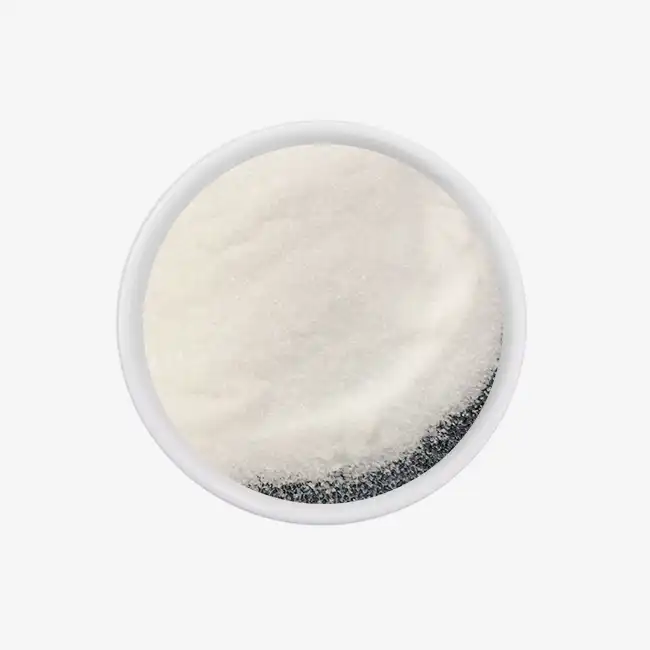
When winter storms threaten operational continuity, industrial facilities face a critical choice: maintain safety without compromising infrastructure or environmental standards. Deicing solid potassium acetate emerges as the definitive solution, offering airport operators, highway maintenance contractors, and facility managers a high-performance chemical deicer that functions reliably down to -30°C while protecting valuable assets from corrosion. This white crystalline compound (CH3COOK, CAS 127-08-2) represents over three decades of manufacturing refinement, delivering results where conventional rock salt and chloride-based alternatives fail.

Understanding Solid Potassium Acetate and Its Role in Industrial Deicing
Winter care experts know that choosing materials made for harsh conditions is key to controlling ice effectively. Deicers based on potassium acetate are unique because of the chemicals they are made of and how well they work.
Chemical Properties and Melting Mechanisms
The compound is made up of acetate anions and potassium cations. It dissolves easily in water, acids, and alcohols. When this material comes into contact with frozen surfaces, it dissolves exothermically, giving off heat that speeds up the melting process. The chemical lowers the freezing point of water by a large amount, so it stays liquid even when temperatures drop to -22°F. With a molecular weight of 98.14 g/mol and a purity level of at least 99%, our mixture guarantees the same performance from batch to batch.
Advantages Over Conventional Rock Salt
Normal sodium chloride deicers stop working below 15°F, which leaves buildings open to damage during bad weather. Calcium chloride and magnesium chloride options work better at higher temperatures, but they pose big risks of corrosion to metal parts, vehicle undercarriages, and concrete support. This tradeoff is not present in acetate-based products at all. The biodegradable formula doesn't pose much of a danger to nearby plants and water sources, so it's good for the environment without losing efficiency.
When operations depend on chemical reliability, manufacturing standards are very important. Our factory has ISO 9001, ISO 14001, and ISO 45001 standards, and it can produce up to 150,000 tons of goods every year. This makes sure that we can meet demand during times when supply lines are under the most stress.
Comparing Potassium Acetate to Other Deicing Agents: Which Is Best for Your Needs?
When making a procurement choice, it's important to look at performance traits, lifecycle costs, and operating fit in great detail. Knowing how different deicing chemicals work helps places make the most of their winter care plans.
Performance Comparison: Temperature Range and Efficiency
Urea formulations stop working below -7°C and add too much nitrogen to groundwater, which is a regulatory risk that environmental managers are trying to avoid more and more. Calcium chloride can work at lower temperatures, but because it absorbs water, it makes surfaces wet and speeds up the breakdown of structures. Potassium acetate's ability to penetrate ice is better across a wider range of temperatures, and it meets SAE AMS 1431 aerospace standards for not corroding aluminum, steel, and magnesium alloys.
Solid Versus Liquid Formulations
Both forms of deicing solid potassium acetate (CAS NO.: 127-08-2) are useful for different kinds of tasks. When there is a lot of ice, granular products work best because they break up the pavement's bond so that regular sweeping equipment can easily remove them. Pre-wetting solid granules with liquid concentrates cuts down on bounce and spread during application and starts the melting process as soon as the granules touch something. Careful sieve analysis is done on the particle size distribution to make sure it works with the spreader calibration settings. This keeps the equipment from getting clogged and keeps the coverage patterns regular.
Cost-Benefit Analysis for Procurement Professionals
The price of the initial buy is only one part of the total costs of owning. It's easier to understand the financial picture when you look at transportation needs, storage facilities, application rates, and corrosion damage saved. Facilities close to watersheds or protected ecosystems may have to follow rules that limit the use of chloride. This means that acetate-based alternatives are not only better, but they are also required. Because the compound absorbs water, it needs to be stored in a climate-controlled area or in moisture-proof packaging (double-sealed bags or super sacks) to keep it from caking. These factors affect the total cost of the system, not just the unit price.
Industrial Applications and Use Cases of Solid Potassium Acetate
The fact that this material has been used in a variety of real-world settings shows how flexible it is when it comes to solving winter safety problems where traditional solutions fail.
Aviation Airside Operations
Airport workers who are in charge of the runways, taxiways, and aprons have to follow strict safety rules and worry about rust that could damage airplanes. The industry standard is potassium acetate, which has been certified by SAE AMS 1431 after going through strict testing procedures. Granular application lets it go through thick layers of ice and protects carbon brakes, landing gear wires, and cadmium-plated parts from breaking down. Maintenance crews like that the material can be seen on dark pavement and can be used for longer periods of time than glycol-based alternatives that need to be removed right away.
Critical Infrastructure and Transportation Networks
Highway bridges are special because they have to support important traffic lanes while being exposed to wind and freezing temperatures more quickly. When chlorine gets into concrete, it corrodes the rebar and breaks down the structure, which shortens its useful life and raises the cost of repairs. The chemical of acetate helps keep ice off of parking decks, overpasses, and historical sites without affecting the building. Transportation offices that work in environmentally sensitive areas find that this method meets both practical needs and watershed protection requirements.
Industrial Facilities and Logistics Operations
During the winter, manufacturing plants, warehouse buildings, and delivery centers need to make sure that both pedestrians and vehicles can get to them safely, and deicing solid potassium acetate (CAS NO.: 127-08-2) is the solution. Slipping hazards put workers' safety at risk, and transport delays mess up supply lines. Potassium acetate is used to clean loading docks, truck courts, and employee parking lots so that they stay slippery without leaving corrosive leftovers that get on buildings or sensitive equipment. Facilities with LEED certifications or that work near sources of water make sure they are following environmental rules and meeting their duty-of-care responsibilities.
The needs for these applications are similar: they need to work reliably in bad weather, protect assets from chemical damage, and be environmentally friendly. Case studies from industrial clients always show better safety metrics, lower liability risks, and uninterrupted operations, even during severe winter storms.
Safety and Environmental Considerations for Using Solid Potassium Acetate Deicer
Winter maintenance programs that are responsible balance how well they work with worker safety and caring for the environment. Understanding the right way to handle things and how the world works is important for making sure that activities are legal and last a long time.
Handling Guidelines and Storage Protocols
Chemical deicers need to be used by people who have the right safety gear and training on how the materials work. Because the substance has an alkaline pH (9–11), it is important to wear eye protection and cover your skin when touching it. Storage areas need to stay dry, well-ventilated, and away from sources of heat and things that don't go together. Because hygroscopic substances tend to soak up water from the air, they need to be covered, and the relative humidity must be below 65% to keep their free-flowing properties. Setting up clear processes for how to handle a spill saves people and keeps things from going to waste during transfer operations.
Environmental Impact and Biodegradability
Chloride salts stay in the earth and groundwater for a long time, but acetate chemistry breaks down naturally and doesn't build up over time. The aquatic toxicity profiles show that this formulation does a lot less damage to fish and invertebrates than ethylene glycol or urea formulations. Studies on plant tolerance show that the suggested application rates have little effect on plants, so gardening investments around treated areas will be safe. Monitoring the quality of runoff water makes sure that discharge permits are being followed in environmentally sensitive areas. This helps companies meet their sustainability goals and legal obligations.
Regulatory Compliance and Certifications
Quality assurance for deicing solid potassium acetate (CAS NO.: 127-08-2) includes more than just making sure chemicals are pure; it also includes checking everything against well-known standards. Total immersion corrosion tests on metals made of aluminum 7075-T6, steel, and magnesium show that there is no chance of damage to the structure. Testing the scaling resistance of concrete according to ASTM C 672 confirms that the surface integrity is being maintained. For specialized cross-functional uses, facilities that need materials that are safe for food or medicine can get goods that are certified Kosher and Halal. This level of approval gives procurement teams peace of mind that the material standards meet both operating needs and legal requirements.
Procuring Solid Potassium Acetate for Industrial Deicing: What Buyers Need to Know?
When you do strategic sourcing, you have to look at a supplier's skills in addition to their prices. Building relationships with dependable makers makes sure that materials are available when the weather calls for quick action.
Evaluating Supplier Reliability and Certification
Longevity as a manufacturer shows that the market is stable and that they have good technical knowledge. For 36 years, Shanxi Zhaoyi Chemical Co., Ltd. has been a specialist in acetate salts. The company covers 27,000 square meters and has dedicated production lines that can handle 150,000 tons of acetate salts every year. This scale can handle buying in bulk, and strict quality management systems make sure of consistency from batch to batch. Getting an ISO certification (9001, 14001, or 45001) shows that you care about quality, the environment, and health and safety at work, which is in line with how companies buy things.
Packaging Options and Logistics Management
Standard packing includes 25 kg plastic weave bags that can be handled by hand and 1000 kg ton bags that can be handled by machines. Custom packing is made to fit the needs of particular tools or limited storage space. International shipping partnerships make it possible to get reliable delivery times and competitive freight rates, which are very important when restocking before expected weather systems. During the busy winter months, when demand rises across many customer groups at once, procurement teams should make sure that suppliers can meet urgent orders.
Technical Support and After-Sales Service
As the weather changes and facilities' needs change, winter upkeep problems change too. Suppliers who offer application advice, help with equipment calibration, and troubleshooting for material performance are more valuable than just suppliers who sell goods. Having access to detailed documents, safety data sheets, and help with legal compliance makes the approval process inside the company easier. Building ties with potassium acetate sellers who know what they're doing gives you practical benefits that last all winter and through multiple budget cycles.
Conclusion
For industrial winter safety, we need solutions that keep people safe, keep infrastructure in good shape, and respect the environment. Deicing solid potassium acetate meets all three needs thanks to its reliable chemistry that works even in very cold conditions, keeps valuable things from rusting, and breaks down naturally without leaving any environmental damage. When procurement professionals are looking at winter maintenance strategies, they can gain a competitive edge by working with experienced makers who offer consistent quality, flexible packaging, and reliable supply lines. Because the material meets aerospace standards, environmental rules, and practical needs, it is the only choice for places where safety and sustainability can't be ignored.
FAQ
How does potassium acetate differ from urea as a deicer?
Below -7°C, urea doesn't work and adds a lot of nitrogen to the groundwater, making it dirty. Potassium acetate keeps working even at -30°C and breaks down naturally without polluting nutrients. The acetate formula is approved by SAE AMS 1431 for use in aircraft situations where urea would not meet the corrosion standards.
Is this product corrosive to aircraft components or industrial equipment?
When potassium acetate is made correctly with corrosion inhibitors, it meets aerospace standards for not corroding. It protects aluminum, carbon brakes, and landing gear wiring. Metals that are commonly found in transportation infrastructure and industrial facilities are tested to make sure they have no structural damage.
Can solid potassium acetate be used with liquid deicers?
Adding liquid potassium acetate to solid chunks before spreading them lowers their bounce and speeds up the first melting process. This mix method gets the best spread of the material while reducing waste from wind scatter.
Is it safe for pets and vegetation?
Even though it was made for commercial use, the substance is much less harmful than chloride salts or ethylene glycol. When applied at the suggested rates, vegetation has a much smaller effect than with standard deicing chemicals.
Partner with SHANXI ZHAOYI CHEMICAL for Reliable Deicing Solid Potassium Acetate Supply
Industrial purchasing managers looking for a reliable potassium acetate producer for deicing solid potassium acetate can rely on our 36-year history of production and 150,000-ton annual capacity. Our CH3COOK formula stays at least 99% pure and can be tracked back to its source through ISO-certified quality systems. It is supplied in either 25 kg bags or 1000 kg ton bags, depending on how you need to handle it. Our acetate-based snow melting products are used to keep people safe at airports, transportation hubs, and industrial sites all over North America during the worst winter weather. We know that winter weather makes it necessary to buy things quickly. Our well-established logistics networks and quick-response technical support team make sure that you can get the things you need when storms threaten your operations. You can email our team at sxzy@sxzhaoyi.com to talk about buying in bulk, get detailed specs, or set up product samples. Visit zhaoyichemical.com to see our full line of acetate products and learn how our 30 years of experience making chemicals translate into winter safety solutions you can count on every year.
References
1. American Society for Testing and Materials. (2019). ASTM C672: Standard Test Method for Scaling Resistance of Concrete Surfaces Exposed to Deicing Chemicals. ASTM International.
2. Society of Automotive Engineers. (2018). SAE AMS 1431: Compound, Solid Runway and Taxiway Deicing/Anti-icing. SAE Aerospace Material Specification.
3. Transportation Research Board. (2020). Sustainable Winter Road Operations: Chemical and Non-Chemical Methods. National Academies Press.
4. Environmental Protection Agency. (2017). Environmental Impacts of Road Salting and Acetate-Based Alternatives. EPA Office of Water.
5. International Civil Aviation Organization. (2021). Airport Services Manual: Snow, Ice, and Slush Removal on Runways and Taxiways. ICAO Publications.
6. Shi, X., Fay, L., Peterson, M., and Yang, Z. (2019). Freeze-Point Depressing Performance of Potassium Acetate-Based Deicers in Winter Maintenance Applications. Journal of Cold Regions Engineering, Vol. 33, No. 2.

USER EVALUATE
Here is the customer's evaluation of us