



Deicing Liquid Potassium Acetate Protects Critical Infrastructure from Winter Ice
Winter ice poses a severe operational threat to critical infrastructure across the United States, from airport runways and highway bridges to energy distribution networks. When temperatures drop and precipitation arrives, ice accumulation triggers cascading failures—flight cancellations, highway closures, power outages, and safety incidents that cost municipalities and industries millions annually. Deicing liquid potassium acetate has emerged as the preferred solution among procurement managers and infrastructure operators seeking both performance and environmental stewardship. This advanced, non-chloride formulation delivers reliable ice prevention at extreme sub-zero temperatures while eliminating the corrosion and ecological damage associated with traditional road salts and glycol-based alternatives.
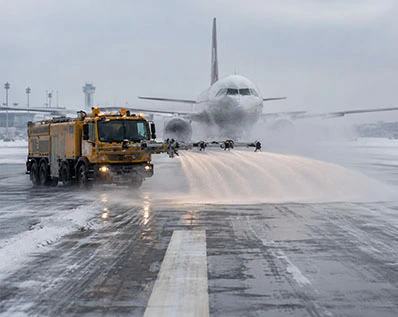
Understanding Potassium Acetate Deicing Liquid
What Makes This Solution Different?
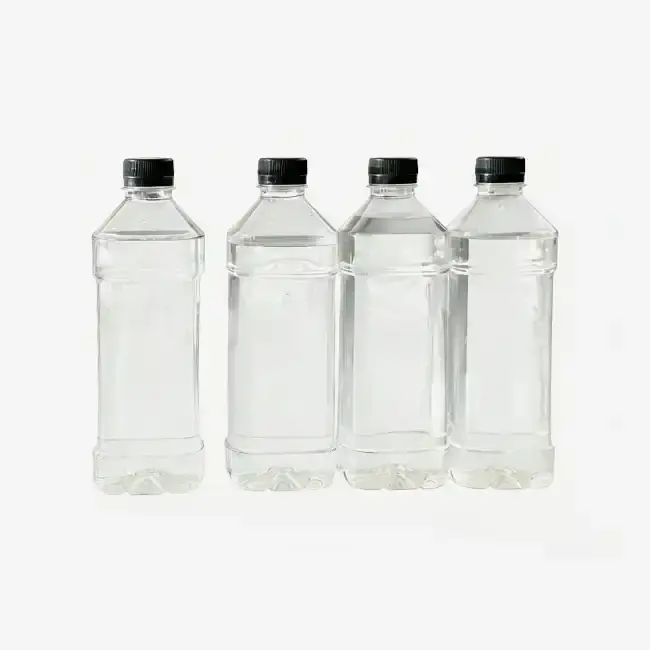
At its core, this acetate-based mixture is made up of 50–60% potassium acetate (CH₃COOK, CAS 127-08-2) in the form of a clear, colorless liquid. With a molecular weight of 98.14 and an ideal pH range of 7.5–9.2, it can quickly break through layers of snow and ice, preventing the freezing of rainwater from sticking to the ground. This liquid solution works right away, lowering the freezing point of water to as low as -60°C (-76°F), unlike rock salt, which just sits on top until it dissolves.
The science behind this performance involves cryoscopic depression. The acetate ions stop water molecules from crystallizing, so even in the harshest arctic circumstances, ice doesn't form. This method works much better than sodium chloride, which stops working at temperatures below -9°C (15°F). Local governments and airport managers can benefit from a solution that works even during the worst winter storms, when regular deicers stop working, and safety margins are lost.
Environmental and Safety Profile
Today, buying decisions are based on caring for the environment, and acetate-based products offer clear benefits. The formula breaks down quickly without releasing harmful nitrogen compounds, so it has a much lower Biological Oxygen Demand (BOD) than options based on urea, which pollute rivers and hurt aquatic environments. Following the guidelines for SAE AMS 1435 aircraft materials and the EPA's discharge standards makes sure that water running off of treated surfaces passes strict environmental protection standards.
Safety tests show that the product is not very harmful to plants and animals when used at the suggested rates. Heavy metal levels are tightly controlled—lead levels must be below 0.01% and arsenic levels must be below 0.0004%—to protect the ecosystems around airports and roads. Because it is non-flammable (flash point greater than 100°C), there are no fire risks during storage or use, which is very important for facilities that manage large chemical stockpiles.
Why Potassium Acetate Is Ideal for Protecting Critical Infrastructure?
Performance Advantages for High-Stakes Operations
Solutions that guarantee complete dependability during weather events are needed for critical infrastructure. Deicing problems on airport runways can't be tolerated—one ice-related event puts passengers at risk and messes up air traffic networks across the country. This liquid acetate mixture has anti-icing properties that keep ice from sticking to asphalt and concrete surfaces, keeping the friction levels needed for safe plane landings and takeoffs.
When it freezes and thaws, bridge infrastructure is especially vulnerable, and deicing liquid potassium acetate (CAS NO.: 127-08-2) offers a solution. Traditional chloride salts speed up the scaling of concrete and the corrosion of steel rebar, which lowers the lifespan of structures and raises the cost of maintenance. Potassium acetate doesn't corrode, so it keeps the stability of bridge decks and works well with Fixed Automated Spray Technology (FAST) systems that do precise preventative work before storms happen. When highway maintenance contractors switch from chloride-based products, they say damage to concrete is lessened, and pavement lasts longer.
Cost-Benefit Analysis for Procurement Managers
At first glance, unit costs may seem higher than bulk road salt, but when you add up all the costs, you'll see that they are much lower in the long run. Protecting infrastructure lowers the cost of repairs and replacements. For example, stopping chloride-induced rebar rust for one year can save tens of thousands of dollars in future restoration costs. A specific gravity of 1.25 to 1.30 makes sure that the product covers well while using less product than lighter options that blow away or dilute quickly.
There is a measurable value to operational consistency. If an airport keeps its runways open during a big winter storm, it won't lose money from flights that have to be delayed or rerouted. Energy centers that keep equipment from breaking down because of ice keep the power going, which keeps costs down and avoids fines from the government. These operational benefits make it worth it for companies that have to deal with serious problems when their equipment breaks down to spend more on better deicing technology.
Practical Guide to Using Potassium Acetate Deicing Liquid
Application Techniques and Equipment Compatibility
To do a good job of deployment, you need to know the right way to spray and how much to dose. Most of the time, airport operations use truck spray systems with wide booms that cover the runway surfaces in a series of runs. Before a storm, anti-icing chemicals are used to make a barrier that keeps ice from sticking. This lets mechanical plows clear snow quickly without having to scrape the pavement down to nothing.
Bridge deck systems use automatic spray nozzles that are placed under the bridges and are turned on by sensors that measure the temperature of the pavement and weather forecasts. Application rates are usually between 25 and 75 gallons per lane mile, but they depend on the warmth of the surface, the amount of rain, and the wind. Stainless steel, polyethylene, and fiberglass are all compatible with the equipment. However, for long-term storage, stainless steel (304/316 grade) or high-density polyethylene (HDPE) containers are needed to keep the materials from discoloring slightly.
Storage and Handling Protocols
Proper storage keeps products working well and keeps the workplace safe. Facilities should set aside warehouse space that is dry, well-ventilated, and away from heat sources and materials that don't go together. The solution has an infinite shelf life as long as it is kept in sealed, suitable containers. However, after long periods of storage, quality assurance is improved by checking the concentration every year.
Transportation rules stress careful handling to keep containers from getting damaged or spilling. Standard packing choices include 1000L IBC tanks for bulk use and flexitanks for shipping in containers, which makes handling easier for buying in bulk. When loading and removing containers, the process should put as little mechanical stress on them as possible. Also, transport cars must have the right placards on them according to Department of Transportation rules for non-hazardous liquid chemicals.
How to Choose and Procure Potassium Acetate Deicing Liquid?
Key Selection Criteria for B2B Buyers
When choosing sellers and goods, procurement managers have to look at a lot of different factors. Purity standards have a direct effect on performance. Make sure that the acetate content meets or exceeds the 50% concentration level and that there are few contaminants present. Iron levels below 0.002%, sulfate levels below 0.05%, and chloride levels below 0.01% all show that the production process was done well and the products were consistent.
Certification paperwork is an important way to make sure the quality of a product. Check for ISO 9001, ISO 14001, and ISO 45001 approvals that show thorough quality control, care for the environment, and health and safety at work standards. KOSHER and HALAL certifications show that the product is thoroughly checked for quality, and SAE AMS 1435 compliance proves that it can be used in aerospace situations where material requirements affect safety.
Logistics of delivery for deicing liquid potassium acetate (CAS NO.: 127-08-2) have a big impact on working readiness. During the busiest times of the winter, suppliers with smart relationships and guaranteed shipping capacity keep supplies from running out. Standard sales have wait times of 5 to 7 working days, and there is safety stock on hand in case of an emergency. This helps with planning your purchases. Access to technical documents like Material Safety Data Sheets (MSDS), Certificates of Analysis (CoA), and application guidance makes it easier to follow the rules and improve operations.
Supplier Evaluation and Partnership Development
Established companies that have been making products for decades can offer stability that younger companies that are just getting into the market can't match. SHANXI ZHAOYI CHEMICAL has been making acetate for more than thirty years and can produce more than 150,000 tons of it every year for customers in six countries. This manufacturing scale makes sure that supplies are always available and prices stay stable, which are important things to keep in mind when planning infrastructure protection programs that last for years.
In competitive markets, suppliers who can offer technical support set themselves apart. Access to application specialists who know the local climate, infrastructure, and regulatory needs adds value beyond just delivering the product. Full testing help, focus checking services, and suggestions for improvement all help operations teams get the most out of their resources while keeping costs low. Different buying processes and foreign shipping needs can be met by trade terms that are flexible, such as FOB, CIF, and DAP.
Future Trends and Innovations in Deicing Solutions
Emerging Technologies and Formulation Advances
Environmental laws and performance standards are pushing the deicing business to change all the time. Bio-based additives made from farm waste could make acetate recipes better by increasing the viscosity at low temperatures and increasing the time that the surface is in contact with the mixture. Researchers are looking into compressed acetate products that release active ingredients slowly, which would cut down on the number of times they need to be applied and the cost of work.
The future of infrastructure control lies in automated application tools. Smart bridge systems use weather sensors, predictive analytics, and pavement sensors to make sure that precise acetate applications are only made when conditions call for them. These systems use fewer chemicals, have less of an effect on the environment, and have lower operating costs while still providing better safety results. Machine learning algorithms use real-time data to find the best spray patterns and doses, making the system more efficient all the time.
Strategic Procurement for Long-Term Resilience
Strategies for buying things that are ahead of the curve expect rules to change toward tighter environmental standards. By working with providers who support eco-friendly production methods and new products, businesses can stay ahead of the compliance curve. Multi-year supply deals with ways to change prices protect against changes in the market and make sure that priority is given when supply is limited.
Climate change models predict that areas that haven't had hard freeze cycles in the past will have more and worse winter weather events. Infrastructure managers in transition zones should start looking into acetate-based solutions right away, building relationships with suppliers and training operators before an emergency forces them to make quick decisions about what to buy. When compared to reactive crisis management, preventative planning saves money and leads to better results.
Conclusion
Deicing liquid potassium acetate has been used for a long time and is safe for the environment. It can protect important infrastructure from winter ice damage and operational interruptions. The main worries of procurement managers for airports, bridges, highways, and industrial sites are met by its excellent performance at high and low temperatures, resistance to corrosion, and quick biodegradability. This advanced deicing technology is worth the money because it will save money in the long run by protecting infrastructure and making operations more reliable. As rules about the environment get stricter and weather patterns change, acetate-based formulations will become more important for businesses that want to be safe, environmentally friendly, and run efficiently during winter weather problems.
FAQ
Can potassium acetate liquid be mixed with other deicing agents?
While it is chemically suitable with some options, it is not a good idea to mix it with propylene glycol or urea while it is being stored. Blending weakens the ability to lower the freezing point and could mess up corrosion inhibitor packages that were made just for acetate formulations, which would mean poor performance in serious situations.
How does this product compare environmentally to traditional road salt?
The benefits to the earth are big. Chloride salts pollute aquifers, rust buildings, and damage plants next to roads. Acetate-based solutions break down quickly and have a much lower Biological Oxygen Demand. They also get rid of chloride runoff pollution and are not very harmful to aquatic environments, so they can be used in places near rivers that care about the environment.
What storage tank materials are compatible with this product?
High-density polyethylene (HDPE) and stainless steel (304 or 316 grade) are the best materials for long-term storage because they don't break down. A fiberglass tank will also do the job. Even though rust agents are present, unlined carbon steel shouldn't be stored for long periods of time because it may become discolored or sludgey.
What is the practical effective temperature range for active deicing?
The freezing point is -60°C (-76°F), but the lowest temps needed for active deicing are usually between -29°C and -35°C (-20°F and -30°F), based on the weather, the amount of rain or snow falling, and the dilution factors caused by snow and ice building up during storms.
Partner with a Trusted Deicing Liquid Potassium Acetate Supplier
SHANXI ZHAOYI CHEMICAL is ready to help you protect your infrastructure this winter with enterprise-grade acetate solutions backed by 30 years of manufacturing experience. Our ability to produce 150,000 tons per year, ISO-certified quality systems, and full expert support make sure that our customers always have what they need and that our products work perfectly in even the toughest situations. We keep extra stock on hand so that we can quickly fill orders, and we offer a range of flexible packing choices, such as 1000L IBC tanks and flexitanks, to meet the needs of all kinds of logistics. You can talk to our technical sales team at sxzy@sxzhaoyi.com about your unique needs, ask for samples of our products, and get access to full MSDS paperwork. You can look at our full line of acetate products at zhaoyichemical.com and learn why top airports, cities, and contractors choose SHANXI ZHAOYI CHEMICAL as their preferred manufacturer of deicing liquid potassium acetate (CAS NO.: 127-08-2) for protecting critical infrastructure.
References
1. Transportation Research Board. (2022). Potassium Acetate Runway Deicing: Performance and Environmental Impact Analysis. National Academy of Sciences, Washington, DC.
2. Federal Aviation Administration. (2021). Advisory Circular 150/5200-30D: Airport Winter Safety and Operations. U.S. Department of Transportation, Washington, DC.
3. American Society for Testing and Materials. (2020). ASTM D7547-20: Standard Practice for Measuring Deicing Fluid Holdover Time. ASTM International, West Conshohocken, PA.
4. Environmental Protection Agency. (2019). Assessment of Airport Deicing Chemicals in Aquatic Environments: Acetate and Glycol Comparison Study. EPA Office of Water, Washington, DC.
5. Society of Automotive Engineers. (2023). SAE AMS 1435C: Fluid, Generic, Deicing/Anti-icing Runways and Taxiways. SAE International, Warrendale, PA.
6. National Association of Corrosion Engineers. (2021). NACE SP0108-2021: Control of External Corrosion on Metallic Buried and Exposed Structures Using Non-Chloride Deicing Agents. AMPP, Houston, TX.

USER EVALUATE
Here is the customer's evaluation of us