



Deicing Liquid Potassium Acetate Provides Fast Ice Removal for Harsh Winters
When harsh winter storms threaten operational continuity, deicing liquid potassium acetate (CAS NO.: 127-08-2) emerges as the professional-grade solution that municipal authorities, airport operators, and highway maintenance contractors trust. This non-chloride, acetate-based formulation delivers rapid ice removal at temperatures plummeting to -60°C (-76°F), while simultaneously protecting critical infrastructure from corrosive damage. Unlike traditional rock salt or urea-based alternatives, this biodegradable liquid penetrates ice layers efficiently, ensuring safety without compromising environmental stewardship or structural integrity.
Understanding Potassium Acetate Deicing Liquid
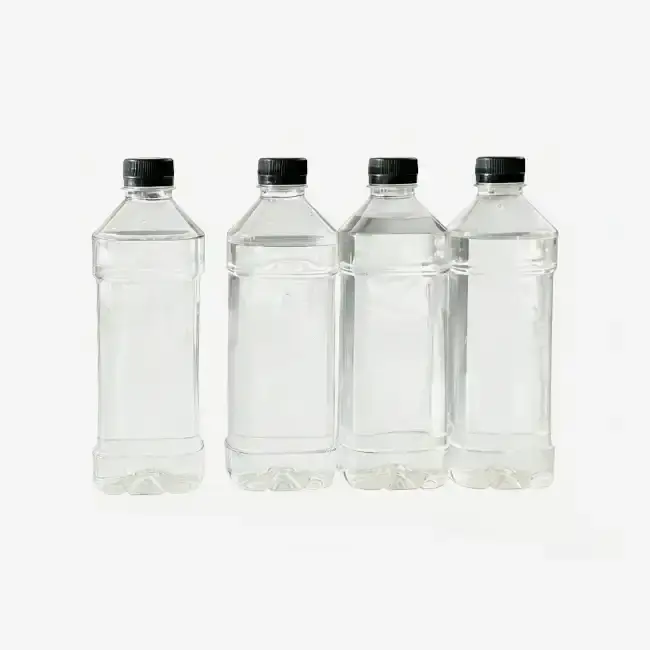
Potassium acetate deicing liquid is a big step forward in the science of winter upkeep. This clear, colorless liquid is mostly made up of potassium acetate salts (CH₃COOK, CAS No. 127-08-2) in amounts usually between 50 and 60% by weight. This compound's chemical structure has a strong effect on lowering the freezing point, which changes the way water molecules interact with the ice and ground.
The Science Behind Rapid Ice Melting
Environmental and Infrastructure Benefits
When making modern purchasing choices, people are weighing the environmental effect against operational efficiency more and more. Potassium acetate breaks down quickly in water and soil without giving off harmful nitrogen compounds like urea-based products do. The Biological Oxygen Demand (BOD) is still much lower than other options, which makes it easier on water areas that are close to treated roads. Because the non-chloride formulation gets rid of the electrochemical rust that hurts concrete rebar, bridge steel, and airplane metals, infrastructure lasts a lot longer. This is a big deal because premature fixes cost cities and airports millions of dollars every year.
Operational Advantages for B2B Buyers
People who work in procurement like how liquid formulations work with current spray tools and automatic application systems. If you store the solution in the right containers, like stainless steel tanks or high-density polyethylene (HDPE) vessels, it will stay stable. Packaging options like 1000L IBC tanks and flexitanks make transportation logistics easier, and they can be used for both small-scale municipal contracts and large-scale regional distribution networks. The chemical structure of the product stays the same through multiple freeze-thaw cycles, so it works reliably during long winters.
Comparing Potassium Acetate with Other Common Deicers
Knowing what other companies are out there helps buyers make smart choices that fit their budgets and operational needs. There are a lot of different options on the market for deicing, including deicing liquid potassium acetate, and each one has its own pros and cons.
Performance Metrics Comparison
Calcium chloride and magnesium chloride are the most common deicing chemicals because they are cheap and have properties that make reactions hotter. When these chloride salts dissolve, they release heat that speeds up the melting process. However, this benefit comes at a high cost: chloride ions get into the cracks of concrete and eat away at the steel reinforcement that is buried in it, which leads to spalling. Studies show that chloride-based deicers shorten the life of pavement by up to 40% compared to acetate-based options.
Sodium acetate is good for the climate, just like potassium acetate, but it has a higher eutectic freezing point, which makes it less useful in very cold weather. Often, the choice between sodium and potassium versions depends on the temperature range and how sensitive the infrastructure is. Below -29°C (-20°F), potassium acetate works better than other materials, so it's the best choice for places that have harsh winters.
Products made from urea pose a different set of problems. Urea was sold at first as being good for the environment, but it breaks down into ammonia compounds that are harmful to aquatic life. Regulatory frameworks in the US and EU are making it harder to use urea near sensitive waterways. This is forcing buyers to switch to acetate formulas that meet strict environmental compliance standards.
Cost-Efficiency Analysis
The price of a product is only one part of the total cost of ownership. Procurement managers have to look at application rates, infrastructure upkeep costs, environmental cleanup costs, and regulatory compliance investments when they are looking at deicing options. Because potassium acetate can penetrate ice better and last longer, it usually needs smaller amounts of product to be used. Protecting infrastructure from chloride corrosion keeps cities from having to pay for expensive repairs that would have cost a lot of money. These advantages in lifecycle costs often make up for higher initial purchase costs, resulting in net savings over multi-year planning horizons.
Application and Safety Guidelines for Potassium Acetate Deicing Liquid
To get the most out of acetate-based deicers, you need to follow the right safety rules and application instructions. The following rules are based on decades of working experience in a wide range of climates and are considered the best practices in the business.
Optimal Application Methods
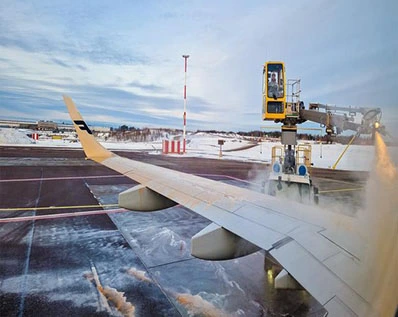
Reactive deicing methods don't work as well as proactive anti-icing tactics. Putting down a potassium acetate solution before a storm makes a buffer layer that stops ice from sticking to the ground. Tanker spray systems with fan nozzles spread the liquid evenly over airports, bridge decks, and highway sections. The suggested rates are 40 to 100 gallons per lane mile, which are adjusted for predictions of temperature and rainfall.
Safety and Handling Protocols
Even though potassium acetate solutions are not as dangerous as chloride salts or glycol-based products, they still need to be handled with the usual care that chemicals need. During shift operations, workers should wear the right safety gear, such as gloves that can fight chemicals and eye protection. The solution has a slightly alkaline pH range of 7.5 to 9.2. In normal situations, it doesn't pose much of a risk for skin irritation.
Storage facilities must have enough airflow and temperature control. The product stays stable over a wide range of temperatures, but direct heat sources and materials that don't work with it should be kept away from storage places. HDPE or stainless steel (304/316 grade) cases keep products from breaking down over time and maintain their integrity. The solution has an endless shelf life as long as it is stored properly. However, it needs to be checked for quality once a year to make sure that the concentration levels stay within the acceptable ranges.
Spill Response and Environmental Compliance
Even though it is biodegradable, spill reaction measures limit the amount of pollution that gets into the environment. Small spills can be cleaned up with sand or other harmless materials, and the reclaimed material can be put in the right containers. Large-scale leaks need to be reported to environmental officials and containment steps need to be put in place. Compared to chloride or glycol events, the low toxicity profile makes cleanup easier, which lowers regulatory risk and the costs that come with it.
Procurement Insights for Potassium Acetate Deicing Liquid
Choosing a dependable supplier is a big decision that affects the continuity of operations during the winter maintenance seasons. Procurement workers should look at possible partners in more than one way, not just by comparing prices.
Supplier Qualification Criteria
Manufacturing capacity and quality approvals are basic ways to make sure that the supply will be reliable. With ISO 9001, ISO 14001, and ISO 45001 certifications, SHANXI ZHAOYI CHEMICAL runs factories that can make 150,000 tons of chemicals every year. These globally accepted standards make sure that manufacturing methods, environmental management systems, and safety rules in the workplace are all the same. KOSHER and HALAL approvals show that a product is safe for use in specific situations where food rules need to be followed.
In this specialized chemical sector, suppliers are set apart by their technical support capabilities. Buyers can change deicing methods to fit their specific operational situations if they have access to application experts, product testing facilities, and optimization advice. Suppliers who offer technical support 24 hours a day, seven days a week are very helpful during storms when problems need to be solved quickly.
Supply Chain Considerations
Different buyers and their own rules about how to buy things can be met by using flexible trade terms like FOB (Free on Board), CIF (Cost, Insurance, and Freight), and DAP (Delivered at Place). Customized packaging solutions take into account limitations on working tools and storage space, and detailed paperwork helps with quality control and import compliance.
Industry Applications and Future Outlook
Potassium acetate can be used for more than just deicing roads. It can also be used in specific situations where performance and environmental safety are very important. Understanding these different use cases helps explain why the product is becoming more popular.
Aviation Sector Applications
To keep airport runways safe, friction coefficients must be kept at a level that allows aircraft brake systems to work properly. Potassium acetate liquid deicers are compatible with aircraft materials and meet the strict SAE AMS 1435 standards. The formula doesn't corrode, so it saves delicate airplane parts like cadmium-plated landing gear, magnesium alloys, and carbon brake systems. Because of rules and insurance requirements that put protecting infrastructure first, major foreign airports have switched to acetate-based runway treatments.
Bridge and Elevated Structure Protection
Because they are open on more than one side and don't have ground heat insulation, bridges freeze before the roads next to them. This effect creates dangerous situations that deicing liquid potassium acetate and acetate-based FAST systems take care of before they happen. Automated monitors start spraying when the temperature of the ground gets close to freezing. This stops ice from forming before it becomes dangerous. The benefits of preserving infrastructure are especially helpful for old bridges where steel corrosion threatens the safety of the public and the integrity of the structure.
Industrial and Specialized Applications
In addition to being used in transportation facilities, potassium acetate is also used as a low-temperature heat transfer fluid in arctic drilling and mining activities. Because it is thermally stable and doesn't catch fire, it can be used safely in tight spaces and high-pressure systems. These industry uses show how versatile the chemical is and open up new market possibilities beyond seasonal demand for deicing.
Regulatory Trends and Innovation
Environmental laws are continuing to make it harder for chloride to be released and for BOD to be added to stormwater runoff. Acetate-based options are becoming more and more required by the U.S. Environmental Protection Agency and state governments near sensitive waterways, which is speeding up market adoption. Formulation improvements focus on better rust inhibitor packages and performance additives that work at a wider range of temperatures while still being safe for the environment. Because of these changes, acetate deicers will likely be the standard for long-term winter upkeep plans.
Conclusion
Deicing liquid potassium acetate (CAS NO.: 127-08-2) brings together operational performance, protecting infrastructure, and environmental duty in a way that modern procurement pros expect. Because it can quickly melt ice at very low temperatures, doesn't corrode, and breaks down naturally, it solves some of the biggest problems that city governments, airport operators, and highway repair companies face. As regulations tighten on older deicing products, acetate-based options provide a long-term answer that safeguards important infrastructure investments and keeps people safe during harsh winter weather. Potassium acetate is the best choice for companies that want to plan long-term winter maintenance programs because it has lower total cost of ownership, reliable supply chains, and technical support from well-known manufacturers.
FAQ
How long does potassium acetate remain effective after application?
The residual effectiveness changes based on how much rain falls and how many cars are on the road. If the surface is dry and there isn't much traffic, the anti-icing protection will last for 24 to 48 hours. When it snows or rains a lot, the solution gets watered down and needs to be applied again. The liquid version sticks to concrete better than granular deicers, so it protects longer and loses less volume due to mechanical movement than regular salt treatments.
Is potassium acetate compatible with all pavement types?
A lot of testing has shown that it works with asphalt, concrete, and special landing materials. The alkaline pH and non-oxidizing chemistry stop the breaking down of aggregates and surface scaling that chloride salts cause. Markings on the pavement and sensors built into the concrete stay the same, which protects the infrastructure for traffic control. Chloride salts make it easier for surfaces to get clogged, which makes drainage less effective. Acetate is better for specialty surfaces like porous friction courses.
What environmental advantages does potassium acetate offer over rock salt?
The biodegradable formula breaks down on its own, so it doesn't build up in the ground or soil. Acetate molecules break down quickly through microbial action, while sodium chloride stays in the environment and hurts plants near roads. The aquatic toxicity is still low, which protects sensitive species in streams that receive stormwater discharge. Eliminating chloride loading protects the quality of drinking water in areas where salt pollution is a risk to public water sources.
Partner with a Trusted Deicing Liquid Potassium Acetate Manufacturer
SHANXI ZHAOYI CHEMICAL has been making acetate for more than 30 years and can help procurement workers who need reliable winter maintenance options. International airports, state transportation offices, and industrial sites in North America and Europe have very strict performance standards that our enterprise-grade formulations meet. We are your key partner in protecting infrastructure and making sure operations keep running during severe weather events. Our production sites are ISO-certified, and we offer full technical support and flexible logistics. Email our skilled staff at sxzy@sxzhaoyi.com to talk about your specific needs, ask for technical information, or set up a product sample. Find out how our dedication to quality, service, and caring for the environment can help your company reach its winter maintenance goals.
References
1. Transportation Research Board. "Guidelines for the Selection of Snow and Ice Control Materials to Mitigate Environmental Impacts." National Cooperative Highway Research Program Report 577, 2007.
2. Fischel, M. "Evaluation of Selected Deicers Based on a Review of the Literature." Colorado Department of Transportation Report CDOT-DTD-R-2001-15, 2001.
3. American Society for Testing and Materials. "Standard Specification for Potassium Acetate." ASTM D7228-15, 2015.
4. Federal Aviation Administration. "Standards for Specifying Construction of Airports." Advisory Circular AC 150/5370-10H, 2018.
5. Levelton Consultants Ltd. "Guidelines for the Selection of Snow and Ice Control Materials to Mitigate Environmental Impacts." Environment Canada Report, 2007.
6. Shi, X., Fay, L., Peterson, M.M., and Yang, Z. "Freeze-Thaw Damage and Chemical Change of a Portland Cement Concrete in the Presence of Diluted Deicers." Materials and Structures, Vol. 43, 2010.

USER EVALUATE
Here is the customer's evaluation of us