



How Does Deicing Solid Potassium Acetate Remove Ice Faster Than Salt?
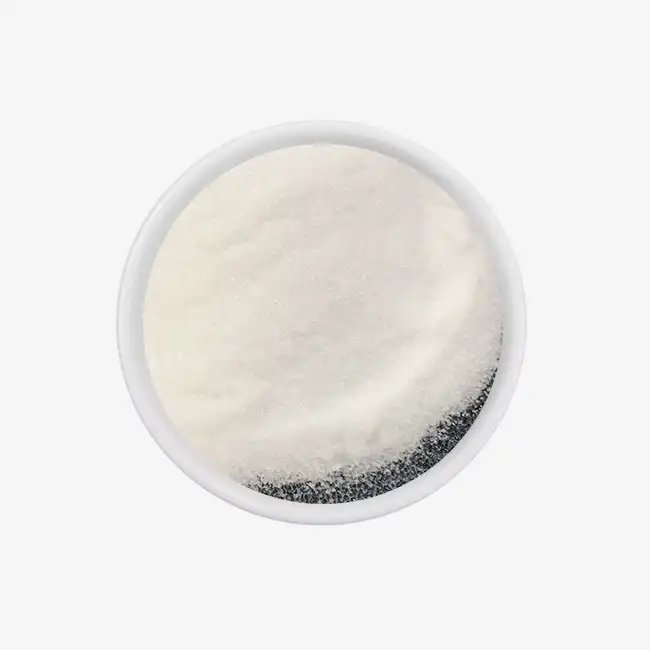
Deicing solid potassium acetate(CAS NO.: 127-08-2) removes ice faster than salt through its exothermic dissolution process and superior freezing point depression capability. When this white crystalline compound (CH3COOK) contacts moisture, it releases heat rather than absorbing it, accelerating the melting reaction. With effectiveness down to -30°C compared to salt's limited performance around -9°C, potassium acetate penetrates ice bonds more efficiently while protecting infrastructure from corrosive damage that traditional chloride-based deicers cause to valuable assets.
Introduction
In the winter, activities in the infrastructure, transport, and logistics sectors are under more and more pressure to keep things safe without hurting the environment or shortening the life of equipment. Every flight delay, closed bridge, or slick loading dock is not only a hassle, but also a big risk of losing money and being sued. For decades, traditional rock salt has been the go-to option for winter maintenance. However, as practical needs grow and environmental rules tighten, its flaws become clearer.
In their search for better deicing options, procurement professionals and facility managers have turned to acetate-based alternatives that melt more quickly and are in line with companies' sustainability goals. Local governments that are in charge of highways, airport owners who are in charge of nonstop operations, and managers of industrial facilities all need the same thing: ice removal that works well and doesn't damage assets over time. This change shows that more and more businesses are realizing that the initial cost of materials needs to be balanced against the costs of long-term upkeep and meeting government standards.
Potassium acetate-based deicing agents are a big step forward in the chemistry of winter maintenance. These chemicals fix important problems that chloride-based products can't, like rust damage to airplane parts, concrete scaling on runways, damage to plants near treated areas, and less efficiency when temperatures are very low. As companies tighten their green purchasing policies and try to get their buildings LEED certified, the need for environmentally friendly deicing solutions has changed from a preference to an operational necessity.
Understanding Potassium Acetate as a Deicing Solid
The Chemical Mechanism Behind Rapid Ice Melting
Potassium acetate (CH3COOK) has a fundamentally different molecular structure from sodium chloride that has direct effects on how well it deices. When this substance breaks down in the thin layer of liquid that covers the top of ice, it damages the network of hydrogen bonds that hold water molecules together in their frozen crystal shape. Acetate ions stop water molecules from arranging into the hard structure that makes solid ice. This happens at the molecular level, stopping ice from forming. This interaction happens more strongly than with chloride ions, which makes the melting process happen faster at first.
Exothermic Properties That Accelerate Performance
Low-Temperature Effectiveness
Solid potassium acetate keeps working at temperatures as low as -22°F (-30°C), which is much lower than the point at which sodium chloride stops being useful. It is possible for potassium acetate solutions to melt ice down to about -60°C in the lab, but in the field, they can melt ice down to about -30°C without any problems. Because of this longer operating window, airports can keep runways safe during very cold spells when flights would normally have to be canceled, and highway officials can keep important bridge decks passable when salting them normally wouldn't work.
Benefits Over Traditional Salt-Based Deicers
Infrastructure Protection and Corrosion Reduction
Chloride-based deicers make steel-reinforced concrete, bridge expansion joints, vehicle undercarriages, and metal airplane parts break down faster. The United States' transportation system alone spends billions of dollars every year on repairs because of rust caused by salt. When potassium acetate formulations are made with the right corrosion inhibitors, this damage pathway is completely blocked. The SAE AMS 1431 standards for aerospace materials say that aluminum alloys, steel, and magnesium parts must go through strict corrosion tests. Potassium acetate that has been properly mixed meets these standards every time, but rock salt fails horribly.
This resistance to rust is especially useful for transportation companies that are in charge of maintaining old bridges. Years of chloride exposure have already caused stress cracks and support bar exposure in highway overpasses that were built decades ago. Switching to deicing solid potassium acetate based on acetate extends the life of structures, putting off costly repairs while keeping people safe. The same idea applies to parking garages, where rebar corrosion and concrete scaling cause legal issues and pricey fixes.
Environmental Stewardship and Regulatory Compliance
When sodium chloride builds up in the soil, it throws off the osmotic balance of plants. This causes a lot of damage to plants along treated roads every spring. Groundwater and surface water sources that are contaminated with chloride pose long-term ecological risks. For example, winter deicing operations can be linked to measurable rises in salinity in some areas. As an alternative, potassium acetate is biodegradable and has a much lower toxic profile. The chemical breaks down naturally with the help of microbes and doesn't build up in the surroundings.
More and more, chloride runoff is limited near protected waterways, LEED-certified buildings, and ecosystems that are sensitive to it. In these situations, organizations have to deal with compliance issues that deicing solid potassium acetate solutions directly fix. The smaller environmental impact of deicing solid potassium acetate helps companies meet their sustainability reporting obligations and demonstrates responsible management to people who are concerned about how operations might affect others.
Economic Advantages Through Asset Preservation
Potassium acetate costs more per ton than raw rock salt, but when you look at the total cost of ownership, the numbers look different. Long-term financial benefits include avoiding corrosion damage, extending the life of pavement, lowering the cost of replacing plants, and lowering the risk of being sued for environmental incidents. Facility managers who keep track of maintenance budgets over several winters notice that the benefits of maintaining infrastructure outweigh the higher costs of materials. This is especially true for valuable assets like airport runways and important transportation routes.
Because the combination works quickly, lower application rates can be used in many situations. Maintenance crews can clear areas with less material when the ice melts faster, which partly makes up for the price difference while improving safety. Treating surfaces right before it rains is an example of strategic application time that maximizes effectiveness while minimizing total material consumption.
Comparative Analysis: Potassium Acetate vs. Salt and Other Deicing Agents
Understanding how different deicing chemicals work lets you make smart purchasing choices that balance the needs of operations, your budget, and your environmental responsibilities. The world of deicing agents is divided into several main groups. Each group has its own pros and cons that determine how well it works in different situations.
Performance Metrics Across Deicing Compounds
Rock salt, which is sodium chloride, has a large share of the market because it has been used for a long time and doesn't cost much to buy. It works well in temperatures above -9°C, so it's good for places with mild winters where it doesn't get very cold very often. The material loses its ability to melt ice as temperatures drop, and it eventually stops melting ice altogether. It's toxic and bad for the environment, which are big problems that cancel out the cost savings in many situations.
Comparing calcium chloride to sodium chloride, it works better at low temperatures and can be used down to about -29°C. This hygroscopic chemical pulls water from the air, which speeds up the melting process. The exothermic breakdown makes some heat, just like potassium acetate does. Its corrosive properties still damage infrastructure and pollute the soil, which means it can't be used in places that are sensitive to the environment.
People like magnesium chloride because it is a less acidic chloride that doesn't hurt plants or concrete as much. It works down to about -15°C, which makes it a moderate improvement over rock salt. Although the compound is no longer toxic, it does add chloride to ecosystems and can still corrode things, especially aluminum parts used in aviation.
Urea has been used on airport runways in the past because it doesn't rust. Its lowest level of efficiency is around -7°C, which makes it very useless during harsh winter weather events. Because it is bad for the environment, urea isn't used for deicing airplanes very often these days. The compound causes eutrophication in water systems and gives off ammonia when it breaks down. Most airports have switched from urea-based treatments to acetate-based ones, which work better and are better for the environment.
The Potassium Acetate Advantage
The best qualities of deicing solid potassium acetate(CAS NO.: 127-08-2) are combined: a very low effective temperature range, a non-corrosive formulation, a biodegradable environmental profile, and quick melting. The material meets the strict SAE AMS 1431 standards for aerospace uses, showing that it can protect aluminum parts in airplanes, landing gear systems, and carbon brake assemblies. This certification gives you peace of mind for the toughest industrial uses where a failed material would have terrible results.
The alkaline pH of potassium acetate (usually 9–11) is helpful because it neutralizes acidic substances on surfaces that have been treated. This ability to buffer helps protect the surface for a long time, going beyond just not corroding. The salt crust that forms on shoes, pet paws, and floors that are moved from treated areas is not left behind by residue from dried potassium acetate solutions.
Application Best Practices for Potassium Acetate Deicing Solid
Optimized Spreading Techniques
To get the most out of potassium acetate, you need to pay attention to how it is used. Before spreading, wetting solid granules with liquid deicer lowers the amount of material that bounces and scatters, starting the melting process as soon as the granules touch the surface. This method works especially well for airport runways, where precise material placement is important for both performance and cost control. Modern spreading equipment with calibrated distribution systems makes sure that the coverage is even at the right application rates.
When you apply something has a big effect on how well it works. If you treat areas right before snow and ice start to build up, they won't stick to the ground. This makes mechanical removal easier and lowers the total amount of material needed. Unlike traditional reactive deicing, which tries to remove ice that has already stuck to surfaces, this anti-icing method uses fewer materials and requires less work. When weather monitoring systems are combined with automated spreading equipment, treatment can be done ahead of time, which maximizes the return on investment.
Dosage Guidelines for Different Scenarios
When there is light frost, deicing solid potassium acetate at 30 to 50 grams per square meter is usually enough to keep ice from forming. Depending on the weather conditions and amount of snow, you may need 50 to 100 grams per square meter for moderate snow buildup. Rates of up to 150 grams per square meter can be used when there is heavy ice accumulation or extremely cold temperatures, but in serious cases, mechanical removal should be combined with chemical treatment to avoid excessive material usage.
The temperature of the pavement has a bigger effect on the application method than the temperature of the air. Infrared surface tracking shows that the thermal mass of the pavement holds heat differently than the air around it. This means that deicing needs vary depending on where they are. Because heat leaves both the top and bottom of cold bridge decks, they need more treatment than at-grade road sections.
Storage and Handling Protocols
Because potassium acetate is hygroscopic, it needs to be kept dry while it is being stored. When things are stored in humid places, they soak up water vapor from the air, which causes caking that makes it harder to handle and spread. Warehouses should keep the relative humidity below 65% and make sure there is enough airflow. Products that are packed in 25 kg plastic woven bags or 1000 kg ton bags must stay sealed until they are used. Any broken packing must be repackaged right away to stop moisture from getting in.
Changes in temperature in storage areas can cause condensation, which lowers the quality of the goods. The best conditions are in climate-controlled warehouses, but well-sealed packaging can help with many storage problems as well. Following the first-in, first-out rule for inventory rotation keeps materials fresh, since products that are getting close to their 12-month shelf life should be quality-checked before being sent out.
Procurement Insights: Buying Potassium Acetate Deicing Solid for B2B Needs
Supplier Evaluation Criteria
There are more important things to look at than just price when choosing a trusted potassium acetate source. Manufacturing capability and yearly production capacity show if a provider can safely meet seasonal high-volume needs without the risk of allocation or lack. Large enough facilities—those that make 150,000 tons of goods every year—can support big building projects, airport operations, and regional delivery networks.
Quality management system certifications show how consistent the manufacturing process is and how well it is controlled. Getting ISO 9001 certification shows that you follow the rules for quality management, and getting ISO 14001 certification shows that you use an environmental management system. Suppliers with ISO 45001 certification put health and safety at work first during all stages of production. These certifications show that management standards that affect product regularity and dependability have been checked by a third party.
Understanding Specifications and Testing
Specifications for buying should include minimum purity standards (usually ≥98% CH3COOK content), maximum allowed impurities (like chloride, iron, and water-insoluble matter), and factors for particle size distribution. Shipments should come with proof of batch testing, which allows for quality control and tracking. Suppliers who go above and beyond standard requirements show that they can make things and are committed to quality, which means that their products will work reliably in tough situations.

Navigating Global Sourcing Logistics
When buying potassium acetate from other countries, you have to think about minimum order quantities, shipping lead times, and how to coordinate logistics. Optimizing the load of a container affects the cost of delivery; full container shipments are more cost-effective than less-than-container-load arrangements. Knowing the difference between FOB and CIF pricing systems makes it clear who is responsible for shipping costs and where risks are transferred during foreign transit.
The process of buying things is sped up by working with skilled chemical providers who keep logistics ties. Suppliers who have long-term relationships with freight forwarders can offer competitive shipping rates and reliable delivery schedules, which are very important during the pre-season stockpiling period when demand rises across the industry. Requesting samples lets you check the product's performance before making a full purchase, which lowers the risk of the purchase and makes sure the product is right for the job.
Why Potassium Acetate is the Preferred Choice for Modern Deicing Solutions
Alignment with Sustainability Objectives
Sustainability efforts at companies are influencing buying choices more and more across all businesses. Potassium acetate is in line with green chemistry principles, which are important to groups that want to leave less of an impact on the environment. Biodegradable formulation supports circular economy ideas because it breaks down naturally instead of building up as long-lasting environmental pollutants. Potassium acetate can be used by LEED-certified buildings, green airports, and environmentally conscious cities and towns without hurting their green credentials.
Customers, investors, and regulatory bodies are all looking more closely at how businesses run, which means that stakeholder expectations about environmental performance are also rising. Switching from chloride-based deicers to acetate-based ones shows a real dedication to caring for the environment. This choice point clearly communicates the value of environmental reporting and corporate social responsibility statements, which are becoming more important to stakeholders who are judging an organization's ideals.
Long-Term Economic Returns
When you look at the prices of materials for more than one season, you can see that there are strong economic reasons to use deicing solid potassium acetate. Infrastructure asset managers who keep an eye on the total cost of ownership see lower upkeep costs as the number of fixes caused by rust goes down. Pavement and concrete surfaces keep their structural stability longer, which means that expensive repairs don't have to be done as often. Because they aren't exposed to chloride, metal parts on vehicles, planes, and facility equipment need to be replaced less often.
Getting rid of liabilities is another economic aspect. Environmental problems caused by chloride getting into protected waterways can lead to fines and cleanup costs that are much higher than the money saved by using cheaper deicers. Claims for property damage caused by structures failing faster because of rust create legal exposure that risk managers are increasingly pointing out as a major worry. Using potassium acetate lessens these liability paths while also making operations better.
Integration with Smart Infrastructure
New technologies in winter repair operations make it possible to use deicing agents more efficiently. IoT-enabled sidewalk sensors constantly check the temperature and moisture of the road surface, setting off automatic spreading systems only when it's necessary. When you combine weather forecasting data with systems that use materials, you can plan maintenance that stops ice from forming instead of fixing it after it has already formed.
Potassium acetate works consistently better in automatic systems than rock salt, which can have different quality levels. Based on validated performance data, precise dosing requirements can be programmed, and spreading equipment can be set up to deliver the right amount of material for the conditions at hand. This connection helps bigger plans for smart cities and smart transportation that use data and automation to make services better while keeping costs low.
Conclusion
The change from standard salt-based deicing to formulations with deicing solid potassium acetate is a big step forward in winter upkeep work. Better performance at low temperatures, protection for infrastructure through no corrosion risk, care for the environment through biodegradable chemistry, and long-term economic benefits through asset preservation all make deicing solid potassium acetate(CAS No.: 127-08-2) the clear choice for businesses that want to be both operationally excellent and environmentally friendly. When purchasing deicing choices, procurement professionals should look at the total cost of ownership instead of just the price of the materials. They should know that investing in high-quality deicing compounds up front pays off in the long run by extending the life of assets and avoiding upkeep costs.
FAQ
What makes potassium acetate more effective at low temperatures compared to rock salt?
Potassium acetate can melt ice at temperatures as low as -30°C because it has better freezing point lowering and exothermic dissolution qualities. At temperatures below -9°C, rock salt is useless because it can't provide enough heat or change the structure of ice molecules. When the acetate compound dissolves, it gives off heat, which warms up the area and speeds up the melting reaction even when it's very cold outside.
Does potassium acetate damage concrete and metal surfaces like traditional deicers?
When made to aerospace standards like SAE AMS 1431, potassium acetate that is properly mixed with corrosion inhibitors does not damage infrastructure. Aluminum, steel, and concrete have been put through rigorous tests that show they don't corrode, which protects the purity of assets. This is very different from chloride-based deicers, which speed up the rusting of steel and the scaling of concrete, which requires expensive fixes to the structure.
How should facilities store potassium acetate to maintain product quality?
Keep potassium acetate in locations that are dry, well-ventilated, and have a relative humidity of less than 65%. The hygroscopic chemical takes in water from the air, which makes it hard to work with because it forms clumps. Keep the product in its sealed container until you're ready to use it. Any damaged bags need to be repackaged right away. The quality of this product stays the same for 12 months if it is kept properly, away from heat, moisture, and things that don't go with it.
Partner with SHANXI ZHAOYI CHEMICAL for Reliable Deicing Solutions
For your winter maintenance problems to be solved, you need to work with a potassium acetate maker that is dedicated to stable quality and a steady supply. Since 1988, SHANXI ZHAOYI CHEMICAL has been making acetate series products. They have over 30 years of experience making chemicals and help contractors who take care of infrastructure, airport operators, and industrial facility managers. Our yearly production capacity of 150,000 tons guarantees a steady supply of bulk goods during times of high seasonal demand. Our ISO 9001, ISO 14001, and ISO 45001 certifications show that we are committed to quality management and the environment.
We make deicing solid potassium acetate that meets strict aerospace standards. It is ≥98% pure, has a low chloride content (≤0.2%), and works at -30°C. Projects of any size can use the product, which comes in 25 kg bags or 1000 kg ton bags. You can email us at sxzy@sxzhaoyi.com to talk about your specific needs, get technical specs, or set up sample packages to check the quality before making a full purchase commitment.
References
1. American Society for Testing and Materials. "Standard Test Method for Scaling Resistance of Concrete Surfaces Exposed to Deicing Chemicals." ASTM C672/C672M-12.
2. Federal Aviation Administration. "Advisory Circular: Guidelines and Procedures for Maintenance of Airport Pavements." AC 150/5380-6C, 2014.
3. National Research Council. "Guidelines for the Selection of Snow and Ice Control Materials to Mitigate Environmental Impacts." NCHRP Report 577, Transportation Research Board, 2007.
4. SAE International. "Aerospace Material Specification: Compound, Solid Runway and Taxiway Deicing/Anti-icing." SAE AMS 1431, Rev. 2018.
5. Transportation Research Board. "Snow and Ice Control: Guidelines for Materials and Methods." NCHRP Synthesis 344, 2005.
6. Williams, David J., et al. "Comparative Environmental Impacts of Chemical Deicers: Chlorides Versus Acetates." Journal of Environmental Management, Vol. 178, 2016.

USER EVALUATE
Here is the customer's evaluation of us