



Deicing Liquid Potassium Acetate: Safety Data and Best Practices
When winter storms threaten critical infrastructure, municipal authorities and airport operators need solutions that work reliably without damaging assets or harming the environment. Deicing liquid potassium acetate has emerged as a preferred choice for professionals managing runways, bridge decks, and highways because it combines exceptional ice-melting performance with minimal corrosion and environmental impact. Unlike traditional chloride-based products that deteriorate concrete and metal, this non-chloride liquid formula (CH₃COOK) maintains effectiveness at temperatures plunging to -60°C while biodegrading safely. Understanding its safety profile and application best practices helps procurement teams make informed decisions that protect infrastructure investments and operational continuity.

What is Potassium Acetate Deicing Liquid and How Does It Work?
The Chemistry Behind Effective Ice Control
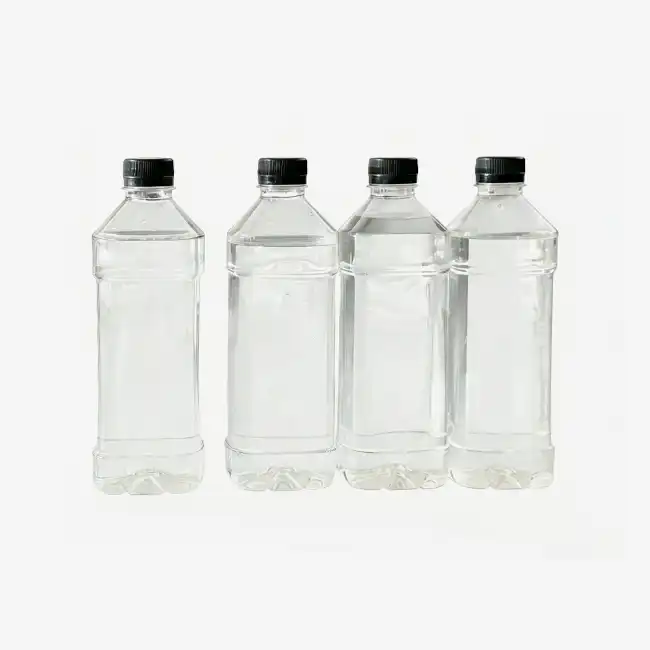
With a molecular weight of 98.14, potassium acetate (CAS NO. 127-08-2) is a clear, white liquid. This acetate-based chemical works by lowering the freezing point. This is done by dissolved particles getting in the way of water molecules forming ice crystals. When the solution is put on pavement, it cuts through existing layers of ice and stops new ties from forming between the ice and the sidewalk.
With a specific gravity between 1.25 and 1.30, the liquid successfully pushes water out of the way, making a barrier that stays flexible even in very cold temperatures. Because it is denser, the product works faster than smaller ones, cutting through layers of snow and ice to get to the ground, where it bonds.
Performance Mechanisms in Real-World Conditions
Formulations made for professionals that have a 50–60% potassium acetate content keep deicing working when other goods fail. The balanced pH range of 7.5 to 9.2 cancels out surface acidity and keeps chemicals from attacking sensitive materials. This well-balanced recipe is why acetate-based solutions are used to make runways safer: the product provides the friction coefficients needed for aircraft operations without damaging the aluminum alloys or magnesium parts found in modern aircraft.
Contractors who take care of highways like how liquid application lets automatic spray systems give exact doses. Granular deicers bounce off surfaces or need to be spread by hand, but liquid deicers spread evenly and start working as soon as they touch. Fixed Automated Spray Technology (FAST) can put down thin, effective layers before storms happen, stopping ice formation completely instead of responding after dangerous conditions have already happened. This is especially helpful for bridge deck security systems.
Safety Data and Environmental Impact of Potassium Acetate
Handling Precautions and Workplace Safety
To properly use acetate-based deicing products, you should first know that they are low-risk. The goods should be kept in stores that are dry, well-ventilated, and away from heat sources and materials that don't go with them. Transporting the solution needs to be done carefully so that containers don't get damaged, but it doesn't pose as many health risks as caustic chloride salts or toxic glycol-based options.
Workers like that liquid potassium acetate solutions don't give off dangerous fumes or need a lot of extra safety gear on top of what is normally needed to handle chemicals. The slightly acidic nature of the product doesn't pose much of a risk for irritation, and the fact that it doesn't contain any heavy metals (lead content = 0.01%, arsenic = 0.0004%) means that there aren't many worries about environmental pollution, even when it's used on a large scale.
Keeping the product in stainless steel or high-density polyethylene (HDPE) cases gives it an endless shelf life, and since it's a liquid, there are no worries about dust exposure that come with powdered deicers. When storing large amounts of goods in 1000L IBC tanks or flexitanks, it's easier to keep track of supplies and less work is needed to move the goods around than when solid products need special storage conditions.
Environmental Advantages and Regulatory Compliance
Biodegradability is a huge benefit for businesses that care about the earth. Potassium acetate breaks down quickly in water and earth without giving off harmful nitrogen compounds like urea-based goods do. Because the Biological Oxygen Demand (BOD) is much lower, marine ecosystems near treated areas are less stressed. This allays the worries of environmental officials and community members.
Chloride content limits of 0.01% or less almost completely get rid of the problems caused by salt pollution that hurts plants along the roads and ruins groundwater sources. As environmental rules get tighter, cities and towns find that acetate solutions help them follow the rules without lowering efficiency. Certifications like ISO 9001, ISO 14001, and ISO 45001 show that a company is committed to quality and environmental management systems, which is something that procurement workers look for in sellers.
The fact that the product meets the requirements of SAE AMS 1435 for aircraft materials proves that it can be used in the toughest situations where performance and material compatibility must be maintained. When protecting important key items that could fail and have big economic and safety effects, this certification is important.
Comparing Potassium Acetate with Other Deicing Solutions
Performance Benchmarking Against Common Alternatives
Calcium chloride and magnesium chloride are the most common types of deicing chemicals because they are cheap. However, they can corrode carbon steel at rates that damage cars and structures in seasons instead of years. Liquid potassium acetate solutions show erosion rates of ≤0.03g/m²·h on carbon steel, which is a small part of the effects of chloride salts, and ≤0.01mm/year on concrete, which means that structures stay strong for decades.
Rock salt, which is made of sodium chloride, only works up to about -9°C, so activities are at risk during very cold spells. Products made from ethylene glycol can handle a wider range of temperatures, but they are more expensive and may be harmful to some people. Some corrosion problems can be avoided with urea-based deicers, but they add too much BOD to rivers and take longer to work than acetate versions.
Using liquid or solid coating ways can also change how efficiently things work. Granular materials need motorized spreaders, move slowly, and often miss their targets when it's windy. Precision spray equipment can work with liquid acetate solutions to make pre-treatment plans that stop ice from forming instead of responding after dangerous conditions have already happened. This proactive method lowers the total amount of product used while also making things safer.
Cost-Performance Analysis for Procurement Decisions
Acetate-based solutions cost more per gallon than regular chlorides, but when you look at the total cost of ownership, you can see that they are better. Initial price differences were balanced out by lower application rates, longer machine life, less need for infrastructure upkeep, and no longer having to pay for environmental cleanup. These lifetime economics are especially important to airport owners because they need to pay more for premium deicing goods to fix damaged runways and keep planes from rusting.
When purchasing deicing liquid potassium acetate from different sources, procurement managers should look at how much it costs to deliver, how much space it takes up, and whether it works with other tools used for the job. Compared to drums or smaller containers, IBC tanks or flexitanks are better for bulk packing because they make less trash and cost less to handle. Product supply is ensured by reliable providers with well-established logistics networks, especially during the busy winter months when spot shortages can force businesses to use less-than-ideal options.
Best Practices for Using Potassium Acetate Deicing Liquid
Application Techniques and Dosage Guidelines
Applying pre-treatments two to four hours before freezing rain or snow is expected is the first step in effective anti-icing. Spray tools should cover the whole road evenly at rates of 20 to 40 gallons per lane mile, though this will depend on the temperature of the ground and how much rain is expected. When the temperature is lower, more needs to be applied, but less is needed for preventative treatments than for reaction deicing of existing ice.
Tanker spray booms cover a lot of ground for runway and highway applications, and automatic bridge deck systems start applications when sensors on the pavement notice conditions that are good for ice formation. Spray equipment that has been calibrated makes sure that the right amount of product is applied. Applying too much loses money and product, while applying too little leaves holes where ice bonds can form.
Monitoring temperatures helps with application choices. Solves containing potassium acetate are still useful at -60°C, but they are most cost-effective when used in temperatures where ice starts to form. By integrating weather predictions, operations can time applications to work best, putting up defenses before storms happen instead of moving when conditions are dangerous.
Storage Management and Equipment Compatibility
Keeping products safe and effective over the winter requires the right way to store them. Facilities should store the product in a way that keeps it from freezing and thawing, but since the product has a very low freezing point (-60°C), this is usually not a big problem. Ventilation keeps wetness from building up, and normal chemical storing procedures call for keeping chemicals away from materials that aren't compatible.
Equipment suitability checks keep expensive damage from happening and make sure that processes run smoothly. Some metals and elastomers may break down after being in contact with acetate for a long time, but stainless steel, HDPE, and some hybrid materials can handle it. Parts of a spray system like pumps, lines, nozzles, and tanks should be tested to make sure they work with acetate. The companies that make the equipment can give you advice on what materials to use.
Common Mistakes to Avoid
Operations sometimes use too much of a product because they think that more will get better results. However, using too much of a product wastes money and doesn't improve performance. The best use of every dollar spent is when the coating is adjusted based on the temperature of the ground and the weather.
It costs more and doesn't work as well to wait until ice forms before treating it than to do it before it forms. Using potassium acetate in anti-icing methods makes walls that stop ice from sticking together, which lets plows clear snow and ice quickly and with few chemicals.
Not taking care of your tools means that applications and systems will break down at bad times. Checking the settings of spray systems and replacing parts on a regular basis keeps them from breaking down when deicing needs are at their highest.
Procurement Guide for Potassium Acetate Deicing Liquid
Supplier Selection Criteria
To find dependable deicing liquid potassium acetate makers, you need to look at a number of important factors. When operations need large amounts, production ability is important. Suppliers with high yearly output, like factories that make 150,000 tons of acetate products, can fill large orders and keep stock during the busiest winter months. Standard sales with lead times of 5 to 7 working days show that production is prompt.
Quality approvals guarantee that the specifications of a product will always be the same. ISO 9001 certification shows that a company has quality management systems in place. ISO 14001 and ISO 45001 certifications show that a company is committed to protecting the environment and people. KOSHER and HALAL approvals show that strict rules were followed during production, even for non-food uses. This shows that manufacturers care about cleanliness and tracking.
When operations need help with application advice or problems, technical support skills set suppliers apart. Offering technical help 24 hours a day, seven days a week, product testing, and suggestions for improvement are valuable services that go beyond basic price. This knowledge comes in very handy when adding acetate solutions to deicing programs that are already in place or when choosing tools for brand-new installs.
Logistics and Quality Assurance
How the goods are transported has a big effect on how much they cost and how reliable they are. When suppliers keep relationships with well-known shipping companies, they can get cheap freight rates and guaranteed container space during the busiest shipping times of the year. Knowing different trade terms like FOB, CIF, and DAP makes it easier for buying teams to compare quotes correctly and handle the operations of importing goods effectively.
Full batch tests and tracking are the first steps in quality assurance. Reliable sellers give certificates of analysis that prove the product's performance traits (freezing point, pH range, deicing rate), impurity levels (chloride ≤0.01%, iron ≤0.002%, heavy metals ≤0.01%), and potassium acetate concentration (50–60%). When standards are very important, like in aerospace or secret infrastructure, third-party testing verification gives you more peace of mind.
The type of packaging affects how easy it is to handle and store. Bulk orders in 1000L IBC tanks work well for businesses that need to store a lot of things and use them a lot, while flexitanks make container shipping more cost-effective for buying things from other countries. Custom packaging solutions meet the specific needs of each operation, and providers who are flexible with package designs make logistics management easier.
Conclusion
Deicing liquid potassium acetate has been used for many years to keep infrastructure safe and be environmentally friendly during winter repair work. It works well in very cold temperatures, doesn't cause corrosion, breaks down quickly in nature, and can be used in a variety of ways, which is why airports, cities, and industry sites that manage important properties use it. To adopt something successfully, you need to know the right way to do it, choose reliable suppliers, and stick to best practices that improve performance while keeping costs low. Buying good acetate-based deicing products saves millions of dollars worth of infrastructure investments and keeps things running even when winter weather threatens safety and productivity.
FAQ
Is potassium acetate safe for bridge infrastructure and aircraft components?
Formulations based on potassium acetate are better than chloride-based ones at stopping rusting. The product saves bridge decks, rebar, and other structural elements by rusting carbon steel at a rate of −0.03g/m²·h and concrete at a rate of ≤0.01mm/year. Because aircraft aluminum alloys, magnesium parts, and cadmium-plated parts all work well together, acetate-based deicers can be used on runways according to aerospace standards (SAE AMS 1435). The balanced pH range stops the acidic attack that some other options cause.
What temperature range does potassium acetate work effectively?
At temperatures as low as -60°C (-76°F), professional-grade potassium acetate treatments still work, giving you a lot of extra safety over normal winter conditions. The eutectic point recipe makes sure that the product stays liquid and works at temperatures where salt and glycol-based products stop working. Testing shows that ≥80% of the ice is gone within an hour at -20°C, proving that the system will work reliably during severe winter weather events.
How does environmental impact compare to salt brine?
Potassium acetate breaks down quickly and doesn't build up in soils or waterways if its biodegradability is over 90%. The very low chloride content (≤0.01%) means that there are no worries about salt pollution harming plants and groundwater quality along roadsides. Lower BOD compared to urea-based goods makes marine environments less stressed. This helps meet environmental rules that limit chloride use near sensitive water sources more and more.
Partner with Zhaoyi Chemical for Reliable Deicing Solutions
Zhaoyi Chemical has been making acetate for more than 30 years and can help you with your winter care needs. Our deicing liquid potassium acetate source can produce up to 150,000 tons of it every year, so it will always be available in bulk when demand is highest in the winter. The clear, colorless liquid keeps its slightly acidic taste and ability to work at -60°C thanks to strict quality controls backed by ISO 9001, ISO 14001, and ISO 45001 standards. Our expert team can help you with your application and is always ready to help, whether you're protecting airport runways, bridge infrastructure, or industrial sites. You can email us at sxzy@sxzhaoyi.com to talk about your unique needs, get technical specs, or set up product samples that show how our acetate solutions can protect your assets and meet your environmental obligations.
References
American Society for Testing and Materials (ASTM). "Standard Practice for Determining Corrosion Rates and Corrosivity of Anti-Icing and Deicing Chemicals." ASTM International Standards, 2019.
Environmental Protection Agency. "Best Management Practices for Environmental Protection During Winter Maintenance Operations." EPA Transportation and Air Quality Report, 2018.
Fischel, M. "Evaluation of Selected Deicers Based on a Review of the Literature." Colorado Department of Transportation Research Report, 2017.
Society of Automotive Engineers. "SAE Aerospace Material Specification AMS 1435: Potassium Acetate Based Runway and Taxiway Deicing/Anti-Icing Fluid." SAE International Publications, 2020.
Transportation Research Board. "Guidelines for the Selection of Snow and Ice Control Materials to Mitigate Environmental Impacts." National Cooperative Highway Research Program Report, 2016.
Warrington, P. D. "Effectiveness and Environmental Acceptability of Ice-Control Agents." Ministry of Transportation Performance Studies, 2018.

USER EVALUATE
Here is the customer's evaluation of us