



Long-Lasting Ice Prevention with Solid Potassium Acetate
When winter storms risk operations, deicing solid potassium acetate stops ice in a reliable and environmentally friendly way that saves infrastructure while causing the least amount of damage to the environment. This white crystalline compound (CH3COOK) works well at temperatures as low as -30°C. It can be used instead of chloride salts by airport operators, highway builders, and building managers because it doesn't corrode. As sustainability and performance become more important to businesses, it's important to know the technical benefits and buying factors of this modern deicing agent in order to keep areas safe and free of ice even in the worst winter weather.

Understanding Solid Potassium Acetate for Deicing
Chemical Composition and Physical Properties
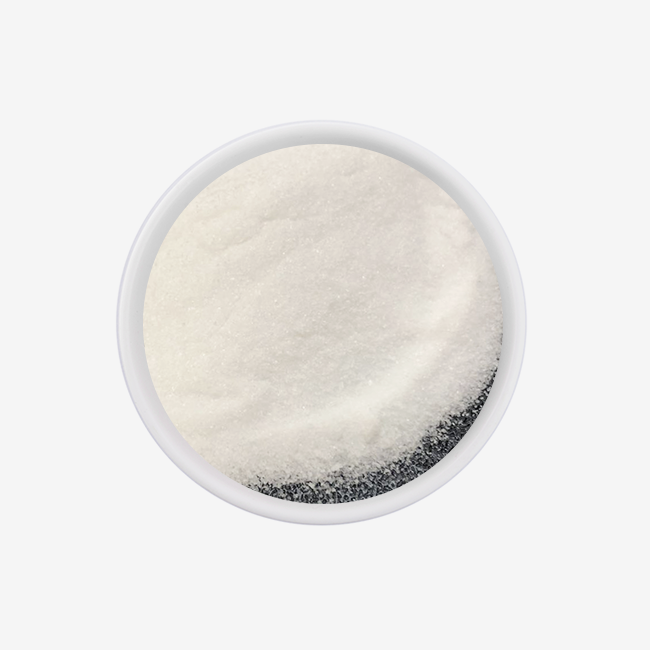
Deicing solid potassium acetate (CAS 127-08-2) is a powerful, non-chloride chemical that has the formula CH3COOK and a molecular weight of 98.14. This white solid material dissolves easily in water, acid, and alcohol, making a brine that works well to lower the freezing point of water. Unlike most salts, which only lower freezing temps, deicing solid potassium acetate works by dissolving through an exothermic process. When it comes into contact with water, it releases heat that speeds up the melting of snow and ice down to -30°C (-22°F). In the best conditions, the eutectic point can drop to -60°C. This substance is usually more than 99% pure, so it works the same way in all kinds of environments. It also has a slightly alkaline pH (9–11) that helps balance acidity on surfaces it is applied to.
How Potassium Acetate Disrupts Ice Formation
Breaking up hydrogen bonds at the molecular level is what makes ice melt. When added to frozen surfaces, deicing solid potassium acetate breaks through the ice layers, making it easier for sweepers to remove the sidewalk mechanically. The acetate anion changes the way water molecules are organized, which stops them from recrystallizing even when the temperature drops again. Unlike rock salt, which needs to be reapplied every time the temperature changes, this protects for a longer time. Because deicing solid potassium acetate is biodegradable, it doesn't hurt the environment when it breaks down. It does this without releasing chlorides, which speed up the rusting of steel in reinforced concrete or aluminum in plane parts.
Environmental and Safety Advantages
Deicing solid potassium acetate has a very different effect on the environment than chloride-based deicers. It doesn't pose much of a threat to plants, animals, or water sources while still effectively melting ice. The Biological Oxygen Demand (BOD) stays low, which stops the eutrophication issues that come with options based on urea. These benefits have been recognized by aviation officials, who have approved deicing solid potassium acetate formulations for use on runways where safety for planes and environmental protection meet SAE AMS 1431 standards. Standard safety measures, like gloves and eye protection, must be taken when handling this material, and it must be stored in dry, well-ventilated buildings away from substances that are not compatible. Safety Data Sheets show that it is not poisonous, but because it is hygroscopic, it needs to be kept dry during storage to avoid caking.
Effective Application Methods and Safety Practices
Tailored Application Techniques Across Environments
Using deicing solid potassium acetate effectively strikes a balance between melting the ice as quickly as possible and being good to the environment. The way to apply it depends on the situation and how bad it is:
- Aviation Airside Operations: Runways and taxiways at airports need to be applied precisely with regulated spreaders. Granular deicing solid potassium acetate breaks up the links between sidewalk layers so that thick ice crusts can be broken through. This lets mechanical removal tools quickly clear surfaces. Pre-treatment before storms protects against icing, and it costs less in labor and materials than reactive deicing after buildup.
- Transportation Infrastructure: Highway bridges, parking decks, and overpasses can benefit from focused application when chloride use isn't possible because of worries about structural stability. Spreader tools should spread the stuff out evenly at the rates suggested by the manufacturer based on the temperature of the ground and the thickness of the ice. Techniques for pre-wetting improve initial bonding and lower scatter losses.
- Industrial and Commercial Facilities: Distribution centers, hospitals, school sites, and factories need safe entry for both cars and people. Deicing solid potassium acetate is spread on paths, loading docks, and parking lots by hand or with machines. The recipe doesn't corrode, so it saves metal grating, painted surfaces, and building features that normal salts would hurt.
Dosage Recommendations and Temperature Optimization
Rates of application are usually between 30 and 90 grams per square meter, but they depend on how thick the ice is and how warm the air is. When it's close to freezing (-1°C to -5°C), smaller deicing solid potassium acetate sprays are enough to keep things from freezing. As the temperature drops to between -15°C and -30°C, higher doses are needed to make sure that enough brine is formed and heat is released. By keeping an eye on weather predictions, preventative application can happen before it starts to rain, which uses a lot less material overall than reactive deicing. Too much application loses resources and makes runoff problems worse, so regulated tools and trained staff are the best ways to get the best performance and lowest costs.
Storage, Handling, and Regulatory Compliance
Proper bulk storage keeps deicing solid potassium acetate safe and workers safe. Warehouses need to keep the humidity low so that wetness doesn't build up and cause caking. Standard packaging includes 25 kg plastic woven bags for easy handling and 1000 kg ton bags for bulk uses. If you need unique packing, just let us know. Care is needed to keep packages from getting damaged during shipping that could let moisture into the material. Facilities should keep unsuitable chemicals away from each other and make sure there is enough air flow. Different areas have different rules about how to follow them. For example, airports have to follow the rules set by the flight authority, while cities and towns have to follow their own environmental rules for stormwater flow. Safety Data Sheets, product specifications, and application records are examples of documentation that shows due care and supports the need for environmental reports.
Comparing Potassium Acetate Deicers — Making the Rational Choice
Solid Versus Liquid Formulations
Deicing solid potassium acetate comes in both solid and liquid types, and each is best for a different job. Solid versions make it easier to store in bulk, are lighter to move, and can be used by hand or by a machine. When applied, the grainy structure gives you grip on wet or slippery surfaces. Liquid versions make it easier to spray on large areas and pre-wet solid materials to make them stick better, but they need special holding tanks and pumping equipment. When buying something, people should think about the storing system, the application equipment that is available, and how they'd like to handle it. Deicing solid potassium acetate is still the best option for businesses that don't have enough space to store liquids or need to be able to distribute them easily to multiple locations.
Performance Comparison with Traditional Deicers
By looking at the total costs of ownership, deicing solid potassium acetate's value goes beyond just being a good buy. Rock salt, which is sodium chloride, seems cheap at first, but it causes rust that needs expensive fixes to infrastructure, like steel rebar corrosion in bridge decks, concrete spalling, and vehicle undercarriage wear and tear. Calcium chloride works less well at lower temperatures, but it makes rust worse and hurts plants. Magnesium chloride has some of the same problems as rock salt, but it costs more. Deicing solid potassium acetate gets rid of the costs of corrosion-related repairs, makes infrastructure last longer, and keeps environmental cleanup costs from happening. Because it works better at low temperatures, it doesn't need to be reapplied as often, which saves money on labor and keeps operations running smoothly. These long-term benefits are known by aviation facilities and environmentally conscious places, which is why they choose to invest in acetate-based options.
Supplier Selection Criteria for Reliable Procurement
Choosing providers with a good reputation guarantees steady product quality and the dependability of the supply chain. Important factors for review include product quality certifications, such as ISO 9001 for quality management, ISO 14001 for environmental management, and SAE AMS 1431 for aircraft uses, which show that a company is serious about following the rules. For food-grade uses, you may need more Kosher and Halal certificates. Laboratory test results that confirm the standards prove the purity, chloride content, ability to stop corrosion, and particle size distribution. If providers can handle regular demand spikes without having to allocate, it depends on their production capacity and scalability. Facilities that can produce more than 100,000 tons of deicing solid potassium acetate per year and have flexible production schedules give customers peace of mind that their needs will be met. Clear communication about wait times, minimum order amounts, and inventory availability keeps operations from being surprised during busy winter months. After-sales support, such as expert advice, application training, and quick customer service, is what sets exceptional sellers apart.
Bulk Procurement Guide: How to Buy Solid Potassium Acetate Deicer
Locating Reputable Manufacturers and Suppliers
To find suitable providers of deicing solid potassium acetate, you need to do more than just search the internet. Industry trade groups, lists of products allowed by the airport authority, and suggestions from other facility managers are all good places to start. Manufacturers who have been exporting for a long time know about foreign operations, the paperwork that needs to be done, and what quality standards are expected. Zhaoyi Chemical was founded in 1988 and has been making deicing solid potassium acetate for more than 30 years. They are a good example of the industrial depth that makes sure there is a steady supply. Scale is needed for big B2B purchases, as shown by production sites that cover 27,000 square meters and can handle 150,000 tons per year. Certifications like ISO 9001, ISO 14001, ISO 45001, Kosher, and Halal show that a company is committed to quality and following the rules in a wide range of situations.
Understanding Pricing Structures and Payment Terms
Deicing solid potassium acetate prices depend on the cost of raw materials, the amount that is made, the quality standards, and the number of orders that are placed. Buying in bulk usually lowers the cost per unit, which encourages bigger minimum order amounts. Purchasing managers should ask for thorough quotes that include information about the products, how they can be packaged, how they will be delivered (using Incoterms like FOB, CIF, or DDP), and how they will be paid. By making long-term deals with suppliers, you may be able to get better prices and a guaranteed share during times of high demand. Changes in currency and shipping costs have a big effect on landed costs. To make sure planning is correct, you need to do a full total cost analysis that includes freight, insurance, duties, and handling. For seasonal purchases, it's easier to handle cash flow when suppliers offer flexible payment terms like letters of credit or net payment times.
International Shipping and Logistics Planning
When you buy deicing solid potassium acetate across borders, you have to think about paperwork, rules, and deadlines. To avoid delays, export and import permits, material safety statements, and customs clearance papers must be filled out correctly. Suppliers with a good reputation keep in touch with foreign shipping companies so they can offer competitive freight rates and reliable arrival times. Shipping large items in containers is a cheap option, but you need to plan ahead because the wait times are 4 to 8 weeks and the winter season starts soon after. Air freight speeds up delivery for urgent needs, but it costs a lot more. Having domestic warehouses close to operating sites cuts down on last-mile transport times and makes just-in-time restocking possible. Purchasing departments should work with suppliers to set shipping times that are in line with yearly demand curves. This way, there will be enough inventory without having to pay too much for it or not having enough room to store it.
Future Outlook and Market Trends of Potassium Acetate Deicing Solutions
Sustainability-Driven Innovation and Regulatory Evolution
The deicing solid potassium acetate business is becoming more environmentally friendly, with a bigger focus on protecting infrastructure and the environment. Regulatory frameworks are making it harder for chloride to flow into sensitive waterways, which is leading to changes in specifications that support acetate-based options. The US Environmental Protection Agency and state environmental agencies keep an eye on the quality of rainwater flow. This puts pressure on traditional salt to meet certain standards. New products now have better corrosion inhibitors, better particle engineering for better spreading, and mixed formulas that mix deicing solid potassium acetate with substances that work well together for certain performance profiles. When companies spend money on research and development, they come up with new products that are good for the environment and work well in the real world.
Smart Infrastructure Integration and Automated Application
Precision application devices are changing the way deicing solid potassium acetate is used thanks to progress in technology. Weather tracking devices, road surface temperature gauges, and automated spreading tools make it possible to use data to move materials in a way that reduces waste and raises safety. Integration of the Internet of Things (IoT) lets deicing processes be monitored and controlled from afar across multiple locations. These systems figure out the best time and amount of deicing solid potassium acetate to use by looking at the current situation instead of following set plans or the operator's guess. Smart infrastructure compatibility is becoming more and more important in procurement plans, and suppliers who offer technical help for system integration are favored. When companies use these technologies, they can measureably cut down on material use, labor costs, and damage to the environment, all while improving safety.
Strategic Supply Chain Resilience
Recent problems in the global supply chain show how important it is to have strong buying plans for deicing solid potassium acetate. Having a variety of supplier relationships, keeping smart inventory backups, and forming long-term partnerships can help lower the chances of allocation gaps during times of high demand. When choosing partners, procurement workers should look at how financially stable the seller is, how many ways they have to make things, and how flexible their logistics are. Regional manufacturing lowers the need for shipping and carbon emissions while also making the supply chain more flexible. More and more, companies that care about the environment do checks of their suppliers to make sure they follow fair business practices, safety standards for workers, and good environmental management. These thorough reviews make sure that the ideals of the company and the operations of the supply chain are in line with each other. This builds strong partnerships that can handle changes in the market.
Conclusion
Deicing solid potassium acetate is a big step forward from chloride salts because it works better at low temperatures and is better for the environment and infrastructure. When making a purchase choice, it's important to look at the total lifecycle costs, not just the original purchase cost. This is because preventing corrosion and reducing the need for environmental cleanup have big long-term benefits. By choosing makers with a lot of knowledge, strong quality systems, enough production capacity, and helpful customer service, you can set up reliable supply chains that can meet seasonal needs. As environmental concerns grow and rules about buying things become stricter, companies that use deicing solid potassium acetate methods will be better prepared to do their jobs well and follow the rules about the environment.
FAQ
Is deicing solid potassium acetate safe for use near vegetation and water sources?
Compared to chloride-based deicers, deicing solid potassium acetate is better for the environment. It breaks down naturally and doesn't build up in the earth or water, and the low Biological Oxygen Demand keeps marine ecosystems from being upset. Plants can handle acetate much better than chloride salts, which burn leaves and make the earth salty. Deicing solid potassium acetate can be used safely in places that are close to streams, protected habitats, or LEED-certified buildings, but making sure to follow the suggested application rates will stop extra water from running off.
What temperature range makes potassium acetate effective?
Deicing solid potassium acetate works well at temperatures as low as -30°C (-22°F) in most situations, and its possible eutectic points can reach -60°C. Rock salt doesn't work at temperatures below -9°C, so this is a lot better. The exothermic dissolution process makes heat that speeds up melting even when it's very cold outside. This makes it perfect for hard winter conditions where regular deicers don't work.
What are typical minimum order quantities and delivery timelines?
Minimum order numbers for deicing solid potassium acetate depend on the seller and the type of product, but they are usually between one pallet (about one ton) and twenty-five to thirty-five tons for full containers. When businesses buy in bulk, they often need to use more than one container to get better prices. International shipping times for ocean freight range from 4 to 8 weeks, so you need to plan ahead before winter comes. For smaller amounts, domestic providers may be able to offer faster lead times. During the summer, procurement managers should start talking about sources to make sure that merchandise is properly placed.
Partner with Zhaoyi Chemical for Premium Deicing Solid Potassium Acetate
Zhaoyi Chemical is a reliable company that makes high-purity deicing solid potassium acetate. They have been in business for over 30 years and can make 150,000 tons of it every year. Our ISO-certified manufacturing makes sure that the quality always meets the high standards needed for aircraft, infrastructure, and environmental uses. We offer a range of flexible packaging choices, such as 25 kg bags and 1000 kg ton bags, as well as full technical support and dependable foreign shipping partnerships. Our dedication to quality, ecology, and customer success makes us a reliable source for organizations that need deicing solid potassium acetate. Email our team at sxzy@sxzhaoyi.com to talk about ways to buy in bulk, get product samples, or get full specs that are specific to your needs. Find out how our performance-driven, eco-friendly solutions improve winter safety plans and protect important infrastructure investments.
References
Transportation Research Board. Handbook of Test Methods for Evaluating Chemical Deicers. National Academy of Sciences, 2007.
Shi, X., Fay, L., Peterson, M., and Yang, Z. Freeze-Thaw Damage and Chemical Change of a Portland Cement Concrete in the Presence of Diluted Deicers. Materials and Structures, 2010.
Society of Automotive Engineers. SAE AMS 1431: Compound, Solid Runway and Taxiway Deicing/Anti-Icing. SAE International, 2018.
Environmental Protection Agency. Environmentally Acceptable Deicers for Airport Pavement Applications. Office of Research and Development, 2012.
Williams, D., Fischel, M., and Lambeth, D. Development and Implementation of Environmentally Acceptable Deicers. Transportation Research Record, 2006.
American Concrete Institute. Guide to Deicer Scaling Resistance. ACI Committee 201, 2008.

USER EVALUATE
Here is the customer's evaluation of us