



Deicing Solid Potassium Acetate for Efficient Ice Control
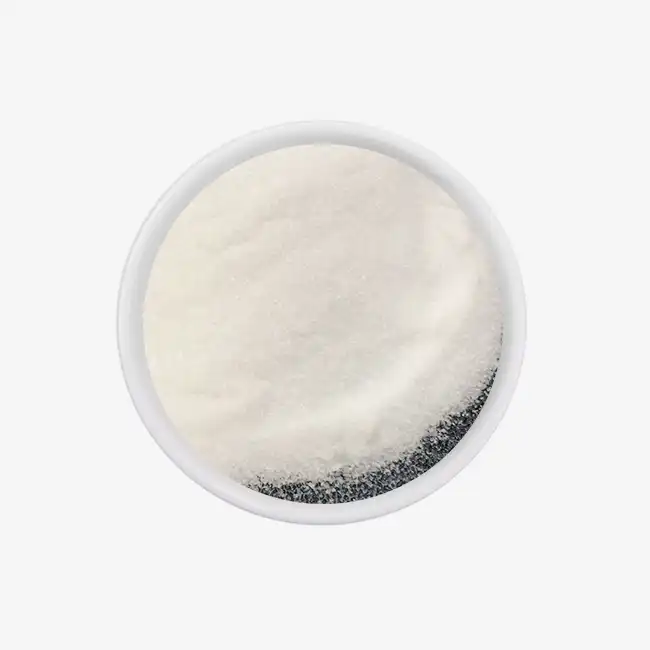
When winter weather threatens operations' safety and continuity, it's very important to pick the right ice control solution. Deicing solid potassium acetate(CAS NO.: 127-08-2) is a big step forward in winter maintenance technology. It works better than anything else in very cold weather and is better for the environment and infrastructure. In places where rock salt doesn't work well, like airports, highways, and factories, this white crystalline substance (CH3COOK, CAS NO. 127-08-2) is the best choice because it can reliably melt ice down to -30°C.
Understanding Deicing Solid Potassium Acetate
Chemical Properties and Ice-Melting Mechanism
Deicing solid potassium acetate works by lowering the freezing point, which prevents ice crystals from forming at the molecular level. Applying this compound to frozen surfaces causes an exothermic reaction as it dissolves, releasing heat that accelerates the melting process. Unlike endothermic options that absorb heat from the environment, this unique feature of deicing solid potassium acetate makes it easier to remove snow and ice more quickly. Because it dissolves easily in water and has a molecular weight of 98.14 g/mol, it rapidly penetrates layers of ice, breaking the bond between pavement and frozen precipitation.
Performance in Sub-Zero Conditions
Aviation officials and people in charge of infrastructure have a big problem to solve: keeping areas safe when the temperature drops. Around -15°C, traditional calcium chloride stops working, which leaves activities open to damage during bad weather. At temperatures as low as -30°C (-22°F), potassium acetate keeps working well, making sure that runways are safe and highways are accessible when people need them the most. This wider temperature range gives procurement managers peace of mind that their investment will pay off even in the coldest winter weather.
Environmental and Safety Advantages
Acetate-based deicers are different from chloride salts that remain in soil and waterways because they break down naturally. Deicing solid potassium acetate decomposes naturally without releasing toxic chemicals, helping protect marine ecosystems near treated areas. Its low corrosion profile preserves the integrity of parking structures, bridge reinforcement steel, and aircraft components. Buildings that are LEED-certified or located near sensitive waterways benefit from complying with environmental regulations while still maintaining safety standards. The alkaline pH range of 9–11 helps neutralize acidic conditions on concrete surfaces, extending the service life of infrastructure.
Proper Handling and Storage Requirements
Because potassium acetate is hygroscopic, it needs to be stored with great care. Absorption of moisture can lead to caking, which makes the application less effective and makes equipment adjustment more difficult. Warehouses should be kept dry, well-ventilated, and, if possible, climate-controlled. Standard packaging in 25 kg plastic woven bags makes it easier to handle by hand, while 1000 kg tonne bags are better for bulk operations that need to use forklifts. Keeping products away from heat sources and away from things that don't go with them helps them stay intact while they're being stored.
Comparison of Potassium Acetate with Other Deicing Agents
Performance Analysis Against Traditional Alternatives
Before making a purchase choice, it's important to know how different deicing chemicals work in the real world. Calcium chloride is good at melting at first, but it speeds up the breakdown of concrete and hurts plants. Magnesium chloride also causes corrosion and leaves behind slippery residues that are another safety risk. Rock salt, which is sodium chloride, doesn't work at all below -9°C and pollutes groundwater. Even though urea is organic, it doesn't work below -7°C and releases nitrogen compounds that cause algae blooms in the water it touches.
Potassium acetate makes up for these flaws by having balanced performance characteristics. Testing in the aviation industry shows that it doesn't corrode and meets SAE AMS 1431 standards for use on runways. Bridge engineers like it when steel reinforcements are protected because it makes the structure last longer. Environmental compliance officers like that it isn't toxic and breaks down quickly, so it doesn't have a big effect on the environment. Effectively melting ice, protecting infrastructure, and caring for the environment all work together to create a lot of value for businesses that want to be more efficient in the long term.
Solid Versus Liquid Formulations
Potassium acetate, both solid and liquid, is used for different things. Solid granular forms are great at breaking through thick layers of ice because the particles can get into cracks and crevices and get in from different directions. By pre-wetting solid materials with liquid acetate, bounce and scatter are reduced during mechanical spreading, which makes the process more effective. It is possible for liquid formulations to stop ice from forming completely when they are used before it starts to rain. Getting procurement teams to choose the right mix of products for their needs is easier when they know when each format works best.
Procurement Guide for Deicing Solid Potassium Acetate
Supplier Selection Criteria
Identifying reliable suppliers requires evaluation beyond pricing considerations. Manufacturing capacity determines whether suppliers can fulfill large orders during peak demand periods. Shanxi Zhaoyi Chemical maintains 150,000-ton annual production capacity with flexible scheduling to accommodate bulk requirements. Quality management certifications, including ISO 9001, ISO 14001, and ISO 45001, demonstrate commitment to consistent standards. Specialized certifications like Kosher and Halal approval indicate attention to detail that translates across all production batches.
The ability to provide technical help is what sets strategic partners apart from commodity providers. Access to application guidance helps operations teams optimize dosing rates and application timing. Batch-specific documentation provides traceability for compliance reporting. Responsive communication channels ensure questions receive prompt answers during critical decision periods. These value-added services become increasingly important as organizations expand their winter maintenance programs.
Packaging Options and Logistics Considerations
Transportation logistics significantly impact total acquisition costs and operational convenience. Standard 25kg bags suit operations with manual spreading equipment or smaller treatment areas. The manageable weight facilitates storage rotation and reduces handling injuries. Large-scale operations benefit from 1000kg ton bags that minimize packaging waste and streamline forklift handling. Custom packaging arrangements accommodate unique storage constraints or application equipment specifications.
Delivery scheduling coordination for deicing solid potassium acetate(CAS NO.: 127-08-2) prevents inventory shortages during weather events while avoiding excessive stockpiling that ties up capital. Established relationships with international shipping networks enable reliable delivery timelines. Container loading optimization reduces per-unit transportation expenses on bulk orders. Procurement managers should request delivery lead time estimates when evaluating suppliers, building appropriate safety stock based on historical weather patterns and consumption rates.
Quality Assurance and Specification Verification
Technical specifications provide the foundation for performance expectations. Purity levels exceeding 99% ensure predictable ice-melting capacity per unit weight applied. Water-insoluble content below 0.05% prevents clogging of mechanical spreaders and maintains consistent flow rates. Chloride content restrictions below 0.2% protect sensitive infrastructure from corrosion damage. Iron content limits preserve product appearance and prevent staining on concrete surfaces.
Requesting batch-specific certificates of analysis allows verification that the delivered material meets specifications. Particle size distribution data assists with spreader calibration to achieve target application rates. Moisture content testing confirms that proper packaging and storage prevented degradation during transportation. These quality verification steps protect procurement investments and ensure operational effectiveness when materials reach the field.
Application Best Practices for Potassium Acetate Deicing Solids
Recommended Dosing and Application Timing
Effective ice control with deicing solid potassium acetate balances application rates with environmental conditions and safety requirements. Anti-icing applications before precipitation events typically require lower rates than deicing established accumulations. Starting with conservative doses allows operators to assess effectiveness before committing additional material. Surface temperature, humidity levels, and precipitation intensity all influence optimal application rates.
Application timing significantly impacts overall material consumption and clearance speed. Treating surfaces with deicing solid potassium acetate before snow bonds to pavement prevents ice layer formation that requires mechanical removal. Early intervention reduces total chemical requirements while improving safety outcomes. Weather monitoring integration helps maintenance teams anticipate treatment needs and position equipment strategically. These proactive approaches demonstrate operational sophistication that reduces costs while enhancing service levels.
Equipment Requirements and Calibration
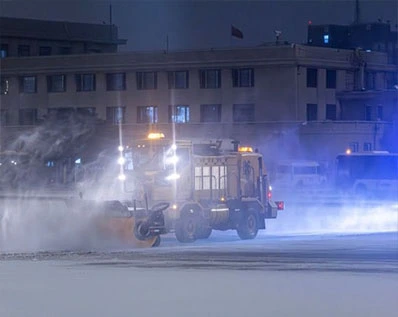
Mechanical spreaders designed for granular materials handle solid potassium acetate effectively with proper calibration. Adjusting gate openings and spinner speeds achieves uniform distribution across treatment areas. Regular equipment maintenance prevents material bridging in hoppers and ensures consistent flow rates. Pre-wetting systems that apply liquid acetate to solid granules improve particle adhesion and reduce material loss from wind dispersal or vehicle traffic.
Specialized airport deicing equipment meets stringent safety standards for runway applications. Highway maintenance departments utilize truck-mounted spreaders with GPS tracking for documentation and optimization. Parking structure operators may employ hand-pushed spreaders for pedestrian areas with confined access. Matching equipment capabilities to operational requirements maximizes the return on investment in both machinery and materials.
Case Studies and Performance Results
Regional airport authorities report successful runway maintenance throughout winter seasons using potassium acetate programs. Documentation shows reduced aircraft corrosion complaints compared to previous urea-based treatments. Highway departments managing mountain passes cite improved safety records during extreme weather events. Infrastructure engineers note decreased concrete scaling on bridge decks treated with acetate formulations versus traditional salts.
Commercial property managers appreciate reduced tenant complaints about slippery conditions and damaged landscaping. Distribution center operators value minimized operational disruptions that preserve just-in-time logistics schedules. These real-world outcomes validate the performance characteristics that make deicing solid potassium acetate worth the investment for critical applications. Gathering internal performance data allows organizations to refine their programs and demonstrate value to stakeholders.
Why Choose Potassium Acetate for Your Deicing Needs?
Long-Term Value Proposition
Initial material costs represent just one component of total ice control expenses. Infrastructure damage from corrosive deicers creates massive repair bills that dwarf annual chemical expenditures. Concrete replacement, steel reinforcement restoration, and vehicle undercarriage repairs accumulate over time. Environmental remediation costs emerge when chloride contamination reaches actionable levels in groundwater monitoring. Potassium acetate eliminates these hidden expenses through non-corrosive, biodegradable chemistry.
Regulatory compliance provides another dimension of value. Facilities near protected waterways face restrictions on chloride discharge that limit traditional salt usage. Environmental permits may specify acetate-based alternatives for sensitive locations. Proactive adoption of sustainable solutions positions organizations favorably as regulations tighten. The ability to demonstrate environmental stewardship enhances corporate reputation and community relationships.
Reliability and Performance Consistency
Winter maintenance operations cannot tolerate product failures during critical weather events. Potassium acetate's proven effectiveness across temperature ranges provides dependable performance when conditions deteriorate. Batch-to-batch consistency from certified manufacturers ensures predictable results throughout the season. This reliability allows operations managers to develop standardized procedures and training programs that improve staff efficiency.
Supply chain stability matters as much as product performance. Manufacturers with substantial production capacity and diversified raw material sourcing minimize disruption risks. Established logistics networks deliver scheduled shipments regardless of broader market conditions. These operational advantages reduce procurement stress and allow focus on strategic planning rather than crisis management.
Conclusion
Selecting appropriate ice control solutions requires balancing immediate performance needs with long-term operational and environmental considerations. Deicing solid potassium acetate(CAS NO.: 127-08-2) delivers superior melting efficiency at extreme temperatures while protecting infrastructure and ecosystems. The combination of technical performance, environmental responsibility, and economic value creates compelling advantages for airports, highway systems, and industrial facilities. Procurement professionals who evaluate the total cost of ownership recognize acetate-based programs as strategic investments that enhance safety, reduce maintenance expenses, and demonstrate environmental leadership. Partnering with experienced manufacturers ensures access to quality products, technical expertise, and reliable supply chains that support successful winter operations.
FAQ
What temperature range makes potassium acetate most effective?
Potassium acetate maintains ice-melting capability from 0°C down to -30°C (-22°F), significantly outperforming rock salt and urea in extreme cold. The exothermic dissolution process provides consistent results across this range, though application rates may require adjustment at lower temperatures to achieve desired clearance times.
How does environmental impact compare to traditional rock salt?
Biodegradation studies confirm that potassium acetate breaks down naturally without persistent soil or water contamination. Chloride salts accumulate in groundwater and harm aquatic organisms, while acetate converts to harmless carbon dioxide and water. Vegetation near treated areas shows minimal stress compared to severe damage from chloride exposure. The lower toxicity profile makes acetate suitable for environmentally sensitive locations.
What safety precautions apply during handling and application?
While significantly safer than many industrial chemicals, potassium acetate requires basic protective equipment, including gloves and eye protection during handling. The alkaline pH can irritate skin and eyes upon direct contact. Storage areas should maintain proper ventilation and separation from incompatible materials. Application teams need training on proper dosing rates to avoid over-application and potential surface slipperiness from excess residue.
Partner with Zhaoyi Chemical for Premium Deicing Solid Potassium Acetate Supply
Zhaoyi Chemical brings over three decades of acetate manufacturing expertise to winter maintenance professionals seeking reliable, high-performance ice control solutions. Our deicing solid potassium acetate supplier operations maintain rigorous quality standards with ISO 9001, ISO 14001, and ISO 45001 certifications, ensuring every batch meets demanding specifications for purity and performance. The 150,000-ton annual production capacity supports large-scale procurement requirements with flexible delivery scheduling. Contact our technical team at sxzy@sxzhaoyi.com to discuss your specific application requirements, request detailed product specifications, or obtain competitive quotations for bulk orders. We provide comprehensive support from initial evaluation through ongoing program optimization, helping your organization achieve superior winter safety while protecting infrastructure and the environment.
References
1. Federal Aviation Administration. "Airport Winter Safety and Operations." Advisory Circular on Aircraft Deicing Operations, 2021.
2. Transportation Research Board. "Sustainable Winter Road Operations: Comparative Analysis of Deicing Chemicals." National Cooperative Highway Research Program Report, 2020.
3. American Society for Testing and Materials. "Standard Specification for Potassium Acetate-Based Runway Deicing Materials." ASTM D6548-18, Annual Book of Standards, 2019.
4. Environmental Protection Agency. "Best Management Practices for Winter Maintenance of Paved Surfaces." Municipal Operations Technical Guidance, 2022.
5. Society of Automotive Engineers. "Aerospace Material Specification for Solid Runway Deicing Compounds." SAE AMS 1431D Standards Document, 2018.
6. National Academy of Sciences. "Evaluating Environmental Impacts of Road Salt and Alternative Snow Removal Chemicals." Environmental Impact Assessment Report, 2021.

USER EVALUATE
Here is the customer's evaluation of us