



Cost-Effective Liquid Potassium Acetate for Snow and Ice Control
During the winter, operations need reliable solutions that keep budgets in check and protect infrastructure. Deicing liquid potassium acetate(CAS NO.: 127-08-2) has become a popular choice for cities, airports, and highway repair companies that want to control ice in a way that doesn't harm the environment. This clear, colourless liquid (CAS NO. 127-08-2, molecular formula CH3COOK) works well at temperatures as low as -60°C (-76°F), lowering the freezing point more effectively than other chloride salts without damaging infrastructure. Potassium acetate solutions help procurement teams find the best mix between business performance, long-term asset protection, and legal compliance when they look at winter maintenance plans.
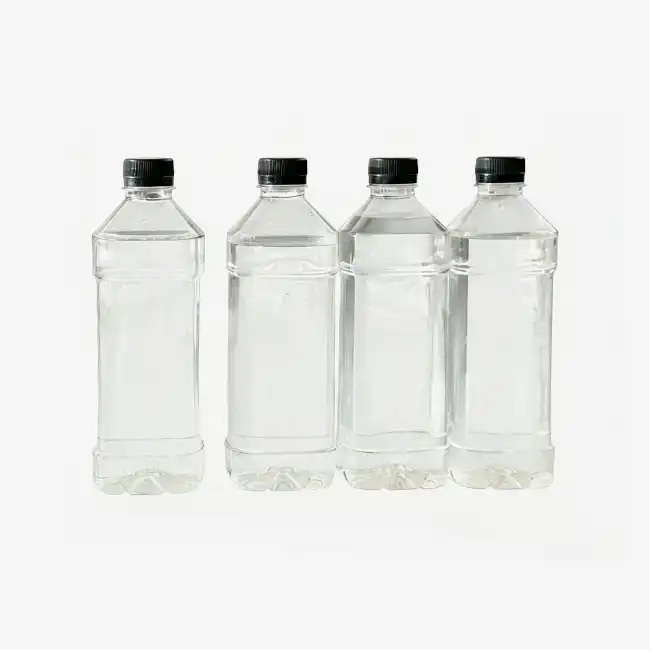
Understanding Potassium Acetate Deicing Liquid
Chemical Composition and Core Properties
This deicing liquid potassium acetate, is made up of 50–60% potassium acetate in water, which gives it a molecular weight of 98.14. The formulation maintains a specific gravity between 1.25 and 1.30, allowing the liquid to easily penetrate layers of snow and ice. The solution remains stable during storage and application because its pH ranges from 7.5 to 9.2, providing a mildly alkaline condition. Technical requirements include a chloride content of less than 0.01%, an iron content of less than 0.002%, and a heavy metal (lead) content of less than 0.01%. These specifications meet the strict cleanliness standards required for sensitive areas such as airport runways and bridge decks.
How Potassium Acetate Melts Ice
Cryoscopic depression, in which dissolved potassium acetate breaks up the hydrogen bonds in water molecules, is what makes deicing work. When the solution is put on the road before it starts to rain, it makes a brine layer that keeps ice from sticking to the asphalt or concrete. This method for preventing icing requires less work to remove mechanically and keeps important friction coefficients for car and aeroplane operations. Unlike salt-based deicers that need to come into direct contact with ice, deicing liquid potassium acetate spreads evenly across surfaces when sprayed on. This increases coverage and speeds up reaction times during storms.
Environmental Advantages and Biodegradability
More and more, regulations favour acetate chemistry over urea and glycol options. Potassium acetate breaks down quickly in the body without releasing harmful nitrogen compounds or ammonia that are bad for aquatic ecosystems. Biological Oxygen Demand (BOD) is much lower in this solution than in urea-based goods, which makes wastewater cleaning easier. This option is good for environmentally sensitive areas because it meets the standards for SAE AMS 1435 aerospace materials and the EPA's discharge limits. It can be used in watersheds near city treatment plants and protected wildlife paths next to roads, for example.
Safety Protocols for Handling and Storage
Good management makes products last longer and keeps workers safe. Keep potassium acetate solutions in warehouses that are dry, well-ventilated, and away from heat sources and materials that won't work with them. Some storage containers that are compatible are made of high-density polyethylene (HDPE), fibreglass, and stainless steel (304/316 grades). Unlined carbon steel tanks should be avoided for long periods of time because they may change colour slightly. The product can be kept for an endless amount of time in sealed containers, but after two years, it's best to check the concentration and pH again. IBC tanks and flexitanks should be handled carefully during transport to avoid damage. When transferring chemicals, workers should wear the right safety gear, and facilities must keep the solution away from dangerous materials according to standard chemical storage rules.
Comparing Potassium Acetate with Alternative Deicing Solutions
Performance Against Chloride-Based Deicers
Calcium chloride and magnesium chloride are the most common deicing chemicals because they melt quickly and don't cost much. These chloride salts work well at temperatures between -18°C and -29°C, but they corrode reinforced concrete, aircraft aluminium alloys, and bridge steel parts very badly. Damage to infrastructure builds up over time, requiring costly fixes to road surfaces, structural steel, and vehicle undercarriages. Deicing liquid potassium acetate completely gets rid of the risk of rust and raises the effective working temperature to -60°C, which gives you extra safety during very cold spells. When airports use chloride deicers, their runway lighting systems, guidance monitors, and ground support equipment break down faster, which costs a lot more than the extra money they pay for acetate formulations.
Liquid Versus Solid Deicer Formats
Solid deicers need special tools to spread them evenly, prevent uneven surfaces, and reduce particle bounce that can make contact less effective. Deicing liquid potassium acetate works well with Fixed Automated Spray Technology (FAST) systems installed on bridges and tanker spray booms. Spray application allows precise control of product usage, ensures uniform coverage, and activates immediately when it contacts the surface. Liquid products are also easier to store than palletized bags because IBC tanks and flexitanks require less storage space, eliminate dust handling issues, and simplify inventory management. Liquid formulations also provide excellent shelf stability; when stored properly, acetate solutions do not require special humidity controls or moisture barriers like hygroscopic solid salts.
Cost-Performance Analysis with Real-World Data
The total cost of ownership, not just the unit price, is what drives decisions about what to buy. A study at a medium-sized airport found that switching from urea to potassium acetate cut runway repair costs by 40% over five years. This was able to make up for higher material costs by making the pavement last longer. Authorities in charge of municipal bridges say that 60% fewer incidents of concrete flaking have happened on decks treated with acetate salts instead of chloride salts. This means that repairs to the structures will not need to be paid for right away. When corrosive residue is removed from spray trucks and ploughs, highway contractors save money on equipment maintenance costs. When figuring out the return on investment, you should take into account things like lower costs for cleaning up the environment, avoiding fines from the government, and more reliable operations during bad weather.
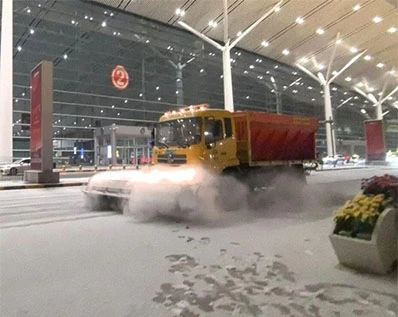
Practical Application and Usage Guidelines for Potassium Acetate
Optimized Application Methods and Dosage
Better ways to use and dose the drug. Tanker spray systems set to deliver 25 to 50 gallons per lane mile are used in effective anti-icing programs to apply deicing liquid potassium acetate solutions one to four hours before it's supposed to rain. The exact dose depends on the temperature of the pavement and the amount of snow that is expected. Colder surfaces and more snow mean that higher application rates are needed. As part of pre-wetting methods, the centerlines of the runway and the approach zones for the bridge are sprayed with brine to create protected layers. Automated FAST systems on bridge decks only release product when surface temperatures get close to freezing levels, which is based on data from concrete sensors. For active deicing of current ice buildup, increase application rates to 50 to 100 gallons per lane mile and let the liquid soak in for 15 to 30 minutes before removing it mechanically. Do not use too much of the product, as this wastes it and causes more runoff without better efficiency.
Storage Management and Shelf Life Best Practices
When you buy deicing liquid potassium acetate in bulk, you need to plan your goods carefully so that you can balance supply with storage space. IBC tanks stack efficiently in climate-controlled storage facilities, and flexitank containers provide a cost-effective option for international buyers to transport their products. Check the stability of storage tanks every three months by inspecting the seals, valves, and structure to ensure there are no leaks. Add batch numbers and shipping dates to packages to make product traceability easier during quality inspections. Maintain a first-in, first-out rotation system even when the shelf life is indefinite to ensure consistent product quality. During cold weather, make sure storage areas remain above -10°C to preserve the solution's fluidity. Frozen products should be thawed slowly before use. Keep certificates of analysis from every delivery that show concentration, pH, and contaminant levels for regulatory compliance verification.
Safety Standards and Regulatory Compliance
Industrial deicing operations are regulated by more than one set of rules. The Federal Aviation Administration (FAA) says that potassium acetate solutions are safe for runways and follow the rules in Advisory Circular 150/5200-30 for keeping the pavement friction level. Environmental discharge permits often refer to state and federal water quality standards. The chemistry of acetate meets these standards because it breaks down quickly and is not toxic to aquatic life. Occupational safety rules are in line with OSHA's standards for communicating hazards. For example, safety data sheets (SDS) should be kept at application sites, workers should be trained on how to handle chemicals safely, and workers should be given the right safety gear, like gloves and eye protection. For business shipping, the product must be correctly classified on the transportation paperwork. However, potassium acetate liquids are usually considered non-hazardous materials by the DOT.
Procurement Guide: How to Source Potassium Acetate Deicing Liquid Cost-Effectively
Evaluating Supplier Credentials and Quality Assurance
Manufacturer approval is the first step in building a reliable supply chain. Check to see if potential suppliers have ISO 9001 quality management certification, which shows that they have a system for controlling processes and keeping records. ISO 14001 certification for environmental management shows a dedication to environmentally friendly manufacturing, and ISO 45001 certification for occupational health and safety shows a focus on keeping workers safe at work. Speciality approvals like KOSHER and HALAL give some business buyers more options for how to use the product. Ask for detailed certificates of analysis that show they meet the requirements of SAE AMS 1435. These should include the results of corrosion tests (ASTM F 483 total immersion and ASTM F 1111 sandwich corrosion tests). Check how much can be made—manufacturers that can make 150,000 tonnes of goods a year show the scale that is needed for a steady supply during peak winter demand times.
Bulk Ordering Strategies and Logistics Considerations
When you buy in bulk, you can get a better price and shipping plans. When flexitank configurations are used, container loads are usually between 20 and 25 metric tonnes. IBC tank shipments can hold smaller amounts and give you more options for how to handle them. Different suppliers have different minimum order quantities, but for international shipping, they usually start at a single container. Talk about trade terms like FOB, CIF, and DAP to make sure everyone knows who is responsible for paying for shipping, insurance, and customs clearance. Lead times for normal recipes are usually between 5 and 7 working days from the time an order is confirmed. For in-stock items, you can get them faster, within 24 hours. Strategic buyers set up regular orders to come 30 to 45 days before the usual weather starts. This way, they can avoid having to pay more for goods and not having enough supplies during peak season. Talk to your global logistics partners about making multi-year outline deals that ensure shipping space and stable prices for deicing liquid potassium acetate(CAS NO.: 127-08-2) .
Sample Testing and Quality Verification Procedures
Pre-purchase validation is an important part of smart procurement. Ask for representative samples from different production batches. Use calibrated meters to test the concentration by measuring the refractive index and the pH. Do tests in the field on small areas of pavement, writing down how much ice is able to get through, what the residue looks like, and whether the tools can be used with it. Using laboratory cryoscopy or outdoor refractometer readings that are linked to concentration charts, compare the drop in freezing point to technical specs. Check the integrity of the packaging to make sure that IBC tanks and flexitanks arrive undamaged with labels that can be read. Check to see how responsive the supplier is during the sample phase. Manufacturers that offer technical support, application guidance, and optimisation suggestions show that they care about their customers' success in ways that go beyond just doing business with them.
Why Choose Potassium Acetate Liquid Deicer: Benefits and Future Outlook
Infrastructure Protection and Operational Efficiency
Investing in advanced deicing chemistry is a good idea for protecting capital assets. According to research from the Federal Highway Administration, deicing liquid potassium acetate can fix the $2.5 billion in damage that chloride corrosion does to infrastructure every year in the United States alone. By adding 15 to 20 years to the service life of runway pavement, airports can put off expensive reconstruction projects and use the money saved to fund projects that increase capacity or bring the airport up to date. Bridge officials lift limits on loads that are causing structural damage. This keeps traffic moving and the economy going strong. Because anti-icing works better, municipal operators get fewer calls for emergencies. This saves money on extra costs and better use of workers during winter storms.
Environmental Compliance and Future Market Trends
The way regulations are going now favours acetate chemistry over older deicing chemicals. Since 2018, sixteen U.S. states have passed laws that limit the use of chloride near sensitive waterways. Other states are also looking into similar measures. More and more, European Union rules require biodegradable deicing agents to be used at airports and on traffic routes that go through protected areas. Potassium acetate puts early adopters ahead of regulatory curves, so they don't have to make expensive product changes in the middle of the season or pay fines for not following the rules. Environmental stewardship also improves an organization's image, which builds stronger ties with stakeholders and gets more support for infrastructure projects from the community. Acetate formulations are still getting better thanks to new ideas. Better corrosion inhibitor packages make it possible to use less common storage materials, which lowers the amount of money that tank farms need to buy.
Conclusion
Strategic winter maintenance programs balance the needs of immediate operations with the need to protect infrastructure over the long term and be environmentally friendly. This balance is achieved by deicing liquid potassium acetate's non-corrosive chemistry, better performance at low temperatures, and benefits for regulatory compliance. There are measurable benefits for municipal governments, airport operators, and highway contractors, such as longer asset lifespans, lower repair costs, and easier environmental permitting. When procurement teams look at the total cost of ownership instead of just the prices of the materials, acetate options always show that they are a great deal. As the deicing industry moves toward environmentally friendly and long-lasting formulas, potassium acetate becomes the clear choice for companies that want to run their business efficiently and save money.
FAQ
Is potassium acetate safe for airport runway applications?
Potassium acetate is approved by the FAA and SAE AMS 1435 for deicing runways. It has been through a lot of tests to make sure it doesn't react badly with aircraft aluminium alloys, landing gear parts, and guidance devices. Instead of chloride alternatives, which speed up corrosion, this solution doesn't hurt cadmium or magnesium aircraft parts. Deicing liquid potassium acetate systems have been used by major international airports for more than 20 years. These systems have kept pavement friction coefficients during winter operations and have a history of good safety. Embedded runway lights, approach zone sensors, and ground support equipment are safe from damage because the material doesn't corrode.
How does potassium acetate compare cost-wise to traditional deicers?
Potassium acetate costs 150–200% more per unit than chloride salts and urea products. Total ownership costs tell a different story. Lowering the cost of maintaining infrastructure, extending the life of roads, avoiding environmental cleanup, and not having to fix up damaged areas usually make up for the higher prices paid at purchase within three to five years. When airport and bridge officials do lifetime cost analyses, they always find that acetate solutions are more cost-effective when they look at delayed capital projects and save on regulatory compliance.
What storage conditions maximize product shelf life?
To keep the solution's fluidity, keep potassium acetate in sealed containers in dry, well-ventilated warehouses that stay above -10°C. Tanks made of stainless steel, HDPE containers, and fibreglass vessels are all compatible. If you want to store something for a long time, don't use unlined carbon steel. However, short-term touch during move operations is not dangerous. If the product is kept correctly, it can be used indefinitely. However, every two years, it needs to be checked for strength and pH to make sure it meets the specifications. Keep the packages out of direct sunlight and from getting damaged while being handled.
Partner with Zhaoyi Chemical for Reliable Deicing Solutions
Zhaoyi Chemical has been making products for over 30 years and knows how to deal with the problems that come up during winter maintenance. Every year, they make 150,000 tonnes of acetate-based solutions that airports, cities, and infrastructure operators around the world trust. Our supplier of deicing liquid potassium acetate(CAS NO.: 127-08-2) has quality systems that are ISO-certified, KOSHER and HALAL certifications for certain uses, and technical support teams that are available 24 hours a day, 7 days a week. We keep smart inventory to make sure that orders are filled quickly. Our normal lead times are 5 to 7 days, but we also offer expedited choices for pressing needs. Flexitanks and 1000L IBC tanks offer flexible packaging that can be used for operations of all sizes. Additionally, comprehensive logistics partnerships ensure competitive freight rates and reliable delivery schedules. Email our team at sxzy@sxzhaoyi.com to get samples, talk about bulk prices, or get advice on how to make the best use of our products for your winter care program.
References
1. Transportation Research Board. "Environmental Impact of Deicing Chemicals on Highway Infrastructure." National Academies Press, 2021.
2. Federal Aviation Administration. "Airport Pavement Snow and Ice Control: Advisory Circular 150/5200-30." U.S. Department of Transportation, 2020.
3. American Society for Testing and Materials. "Standard Practice for Corrosion Testing of Deicer Fluids for Aircraft." ASTM F483-19, 2019.
4. Environmental Protection Agency. "Aquatic Life Criteria for Chloride in Freshwater Ecosystems." EPA Technical Report 822-R-18-001, 2018.
5. Society of Automotive Engineers. "Aircraft Deicing/Anti-Icing Fluid Specification." SAE AMS 1435C Revision, 2022.
6. International Civil Aviation Organization. "Manual of Aircraft Ground De-icing/Anti-icing Operations, Fourth Edition." ICAO Document 9640-AN/940, 2018.

USER EVALUATE
Here is the customer's evaluation of us