



Potassium Acetate for Airport Runway Deicing Applications
In the airline business, -(CAS NO.: 127-08-2) is seen as the safest way to keep flights running during winter storms. This aviation-grade deicing agent takes care of ice in a way that doesn't damage or harm the environment and breaks down naturally. Traditional chloride salts eat away at aluminium parts and damage infrastructure. This organic acetate mixture, on the other hand, works well at temperatures as low as -60°C and doesn't harm airport materials or the ecosystems nearby.
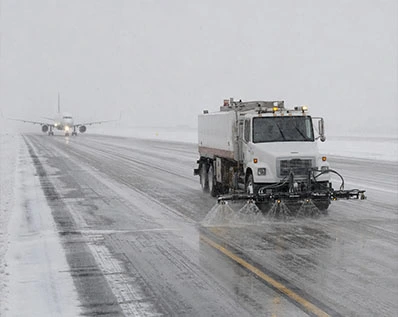
Understanding Potassium Acetate and Its Role in Airport Runway Deicing
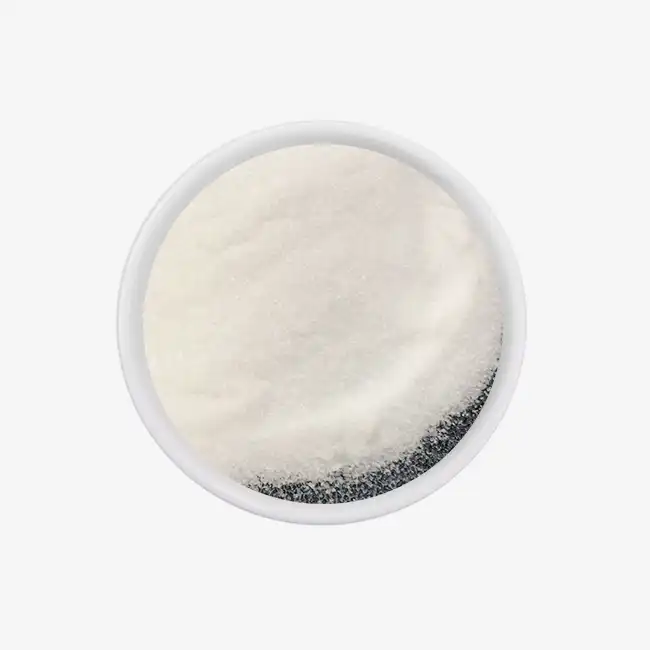
No matter what the weather is like, clear runways are important for aviation safety. Airport runway solid potassium acetate, with the chemical composition based on potassium acetate (CH₃COOK) and CAS number 127-08-2, is a reliable choice for current airport winter operations. This white crystalline compound mixes easily with water to create a strong deicing brine. This brine uses an exothermic reaction to break the bond between ice and pavement, helping maintain safe and efficient runway conditions.
Chemical Properties That Drive Performance
Airport runway solid potassium acetate has a molecular weight of 98.14 g/mol, making it an ideal deicing material with a balance between effective penetration and long-lasting performance. When applied to frozen surfaces, it melts ice more quickly, even in extremely cold conditions, because it generates heat as it dissolves. The compound's working pH in solution remains between 9.0 and 10.5, which makes it gentle on runway materials while still providing strong resistance against ice formation. Due to its hygroscopic properties, it rapidly absorbs moisture and initiates the deicing process immediately upon contact with snow or frost.
Temperature Range and Operational Reliability
Urea-based deicers don't work below -7°C, which leaves airports open to attack during very cold spells. Formulations with potassium acetate work even when the temperature drops to -60°C, so they can be relied on to work in even the worst winter conditions. Because it can work at higher temperatures, it gets rid of the need for other chemicals during extreme weather, which makes managing supplies and following operating procedures easier.
Environmental Advantages Over Legacy Chemicals
More and more rules are putting pressure on airports to reduce their impact on the environment. Potassium acetate breaks down naturally and doesn't give off dangerous ammonia like urea products do. It doesn't put too much stress on the water and soil ecosystems around it because it has a low biological oxygen demand (BOD). This environmental profile helps airports stay in line with EPA rules and international environmental standards. It also keeps nearby plants and waterways safe from damage caused by chemical runoff.
Advantages of Potassium Acetate for Airport Runway Applications
Modern airport operations need deicing systems that take into account a lot of different performance factors. The move toward chemicals based on acetate shows how priorities have changed when it comes to equipment longevity, operational efficiency, and following the rules. Knowing these benefits helps buying teams explain why they need to make investments and changes to how things work.
Non-Corrosive Protection for Critical Assets
Aluminium, magnesium, and cadmium metals are used a lot in aeroplane building, but chloride-based deicers quickly break them down. Airport runway solid potassium acetate mixtures that meet SAE AMS 1431 standards protect these delicate materials, which helps extend the service life of landing gear, brake systems, and aircraft parts. This non-corrosive chemistry is also suitable for ground support tools with hydraulic systems and electrical components. The material compatibility extends to runway infrastructure, including concrete surfaces, integrated lighting systems, and drainage components. This makes long-term maintenance costs significantly lower.
Operational Efficiency During High-Traffic Periods
Long closures during winter weather are not acceptable for airport operations. Because potassium acetate works quickly, airport response times are shorter than when mechanical removal is used alone. It can make brine pockets under layers of ice up to 6 mm thick, which makes mechanical sweeping easier and speeds up the return of safe friction coefficients. Potassium acetate that has been properly applied lasts longer, so it doesn't have to be reapplied as often during long storms. This lets operations teams focus on high-priority areas while keeping the whole airport safe.
Regulatory Compliance and Safety Profile
International aviation authorities, such as the FAA and ICAO, recognize that airport runway solid potassium acetate (CAS NO.: 127-08-2)meets strict safety standards for use on airport runways. Its low toxicity profile helps protect ground personnel during application and reduces the risk of exposure for maintenance workers. Certifications such as ISO 9001, KOSHER, and HALAL demonstrate a business's commitment to quality management and international standards. This is particularly important for airports that serve global airlines. The strong environmental performance of this deicing solution helps airports achieve their sustainability goals and obtain green operation certifications.
Comparing Potassium Acetate with Other Runway Deicing Chemicals
To choose the right deicing chemical, you have to weigh a number of performance factors against operational needs and budget limits. Knowing how different versions stack up against each other helps procurement managers make choices based on facts that are right for their airport.
Performance Metrics Across Common Alternatives
Propylene glycol-based deicers work very well at low temperatures, but they have higher BOD levels and cost more per dose. Sodium formate is good for the environment in the same ways that potassium acetate is, but it only works within a smaller temperature range. Calcium and magnesium chlorides are very effective at melting ice, but they corrode aircraft and infrastructure in ways that are not acceptable. Airport runway solid potassium acetate provides a balanced solution for demanding winter maintenance applications, and the comparison shows that potassium acetate has a strong profile across important evaluation criteria, such as melting capability, material compatibility, environmental impact, and worker safety.
Total Cost of Ownership Considerations
Unit pricing is only one part of the economic picture. Other factors include the number of applications, reapplication frequency, equipment maintenance costs, and the impact on infrastructure lifespan. Airports that use airport runway solid potassium acetate report fewer repairs to lighting systems, drainage systems, and pavement surfaces due to reduced corrosion. Because the material is compatible with ground support equipment, it also lowers replacement costs for hydraulic and electrical systems. These long-term savings often offset the higher initial chemistry costs, reducing the total cost over an extended period of operation.
Real-World Adoption and Performance Data
Over the past 20 years, acetate-based deicing systems have been used at major foreign airports in North America and Europe. These sites say that they have better friction coefficient control during the winter and fewer environmental problems caused by chemical runoff. The operating experience shows that the system works reliably in a range of climates, from coastal airports with changing freeze-thaw cycles to sites on the continental ice caps that stay very cold for long periods of time.
How to Apply Potassium Acetate for Effective Runway Deicing
The right way to use deicing chemicals will make them work better while causing less waste and damage to the environment. Teams that run airports need clear rules for how to handle different types of weather and operating situations.
Solid Formulation Application Protocols
For bulk operations, airport runway solid potassium acetate typically comes in 25 kg woven bags or 1000 kg tonne bags. Granular material is spread out using specialised equipment that moves it at set rates based on the thickness of the ice, the temperature, and the amount of rain falling. The optimal particle size distribution keeps the material from being scattered by wind while it is being applied and makes sure that it dissolves quickly when it comes in touch with the ground. Pre-wetting methods use a mix of solid pellets and liquid solutions to make the sidewalk stick better in high winds and stop material loss before the deicing action starts. When you apply the anti-icing is very important; operations that happen before snow falls work better than reactive deicing that happens after a lot of snow has fallen.
Dosage Guidelines and Equipment Requirements
Depending on the situation, the best application rate for airport runway solid potassium acetate is between 40 and 100 grams per square metre. Thin layers of frost only need light coverage, but thick layers of ice require a heavier application along with mechanical removal. Calibrated spreader trucks ensure that the material is distributed evenly and prevent over-application, which wastes material and can make surfaces temporarily slippery. Modern application equipment includes GPS tracking and automatic rate control systems that optimize material usage while maintaining complete application records for environmental compliance reporting.
Storage and Handling Safety Protocols
Because potassium acetate is hygroscopic, it needs to be stored in a way that keeps out moisture. Facilities should make sure that buildings stay dry, well-ventilated, and out of direct sunlight and rain. When kept in sealed packages and stored properly, the material can last up to two years. Standard chemical safety tools and training on product features are part of the processes for handling chemicals by people. The low toxicity profile makes safety rules easier to follow than with more dangerous options. This makes training easier and emergency reaction simpler.
Procuring Potassium Acetate: What Airport Procurement Managers Need to Know
Procurement programs that work well combine the quality of the goods, the dependability of the suppliers, and the control of costs. Knowing the important criteria for evaluation helps procurement teams build strong supply chains that keep operations running smoothly during the winter.
Supplier Evaluation and Certification Requirements
Quality control for airport runway solid potassium acetate starts with making sure that suppliers are certified and have the ability to manufacture consistently. Manufacturers should demonstrate compliance with SAE AMS 1431E standards through third-party testing and certification. ISO 9001 quality management systems show reliable production methods that remain consistent from batch to batch. During periods of high demand, when many airports are competing for a limited supply, production capacity becomes especially important. Companies that can produce more than 100,000 tonnes of goods per year are better able to handle large orders and emergency supply requests during severe winter conditions.
Logistics and Supply Chain Considerations
Getting airport runway solid potassium acetate in bulk means that you have to carefully plan how to transport, store, and manage your inventory. Lead times for standard products are usually between 5 and 7 working days, but custom formulations and packaging requirements may extend delivery schedules. International shipping allows buyers to access cost-effective suppliers around the world, while backup sourcing plans provide protection in case the primary supply channel is disrupted. When planning inventory, you should consider usage rates, available storage space, and the fact that most materials can be stored for up to two years when maintained under proper conditions.
Building Long-Term Supplier Partnerships
When it comes to buying chemicals, the most successful procurement programs build relationships based on collaboration rather than transactions. Technical support services help improve application protocols and fix problems with performance while operations are going on. When unexpected weather patterns put a strain on goods, responsive communication lines let people place orders quickly and make emergency supply plans. Custom formulation and OEM package choices give airlines that have specific operating needs or co-branding needs, a lot of freedom.
Conclusion
Safe flying rests on reliable ways to clear the path of ice that protect planes, infrastructure, and the environment all at the same time. Airport runway solid potassium acetate formulations provide this wide range of benefits by using non-corrosive chemistry, performing effectively at low temperatures, and offering biodegradable environmental characteristics. The transition from older chloride and urea products shows that the aviation industry is committed to environmental protection and practical excellence. When purchasing managers evaluate deicing programs, they should consider the total cost of ownership, which includes unit price as well as performance, infrastructure safety, and regulatory compliance.
FAQ
How does potassium acetate compare to glycol-based deicers?
Potassium acetate is better for the environment than glycol formulations because it has lower BOD and breaks down faster. Airport runway solid potassium acetate(CAS NO.: 127-08-2) products provide effective deicing performance across a wide range of temperatures, while acetate-based solutions generally offer better compatibility with aluminium components and lower risks to aquatic life. Glycol deicers may be more suitable in certain situations where longer frost protection periods are required.
What certifications should airports require from suppliers?
For use on runways and taxiways, aviation-grade potassium acetate must meet the requirements of SAE AMS 1431E. Supplier quality management certifications, such as ISO 9001, show that production processes are always the same. Certifications in environmental management (ISO 14001) and health and safety at work (ISO 45001) show that a business is doing a great job overall. Global compliance standards are met by international approvals such as KOSHER and HALAL.
Can potassium acetate damage runway lighting systems?
Potassium acetate that is properly made and meets SAE AMS 1431 standards works with electrical parts and lighting systems that are built into the runway. Because the chemistry isn't corrosive, it doesn't cause the flaking and electrical shorts that happen with chloride-based deicers. Regular inspections and upkeep procedures are still necessary to find problems with tools that aren't caused by chemical exposure.
Partner with Zhaoyi Chemical for Reliable Airport Runway Deicing Solutions
Shanxi Zhaoyi Chemical Co., Ltd. has been making acetate for more than 35 years and can help your airport run smoothly this winter. Our aviation-grade solid potassium acetate provider meets SAE AMS 1431 standards for quality and has ISO 9001, KOSHER, and HALAL certifications to back up their work. With the ability to produce 150,000 tonnes per year and strategically placed inventory for quick fulfilment, we make sure that your airport has a steady supply during the busy winter months. Our technical support team answers application and procurement questions within two hours and makes solutions that fit your specific operational needs. You can email sxzy@sxzhaoyi.com right now to talk about your airport runway solid potassium acetate needs and get full product specifications and cheap quotes for large orders.
References
1. Society of Automotive Engineers. "SAE AMS 1431E: Potassium Acetate, Solid Runway and Taxiway Deicing/Anti-icing Compound," SAE International Standards, 2018.
2. Federal Aviation Administration. "Advisory Circular AC 150/5200-30D: Airport Winter Safety and Operations," U.S. Department of Transportation, 2020.
3. Transportation Research Board. "Guidelines for the Selection of Snow and Ice Control Materials to Mitigate Environmental Impacts," National Cooperative Highway Research Program Report 577, 2007.
4. International Civil Aviation Organization. "Airport Services Manual Part 2: Pavement Surface Conditions," ICAO Doc 9137-AN/898, 2021.
5. Environmental Protection Agency. "Environmental Impact Assessment of Airport Deicing Operations," EPA Office of Water Technical Report, 2019.
6. Shi, Xianming and Laura Fay. "Upgraded Airport Snow and Ice Control Materials and Their Environmental Effects," Transportation Research Record: Journal of the Transportation Research Board, Vol. 2272, 2012.

USER EVALUATE
Here is the customer's evaluation of us