



Why Choose Solid Potassium Acetate for Airport Deicing?

Understanding Solid Potassium Acetate as a Deicing Agent
In order for airport runways to be safe, deicing products must work reliably in all kinds of weather without damaging expensive infrastructure or the ecosystems around facilities.
The Chemical Foundation Behind Ice Control
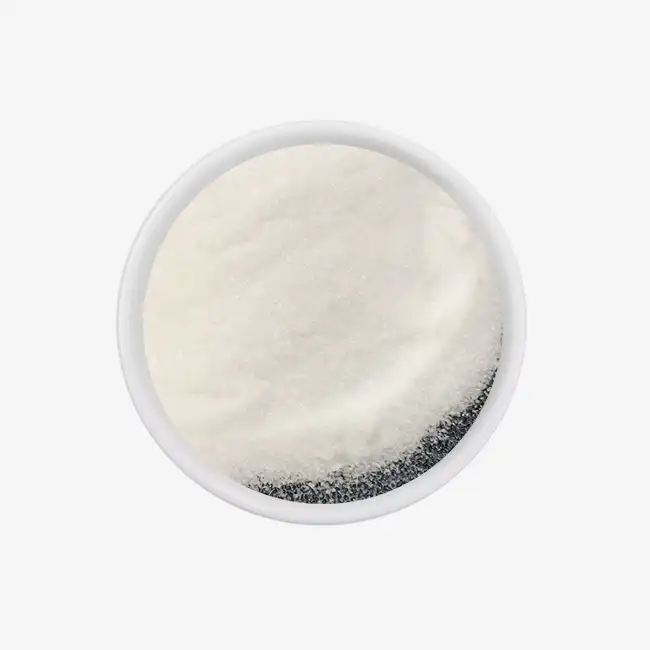
Potassium acetate works by lowering the freezing point, which breaks the chemical links that hold ice to sidewalk surfaces and creates heat as it dissolves. In contrast to endothermic rock salt, which takes in heat from its surroundings, this exothermic process makes deicing solid potassium acetate highly effective by accelerating ice melting even in extremely cold conditions. Its white crystalline structure dissolves easily in water, forming a brine solution that penetrates ice layers and prevents them from bonding to concrete surfaces on runways. This chemical mechanism explains why airports have shifted from traditional deicing technologies to acetate-based solutions that meet SAE AMS 1431 flight standards.
Solid vs. Liquid Form Considerations
Operations managers often look at whether potassium acetate should be solid or liquid, depending on the task at hand. The granular solid form is great at breaking through thick ice crusts and pavement bonds, which makes it perfect for use before a storm or when there is a lot of snow. When compared to temperature-sensitive liquids, solid forms stay stable for longer on the shelf and don't need as much specialized storing equipment. Because solid acetate absorbs water, it needs to be stored in a way that keeps it from drying out. Storing it in 25 kg weave bags or 1000 kg ton-bags keeps it from caking and makes it easier for ground workers to move.
Environmental Safety Profile
When airports are near rivers, protected areas, or have to meet LEED certification standards, they choose deicers that leave the smallest possible environmental impact. Potassium acetate breaks down naturally and doesn't release ammonia or make water systems more eutrophic. Chloride salts build up in soils and groundwater, but this substance is not harmful to plants or aquatic life. Environmental rules are getting stricter, and this recyclable profile helps companies keep their promises to be environmentally friendly, which is what regulators and stakeholders expect from modern airports.
Comparing Potassium Acetate with Other Common Deicers
When buying, teams know how deicing solid potassium acetate works in a number of different areas, and they can make choices that are based on facts and are in line with practical goals and budget limits.
Performance Against Traditional Alternatives
Around -9°C, rock salt (sodium chloride) stops working as well, leaving airports open to damage during bad weather when safety is most important. Calcium chloride makes things last longer at higher temperatures, but it speeds up corrosion in things like airplane landing gear, aluminum parts, and steel-reinforced concrete. Magnesium chloride isn't much better for the environment than sodium chloride, and it still breaks down buildings over time. Urea used to be widely used in aircraft, but it stops working below -7°C and creates dangerous nitrogen molecules that damage ecosystems nearby. As low as -30°C, potassium acetate can still melt ice, but it doesn't have the corrosion and pollution issues that chloride-based and urea products do.
Cost-Efficiency Analysis
Acetate-based deicers, including deicing solid potassium acetate, cost more up front than large rock salt, but a full lifecycle study shows that they can save high costs in the long run. Lighting systems for runways, drainage systems, and ground support equipment can last longer because reduced corrosion helps minimize rust damage. Fewer repairs mean fewer operational interruptions and lower labor expenses. It is also easier and more cost-effective to comply with environmental regulations when there are fewer cleanup tasks caused by contaminated soil or water. Due to these advantages, potassium acetate often provides a lower total cost of ownership, especially for facilities that must meet strict environmental requirements or protect high-value equipment.
Scalability for Large Operations
Every year, big international airports need thousands of tons of deicing materials, so the reliability of the supply chain is a very important thing to think about when buying them. Manufacturers like Zhaoyi Chemical keep their production at 150,000 tons per year, which makes sure that there is always enough during the winter, when demand is highest. Options for bulk packing and established global shipping partnerships make it easier for operations teams to keep track of supplies. Solid potassium acetate is chemically stable, which makes long-term keeping easier than with goods that need to be kept at a certain temperature or tested for quality on a regular basis. This supports just-in-time supply models that make the best use of warehouse space and working capital.
Advantages of Solid Potassium Acetate for Airport Applications
Aviation locations have their own problems that make airport deicing needs different from those on highways or in business settings. Runway operations need products that meet the standards of the aerospace industry and keep expensive planes safe while also making sure passengers are safe.
Protecting Critical Infrastructure Assets
Because it doesn't corrode, high-quality deicing solid potassium acetate protects the structural stability of runway concrete, helping airport operators reduce costly maintenance expenses. Traditional chloride deicers penetrate concrete pores and accelerate damage during freeze-thaw cycles, leading to scaling and deterioration that require expensive resurfacing projects. Acetate-based products help prevent this degradation process, extending pavement service life by decades. Corrosion protection also benefits airport lighting systems, ground support equipment, and water management structures. During taxiing and takeoff, aircraft are less exposed to harsh chemical residues, helping protect landing gear hydraulics, brake systems, and metal airframes from premature corrosion and wear.
Rapid Action When Time is Critical
When an airplane is delayed, it can cause a chain reaction of schedule problems and lost revenue, with each delay measured in minutes. Deicing solid potassium acetate provides an efficient solution for airport winter operations. When potassium acetate comes into contact with water, it immediately releases heat, which speeds up the breaking of ice faster than passive freezing. Ground crews can clear runways and get them back to working order faster, which means fewer flights are canceled, and passengers have less trouble. This quick response ability is especially useful when the weather changes without warning, because it determines whether airports can keep running as planned or have to shut down, which costs a lot of money.
Regulatory Compliance and Certification
Aviation industry rules say that any drug used in airside activities must go through strict testing and get a certificate. Products that meet the requirements of SAE AMS 1431 are put through a lot of tests to see how well they work, how resistant they are to rust, and how safe they are. Material Safety Data Sheets (MSDS), batch testing certificates, and tracking records are just a few of the documents that good makers provide that meet the requirements of governmental checks. Zhaoyi Chemical has ISO 9001, ISO 14001, and ISO 45001 standards, which show that they are committed to quality management systems. This is something that procurement professionals look for in sources for safety-critical uses.
Procurement Guidance for Solid Potassium Acetate Deicing Material
Evaluating Supplier Credentials
Reputable makers show they can make things by getting building certifications, using quality control methods, and being in the business for a long time. Companies that have been around since 1988, like Zhaoyi Chemical, have decades of experience with formulating and improving processes that younger companies don't have. The annual production capacity shows how well a company can meet big contracts without having to worry about sharing issues during times of high demand. International certifications, such as Kosher and Halal, make it easier to meet the needs of certain facilities. Asking current airport customers for references can give you an idea of how reliable a supplier is, how consistent their products are, and how good their technical support is.
Packaging and Logistics Considerations
When big airlines buy in bulk, they have to coordinate shipping times, storage space, and the movement of their goods. Standard 25 kg woven bags work well with manual application equipment and smaller facilities. On the other hand, 1000 kg ton-bags make the best use of warehouse space and reduce the amount of work that needs to be done when there is a lot of it. Flexible manufacturers can make custom packaging accommodations to meet the needs of each operation. Transportation relationships with well-known shipping companies guarantee safe arrival times that work with the times needed to get ready for the season. Packing that doesn't absorb moisture keeps the quality of the product safe while it's being shipped and stored, stopping the caking issues that make application less even.
Building Long-Term Supplier Relationships
Strategic procurement teams put supplier ties ahead of routine buying more and more. When manufacturers offer expert support, operations teams can get the most out of application rates, equipment testing, and storage procedures. Flexible contract terms can adapt to changing winter weather patterns that make consumption hard to predict. Dedicated account management helps quickly when there is an emergency that needs urgent deliveries. When looking at suppliers of deicing solid potassium acetate, you should think about more than just the price per unit. You should also think about the level of service, technical knowledge, and commitment to partnership principles that support operational excellence.
Best Practices and Recommended Usage of Solid Potassium Acetate
To get the best performance while keeping costs low, you need to pay attention to application methods, file management, and operating practices that have been developed over many years of experience in the field.
Optimal Application Techniques
Spreading rate calibration has a big effect on both how well deicing solid potassium acetate works and how much it costs. If you use too much product, it doesn't deliver better results, while using too little may leave ice hazards that create unsafe conditions. Most airport applications aim for 50 to 150 pounds per 1,000 square feet, but the actual amount depends on ice thickness, temperature, and precipitation levels. Pre-treating runways before storms helps prevent ice from bonding tightly to the pavement, reducing the need for chemical and mechanical removal efforts. After applying chemicals, mechanical sweeping removes loosened ice and helps optimize the use of remaining deicing materials. Well-trained ground crews ensure even spreading, preventing hazardous brine accumulation and untreated areas where ice can remain.
Storage and Handling Protocols
Because potassium acetate is hygroscopic, it needs to be carefully controlled for how long it is stored. Warehouses that stay above freezing and are dry and well-ventilated stop the condensation that leads to caking. Storing products away from unsuitable materials and heat sources protects chemical stability and worker safety. Sealed containers should be quickly resealed after being opened, and sealed containers should stay closed until they are used. Following the first-in, first-out rule for inventory movement keeps products fresh while reducing waste from old materials. These storage techniques keep the performance traits that make premium deicing formulas better than cheaper options.
Real-World Implementation Success
When regional airports switched from urea-based deicers to deicing solid potassium acetate, they saw changes in a number of performance measures. Maintenance teams reported that rust damage to lighting systems and signs had decreased, meaning fewer replacements were required and capital costs were reduced. Environmental monitoring also showed that nitrogen levels in stormwater runoff had declined, making it easier to obtain discharge permits and reducing treatment costs. Operational data indicated that runways could be cleared faster during severe weather events, improving schedule reliability and enhancing passenger satisfaction. These documented results give procurement teams greater confidence when evaluating whether the premium cost of deicing solid potassium acetate can deliver comparable long-term value in their own operational environments.
Conclusion
To choose the best runway deicer, you have to weigh the needs for immediate performance with the needs for long-term protection of infrastructure and care for the environment. These concerns are met by deicing solid potassium acetate, which works better at low temperatures, doesn't corrode, and breaks down naturally. The product meets strict standards for the aircraft business and offers practical benefits such as melting ice quickly, lowering upkeep costs, and making it easier to follow rules. Strategic buying from well-known companies guarantees a steady supply and expert help during the tough winter months. When airport managers follow the right application and storage standards, they can get the most value for their money while also meeting the environmental goals that are at the heart of modern flight infrastructure management.
FAQ
What is it about potassium acetate that makes it better for airports than regular road salt?
Airports need solutions that don't corrode and protect airplane parts, especially landing gear systems and aluminum alloys. Because potassium acetate meets SAE AMS 1431 aerospace standards, it stops the rusting damage that chloride salts do to expensive planes. Because it works at temperatures below -30°C, it can be used reliably when rock salt fails, so flights can still happen even when the weather is bad.
How should we store pure potassium acetate so that the quality of the product stays high?
Put the goods away in dry places by sealing them in 25 kg woven bags or 1000 kg ton-bags. Warehouses that are dry and well-ventilated keep the hygroscopic material from taking water from the air and solidifying. Keep storage places above freezing and away from chemicals that don't mix. Proper keeping keeps the free-flowing grainy uniformity that is needed for spreading tools to apply the material evenly.
Can potassium acetate be used near places that are bad for the environment?
Of course. Biodegradation of potassium acetate doesn't release ammonia or harmful chemicals that pollute waterways. Acetate breaks down into harmless parts, unlike urea, which contributes to eutrophication, or chlorides, which build up in soils. This environmental image makes it perfect for airports that are close to protected areas, sources of drinking water, or buildings that want to get LEED approval and set sustainability goals.
Partner with Zhaoyi Chemical for Your Airport Deicing Needs
Zhaoyi Chemical has been making acetate for more than 30 years and can help airport operators and infrastructure managers find reliable winter solutions. Our solid potassium acetate for deicing is at least 99% pure and has been shown to work well at temperatures as low as -30°C, which is what SAE AMS 1431 requires. As a well-known company that makes deicing solid potassium acetate and has an annual capacity of 150,000 tons, we can guarantee a steady supply of bulk during the busiest winter months. Our ISO-certified factories and strict quality control make sure that all of our products are the same, which is important for safety-sensitive aircraft uses. Email our expert team at sxzy@sxzhaoyi.com to talk about your unique needs, get help with the application process, and get competitive quotes for getting ready for winter.
References
1. Federal Aviation Administration. (2019). "Airport Winter Safety and Operations." Advisory Circular 150/5200-30D, U.S. Department of Transportation.
2. Society of Automotive Engineers. (2018). "Solid Runway and Taxiway Deicing/Anti-icing Products." Aerospace Material Specification AMS1431B.
3. Transportation Research Board. (2017). "Guidelines for the Selection of Snow and Ice Control Materials to Mitigate Environmental Impacts." NCHRP Report 577, National Academies Press.
4. Environmental Protection Agency. (2020). "Evaluating Alternatives to Chloride-Based Deicing Products for Winter Road Maintenance." Office of Water Technical Bulletin.
5. International Civil Aviation Organization. (2016). "Airport Services Manual Part 2: Pavement Surface Conditions." ICAO Document 9137-AN/898.
6. American Concrete Pavement Association. (2018). "Avoiding Damage to Concrete from Deicing Chemicals and Freezing." Technical Brief TB-021P, Infrastructure Division.

USER EVALUATE
Here is the customer's evaluation of us