



Potassium Acetate Deicer for Municipal and Commercial Use
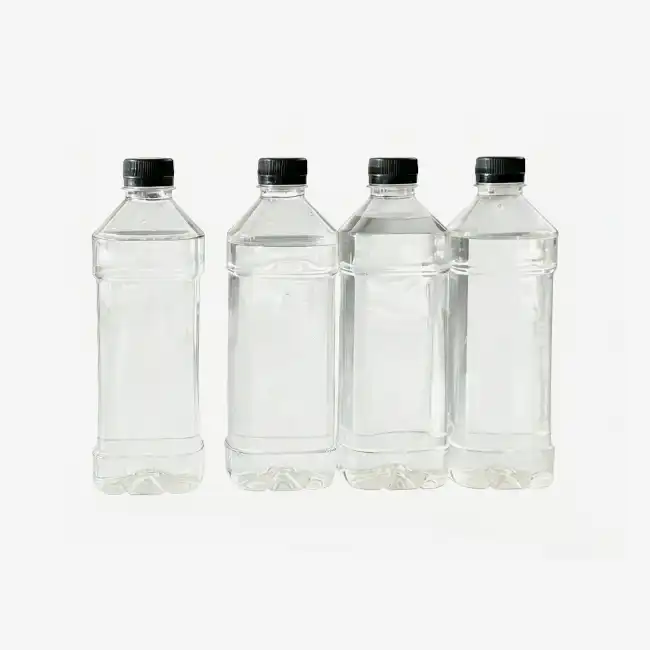
When winter weather threatens public safety and business continuity, snow melting liquid potassium acetate is a sophisticated solution that fixes the problems with old ways of deicing. The colorless, slightly acidic liquid (CH₃COOK, CAS NO. 127-08-2) is a big step forward in winter maintenance technology. It gives city governments, highway contractors, and airport managers an alternative to chloride that protects infrastructure and melts ice very well in temperatures as low as -35°C. Unlike regular rock salt, which breaks down steel reinforcements and damages concrete, liquid potassium acetate melts ice right away without damaging the environment or buildings like chloride-based products do.

Understanding Potassium Acetate and Its Properties
Potassium acetate is perfect for tough winter jobs because of the way its chemicals are made. This acetate salt has a molecular weight of 98.14, which makes it easy to dissolve in water. The resulting solution stops ice crystals from forming at the molecular level.
Chemical Nature and Physical Characteristics
Liquid formulations usually contain between 50 and 60% potassium acetate, making snow melting liquid potassium acetate highly effective for lowering the freezing point to -35°C. This concentration range strikes a good balance between deicing performance and the needs of everyday applications. The pH of the solution remains between 7.5 and 9.2, making it slightly alkaline and helping protect metal surfaces from corrosion. We maintain strict quality control over the purity of the material we produce. The chloride content must be less than 0.01%, the iron content must be below 0.002%, and the lead content must be under 0.01%. These requirements ensure that the product does not release harmful substances that could damage infrastructure or negatively impact nearby wildlife.
Comparison with Other Acetate-Based Deicers
One thing that makes potassium acetate different from sodium acetate and calcium acetate is that it works better at low temperatures. When temperatures aren't too high or too low, sodium acetate works well, but potassium acetate stays fluid and reactive when temperatures are higher or lower. Even though calcium acetate works, it can leave behind a film after multiple uses. The potassium version is easy to use and leaves behind few residues, which makes it perfect for sensitive areas like airport landings, where foreign object debris can be very dangerous. The biodegradability rate is higher than 95%, making it safer for the environment than many other formulations.
Safety and Handling Considerations
For storage, a warehouse needs to be dry, well-ventilated, and away from sources of heat and moisture. We put the goods in 1000L IBC tanks or flexibags, which are designed to make moving and handling bulky items easier. Careful handling during transport keeps containers from getting damaged or spilling. Standard safety rules say that the material must stay away from things that aren't compatible with it. Unlike dangerous chloride deicers, handling potassium acetate doesn't pose many risks. However, standard PPE should still be worn during application operations.
Advantages of Using Liquid Potassium Acetate for Deicing
There are more practical benefits of liquid potassium acetate than just melting ice. It solves important problems that city and business owners have during winter upkeep seasons.
Superior Performance Under Extreme Conditions
It has been tested and shown that snow melting liquid potassium acetate can melt more than 85% of snow in one hour at -25°C. Because it is a liquid, it works quickly because it does not require as much time to dissolve compared with solid deicers. The solution comes into contact with the ground immediately after application, starting the melting process right away. With carbon steel corrosion rates remaining as low as ≤0.03g/m²·h, it helps protect bridge decks, parking structures, and reinforcement bars from damaging oxidation that can shorten the service life of infrastructure. This corrosion-resistant capability directly contributes to extending the lifespan of treated surfaces.
Cost Efficiencies Through Reduced Maintenance
There are a lot of things that go into buying something, but the long-term cost benefits of potassium acetate are clear when you look at how often you have to fix things and how long the infrastructure lasts. Costly rehabilitation projects can be avoided by keeping bridge parts, concrete surfaces, and mechanical equipment from rusting. Spreading solid materials by hand takes more work than spreading liquids because the liquid format works well with automatic spray systems. Fixed Automated Spray Technology (FAST) methods that apply the material consistently make the best use of it, avoiding waste from over-application and making sure that the whole area is covered.
Environmental and Regulatory Compliance
These days, environmental laws look more closely at how winter care is done, especially when it comes to how it affects water quality and how it damages plants. These worries can be put to rest with liquid potassium acetate, which is biodegradable and breaks down naturally without building up in soil or water. Low Biological Oxygen Demand (BOD) and Chemical Oxygen Demand (COD) make waste that goes into city drains and rivers less stressful for marine environments. Operating municipal businesses near environmentally sensitive areas leaves less of an impact on the environment, which helps them stay in line with NPDES permits and local water quality standards.
Application Methods and Best Practices
To use liquid potassium acetate effectively, you need to know the best ways to apply it so that you get the best results while using the least amount of material.
Spraying Techniques and Dosage Recommendations
The way something is applied depends on the type of infrastructure and the weather. Spray bars on trucks are usually used for highway work because they spread the solution evenly across the pavement. More and more, FAST systems with built-in sensors that measure temperature and wetness are being used to build bridge decks. These systems automatically apply chemicals before ice forms. Anti-icing, which is a preventative method, works better and costs less than reactive deicing of already-formed ice layers. Dosage rates vary on how hot or cold the ground is, how much rain or snow there is, and how much traffic there is. Anti-icing with light applications of 20 to 40 gallons per lane mile is enough. Deicing with heavier accumulations may need 60 to 100 gallons per lane mile.
Storage and Mixing Protocols
To keep the integrity of a product between uses, storage conditions need to be carefully considered. Tanks containing snow melting liquid potassium acetate should stay closed so that water doesn't get in and dilute the solution or raise its freezing point. Monitoring the temperature makes sure that the stored solution remains above the point where it can freeze. When you mix snow melting liquid potassium acetate with other chemicals, compatibility testing helps prevent unwanted precipitation or a reduction in chemical effectiveness. Some operators mix it with glycol-based products to achieve better performance under harsh winter conditions.
Real-World Case Studies
When airports switch from solid urea to liquid potassium acetate for runway maintenance, they say it has big benefits. One regional airport said that the time it took to apply the coating was cut by 40%, and there were no longer any worries about foreign object waste, which meant the runway had to be inspected after every treatment. The corrosion protection worked especially well on parts of the airplane's landing gear that were exposed to deicing runoff. Similar results can be seen in municipal bridge care programs, where automatic spray systems keep driving conditions safe on high structures that used to need constant attention and human treatment during winter events.
Procurement Guide for Bulk Buyers and Distributors
To find high-quality liquid potassium acetate, suppliers must be judged on a number of factors that ensure consistent product performance and reliable supply chains.
Vendor Selection Criteria
Manufacturing approvals are very important signs of quality. ISO 9001 certification shows that quality management is organized, and ISO 14001 certification shows that production methods are environmentally friendly. Getting ISO 45001 approval shows that you are committed to health and safety standards at work. Even though KOSHER and HALAL approvals don't directly affect how well deicing works, they do show that strict quality control and monitoring are used during production. Make sure that suppliers follow strict testing procedures that include purity testing, corrosion rate testing, and environmental impact assessment. Performance changes that make application planning harder can be avoided with batch-to-batch uniformity.
Supply Chain Logistics
When making regular purchases, production capability is important. Facilities that can make 150,000 tons per year show that they are big enough to handle big orders from cities without having to stop supplies. Lead times for standard orders are usually between 5 and 7 working days, but setting up relationships with suppliers that include safety stock arrangements makes sure that materials are available during times of high demand. When thinking about transportation, you should think about both local trucking for area marketing and foreign shipping for export markets. Flexibag packaging makes transporting large amounts of goods cheap, and IBC tanks make it easy for end users to handle the goods.
Building Long-Term Partnerships
Respondent technical support for snow melting liquid potassium acetate is what sets exceptional suppliers apart from average ones. Operations managers can keep improving their winter maintenance plans by getting application advice, product testing, and suggestions on how to make them work better. Suppliers who let you customize their products can change the formulas to work better in certain climates or create custom mixes for particular uses. This way of working together creates value that goes beyond the transaction.
Comparing Potassium Acetate with Alternative Deicing Agents
Figuring out where potassium acetate stands in comparison to other technologies helps people make decisions about the best solutions for their needs.
Acetate Salt Comparisons
Sodium acetate is less expensive, but it doesn't work well below -15°C, which makes it less useful in cold climates. Calcium acetate melts well, but it leaves behind more waste that needs to be cleaned up in the spring. The best material for balancing performance, cleanliness, and environmental safety is potassium acetate, but the choice of material should depend on the specific needs of the job. There are clear benefits to both liquid and solid forms. Liquids don't take as long to dissolve and can be used automatically, while solids can be easier to store and handle in some situations.
Evaluation Against Formate Deicers
Potassium formate and sodium formate are two other non-chloride deicers that have similar effects on the environment. Acetates are better at mixing with paints and plastics that are popular in modern structures, while formates tend to have slightly lower freezing points. Aviation standards often recommend acetates for use on the runway because they have been tested a lot and have good safety records. Costs change with the markets for commodities, which makes comparative analysis time-sensitive.
Why Potassium Acetate Excels
When it comes to important uses, potassium acetate is the best choice because it melts quickly, doesn't rust, is safe for the environment, and doesn't affect infrastructure. Protecting expensive bridge investments for cities, making sure flights are safe for airport workers, and keeping business property managers safe from liability all see the performance benefits as enough to support the choice of material. The product's proven success in a wide range of situations shows its flexibility in a way that few others can match.
Conclusion
For commercial and municipal winter maintenance projects that care about protecting infrastructure, being environmentally friendly, and running efficiently, snow melting liquid potassium acetate has been used successfully in the past. The chemical qualities that make it possible for ice to melt at very low temperatures while causing little to no rust damage solve basic problems that chloride deicers can't fix. For adoption to go well, you need to understand the best ways to apply the material, build trusting relationships with approved manufacturers, and commit to preventive maintenance plans that maximize its performance. As regulations tighten and infrastructure repair costs continue to rise, forward-looking operations managers will increasingly recognize the long-term benefits of acetate-based deicing solutions.
FAQ
What is it about liquid potassium acetate that makes it work at low temperatures?
The molecular structure stops ice crystals from forming, which lowers the freezing point to -35°C at the best concentration. The liquid form makes it possible for it to hit the ground right away, so there is no waiting for solid materials to dissolve before melting can start.
Is it safe to mix liquid potassium acetate with other deicing products?
Products don't always work together. When mixed with glycol-based deicers, performance is often improved. On the other hand, when mixed with chloride salts, the rust protection effects may be lessened. Before putting things together in a real-world setting, you should test their suitability.
How is potassium acetate better for the environment than salt for roads?
Biodegradability is higher than 95%, so it breaks down naturally and doesn't build up in ecosystems. Low levels of BOD and COD make water life less stressed. Potassium acetate doesn't pose much of an environmental risk when used according to the instructions, unlike chloride salts that kill plants and pollute waterways.
Partner with a Trusted Snow Melting Liquid Potassium Acetate Manufacturer
Zhaoyi Chemical brings over thirty years of acetate manufacturing expertise to winter maintenance professionals seeking reliable, high-performance deicing solutions. Our ISO-certified facility produces snow melting liquid potassium acetate with strict quality controls that ensure consistent performance across every batch. We understand the critical nature of winter operations and maintain supply chain advantages that include rapid order fulfillment and competitive logistics. Whether you manage municipal infrastructure, commercial properties, or specialized facilities requiring superior corrosion protection, our technical support team provides consultation within hours of inquiry. Contact us at sxzy@sxzhaoyi.com to discuss your specific requirements, request product samples, or obtain customized procurement solutions. Visit zhaoyichemical.com to explore our comprehensive acetate product line and discover how partnering with an established snow melting liquid potassium acetate supplier enhances your winter maintenance program.
References
1. Transportation Research Board. "Guidelines for the Selection of Snow and Ice Control Materials to Mitigate Environmental Impacts." National Cooperative Highway Research Program Report 577, 2007.
2. Federal Aviation Administration. "Airport Winter Safety and Operations." Advisory Circular AC 150/5200-30D, U.S. Department of Transportation, 2018.
3. American Society for Testing and Materials. "Standard Practice for Measuring Relative Effectiveness of Ice Control Chemicals as Accelerators of Ice Melting." ASTM D7547-09, 2015.
4. National Academies of Sciences, Engineering, and Medicine. "Sustainable Winter Road Operations: Project Development and Assessment Strategies." Strategic Highway Research Program Report S2-R26-RR-1, 2014.
5. Pacific Northwest Snowfighters Association. "Best Practices for Chemical Management in Winter Maintenance Operations." Regional Snow and Ice Control Guidelines, 2019.
6. Environmental Protection Agency. "Best Management Practices for Environmental Issues Related to Deicing and Anti-Icing of Transportation Facilities." EPA 600/R-08/022, Office of Research and Development, 2008.

USER EVALUATE
Here is the customer's evaluation of us