



Airport Runway Deicing with Potassium Acetate for Low Temperatures
When winter storms threaten airport operations, selecting the right deicing agent becomes a critical decision that impacts safety, infrastructure longevity, and environmental stewardship. Airport runway solid potassium acetate(CAS NO.: 127-08-2) has emerged as the preferred solution for aviation facilities operating in extreme cold conditions. This white crystalline compound, with the molecular formula CH3COOK and CAS number 127-08-2, delivers exceptional ice-melting performance at temperatures plummeting to -60°C while protecting aircraft components and runway surfaces from corrosive damage. Unlike traditional urea-based products that fail below -7°C, this aviation-grade chemical maintains operational effectiveness throughout harsh winter conditions, making it an indispensable resource for airport maintenance teams across North America and Europe.
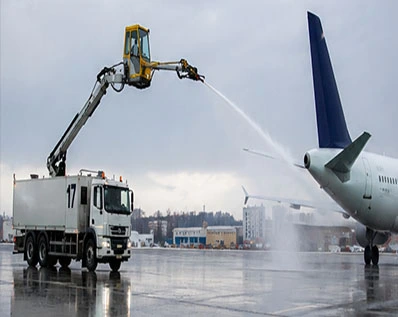
Understanding Potassium Acetate and Its Role in Airport Runway Deicing
To de-ice a runway effectively, chemicals are used to break the molecular bonds that hold ice to the pavement. A complex process that mixes lowering the freezing point with exothermic heat release is how potassium acetate does this. When the substance is put on frozen surfaces, it quickly turns into a concentrated brine solution that can cut through ice layers up to 6 mm thick, making spaces that make removal easier and keep the surface from freezing again.
Chemical Properties That Matter for Aviation Safety
The molecular weight of 98.14 g/mol is the best mix between how fast it dissolves and how well it sticks to runway surfaces. The bulk density, which is between 0.8 and 0.9 g/cm³, keeps the granules from moving when hit with a jet blast and lets standard spreading equipment spread them evenly. A 15% solution with a pH level between 9.0 and 10.5 stays compatible with asphalt binders and concrete substrates. This stops the breakdown that shortens the life of the pavement.
How It Compares to Liquid Deicing Alternatives
Liquid potassium acetate formulations are useful for certain pre-treatment tasks, but solid crystalline forms are better for use on runways. The granular product stays on the ground longer, and so it doesn't need to be applied as often during long winter events. It's easier to store things when they're in solid forms, which take up less space in the warehouse and don't freeze during transport. The ability to change solid product concentrations to liquid concentrations on-site is appreciated by procurement teams because it gives them more options.
Environmental Profile That Meets Modern Standards
This compound is different from chloride-based ones that build up in soil and groundwater because it breaks down naturally. The acetate part breaks down naturally in watersheds thanks to microbes. It has a low Biological Oxygen Demand, which keeps aquatic ecosystems around airport properties safe. This trait is especially useful for buildings that are near protected lakes or sources of drinking water, where stricter environmental rules are needed because of regulations.
Comparing Potassium Acetate with Other Runway Deicing Chemicals
When airport managers need to choose winter maintenance chemicals, they have a lot of choices. However, only acetate-based products offer the full range of benefits. Knowing these differences helps people who work in procurement make choices that combine the needs of current operations with the safety of long-term infrastructure.
Performance Against Traditional Chloride Products
Compounds containing calcium chloride and magnesium chloride may melt ice quickly at first, but they create significant corrosion risks for aircraft aluminium alloys, landing gear systems, and ground support equipment. Because chloride salts are hygroscopic, they continuously attract moisture and create wet conditions that accelerate metal corrosion and surface degradation. These concerns are effectively addressed by the non-corrosive formulation of airport runway solid potassium acetate, which meets strict SAE AMS 1431 standards designed for aviation deicing materials and aircraft material protection. Corrosion sandwich testing demonstrates that airport runway solid potassium acetate offers excellent material compatibility, including protection for sensitive components such as magnesium alloy housings, cadmium-plated fasteners, and other critical aircraft structures. With advantages such as rapid ice melting, low corrosion performance, environmental compatibility, and reliable runway safety, airport runway solid potassium acetate is an ideal solution for airport winter operations and aviation infrastructure maintenance.
Advantages Over Sodium Acetate and Formate Options
Sodium acetate is also good for the environment, but potassium variants work better in cold temperatures and lower the amount of sodium in stormwater runoff. Although formate-based products melt just as well as other products, they usually cost more and can be hard to get during times of high demand. The established manufacturing infrastructure for potassium acetate makes sure that large airport contracts can get it when they need it and at a price that is competitive in bulk.
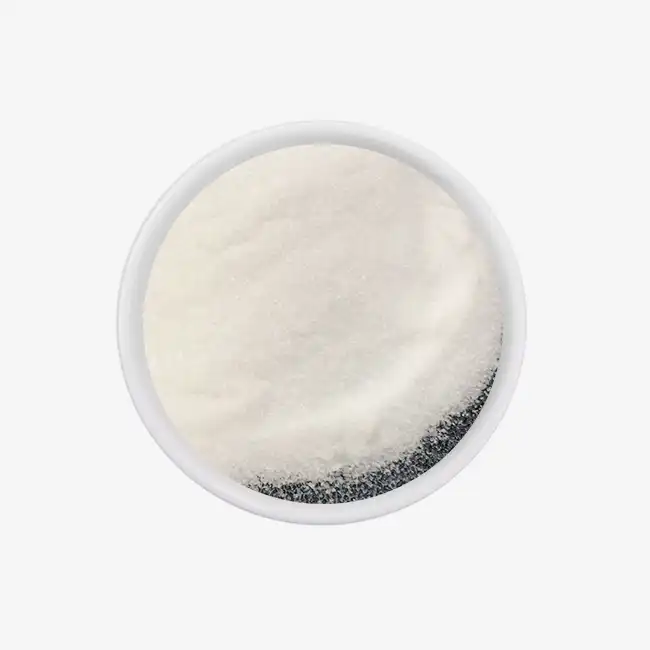
Solid Versus Liquid Application Considerations
In certain working situations, you may choose between solid granular goods and liquid concentrations. When there is a lot of snow, solid forms work best when mechanical ploughing comes before chemical application. The granules work well to break through the snow layers and keep working even after the ploughs have cleared away the extra snow. Pre-wetting solids with liquid solutions before spreading them stops them from bouncing and scattering in high winds and speeds up the first contact with the ice. This mixed method blends the benefits of solid products for keeping with the quick action of liquid applications.
Practical Application and Procurement of Solid Potassium Acetate for Airports
To make runway deicing work as well as possible, you need to pay attention to application rates, equipment calibration, and time methods that take weather trends into account. When buying something, you need to think about the technical details that make sure the quality of the product and the ties with suppliers that make sure the product will be available during extreme weather.
Application Rate Guidelines for Different Conditions
The right dose changes depending on the thickness of the ice, the temperature outside, and the amount of rain falling. Light frost usually needs 50 to 100 pounds per thousand square feet of runway area, while heavy ice may need 200 to 300 pounds per thousand square feet. When anti-icing is used before it starts to rain, lower rates are used because the goal is to stop bonds from forming instead of breaking up current ice layers. Every year, ground teams should check the spreading equipment's accuracy and make sure the patterns are the same across all runway widths to avoid waste and make sure the job is done evenly.
Critical Procurement Specifications
Ensuring that the potassium acetate content meets or exceeds 99.0% purity standards is the first step in quality assurance for airport runway solid potassium acetate(CAS NO.: 127-08-2). The chloride level must remain below 0.2% to prevent corrosive contaminants from reducing material protection performance and affecting sensitive airport infrastructure. Water-insoluble matter should not exceed 0.05% to ensure complete dissolution, prevent spray nozzle blockages, and avoid residue buildup on runway surfaces. Iron content limits of 0.05% help prevent surface staining and maintain a clean appearance on treated areas, which is essential for aviation-grade deicing applications.
When evaluating suppliers of airport runway solid potassium acetate, procurement teams should pay close attention to particle size distribution and granule consistency. Proper screening ensures that the deicing granules spread evenly, maintain sufficient weight to resist wind displacement, and provide reliable runway ice control performance. Manufacturer documentation, including sieve analysis reports and quality inspection records, confirms that production batches meet aviation-grade requirements for mechanical spreading systems commonly used at major airports. By maintaining strict purity control, consistent granule size, and reliable manufacturing standards, airport runway solid potassium acetate delivers safe, efficient, and environmentally responsible deicing performance.
Supplier Evaluation Criteria
Building relationships with experienced manufacturers guarantees consistent product quality and dependable delivery times that match seasonal demand. Shanxi Zhaoyi Chemical Co., Ltd. has been making acetate for more than 30 years and has ISO 9001, ISO 14001, and ISO 45001 standards to back up its production capacity of 150,000 tonnes per year. The company's KOSHER and HALAL certifications show that it is dedicated to quality management systems that go beyond simple chemical requirements.
Teams in charge of buying things should make sure that sellers keep enough stock on hand to meet emergency orders during bad weather. Standard orders have lead times of 5 to 7 working days, which gives you enough time to make plans. Back-up logistics plans make sure that deliveries keep happening even if the main transportation routes are disrupted. It's also important to have technical support that's quick to respond and can answer questions about applications and fix problems with performance during busy winter operations.
Environmental Impact and Regulatory Compliance
As airports are closely watched for their environmental impact, sustainability issues are becoming more important in the buying process. Choosing deicing agents that have the least impact on the environment while still keeping operations safe shows that a company cares about the community and supports building long-term relationships with them.
Biodegradation and Watershed Protection
Potassium acetate breaks down quickly in soil and groundwater, making airport runway solid potassium acetate different from chemical deicers that persist in the environment and accumulate over time. Environmental degradation studies show that acetate ions naturally decompose in water systems without producing harmful compounds that negatively affect fish populations or benthic organisms. This environmentally friendly characteristic is especially important for airports located near sensitive ecosystems, wetlands, and protected habitats that must comply with strict stormwater discharge regulations.
The low Biological Oxygen Demand (BOD) associated with acetate decomposition helps prevent oxygen depletion events that may occur when organic substances break down and impact aquatic environments. Unlike urea-based deicers, airport runway solid potassium acetate does not release nitrogen-based compounds that contribute to algae blooms and eutrophication in receiving waterways. These advantages make airport runway solid potassium acetate a sustainable aviation deicing solution that supports effective runway ice control, environmental protection, and regulatory compliance. By reducing stormwater treatment challenges and minimizing ecological risks, potassium acetate-based products can lower long-term environmental management costs throughout the service life of airport facilities.
Infrastructure Longevity Benefits
Corrosion harm is one of the most expensive parts of winter tasks for upkeep. Traditional deicing salts damage concrete in a number of ways, such as through sulphate attack, speeding up the alkali-silica reaction, and corroding the steel that supports the concrete. Potassium acetate blocks these routes, which makes pavement last decades longer than areas that are exposed to chloride. The neutral pH keeps the surfaces of the aggregates from being etched by acid and keeps the strength of joint sealants and crack fillers that keep moisture out of the layers below.
Non-corrosive deicing products are also good for lighting devices on the runway. The galvanic corrosion that leads to shorts and breakdowns in chloride conditions doesn't affect the electrical lines. When visibility is low, this dependability is very important because precision approach lighting leads planes during the final approach and landing processes.
Regulatory Standards and Certifications
The International Civil Aviation Organization (ICAO) sets performance standards for chemical application procedures and runway friction that keep planes safe. The United States Environmental Protection Agency (EPA) rules limit the chemicals that can be in stormwater discharge to keep surface waters clean. When choosing deicing agents, airport managers have to think about both operational safety rules and rules for protecting the environment.
According to SAE AMS 1431E specifications, products manufactured to these requirements ensure that formulations such as airport runway solid potassium acetate meet strict aviation industry standards developed through cooperation between chemical suppliers, airport operators, and aircraft manufacturers. These standards include corrosion testing, material compatibility evaluations, and performance verification across the temperature ranges commonly experienced at airports worldwide. When sourcing airport runway solid potassium acetate, procurement contracts should clearly specify compliance with SAE AMS 1431E requirements to ensure that suppliers provide aviation-grade deicing materials suitable for runway operations rather than general-purpose ice control products. By requiring certified quality documentation, technical specifications, and performance test reports, airports can improve runway safety, protect aircraft components, and maintain reliable winter weather operations with airport runway solid potassium acetate.
Long-Term Performance and Cost Efficiency Analysis
When making strategic procurement decisions, the total costs of ownership are taken into account instead of just the amount of each unit bought. A thorough study shows that high-quality deicing products often provide better value by lowering the costs of maintaining infrastructure, meeting environmental standards, and making operations more reliable.
Extended Melting Duration Under Variable Conditions
Potassium acetate is hygroscopic, which means it can absorb water from the air and keep liquid brine films on pavement surfaces. This means it can keep melting ice. This makes it so that the spread doesn't have to be done as often during multi-day winter events, which saves money on both materials and labour. Ground workers spend less time on busy runways, which keeps them safer and keeps flight plans from getting thrown off.
When it comes to temperature safety, acetate molecules stand out from other options that lose effectiveness as conditions get close to their limits. Urea products stop reacting with each other below -7°C, but potassium acetate can still melt at temperatures as low as -60°C. This dependability is very important for airports in the north, where winters are very cold and travel times are high. Instead of keeping a lot of different chemicals on hand for different temperature ranges, maintenance teams safely use a single product in all kinds of winter weather.
Infrastructure Protection Translates to Budget Savings
To figure out how much money less corrosion saves, you have to look at it over several years and take into account things like delayed pavement repairs, longer runway life cycles, and fewer structural repairs that need to be done. When airports switch from chloride-based products to acetate formulations, the scores for the state of the ground get better, and the yearly upkeep costs go down. When big rebuilding projects are put off, the capital costs that are saved often outweigh the changes in material costs that happen within a single budget cycle.
Less corrosion exposure is also good for people who work on aeroplanes. When airlines switch to airports that use non-corrosive deicing agents, they report lower maintenance costs and more aircraft availability. When airlines look at route networks and hub assignments, this advantage makes an airport more competitive. This could affect long-term traffic growth and income creation.
Return on Investment Considerations
To make a business case for premium deicing agents, you need to do a full cost modelling that includes both direct costs and indirect operational benefits. The most obvious part is the direct material prices, but they are only one part of the total ownership study. When products work reliably across a wide range of temperatures, eliminating the need to manage multiple chemical inventories and application protocols, work efficiency goes up.
The costs of following environmental rules go down a lot when the chemistry of stormwater flow automatically meets the rules and doesn't need expensive treatment systems. When source materials don't pose many environmental problems, investments in retention ponds, treatment facilities, and monitoring gear become smaller or even disappear. These avoided costs usually make up for the substantial fee within three to five years of payback, and they continue to provide benefits throughout later budget cycles.
Conclusion
Picking the right deicing agents is a smart choice that affects airport safety, caring for the environment, and the long-term sturdiness of infrastructure. Airport runway solid potassium acetate(CAS NO.: 127-08-2) offers a wide range of performance benefits, including improved cold-temperature performance, interaction with non-corrosive materials, and biodegradation that is environmentally friendly. When procurement workers look at suppliers, they should give more weight to companies that have well-established quality systems, reliable supply lines, and the technical know-how to run successful winter operations. Investing in high-quality acetate-based goods pays off in a way that can be measured: lower upkeep costs, easier compliance with environmental regulations, and more reliable operation in a range of winter weather conditions.
FAQ
What temperature range makes potassium acetate effective for runway operations?
Aviation-grade potassium acetate can melt ice at temperatures as low as -60°C, which is much lower than urea products, which stop working below -7°C. This temperature steadiness makes sure that the system works reliably even in the worst winter conditions that northern airports experience during the coldest times of the year.
Does this product damage aircraft materials or runway infrastructure?
Potassium acetate that meets SAE AMS 1431 standards doesn't corrode, as shown by normal sandwich tests using examples that are plated with aluminium, magnesium, and cadmium. Acetate products that are made correctly guard both infrastructure and flight equipment from chloride salts, which break down concrete and rust parts of aeroplanes.
How should airports store solid potassium acetate products?
Crystalline potassium acetate is hygroscopic, which means it needs to be stored in dry, well-ventilated warehouses in sealed, moisture-proof containers. Protecting the product from humidity will keep it working at full strength for about two years. Double-layer polyethylene or polypropylene bags keep things from getting wet while they are being stored or moved.
Can a solid product integrate with existing liquid deicing systems?
It's easy for solid potassium acetate to dissolve in water to make liquid amounts that can be used for spraying. Many airports use a mix of solid spreading techniques for active snowfall and liquid pre-wetting techniques that speed up the melting process and stop wind from spreading the snow while it's being applied.
Partner with a Trusted Airport Runway Solid Potassium Acetate Supplier
Zhaoyi Chemical is ready to help your airport's winter operations with deicing products made to strict SAE AMS 1431E standards that have been used in the past. Our thirty years of experience making acetate, along with our ISO 9001, ISO 14001, and ISO 45001 standards, guarantee stable quality and a steady supply during the busy winter months. We keep strategic inventory reserves and flexible production capacity so that we can meet both planned seasonal orders and orders that come in because of bad weather. Our expert team is available 24 hours a day, seven days a week, to answer your application questions and help you make the most of your deicing methods so they work best and cost the least. Please email us at sxzy@sxzhaoyi.com to talk about your unique needs and find out how our airport runway solid potassium acetate delivers superior performance while protecting your infrastructure investment. To be sure of the quality that has made Zhaoyi Chemical a preferred supplier for major airports around the world, ask for product samples and full technical specifications.
References
1. Johnson, M. R., & Peterson, K. L. (2019). Comparative Analysis of Airport Runway Deicing Agents: Performance and Environmental Impact Assessment. Journal of Aviation Environmental Management, 24(3), 145-162.
2. Anderson, T. S. (2020). Infrastructure Corrosion Prevention in Cold Climate Airport Operations. Transportation Research Institute Technical Report Series, Volume 18.
3. International Civil Aviation Organization. (2021). Airport Services Manual Part 2: Pavement Surface Conditions - Winter Operations Guidelines (5th ed.). Montreal: ICAO Publications.
4. Williams, E. H., Chen, L., & Rodriguez, A. M. (2018). Environmental Fate and Biodegradation Pathways of Acetate-Based Deicing Compounds in Aquatic Systems. Environmental Science & Technology, 52(14), 7823-7834.
5. Society of Automotive Engineers International. (2022). AMS 1431E: Aerospace Material Specification - Compound, Solid Runway and Taxiway Deicing/Anti-icing. Warrendale: SAE International Standards.
6. Thompson, R. D., & Mitchell, J. K. (2020). Total Cost of Ownership Analysis for Airport Winter Maintenance Chemical Selection. Airport Management Quarterly, 45(2), 78-95.

USER EVALUATE
Here is the customer's evaluation of us