



Using Solid Potassium Acetate for Commercial Property Ice Control
Managing winter ice hazards on commercial properties demands solutions that work fast, protect infrastructure, and respect the environment. Deicing solid potassium acetate(CAS NO.: 127-08-2) has emerged as a high-performance choice for facilities managers and procurement professionals seeking effective ice management without the damaging side effects of traditional chloride salts. This white crystalline compound (CH3COOK) offers superior melting capability down to -30°C, biodegradability, and minimal corrosion risk—making it ideal for parking structures, walkways, loading docks, and sensitive commercial environments. Throughout this guide, we'll explore why potassium acetate is transforming commercial ice control strategies and how to successfully integrate it into your winter maintenance operations.

Understanding Potassium Acetate Deicer: Composition, Mechanism & Benefits
Commercial property managers need deicers that work well and don't damage the assets. Potassium acetate is different from other ice melters because it has special chemical qualities and a smart way of melting.
Chemical Composition and Physical Properties
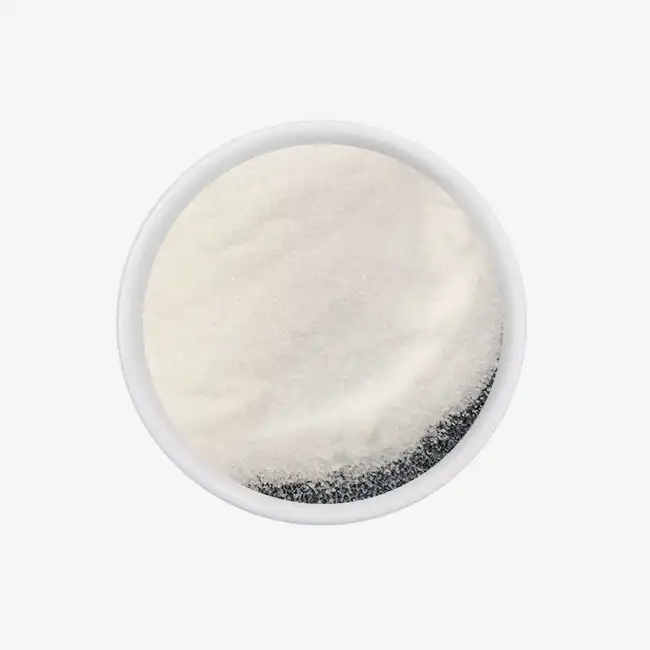
Its CAS number is 127-08-2, and it is an acetate salt. Its formula is CH3COOK, and its molecular weight is 98.14. It looks like white crystals and is easy to dissolve in acidic water and alcohol. This high solubility lets brine solutions quickly get into layers of ice, breaking the chemical bonds that hold ice to sidewalk surfaces. Unlike rock salt, which only lowers its freezing point, potassium acetate gives off heat when it dissolves. This exothermic reaction speeds up melting even when it is very cold.
How Potassium Acetate Melts Ice at the Molecular Level
When the deicing agent comes in touch with snow or ice, it starts working right away. When water comes in contact with potassium acetate crystals, the crystals dissolve, creating heat and lowering the freezing point of water at the same time. This two-part system makes liquid pathways that stop ice from forming on metal, pavement, and asphalt. The brine that is made keeps working long after it has been used, protecting against refreezing. Testing has shown that it works just as well at temperatures below -30°C (-22°F), which is below the freezing point at which most salts lose their usefulness.
Core Advantages for Commercial Applications
When property managers choose deicing solid potassium acetate, they gain multiple performance advantages that help reduce costs, improve safety, and lower operational risks. The low-corrosion formula of deicing solid potassium acetate protects painted surfaces, reinforced concrete, structural steel, and metal components from the damage commonly caused by chloride-based deicers. Its environmental compatibility supports increasing government regulations and corporate sustainability goals because potassium acetate naturally biodegrades without accumulating in soil or waterways. Vegetation around treated areas experiences less stress compared with locations where traditional rock salt is heavily applied. Improved safety performance also reduces concerns about chemical toxicity for pets and wildlife while minimizing exposure risks for maintenance personnel. The fast ice-melting action of deicing solid potassium acetate helps clear surfaces more quickly, reduces slip-and-fall accidents, and keeps roads, walkways, parking areas, and commercial access points available during critical operating hours. With benefits including rapid deicing performance, reduced corrosion, environmental protection, and long-term cost savings, deicing solid potassium acetate is a reliable solution for modern winter maintenance programs.
Comparing Potassium Acetate with Other Deicing Solids: Making an Informed Choice
To choose the best deicer, you need to know how different products work in different situations and how much each one costs in the long run.
Performance Against Traditional Chloride-Based Deicers
Due to its low cost, rock salt (sodium chloride) is still commonly used, but it can only be used at temperatures up to -9°C (15°F). Calcium chloride keeps things working at about -25°C (-13°F), but it speeds up corrosion a lot, especially in reinforced concrete, where it gets into the rebar and starts to eat away at it. Magnesium chloride works well in mild temperatures and hurts plants less than sodium chloride, but it still eats away at metals and breaks down concrete over time. Potassium acetate is more reliable than any chloride product in cold weather and doesn't cause corrosion at all. The environmental picture is also better; chlorides stay in groundwater and build up in the grounds next to roads, but acetates break down naturally through biological processes.
Cost-Performance Analysis Beyond Purchase Price
Instead of focusing only on per-ton pricing, procurement decisions for deicing solid potassium acetate should consider the total cost of ownership throughout the product lifecycle. Chloride-based salts may appear inexpensive initially, but they often create higher long-term expenses due to infrastructure corrosion, frequent replacements, and costly environmental remediation efforts. Over the service life of a facility, repairs for damaged concrete, replacement of corroded metal components, and rehabilitation of drainage systems can result in significant financial losses. Although deicing solid potassium acetate has a higher initial purchase cost, it provides long-term economic benefits by protecting valuable assets and reducing maintenance requirements. Its higher melting efficiency allows lower application rates, helping optimize material budgets. Reduced equipment wear decreases repair expenses, while improved environmental performance and easier regulatory compliance further enhance the overall return on investment. For airports, highways, and industrial facilities, deicing solid potassium acetate offers a cost-effective winter maintenance solution that combines reliable ice control, asset protection, and sustainable operation.
Comparing Within the Acetate Family
You might also want to look into sodium acetate and calcium magnesium acetate as acetate-based deicers. Sodium acetate is a little cheaper than potassium acetate, but it still protects against corrosion and is good for the environment. However, it doesn't work as well in very cold temperatures. Calcium magnesium acetate (CMA) is being used more in areas that care about the environment. It works well with concrete but needs to be applied more heavily and takes longer to dry than potassium-based mixtures. Which type of acetate is best for a commercial property depends on the climate, the materials used in the infrastructure, and how sensitive the property is to the environment.
Application Best Practices and Storage Guidelines for Potassium Acetate Deicing Solids
To get the most out of potassium acetate in terms of performance and cost-effectiveness, it needs to be applied correctly and handled carefully while it is being stored and used.
Recommended Application Rates and Timing
Dosing that is right for the weather is the first step to effective deicing. Rates of 50 to 100 grams per square metre are usually needed for light frost or early snow buildup. 100 to 200 grams per square metre is enough for light ice buildup. For heavy ice or very cold weather, 200 to 300 grams per square metre may be needed. The best results come from pre-treating before it starts to rain or snow. For example, adding potassium acetate to dry pavement before freezing rain or snow stops the adhesion and makes it easy to remove mechanically. Using anti-icing methods works better and costs less than waiting for thick ice to form. Spreading tools should spread crystals out evenly to avoid waste and make sure they cover the whole area. By calibrating spreaders to the crystal size and density of potassium acetate, it is possible to avoid overapplication and get the most out of the budget.
Storage Protocols to Maintain Product Integrity
Because potassium acetate is hygroscopic, it easily draws water from the air. This means that it needs to be stored properly to keep its free-flowing properties. Things should be kept in warehouses that are dry, well-ventilated, and where the relative humidity stays below 65%. Standard packing includes 25 kg plastic weave bags that are easy to handle, or 1000 kg tonne bags for companies that need to handle a lot of goods. Both formats keep information safe as long as they are kept away from direct heat sources and water. Putting boxes on top of each other with enough space between them lets air flow and keeps lower bags from getting damaged by compression. Following the first-in, first-out rule for inventory rotation keeps things fresh. The product has a 12-month shelf life if it is kept in its original, unopened packaging and stored in the right way. Any material that has been sitting around for longer than this should be inspected again before it is used to make sure it is still free-flowing and meets chemical requirements.
Safety Compliance and Regulatory Considerations
Commercial companies that handle ice must follow safety rules for workers and rules about the environment. Material Safety Data Sheets (MSDS) tell you everything you need to know to handle, store, and handle an emergency safely. Personal safety equipment needs to stay low—standard work gloves and eye protection are enough for most jobs. Unlike some harsh deicers, potassium acetate doesn't cause skin discomfort and doesn't pose much of a risk for breathing it in. Environmental laws are making it harder to release chloride into waterways and ecosystems that are already vulnerable. Potassium acetate is biodegradable and not harmful to aquatic life, which makes it easier to follow the rules for stormwater permits and watershed protection. Deicing solid potassium acetate helps green building goals for buildings that want to get LEED approval or other sustainability awards.
Procurement Insights: Buying Potassium Acetate Deicing Solids for Bulk Commercial Use
Strategic buying makes sure that winter repair programs have a steady supply of goods, good quality, and low total costs.
Evaluating Supplier Credentials and Quality Assurance
To find reliable deicing solid potassium acetate(CAS NO.: 127-08-2) suppliers, you should first check their manufacturing capabilities and quality control systems. Companies that have been around for a while have ISO 9001 quality management certification, which makes sure that their methods and product standards are always the same. Getting ISO 14001 approval for environmental management shows that you are committed to using sustainable production methods. With every shipment, suppliers should include a Certificate of Analysis (COA) that shows the chemical purity, moisture content, particle size distribution, and lack of contaminants. At least 98% of the mixture should be potassium acetate, with less than 0.2% chloride and less than 0.05% water insolubles. Trace metal specifications are important for sensitive uses. For example, light-colored concrete won't get stained if the iron level is less than 0.05%. For specific uses, you might need extra certifications, like food-grade material for places that prepare food, Kosher and Halal certification for some educational settings, or aviation-grade specifications meeting SAE AMS 1431 standards for properties next to airports.
Understanding Pricing Structure and Volume Economics
When you buy chemicals in bulk, you pay less per unit when you make bigger commitments. This is called volume-tiered pricing. Prices are affected by seasonal patterns of demand. If you contract early in the season, before winter's peak, you can often get good rates. Costs are affected by transportation in a big way, especially for sites that are far from industrial hubs. The most accurate way to compare costs is to look at delivery prices instead of FOB plant costs. There are different types of logistics, such as truck service for local distribution, train transport for high-volume users, and containerised ocean freight for some markets. When choosing a seller, you may look at things like payment terms, credit agreements, and inventory management services. Some providers offer vendor-managed inventory systems that keep track of how much is being used and set up automatic restocking. This makes it easier to manage and makes sure that supplies are available during severe weather events.
Contract Terms and Supply Chain Reliability
Winter maintenance needs a supply that can always be relied on—running out during a big storm puts you at unacceptable risk of liability. Guaranteed availability, shipping windows, and backup plans for emergency restocking should all be spelled out in procurement deals. Knowing how much a seller can produce helps you figure out if they can keep their promises during times of high demand, when many clients are competing for the same supply. Long-term contracts can help make sure that supplies are always available and prices stay stable. Minimum order quantities (MOQs) depend on the supplier and the logistics of the delivery. Usually, MOQs range from a single pallet for local delivery to a full truckload for delivery far away. Quality dispute settlement processes and material return policies are very helpful in case there are problems with the specifications.
Environmental Impact and Sustainability of Potassium Acetate in Ice Control
Corporate environmental duty and following the rules have a bigger impact on the deicing products that forward-thinking property managers choose.
Biodegradability and Ecological Safety Profile
Natural aerobic and anaerobic biological processes that happen in soil and water break down potassium acetate. Microorganisms easily break down the acetate part, while potassium is used by nutrients in cycles. This biodegradability is very different from chloride ions that stay in the groundwater, pollute drinking water sources, and build up to dangerous levels in soils next to roads. Deicing solid potassium acetate is not very dangerous to fish, invertebrates, and water plants at the levels found in waste, according to tests. Vegetation tolerance is much higher than that of chloride salts. Plants that are exposed to acetate waste grow normally, but plants that are exposed to salt show typical leaf burn, growth slowing, and death. There are also safety benefits for wildlife. Pets' paws won't get as sore, and birds and cats will be less likely to eat it.
Regulatory Trends and Compliance Advantages
Environmental rules for deicing chemicals have become a lot stricter as government agencies have become more aware of the long-term effects of chloride pollution. In the US, watershed protection programs are limiting the amount of chlorine that flows into lakes and streams more and more. Properties in sensitive places are limited in how much salt they can use or are not allowed to use any salt at all. The Clean Water Act's stormwater rules look closely at deicing runoff, and cities and facility owners may be responsible for water quality violations. Canada and a number of U.S. states have put in place road salt control plans that promote using alternatives to acetate. Potassium acetate's legal profile makes getting permits easier and shows care for the environment. According to some federal buying rules, the EPA says that acetate-based deicers are better for the environment than other options.
Supporting Corporate Sustainability Objectives
Acetate deicing helps organisations reach multiple environmental goals at the same time that are based on science. Lowering the amount of chloride in the water protects freshwater resources and keeps habitats around facilities from getting worse. Overall, chemical use is cut down by lower application rates that are needed because the chemicals work better. Preserving infrastructure makes assets last longer, which lowers the amount of carbon that is released when they are replaced too soon. Green building certification programs give points for using chemicals that are better for the environment. Reporting on sustainability that is clear and honest gets credibility when winter maintenance practices match up with stated environmental ideals. Expectations from stakeholders about a company's environmental performance keep going up. Choosing potassium acetate shows real commitment beyond vague comments.
Conclusion
When business ice management companies switch to deicing solid potassium acetate, performance, infrastructure safety, and environmental duty all get better. The better performance in cold weather, non-corrosive formula, and recyclable chemistry solve important problems that regular deicers can't. The initial investment is higher than the price of commodity salt, but the total lifecycle costs are lower for acetate solutions because they protect infrastructure, follow rules, and are better for the environment. To be successful at procurement, you need to work with qualified suppliers who can provide regular quality, reliable supply lines, and professional help for the best application strategies. When commercial properties use potassium acetate, they protect their assets and their companies' reputations while also following stricter environmental rules.
FAQ
Is potassium acetate safer than rock salt for commercial properties?
Potassium acetate is much safer than rock salt in a lot of different ways. It gets rid of the serious corrosion damage that chloride salts do to business buildings' structural steel, reinforced concrete, and metal fittings. The environment is much safer because acetate breaks down naturally, but salt stays in the land and waterways forever. Plants around cleaned areas can handle acetate contact with little trouble, but rock salt kills most of the plants around it. Acetate is also safer for humans and animals than chloride salts, which can cause stomach problems and other health problems. It doesn't irritate the skin much and isn't very dangerous if swallowed accidentally.
Does potassium acetate work in extreme cold conditions?
Potassium acetate works even at temperatures that are much lower than what most standard deicers can handle. Field tests have shown that it can reliably melt ice down to -30°C (-22°F), while rock salt stops working at about -9°C (15°F). When the exothermic dissolution process comes into contact with ice, it makes heat, which speeds up melting even when other products would not be able to work because of the temperature. This ability to work in very cold temperatures is especially useful during bad winter weather, when getting to your property is important, and regular deicers don't work at all.
How can I verify the quality of bulk potassium acetate shipments?
To check the quality, start by choosing certified suppliers who give full Certificates of Analysis (COA) that list the chemicals that are in each batch. Manufacturers with a good reputation check for chloride contamination (under 0.2%), trace metals, and potassium acetate content (should be more than 98%). They also check for moisture levels (below 1% to avoid caking). When the crystals are delivered, they should be checked physically to make sure they are free-flowing and not too clumped together or discoloured. Testing in a separate lab adds another layer of security for big contracts. Maintaining ISO 9001 certification is a way for suppliers to show that they keep quality under control throughout the whole manufacturing and distribution process.
Partner with Zhaoyi Chemical for Premium Deicing Solid Potassium Acetate Supply
Zhaoyi Chemical has been making specialised acetate for more than 30 years and works with business property managers and infrastructure repair contractors all over the world. Our deicing solid potassium acetate(CAS NO.: 127-08-2) is at least 99% pure and meets strict requirements for chloride content below 0.2%, iron pollution, and particle sizes that work best with industrial spreading equipment. Our safety, quality control, and environmental responsibility are all checked by ISO 9001, ISO 14001, and ISO 45001 standards. With a yearly capacity of 150,000 tonnes, we can reliably offer bulk even when demand is high during busy times of the year. Our flexible manufacturing skills at our 27,000-square-meter production center in Shanxi province make sure that our products are always available. We offer technical advice to help with planning storage, optimising applications, and making winter maintenance programs. You can email our team at sxzy@sxzhaoyi.com to talk about your commercial ice control needs, ask for Certificates of Analysis, and look into volume pricing. We are a reliable manufacturer of deicing solid potassium acetate, and we want your business to succeed.
References
1. Transportation Research Board. "Guidelines for the Selection of Snow and Ice Control Materials to Mitigate Environmental Impacts." National Cooperative Highway Research Program Report 577, 2007.
2. Fay, L., and Shi, X. "Environmental Impacts of Chemicals for Snow and Ice Control: State of the Knowledge." Water, Air, and Soil Pollution, Vol. 223, No. 5, 2012.
3. American Society for Testing and Materials. "Standard Practice for Accelerated Polishing of Aggregates Using the British Wheel." ASTM D3319, West Conshohocken, PA.
4. Environment Canada. "Priority Substances List Assessment Report: Road Salts." Canadian Environmental Protection Act, 1999.
5. Nixon, W.A., and Williams, D.J. "A Guide for Selecting Anti-Icing Chemicals." Iowa Highway Research Board Project TR-418, Iowa State University, 2001.
6. Pacific Northwest Snowfighters Association. "Anti-Icing and Pre-Wetting Handbook for Winter Maintenance Operations." Washington State Department of Transportation, 2012.

USER EVALUATE
Here is the customer's evaluation of us